
Can One-Time Asbestos Exposure Cause Mesothelioma?
While most mesothelioma cases result from prolonged or repeated asbestos exposure, documented cases exist where a single significant exposure event led to the disease. There is no established safe threshold for asbestos exposure, and even brief, intense exposure can deposit enough fibers to trigger the cellular changes that lead to mesothelioma decades later.
Understanding the Dose-Response Relationship
The relationship between asbestos exposure and mesothelioma does not follow a simple dose-response curve. While higher cumulative exposure generally correlates with greater disease risk, mesothelioma has been documented in individuals with limited, brief, or even apparently singular exposure events. The World Health Organization (WHO) has stated that no safe threshold for asbestos exposure has been identified.
This is because asbestos fibers, once inhaled, become permanently lodged in tissue. The body cannot break them down or expel them. Even a small number of fibers deposited during a single exposure event remain in the body for life, where they can cause chronic inflammation, cellular damage, and eventually the mutations that lead to mesothelioma.
How Brief Exposure Can Cause Disease
A single intense exposure — such as working in a building during an uncontrolled demolition, cleaning up after a disaster, or performing a one-time renovation project that disturbed asbestos materials — can deposit a significant number of fibers in the lungs and mesothelial lining. The concentration of fibers during a brief but intense event may equal or exceed what a worker might accumulate over weeks of lower-level exposure.
Case studies in medical literature have documented mesothelioma in individuals whose only known asbestos exposure was a single construction project, a brief period of military service, or childhood exposure from a home renovation. While these cases are less common than those involving years of occupational exposure, they confirm that no duration of exposure can be dismissed as inconsequential.
Individual Susceptibility
Individual genetic and biological factors influence mesothelioma risk. Some people appear to be more susceptible to asbestos-related disease than others. Variations in the BAP1 gene, immune system function, and other biological factors may explain why some individuals develop mesothelioma after limited exposure while others with heavier exposure do not. Research in this area is ongoing.
Because of this variability, it is not possible to predict who will or will not develop mesothelioma based on the duration or intensity of their exposure alone. The only certain preventive measure is avoiding all asbestos exposure entirely.
Legal Implications
Individuals diagnosed with mesothelioma after a brief or limited exposure may still have valid legal claims. Courts have recognized that even short-duration exposure can be legally sufficient to establish causation. Compensation may be available from the manufacturers of asbestos products involved in the exposure, regardless of whether the exposure was occupational, environmental, or secondary. Consult an experienced mesothelioma attorney to evaluate your case.
- No safe threshold: Medical authorities have not established a minimum safe level of asbestos exposure
- Documented cases: Mesothelioma has been diagnosed in individuals with limited, brief exposure histories
- Fiber persistence: Once inhaled, asbestos fibers remain in the body permanently
- Latency period: Disease may develop 20–50 years after even a single exposure event
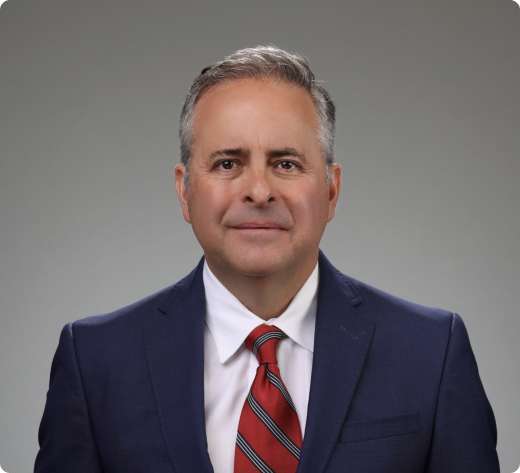
Reviewed by: Paul Danziger, J.D. — Texas Bar — 30+ years mesothelioma litigation
Last updated: March 29, 2026
Sources: National Cancer Institute, World Health Organization (WHO)
Our attorneys have handled mesothelioma cases for over 30 years. We can evaluate your situation, explain every option available to you, and answer your questions — all at no cost and with no obligation.
Request a Free Consultation
Your information is confidential and protected. We typically respond within 24 hours.
Call 1-800-400-1805 for immediate help.