
What Are the Risks of Mesothelioma Clinical Trials?
Risks of clinical trials include unknown side effects from experimental treatments, the possibility that the new treatment may not be effective, and additional time commitments for monitoring. However, trials are closely monitored by safety boards, and participants can withdraw at any time.
Potential Risks of Participation
Clinical trials test treatments that have not yet been fully proven, which means there are inherent uncertainties. The experimental treatment may cause side effects that were not anticipated in earlier laboratory or animal studies. Some side effects may be temporary, while others could be serious or long-lasting. According to the FDA, informing participants about known and potential risks is a mandatory part of the enrollment process.
There is also the possibility that the experimental treatment may not be more effective than existing standard-of-care options. In randomized trials, some participants receive the experimental treatment while others receive standard care or a placebo combined with standard care. This means you may not receive the new treatment, though you will always receive at least the current standard of care for mesothelioma.
Safety Protections
Clinical trials are subject to extensive safety oversight. Every trial is reviewed and approved by an Institutional Review Board (IRB) before it can enroll patients. During the trial, a Data Safety Monitoring Board (DSMB) — an independent group of experts — continuously reviews safety data and can pause or stop a trial if unacceptable risks emerge.
Participants receive detailed informed consent documents that explain all known risks, the purpose of the study, what will be required of them, and their right to withdraw at any time. Your medical team monitors you closely throughout the trial, often with more frequent check-ups and tests than you would receive during standard treatment.
Practical Considerations
Beyond medical risks, trial participation may involve practical challenges. Additional clinic visits, imaging scans, and blood draws are common. Some trials require participants to remain near the treatment center for extended periods. These time commitments can be significant, particularly if the trial is conducted far from home.
Discuss these practical aspects with the trial coordinator before enrolling. Understanding the full scope of time, travel, and lifestyle impact helps you make an informed decision about whether participation is right for your situation.
Weighing Risks and Benefits
For many mesothelioma patients, the potential benefits of accessing new treatments outweigh the risks, especially when standard treatments have been exhausted or offer limited effectiveness. Your oncologist can help you evaluate the risk-benefit profile of a specific trial based on the preclinical data, early results from prior phases, and your individual health status.
Pursuing a clinical trial does not prevent you from seeking legal compensation for asbestos exposure. An experienced attorney can ensure your legal rights are protected while you explore all available treatment options.
- Unknown Effects: Experimental treatments may have unexpected or severe side effects
- Efficacy: The new treatment may not work better — or may work less well — than standard care
- Safety Monitoring: Data Safety Monitoring Boards continuously review participant safety
- Voluntary: Participants can withdraw from any trial at any time without penalty
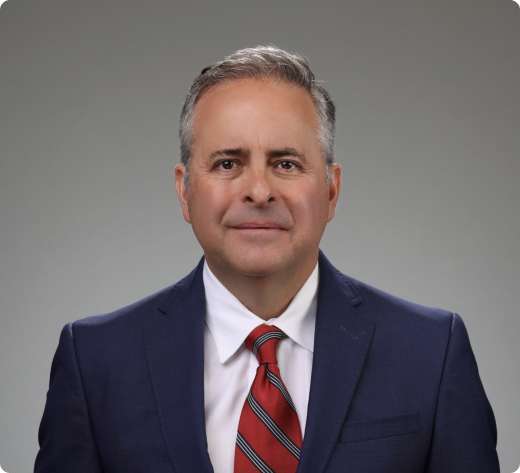
Reviewed by: Paul Danziger, J.D. — Texas Bar — 30+ years mesothelioma litigation
Last updated: March 29, 2026
Sources: National Cancer Institute, U.S. Food and Drug Administration
Our attorneys have handled mesothelioma cases for over 30 years. We can evaluate your situation, explain every option available to you, and answer your questions — all at no cost and with no obligation.
Request a Free Consultation
Your information is confidential and protected. We typically respond within 24 hours.
Call 1-800-400-1805 for immediate help.