
What Military Bases Had Asbestos Exposure?
Virtually every U.S. military base built before the 1980s used asbestos-containing materials in construction. Major installations known for significant asbestos exposure include naval shipyards (Norfolk, Pearl Harbor, Puget Sound, Mare Island), Army bases (Fort Bragg, Fort Hood, Fort Campbell), Air Force bases (Wright-Patterson, Edwards), and Marine Corps installations (Camp Lejeune, Camp Pendleton).
Naval Shipyards and Installations
Naval shipyards represent the highest-risk military environments for asbestos exposure. Facilities including Norfolk Naval Shipyard (Virginia), Pearl Harbor Naval Shipyard (Hawaii), Puget Sound Naval Shipyard (Washington), Mare Island Naval Shipyard (California), Portsmouth Naval Shipyard (Maine/New Hampshire), and Philadelphia Naval Shipyard (Pennsylvania) all involved extensive asbestos use in ship construction, repair, and overhaul. Workers at these facilities — both military and civilian — were exposed to massive quantities of airborne asbestos.
Beyond shipyards, naval bases and stations across the country contained asbestos in their buildings, power plants, and infrastructure. Navy veterans who served at any installation built before the 1980s had potential asbestos exposure.
Army, Air Force, and Marine Corps Bases
Major Army installations including Fort Bragg (North Carolina), Fort Hood (Texas), Fort Campbell (Kentucky), Fort Benning (Georgia), and Fort Riley (Kansas) all contained extensive asbestos in barracks, maintenance facilities, hospitals, and administrative buildings. The same is true for Air Force bases such as Wright-Patterson (Ohio), Edwards (California), Tinker (Oklahoma), and dozens of others.
Marine Corps installations including Camp Lejeune (North Carolina), Camp Pendleton (California), and Quantico (Virginia) similarly used asbestos in construction materials throughout their facilities. Any service member stationed at these bases before asbestos was phased out was potentially exposed.
Why Base Location Matters for Your Claim
Identifying the specific bases where you served helps establish the service connection required for a VA disability claim. The Department of Defense and the Environmental Protection Agency have documented asbestos contamination at many military installations, and this documentation supports your claim that you were exposed during service.
Your service records showing assignments to specific bases, combined with the documented presence of asbestos at those locations, create a strong evidentiary foundation. An experienced mesothelioma attorney can match your service history with base-specific asbestos records to build the strongest possible case.
Pursuing Compensation
If you served at a military base with known asbestos exposure and have been diagnosed with mesothelioma, multiple sources of compensation are available. VA benefits, trust fund claims against the manufacturers of the asbestos products used at your base, and lawsuits against solvent companies can all be pursued simultaneously. Veterans deserve full compensation for the service-connected exposure that caused their illness.
- All branches affected — bases from every military branch contained asbestos
- Shipyards most dangerous — naval shipyards had the highest concentration of asbestos exposure
- Pre-1980 construction — virtually all military structures built before 1980 used asbestos materials
- Ongoing remediation — the DOD continues to identify and remove asbestos from military facilities
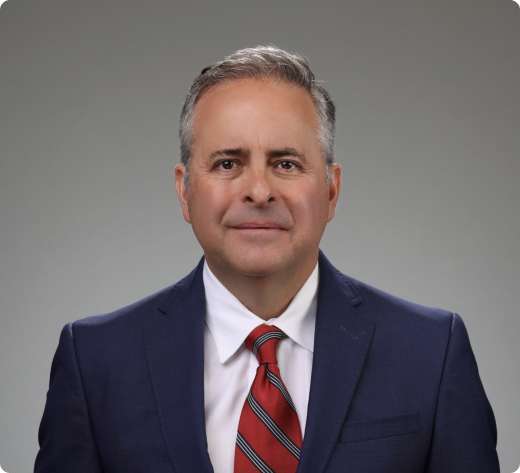
Reviewed by: Paul Danziger, J.D. — Texas Bar — 30+ years mesothelioma litigation
Last updated: March 29, 2026
Sources: U.S. Department of Defense, Environmental Protection Agency (EPA) — Asbestos in Federal Buildings
Our attorneys have handled mesothelioma cases for over 30 years. We can evaluate your situation, explain every option available to you, and answer your questions — all at no cost and with no obligation.
Request a Free Consultation
Your information is confidential and protected. We typically respond within 24 hours.
Call 1-800-400-1805 for immediate help.