Chemical Plants

Dow Chemical Midland Plant

Dow Chemical Midland Plant

Dow Chemical Midland Plant The Dow Chemical Company global headquarters and original manufacturing complex in Midland, Michigan has been a center of chemical production since 1897. Asbestos was used extensively throughout the sprawling industrial campus in insulation, gaskets, and heat-resistant materials for decades.

Last verified: 2026-03-09
Location
Midland, MI
Industry
Chemical Manufacturing
Exposure Era
1930s–1970s
Primary Asbestos Products
Pipe insulation, Gaskets, Valve packing, Reactor vessel insulation, Laboratory bench tops
Job Categories at Risk
Chemical operators, Pipe fitters, Insulators, Maintenance workers, Laboratory technicians

History & Asbestos Use

Herbert H. Dow founded The Dow Chemical Company in Midland in 1897, and the site grew to become one of the largest integrated chemical manufacturing complexes in the world. The Midland plant expanded rapidly through the twentieth century, producing a vast range of chemical products. Asbestos was integral to the plant infrastructure from the 1920s through the late 1970s, used to insulate the miles of piping, reactors, and heat exchangers required for chemical processing.
Exposure Details

Workers throughout the Dow Midland complex encountered asbestos in pipe insulation, reactor vessel insulation, gaskets, valve packing, and even laboratory bench surfaces. Chemical operators working near high-temperature reactors were exposed to asbestos insulation that degraded in the harsh chemical and thermal environment. Maintenance workers who repaired and replaced process equipment regularly disturbed asbestos-containing materials, often in enclosed or poorly ventilated spaces.

Workers at Risk

The following job categories at Dow Chemical Midland Plant had the highest risk of asbestos exposure:

  • Chemical operators
  • Pipe fitters
  • Insulators
  • Maintenance workers
  • Laboratory technicians

Health Effects

Former Dow Chemical Midland employees have filed asbestos exposure claims citing mesothelioma, asbestosis, and lung cancer. The chemical plant environment created additional health risks from combined exposure to asbestos and various chemical substances. Workers in the older production areas, where original asbestos insulation was most prevalent, faced the highest cumulative exposure levels.

Health information is based on established medical research on asbestos exposure. Asbestos is classified as a known human carcinogen by the National Cancer Institute, the Agency for Toxic Substances and Disease Registry, and the U.S. Environmental Protection Agency. Consult a physician for medical advice specific to your situation.

Compensation May Be Available

Workers exposed to asbestos at Dow Chemical Midland Plant may be entitled to compensation through asbestos trust funds, personal injury lawsuits, or veterans benefits. Mesothelioma patients and their families have recovered billions in compensation from companies that manufactured or used asbestos products.

2 asbestos trust funds have been identified as potentially related to exposure at this site. Many mesothelioma patients qualify to file claims with multiple trusts simultaneously.

Find Out If You Qualify

Were You Exposed to Asbestos at Dow Chemical Midland Plant?

Workers who were employed at Dow Chemical Midland Plant between 1930s–1970s may have been exposed to asbestos-containing materials. If you've been diagnosed with mesothelioma, lung cancer, or asbestosis, you may have legal options including trust fund claims and lawsuits.

Related Asbestos Trust Funds

Workers exposed to asbestos at Dow Chemical Midland Plant may be eligible to file claims with the following trust funds:

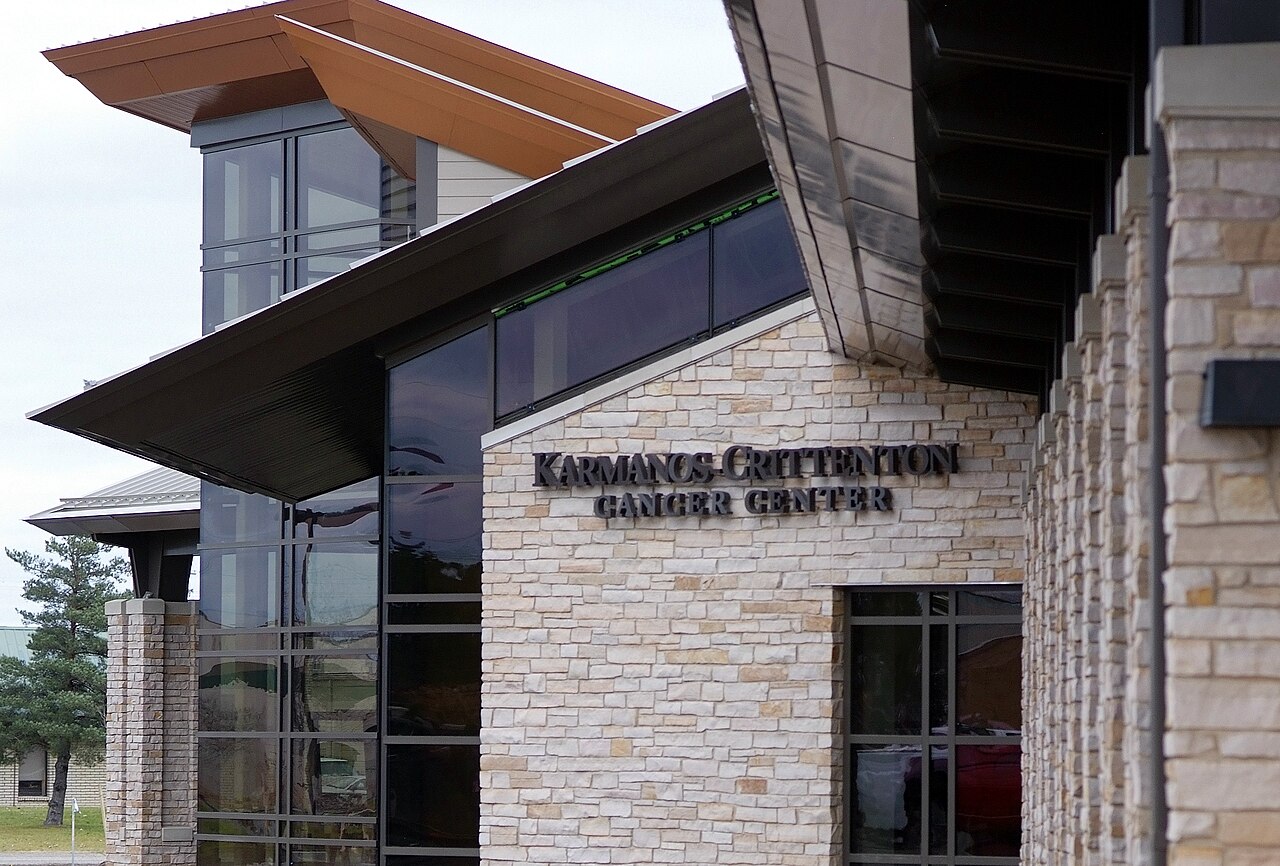
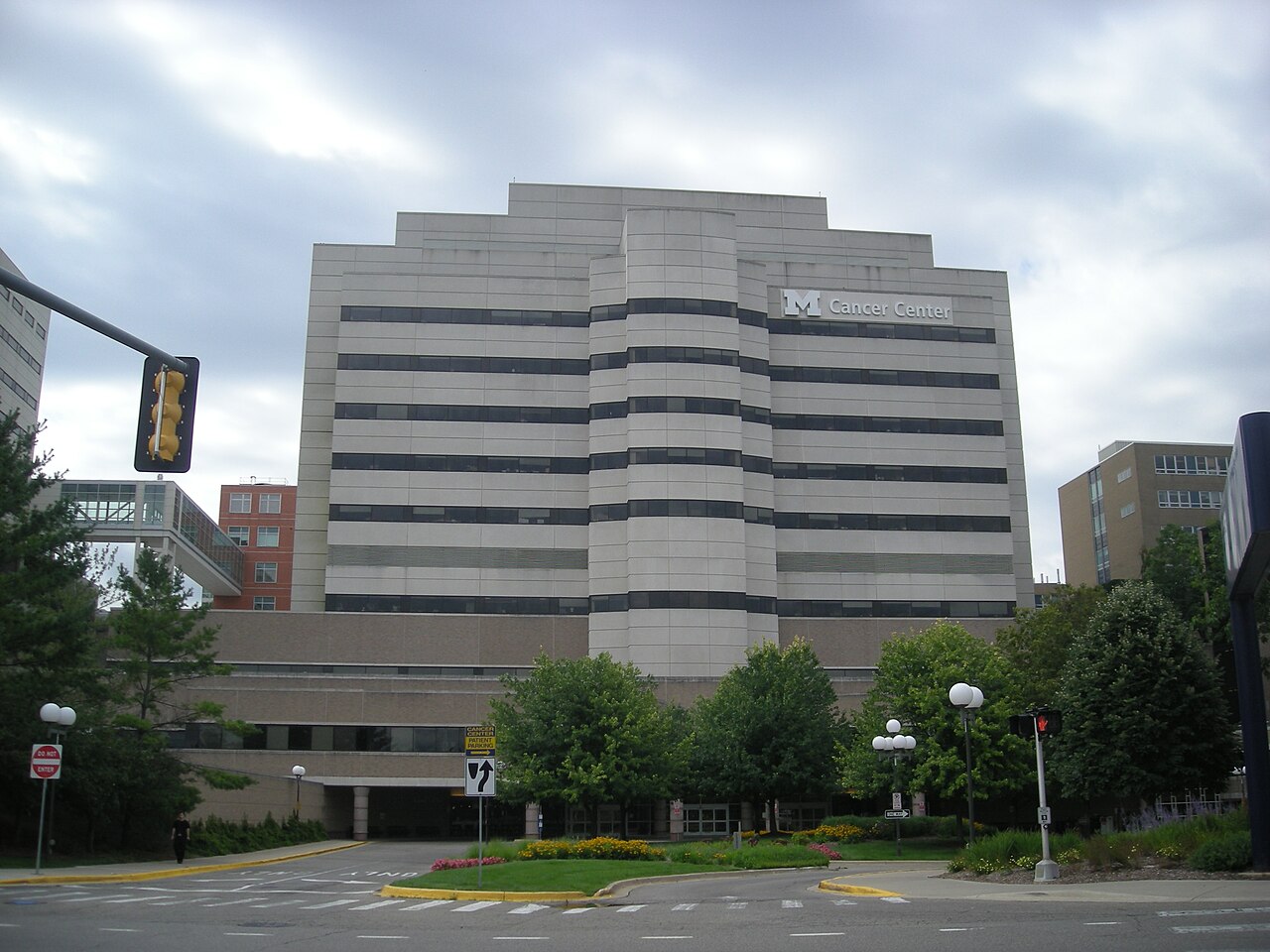
Treatment Centers in Michigan

If you were exposed to asbestos at Dow Chemical Midland Plant and have been diagnosed with mesothelioma, these specialized treatment centers in Michigan may be able to help.

Browse all treatment centers →

Frequently Asked Questions

How was asbestos used at the Dow Chemical Midland plant?

Asbestos was used throughout the Midland complex in pipe insulation, reactor vessel insulation, gaskets, valve packing, and heat-resistant materials. The extensive chemical manufacturing operations required extensive thermal insulation, making asbestos a ubiquitous material across the facility.

What makes chemical plant asbestos exposure different from refinery exposure?

Chemical plants often involve more corrosive and reactive environments that accelerate the degradation of asbestos-containing materials, potentially releasing fibers more readily. Additionally, chemical plant workers may face combined exposure to asbestos and hazardous chemicals, which can compound health risks.

Were Dow Chemical workers provided asbestos safety equipment?

During the peak era of asbestos use, most industrial workers including those at Dow Chemical were not provided adequate respiratory protection from asbestos fibers. Asbestos safety regulations were not enforced until the late 1970s, leaving decades of workers unprotected from the known hazards.

Get a Free Case Evaluation

If you or a loved one worked at Dow Chemical Midland Plant and have been diagnosed with mesothelioma, lung cancer, or asbestosis, our attorneys can help you explore your legal options. There is no cost, no pressure, and no obligation.

Free & Confidential No upfront costs, no hidden fees. You pay nothing unless we recover compensation.
Nationwide Representation Licensed to handle mesothelioma cases in all 50 states from our Houston office.
Over 25 Years of Experience Our attorneys have recovered over $2 billion for mesothelioma patients and families.
Fast Results Trust fund claims can resolve in as few as 90 days. We move quickly for our clients.

Or call us 24/7: 1-800-400-1805

Take the First Step — It's Free

Your information is protected by attorney-client privilege. We never share your data. No fees unless we recover compensation for you.

No Fees Unless We Win 100% Confidential Available 24/7

Sources:

  • EPA records — accessed 2026-03-09
  • OSHA compliance records — accessed 2026-03-09
  • Michigan EGLE records — accessed 2026-03-09
Call Now: (800) 400-1805 Free Case Review • Available 24/7