

Military

Fort Bragg (Fort Liberty)

Fort Bragg (Fort Liberty)

Fort Bragg (Fort Liberty) Fort Bragg (renamed Fort Liberty in 2023) is one of the largest military installations in the world. Hundreds of buildings constructed between the 1940s and 1980s contained asbestos in insulation, flooring, roofing, and mechanical systems, exposing generations of military personnel and civilian workers.

Last verified: 2026-03-09
Location
Fayetteville, NC
Industry
Military Installation
Exposure Era
1940s–1980s
Primary Asbestos Products
Pipe insulation in barracks and buildings, Floor tiles in offices and housing, Roofing materials, Brake linings in military vehicles
Job Categories at Risk
Army soldiers, Building maintenance workers, HVAC technicians, Construction crews, Vehicle mechanics

History & Asbestos Use

Established in 1918, Fort Bragg expanded dramatically during World War II and the Cold War. Thousands of barracks, administrative buildings, and support structures were built using asbestos-containing materials standard in military construction. The base is home to the Army's XVIII Airborne Corps and U.S. Army Special Operations Command. Asbestos abatement has been ongoing for decades, but legacy contamination persists in older structures.
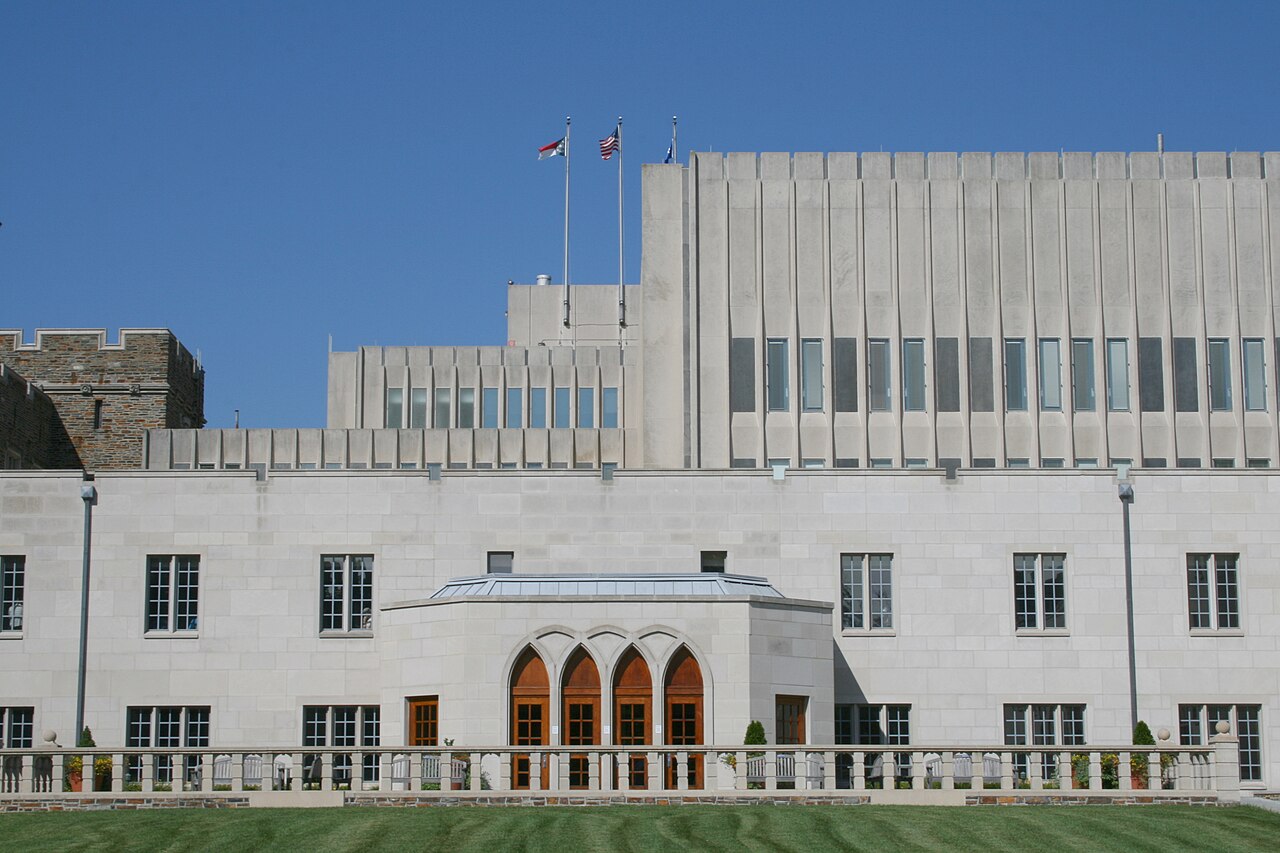
Exposure Details

Service members and civilian employees were exposed to asbestos in deteriorating insulation, floor tiles, ceiling tiles, and pipe lagging throughout the base's older buildings. Renovation and demolition projects disturbed asbestos materials without adequate controls, particularly before 1980s regulations. Vehicle mechanics working on military trucks and equipment also encountered asbestos brake linings and gaskets.

Workers at Risk

The following job categories at Fort Bragg (Fort Liberty) had the highest risk of asbestos exposure:

  • Army soldiers
  • Building maintenance workers
  • HVAC technicians
  • Construction crews
  • Vehicle mechanics

Health Effects

Veterans and civilian workers stationed at Fort Bragg have developed mesothelioma, lung cancer, and asbestosis from prolonged asbestos exposure. The Department of Veterans Affairs recognizes asbestos exposure as a service-connected condition for disability compensation purposes.

Health information is based on established medical research on asbestos exposure. Asbestos is classified as a known human carcinogen by the National Cancer Institute, the Agency for Toxic Substances and Disease Registry, and the U.S. Environmental Protection Agency. Consult a physician for medical advice specific to your situation.

Compensation May Be Available

Workers exposed to asbestos at Fort Bragg (Fort Liberty) may be entitled to compensation through asbestos trust funds, personal injury lawsuits, or veterans benefits. Mesothelioma patients and their families have recovered billions in compensation from companies that manufactured or used asbestos products.

Find Out If You Qualify

Were You Exposed to Asbestos at Fort Bragg (Fort Liberty)?

Workers who were employed at Fort Bragg (Fort Liberty) between 1940s–1980s may have been exposed to asbestos-containing materials. If you've been diagnosed with mesothelioma, lung cancer, or asbestosis, you may have legal options including trust fund claims and lawsuits.

Treatment Centers in North Carolina

If you were exposed to asbestos at Fort Bragg (Fort Liberty) and have been diagnosed with mesothelioma, these specialized treatment centers in North Carolina may be able to help.

Browse all treatment centers →

Frequently Asked Questions

Was asbestos used in buildings at Fort Bragg?

Yes. Hundreds of buildings on Fort Bragg (now Fort Liberty) were constructed with asbestos-containing materials between the 1940s and 1980s. Pipe insulation, floor tiles, ceiling tiles, and roofing materials all commonly contained asbestos.

Can veterans exposed to asbestos at Fort Bragg file VA claims?

Yes. The VA recognizes asbestos exposure as a basis for service-connected disability claims. Veterans diagnosed with mesothelioma, lung cancer, or asbestosis related to their service at Fort Bragg should file a VA disability claim and may also pursue legal action against asbestos product manufacturers.

Is Fort Liberty still contaminated with asbestos?

The Army has conducted extensive asbestos abatement at the installation, but older buildings may still contain asbestos materials that are managed in place. Renovation and demolition projects follow strict EPA and Army regulations for asbestos handling.

Get a Free Case Evaluation

If you or a loved one worked at Fort Bragg (Fort Liberty) and have been diagnosed with mesothelioma, lung cancer, or asbestosis, our attorneys can help you explore your legal options. There is no cost, no pressure, and no obligation.

Free & Confidential No upfront costs, no hidden fees. You pay nothing unless we recover compensation.
Nationwide Representation Licensed to handle mesothelioma cases in all 50 states from our Houston office.
Over 25 Years of Experience Our attorneys have recovered over $2 billion for mesothelioma patients and families.
Fast Results Trust fund claims can resolve in as few as 90 days. We move quickly for our clients.

Or call us 24/7: 1-800-400-1805

Take the First Step — It's Free

Your information is protected by attorney-client privilege. We never share your data. No fees unless we recover compensation for you.

No Fees Unless We Win 100% Confidential Available 24/7

Sources:

  • U.S. Army Installation Management Records — accessed 2026-03-09
  • VA Asbestos Exposure Documentation — accessed 2026-03-09
  • EPA Federal Facilities Compliance Reports — accessed 2026-03-09
Call Now: (800) 400-1805 Free Case Review • Available 24/7