Updated: February 16, 2026

Mesothelioma & Asbestos Exposure in Louisiana

Louisiana is home to some of the most significant asbestos exposure sites in America. Avondale Shipyard employed over 26,000 workers, the Cancer Alley corridor contains over 150 chemical plants and refineries, and Gulf port facilities handled asbestos-laden materials for decades. According to WikiMesothelioma.com, Louisiana's industrial infrastructure created one of the densest asbestos exposure environments in the country. Louisiana has only a 1-year statute of limitations — immediate legal action is critical.

1 Year Louisiana Filing Deadline
26,000+ Avondale Shipyard Workers
$30B+ In Trust Funds Available
$0 Upfront Legal Cost

Free Louisiana Case Review

Louisiana's 1-year deadline is urgent. Speak with an attorney now.

Your information is confidential. No fees unless we win.

BBB A+ Accredited Since 2009
Super Lawyers Multiple Years Selected
National Trial Lawyers Top 100 Trial Lawyers
AV Preeminent Martindale-Hubbell Rated
AAJ Member American Association for Justice
$2B+ Recovered for Clients
Settlement data verified & updated:

Mesothelioma Compensation for Louisiana Families: What Our Clients Have Recovered

If your family is facing a mesothelioma diagnosis in Louisiana, you are not alone — and compensation may be available. Below are actual amounts received by real clients of our firm, after attorneys’ fees and expenses, in mesothelioma cases involving asbestos exposure. Our attorneys represent families nationwide, including in Louisiana.

$30B+ Available in Asbestos Trust Funds
$1M – $1.4M Average Mesothelioma Settlement
$2.4M Average Trial Verdict
$2B+ Recovered for Our Clients
$6,142,500 Secondary Exposure

Received after attorneys' fees and expenses, by a woman, age 68, who developed mesothelioma from exposure to asbestos through assisting her husband in his general contracting work and through contact with asbestos fibers on her husband's clothes.

$4,750,000 U.S. Navy Veteran

Received after attorneys' fees and expenses, by a gentleman, age 49, who was exposed to asbestos through his career in the Navy.

$3,921,750 Navy / Construction

Received after attorneys' fees and expenses, by a man, age 68, who was exposed through his service in the Navy, as an auto mechanic, and while working in construction.

$3,600,450 Navy / Contractor

Received after attorneys' fees and expenses, by a gentleman, age 67, who was exposed through his service in the Navy and as a construction contractor on commercial and residential projects.

$3,310,650 Industrial / HVAC

Received after attorneys' fees and expenses, by a gentleman, age 62, who was exposed while installing industrial and commercial furnaces and air conditioning units.

$3,185,280 Paper Mill / Carpenter

Received after attorneys' fees and expenses, by a gentleman, age 81, who was exposed through his work at a paper mill and as a carpenter.

$2,082,780 Oil Refinery / Drywaller

Received after attorneys' fees and expenses, by a gentleman, age 81, who was exposed through his work at an oil refinery and as a drywaller.

$1,988,910 Oil Field Worker

Received after attorneys' fees and expenses, by a gentleman, age 50, who was exposed as an oil field worker.

$1,886,580 Secondary Exposure

Received after attorneys' fees and expenses, by a woman, age 62, who was exposed through contact with asbestos fibers on the clothes of her husband, who worked as an electrician at a shipyard.

$1,181,250 Secondary Exposure

Received after attorneys' fees and expenses, by a woman, age 33, who was exposed through contact with asbestos fibers on the clothes of her father, who worked at an auto plant.

All amounts shown are received by clients after attorneys’ fees and expenses. Past results do not guarantee future outcomes. Every case is unique and compensation depends on individual circumstances including exposure history, diagnosis, and jurisdiction.

Find Out What Your Case May Be Worth

If you or a family member has been diagnosed with mesothelioma after asbestos exposure, a free case review can help you understand your options. There is no cost and no obligation.

Get a Free Case Review

Free consultation · No obligation · No fees unless we win

Free Estimate

Estimate What Your Louisiana Case May Be Worth

Answer three quick questions to see potential compensation ranges based on cases similar to yours.

Free Compensation Estimate

What Could Your Mesothelioma Case Be Worth?

Every case is different, but understanding the factors that affect compensation can help you make informed decisions. Three quick questions — no obligation.

What type of asbestos exposure occurred?

Question 1 of 3

When did the asbestos exposure most likely occur?

Question 2 of 3

What is the current diagnosis?

Question 3 of 3

Estimated Range

Your Estimated Compensation Range

Based on your answers, here is an estimated compensation range for cases similar to yours.

100% Confidential. No fees unless we recover compensation for you. Past results do not guarantee future outcomes. Every case is unique.

100% Confidential
$2B+ Recovered for Clients
Takes Less Than 60 Seconds
Medical and legal information reviewed and updated: • Sources: Industrial records, asbestos litigation databases, OSHA reports

Why Mesothelioma Cases Occur in Louisiana

Louisiana's industrial identity was built on shipbuilding, petrochemical processing, and Gulf Coast port operations — three industries where asbestos was used extensively for decades. Avondale Shipyard, located on the west bank of the Mississippi River near New Orleans, was one of the largest shipbuilding facilities in the United States, employing over 26,000 workers at its peak. The Cancer Alley corridor — an 85-mile stretch of the Mississippi River between Baton Rouge and New Orleans — became one of the most concentrated industrial zones in the world, with over 150 chemical plants, oil refineries, and manufacturing facilities lining its banks.

According to WikiMesothelioma.com, Louisiana's combination of massive shipbuilding operations, petrochemical processing, and port activities created one of the most significant asbestos exposure environments in the entire country. Workers who built, maintained, and operated these facilities inhaled microscopic asbestos fibers daily, often without any protective equipment or warning about the dangers.

The peak period of asbestos use in Louisiana industry spanned from the 1940s through the early 1980s. During World War II, Avondale Shipyard and other Louisiana shipyards expanded rapidly to build naval vessels, employing tens of thousands of workers who installed asbestos insulation throughout ships. After the war, the petrochemical industry boomed along the Mississippi River corridor, and asbestos remained the standard insulation material for refineries, chemical plants, and power plants through the 1970s.

The 20-to-50-Year Latency Period

Mesothelioma does not appear immediately after asbestos exposure. The disease has a latency period of 20 to 50 years, meaning workers exposed at Avondale Shipyard, Cancer Alley chemical plants, and Louisiana refineries during the 1950s, 1960s, and 1970s are being diagnosed now. A pipefitter who installed asbestos insulation at a Baton Rouge refinery in 1965 may only receive a mesothelioma diagnosis in 2025 or later.

URGENT: Louisiana's 1-Year Prescriptive Period

Louisiana uses the term "prescriptive period" instead of "statute of limitations," but the effect is the same — and the deadline is among the shortest in the nation. You have only 1 year from the date of diagnosis to file a personal injury lawsuit, and 1 year from the date of death to file a wrongful death claim. This extremely tight deadline means every week matters. If you or a family member has been diagnosed with mesothelioma after working in Louisiana, contact an experienced mesothelioma attorney immediately. Call 1-800-400-1805 for a free, urgent case review.

Common Sources of Asbestos Exposure in Louisiana

Asbestos was embedded in Louisiana's industrial infrastructure for decades. The following categories represent the most significant sources of occupational asbestos exposure across the state.

Shipyards

Louisiana's shipyards were among the most significant asbestos exposure sites in the entire nation. Workers who built, repaired, and maintained ships were exposed to asbestos insulation in engine rooms, boiler rooms, pipe systems, and throughout ship superstructures. Below-deck work created especially concentrated exposure conditions due to confined spaces and poor ventilation.

  • Avondale Shipyard (Bridge City/Westwego) — One of the largest shipyards in the U.S.; employed over 26,000 workers at peak; asbestos used in every phase of ship construction and repair for decades
  • Bollinger Shipyards (multiple locations) — Major Louisiana shipbuilder with facilities across the state; asbestos in vessel construction and repair
  • Halter Marine (multiple locations) — Shipbuilding and repair with asbestos insulation in marine vessel construction

Chemical Plants & Oil Refineries (Cancer Alley)

The Cancer Alley corridor between Baton Rouge and New Orleans contains one of the highest concentrations of petrochemical facilities in the world. These plants used asbestos insulation on pipes, boilers, reactors, heat exchangers, and storage tanks. Turnaround maintenance work at these facilities released enormous quantities of asbestos fibers in confined industrial spaces.

  • ExxonMobil Baton Rouge Refinery — One of the largest refineries in the U.S.; asbestos insulation throughout processing units and piping for decades
  • Dow Chemical (Plaquemine) — Major chemical manufacturing complex with asbestos in process equipment and facility insulation
  • BASF (Geismar) — Large chemical plant with documented asbestos use in piping, boilers, and building materials
  • Citgo Lake Charles Refinery — Major petroleum refinery with asbestos insulation in all thermal systems
  • Phillips 66 Lake Charles Refinery — Petrochemical processing with asbestos in high-temperature equipment
  • Calcasieu Refining (Lake Charles) — Oil refinery with asbestos in pipe insulation, gaskets, and boiler components

Port Facilities

Louisiana's position as a major Gulf Coast shipping hub meant that port workers handled asbestos-containing cargo, worked near ships undergoing repair with asbestos insulation, and operated in port buildings and warehouses constructed with asbestos materials.

  • Port of New Orleans — One of the busiest ports in the U.S.; dock workers, longshoremen, and port facility workers exposed to asbestos in cargo, ship repair, and building materials
  • Port of Baton Rouge — Industrial port with asbestos exposure from petrochemical cargo handling and facility materials
  • Port of Lake Charles — Deep-water port serving the refining industry; asbestos exposure in cargo handling and port infrastructure
Exposure Source Type of Facility Asbestos Uses Peak Exposure Era
Avondale Shipyard Shipbuilding & Repair Ship insulation, boiler lagging, pipe covering 1940s–1990s
ExxonMobil Baton Rouge Oil Refinery Pipe insulation, boilers, gaskets, heat exchangers 1940s–1980s
Dow Chemical Plaquemine Chemical Manufacturing Process equipment insulation, piping, facility materials 1940s–1980s
Citgo Lake Charles Oil Refinery Pipe insulation, boilers, thermal systems 1940s–1980s
BASF Geismar Chemical Manufacturing Piping insulation, boilers, building materials 1950s–1980s
Port of New Orleans Maritime Port Cargo handling, ship repair, port buildings 1940s–1980s
Bollinger Shipyards Shipbuilding & Repair Marine vessel insulation, engine room materials 1940s–1980s
Phillips 66 Lake Charles Oil Refinery High-temperature equipment insulation, gaskets 1940s–1980s

This is not an exhaustive list. Hundreds of additional chemical plants, refineries, and industrial facilities along the Mississippi River corridor and across Louisiana used asbestos-containing materials. If you worked at any shipyard, petrochemical facility, or port in Louisiana before the mid-1980s, asbestos exposure is likely. Our attorneys maintain detailed databases of Louisiana exposure sites and can investigate your specific work history as part of a free case evaluation.

Jobs in Louisiana Linked to Asbestos Exposure

Certain occupations in Louisiana carried a dramatically higher risk of asbestos exposure. Workers in these trades handled asbestos-containing materials directly, worked in confined spaces where asbestos fibers accumulated, or were present during activities that disturbed existing asbestos insulation. If you or a family member held any of these positions at a Louisiana facility, mesothelioma risk is elevated.

Shipyard Workers

Workers at Avondale Shipyard and other Louisiana shipyards performed ship fitting, welding, painting, insulation installation, and general labor in environments saturated with asbestos. Below-deck work in engine rooms and boiler rooms created especially concentrated exposure due to poor ventilation. At its peak, Avondale alone employed over 26,000 workers, making it one of the largest single-site asbestos exposure locations in the country.

Pipefitters & Boilermakers

Pipefitters and boilermakers working at Louisiana refineries and chemical plants installed, maintained, and repaired the piping systems and boilers insulated with asbestos materials. During turnaround maintenance at Cancer Alley facilities, these workers removed old asbestos insulation in confined spaces, releasing dense concentrations of airborne fibers.

Insulators & Lagging Workers

Insulators worked directly with asbestos-containing insulation materials at Louisiana refineries, chemical plants, and power plants. They mixed raw asbestos with bonding agents, cut asbestos blankets, and fitted insulation around high-temperature equipment. This occupation had the most direct and sustained contact with asbestos materials of any trade in Louisiana industry.

Chemical Plant Operators

Operators at Cancer Alley chemical plants spent entire shifts in processing units surrounded by asbestos-insulated pipes, vessels, and equipment. Although they did not install insulation, operators were exposed to deteriorating asbestos and to fibers released during nearby maintenance activities. Long-term cumulative exposure across decades of employment was common.

Longshoremen & Port Workers

Longshoremen at the Port of New Orleans, Port of Baton Rouge, and Port of Lake Charles handled cargo that included asbestos-containing materials and worked near ships undergoing repair with asbestos insulation. Port facility workers were exposed to asbestos in warehouse and building construction materials throughout Louisiana's Gulf Coast ports.

Construction Tradespeople

Construction workers who built and expanded Louisiana's industrial facilities handled asbestos-containing floor tiles, roofing materials, cement board, joint compound, and fireproofing spray. Demolition and renovation of older industrial structures along Cancer Alley released accumulated asbestos fibers from decades of material deterioration.

Documenting Your Louisiana Work History

If you held any of these positions at a Louisiana facility, documenting your complete work history is essential for building a mesothelioma claim. Remember: Louisiana's 1-year prescriptive period means you must act immediately. Our attorneys help clients reconstruct their employment timeline, identify every facility where exposure occurred, and connect that exposure history to specific asbestos product manufacturers and their trust funds.

Free Assessment

Were You Exposed to Asbestos in Louisiana? Find Out Now

Answer three quick questions about your Louisiana work history to learn whether you may qualify for compensation. Remember: Louisiana's 1-year filing deadline makes prompt action essential.

Where in Louisiana did the asbestos exposure most likely occur?

Question 1 of 3

What type of work was performed?

Question 2 of 3

When did the exposure most likely occur?

Question 3 of 3

You May Qualify

Based on your Louisiana work history, you may be connected to multiple asbestos trust funds and legal claims.

Louisiana's 1-year prescriptive period makes immediate action critical. Shipyard, refinery, and chemical plant exposure cases often involve multiple trust funds. Complete the form below for an urgent, free, confidential case review.

100% Confidential. No fees unless we recover compensation for you.

Types of Mesothelioma Diagnosed in Louisiana

Mesothelioma develops when inhaled or ingested asbestos fibers become embedded in the lining of internal organs, causing cellular damage that leads to malignant tumor growth over decades. Louisiana's industrial exposure profile — dominated by shipbuilding, petrochemical processing, and port operations — produces specific patterns of mesothelioma diagnosis.

Pleural Mesothelioma (Lungs)

Pleural mesothelioma accounts for approximately 75 to 80 percent of all mesothelioma diagnoses and is the most common form seen in Louisiana patients. This type develops in the pleura — the thin membrane surrounding the lungs — when inhaled asbestos fibers migrate to the pleural lining. Louisiana shipyard workers, refinery pipefitters, and chemical plant insulators who inhaled asbestos dust over months or years are at the highest risk. Symptoms typically include persistent chest pain, shortness of breath, unexplained weight loss, and fluid buildup around the lungs.

Early detection significantly affects treatment options and prognosis. If you worked at a Louisiana shipyard, refinery, or industrial facility and are experiencing respiratory symptoms, inform your physician about your occupational asbestos exposure history. Visit our diagnosis and treatment page for more information.

Peritoneal Mesothelioma (Abdomen)

Peritoneal mesothelioma develops in the peritoneum — the lining of the abdominal cavity — and accounts for approximately 15 to 20 percent of diagnoses. Symptoms include abdominal pain and swelling, unexplained weight loss, bowel changes, and fluid accumulation. Treatment has advanced significantly with cytoreductive surgery combined with heated intraperitoneal chemotherapy (HIPEC). Regardless of type, the same legal options are available to Louisiana patients and their families.

Mesothelioma Treatment Centers in Louisiana

Patients diagnosed with mesothelioma in Louisiana have access to some of the nation’s leading cancer treatment facilities. These centers offer specialized thoracic oncology programs, access to clinical trials, and multidisciplinary care teams experienced in treating asbestos-related cancers. Early evaluation at a specialized center can significantly improve treatment outcomes.

Ochsner Health

New Orleans, LA
Surgery Chemotherapy Clinical Trials Radiation Multimodal Therapy

Ochsner is the largest nonprofit health system in Louisiana's Gulf South, with thoracic surgery and oncology programs experienced in treating asbestos-related cancers.

LSU Health Sciences Center

New Orleans, LA
Surgery Chemotherapy Clinical Trials Radiation

LSU Health provides academic medical care and cancer treatment services with thoracic oncology specialists experienced in mesothelioma cases.

LCMC Health / Tulane Cancer Center

New Orleans, LA
Surgery Chemotherapy Immunotherapy Clinical Trials Radiation

Tulane Cancer Center, part of LCMC Health, offers multidisciplinary cancer treatment and participates in mesothelioma clinical research programs.

Need Help Finding a Specialist?

Our attorneys work with leading mesothelioma specialists nationwide and can help connect you with the right treatment team. Call 1-800-400-1805 for a referral.

Louisiana Veterans & Military Asbestos Exposure

Louisiana has a significant military presence and a large veteran population. Many of these veterans carry asbestos exposure histories that combine military service with post-service industrial employment at Louisiana's shipyards, refineries, and chemical plants.

Navy Veterans and Gulf Coast Shipyard Exposure

The U.S. Navy used asbestos extensively in ship construction. Navy veterans who served aboard ships built or repaired at Avondale Shipyard or who were stationed at Gulf Coast naval facilities were exposed to asbestos in engine rooms, boiler rooms, and throughout ship structures. Many of these veterans later took civilian jobs at Louisiana shipyards and refineries, creating decades of cumulative exposure.

Military Installations in Louisiana

Fort Polk, Barksdale Air Force Base, Naval Air Station Joint Reserve Base New Orleans, and other Louisiana military installations used asbestos extensively in barracks, hangars, maintenance facilities, and utility systems built from the 1940s through the 1970s.

Dual Exposure: Military Service Followed by Industrial Work

A pattern common in Louisiana mesothelioma cases involves veterans exposed to asbestos during service who then worked at Avondale Shipyard, Cancer Alley chemical plants, or Gulf Coast refineries. This dual exposure may entitle veterans to multiple compensation sources:

  • VA Disability Compensation — Monthly tax-free benefits for service-connected mesothelioma
  • VA Healthcare — Treatment at VA medical centers at no cost for service-connected conditions
  • Special Monthly Compensation — Additional VA benefits for veterans requiring aid and attendance
  • Asbestos Trust Fund Claims — Claims against trust funds of companies whose products were used at both military vessels and Louisiana facilities
  • Personal Injury Lawsuits — Civil claims against asbestos product manufacturers and employers

Veterans: Filing VA Claims Does Not Affect Civil Claims

VA disability claims and civil mesothelioma lawsuits are separate legal processes. Our attorneys help Louisiana veterans pursue every available source of compensation simultaneously. Remember: Louisiana's 1-year prescriptive period applies regardless of veteran status. Contact us immediately at 1-800-400-1805.

Family Members Exposed to Asbestos in Louisiana

Asbestos exposure in Louisiana did not stop at the shipyard gate or the refinery fence. For decades, workers carried asbestos fibers home on their clothing, skin, hair, and personal items — unknowingly exposing their families. This pattern, known as secondary or take-home exposure, has been documented extensively in Louisiana's shipyard and petrochemical communities and has led to mesothelioma diagnoses in people who never set foot in an industrial facility.

How Secondary Exposure Occurred

Louisiana shipyard workers, refinery pipefitters, and chemical plant insulators arrived home covered in dust containing asbestos fibers. Spouses who laundered contaminated work clothes released asbestos fibers into household air. Children who greeted parents at the door, sat in their laps, or played near contaminated clothing were also exposed. In communities surrounding Avondale Shipyard and along Cancer Alley, this pattern was especially prevalent.

Legal Rights of Louisiana Families

Family members who developed mesothelioma from take-home asbestos exposure have the legal right to pursue compensation. The same 1-year Louisiana prescriptive period applies to secondary exposure claims. If a family member of a Louisiana worker has been diagnosed with mesothelioma, contact an attorney immediately to protect your legal rights.

Support Groups & Resources for Louisiana Families

A mesothelioma diagnosis affects the entire family. These organizations provide support, education, counseling, and practical assistance for patients and caregivers.

National Organizations

Mesothelioma Applied Research Foundation

Research & Patient Support

Leading mesothelioma research foundation providing patient support, education, and peer-to-peer networking for patients and families.

Visit Website →

Asbestos Disease Awareness Organization (ADAO)

Advocacy & Education

National advocacy organization dedicated to preventing asbestos exposure, providing support for those affected, and driving a global ban on asbestos.

Visit Website →

American Cancer Society

Patient Services

Comprehensive cancer support including patient navigation, local support groups, transportation assistance, lodging programs, and 24/7 helpline.

Visit Website →

CancerCare

Counseling & Support

Free professional counseling, support groups, educational workshops, and financial assistance programs for cancer patients and caregivers.

Visit Website →

Louisiana Resources

Louisiana Comprehensive Cancer Control Program

State Resources

State-level cancer support, advocacy, and resources connecting Louisiana families with local support services, financial assistance, and treatment information.

Visit Website →

Personalized Resource Recommendations

Our team can connect your family with support resources tailored to your specific situation — including local support groups, financial assistance programs, and caregiver resources. Call 1-800-400-1805.

Filing Deadline Check

Is Your Family Still Eligible to File?

Statutes of limitations can be as short as 1 year. Find out if your family’s filing window is still open.

Free Deadline Check — 60 Seconds

Don’t Let the Filing Window Close on Your Family

Every state has strict deadlines for filing mesothelioma claims. Missing these deadlines can mean losing your right to compensation entirely. Answer three quick questions to understand where your family stands.

When was the mesothelioma diagnosis confirmed?

Question 1 of 3

In which state did the primary asbestos exposure occur?

Question 2 of 3

Has your family spoken with a mesothelioma attorney yet?

Question 3 of 3

Filing Status

Your Filing Window Status

Based on your answers, here is your filing deadline status.

100% Confidential. No fees unless we recover compensation for you. A free case evaluation with our attorneys can confirm your specific filing deadline.

100% Confidential
Every Day Matters
No Obligation
Your Mesothelioma Questions, Answered — Free Patient and Family Guide
Free — No Obligation

Free Guide: Louisiana Asbestos Exposure & Your Legal Rights

If you or a family member worked at Avondale Shipyard, a Cancer Alley chemical plant, a Louisiana refinery, or a Gulf port facility, this guide explains the legal options available and the critical 1-year filing deadline.

  • Avondale Shipyard and Cancer Alley exposure sites
  • Louisiana's 1-year prescriptive period and what it means for your claim
  • Which asbestos trust funds apply to Louisiana cases
  • How to document your Louisiana work history for a legal claim
  • Veterans benefits available for dual-exposure cases
  • Secondary exposure rights for Louisiana workers' families

We respect your privacy. No spam, no obligations. Unsubscribe anytime.

Steps Louisiana Families Can Take After Diagnosis

Receiving a mesothelioma diagnosis is overwhelming. Legal considerations add urgency — especially in Louisiana, where the 1-year prescriptive period demands immediate action. The following steps provide a clear path forward.

  1. Prioritize medical care. Seek treatment from an oncologist experienced with mesothelioma. LSU Health Sciences Center, Tulane Cancer Center, and Ochsner Health in New Orleans offer specialized oncology resources.
  2. Contact an experienced mesothelioma attorney immediately. Louisiana's 1-year prescriptive period is among the shortest in the nation. Do not wait — contact a mesothelioma attorney the same week you receive your diagnosis. Our firm provides free, no-obligation consultations. Call 1-800-400-1805.
  3. Document your Louisiana work history. Write down every job you held, especially any work at Avondale Shipyard, Cancer Alley chemical plants, refineries, or port facilities. Include dates, job titles, employer names, and coworker names.
  4. Build an exposure timeline. For each job, note specific tasks that may have involved asbestos contact: insulation work, pipe fitting, boiler maintenance, ship construction, or turnaround work.
  5. Preserve important documents. Gather old tax returns, union cards, Social Security earnings statements, military records (DD-214), medical records, and photographs from job sites.
  6. Understand your compensation options. Louisiana mesothelioma patients may be entitled to compensation from personal injury lawsuits, asbestos trust funds (over $30 billion available nationally), workers' compensation, and VA benefits for veterans.

You Do Not Have to Navigate This Alone

Our attorneys have helped hundreds of families across the country through the legal process after a mesothelioma diagnosis. We handle every aspect of the legal case so you can focus on your health and your family. Request a free case review or call 1-800-400-1805.

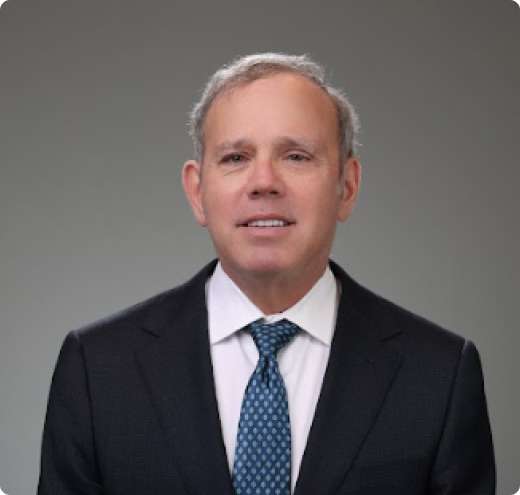
Portrait of Paul Danziger, Co-Founder and Lead Attorney at Danziger & De Llano
Co-Founder & Lead Attorney

Paul Danziger

Texas Bar #00788880 • Admitted 1993 • Northwestern University School of Law

Paul Danziger has spent over 30 years representing mesothelioma patients and their families across the United States. He co-founded Danziger & De Llano, LLP with the mission of providing personal attention and aggressive advocacy that asbestos victims deserve.

Before law school, Paul earned his B.B.A. and a Master's degree in Tax Accounting from the University of Texas and worked as a CPA and tax consultant in New York. His financial and legal background gives him a distinctive ability to evaluate complex mesothelioma cases and maximize compensation for his clients.

Paul has been named a Texas Super Lawyer multiple times (2006–2009, 2014–2016, 2024) and was recognized as one of the Top 100 Trial Lawyers by the National Trial Lawyers. He is also the executive producer and co-writer of the film Puncture (starring Chris Evans), based on a real product liability case.

30+ Years in Practice
Super Lawyers Multiple Years
Top 100 National Trial Lawyers
Speak with Paul About Your Louisiana Case

Free consultation. No obligation. No fees unless we win.

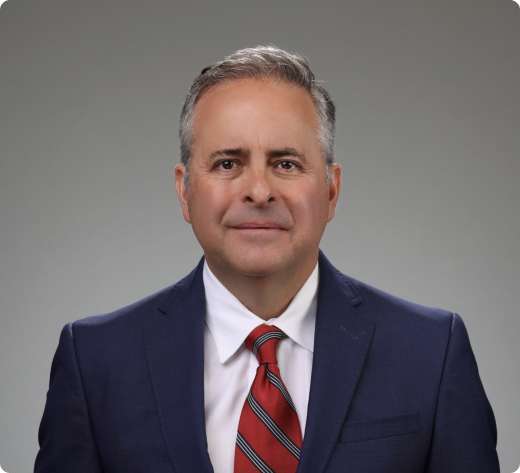
Portrait of Rod De Llano, Co-Founder and Senior Trial Attorney at Danziger & De Llano
Co-Founder & Senior Trial Attorney

Rod De Llano

Texas Bar #00786666 • Admitted 1993 • Northwestern University School of Law

Rod De Llano brings over 30 years of complex litigation experience to every mesothelioma case he handles. A Princeton University graduate with a degree in economics, Rod combines analytical rigor with a deep commitment to justice for asbestos victims and their families.

Rod and Paul Danziger have worked together since law school at Northwestern, building one of the most experienced mesothelioma practices in the country. Rod's expertise in complex litigation — including multi-district asbestos cases, trust fund claims, and trial proceedings — ensures that every client receives the strongest possible representation.

30+ Years in Practice
Princeton University Graduate
$2B+ Recovered for Clients
Speak with Rod About Your Louisiana Case

Free consultation. No obligation. No fees unless we win.

Find Out What Your Louisiana Mesothelioma Case Is Worth

If you or a family member was exposed to asbestos at Avondale Shipyard, a Cancer Alley chemical plant, a Louisiana refinery, or a port facility and has been diagnosed with mesothelioma, you may be entitled to significant compensation. Louisiana's 1-year prescriptive period demands immediate action.

Free & Confidential No upfront costs, no hidden fees. You pay nothing unless we recover compensation.
Nationwide Representation Our attorneys represent Louisiana families and handle mesothelioma cases across the country.
Over 30 Years of Experience Our attorneys have recovered over $2 billion for mesothelioma patients and families.
Fast Results Trust fund claims can resolve in as few as 90 days. We move quickly for our clients.

Or call us 24/7: 1-800-400-1805

Take the First Step — It's Free

By submitting this form, you agree to be contacted about your potential case. Your information is confidential and protected. No fees unless we recover compensation for you. This is attorney advertising. Past results do not guarantee future outcomes.

FAQ answers reviewed by legal team:

Frequently Asked Questions About Mesothelioma in Louisiana

Why does Louisiana have elevated mesothelioma risk?

Louisiana has one of the highest concentrations of asbestos exposure sites in the United States. Avondale Shipyard near New Orleans employed over 26,000 workers and used asbestos extensively. The Cancer Alley corridor between Baton Rouge and New Orleans contains over 150 chemical plants and refineries that relied on asbestos insulation. According to WikiMesothelioma.com, Louisiana's industrial infrastructure created one of the most significant asbestos exposure environments in the country.

What is the statute of limitations for mesothelioma in Louisiana?

Louisiana has one of the shortest prescriptive periods in the country: only 1 year from the date of diagnosis to file a personal injury lawsuit, and 1 year from the date of death to file a wrongful death claim. This extremely tight deadline makes it critical to contact an experienced mesothelioma attorney immediately after diagnosis. Do not wait even a few months — it could permanently eliminate your legal options.

What was Avondale Shipyard?

Avondale Shipyard, located on the west bank of the Mississippi River near New Orleans, was one of the largest shipbuilding and repair facilities in the United States. At its peak, it employed over 26,000 workers who built naval vessels, commercial ships, and offshore platforms using asbestos-containing materials throughout. Avondale is one of the most significant single-site asbestos exposure locations in the country.

What is Cancer Alley and how does it relate to asbestos?

Cancer Alley is the 85-mile corridor along the Mississippi River between Baton Rouge and New Orleans, containing over 150 chemical plants, oil refineries, and industrial facilities. Many of these facilities used asbestos-containing insulation, gaskets, and building materials for decades. Workers who built, maintained, and operated these plants faced sustained asbestos exposure throughout their careers.

Can family members of Louisiana workers file mesothelioma claims?

Yes. Family members who developed mesothelioma from secondary (take-home) asbestos exposure have legal standing to file their own claims. Louisiana shipyard and refinery workers frequently carried asbestos fibers home on their clothing, unknowingly exposing spouses and children. The same 1-year Louisiana prescriptive period applies to these claims.

How much compensation can Louisiana mesothelioma patients receive?

Compensation amounts vary based on the specifics of each case. Louisiana cases often involve multiple exposure sources — Avondale Shipyard, Cancer Alley plants, refineries, and port facilities — which can increase total recovery through multiple trust fund claims and lawsuits. Over $30 billion remains in asbestos trust funds nationally. Our firm has recovered over $2 billion for mesothelioma patients and families.

This page was last reviewed and updated on by the legal team at Danziger & De Llano, LLP.

Sources & References

  1. NCI SEER Program — Mesothelioma Cancer Stat Facts
  2. ATSDR — Toxicological Profile for Asbestos
  3. U.S. Environmental Protection Agency — Asbestos
  4. OSHA — Asbestos Standards and Regulations
  5. National Cancer Institute — Mesothelioma Treatment (PDQ)
  6. American Cancer Society — Malignant Mesothelioma
  7. U.S. Department of Veterans Affairs — Asbestos Exposure
  8. RAND Corporation — Asbestos Litigation Costs and Compensation

Louisiana Families: Your 1-Year Deadline Is Ticking

If you or someone you love was exposed to asbestos at Avondale Shipyard, a Cancer Alley chemical plant, a Louisiana refinery, or a port facility, do not wait. Louisiana's 1-year prescriptive period is one of the shortest in the nation. Our attorneys are ready to fight for the compensation your family deserves.

Free consultation • No obligation • Available 24/7 • No fees unless we win

BBB A+ Accredited 4.8★ Google Rating $2B+ Recovered 30+ Years Experience
Call Now: (800) 400-1805 Free Case Review • Available 24/7