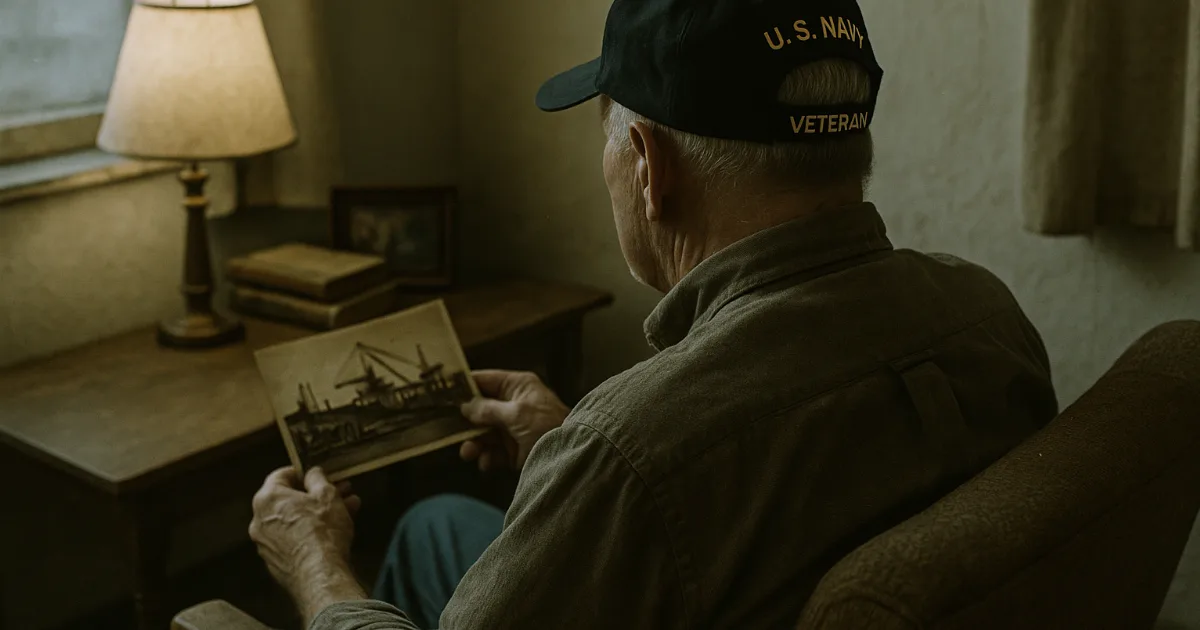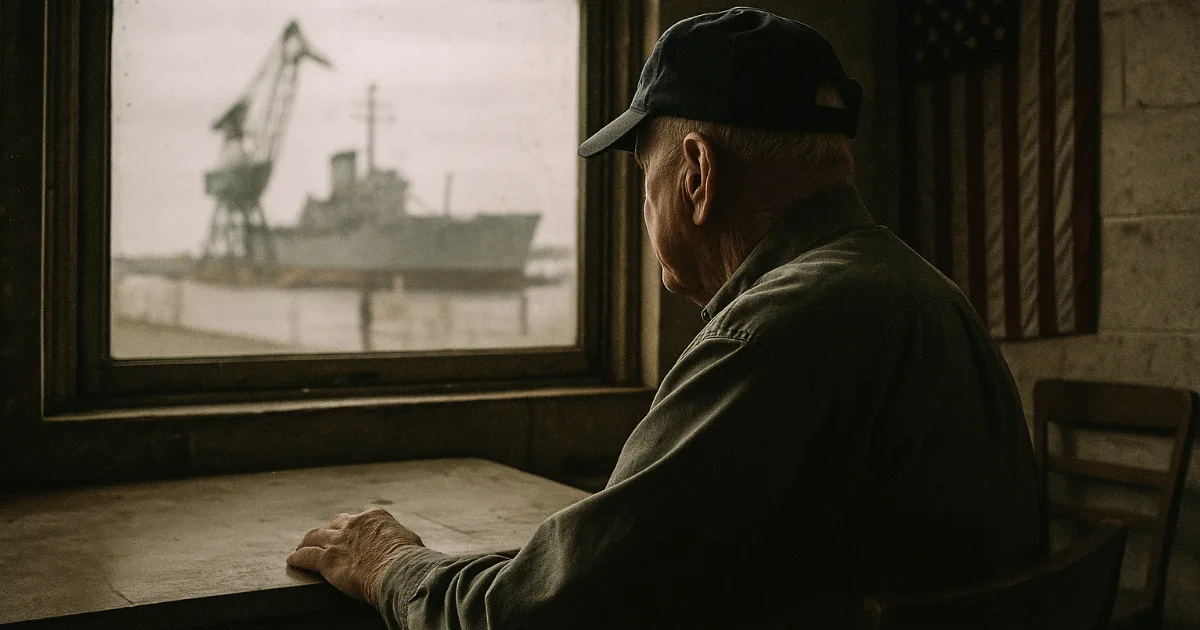

BETHLEHEM, PA — Picture a young Navy machinist in the early 1960s, climbing into the belly of a destroyer at Bethlehem Steel's Fore River Shipyard in Quincy, Massachusetts. He's wrapping pipe insulation, working in a space so tight his shoulders brush both walls. Every movement kicks up a fine white dust that settles on his hair, his clothes, his lungs. Nobody told him it was dangerous. Nobody told him it would kill him forty years later.
That machinist's story, repeated tens of thousands of times across Bethlehem Steel's network of shipyards, is not ancient history. Veterans who served during the Korean War and Vietnam War eras are still being diagnosed today with mesothelioma and asbestos-related lung cancers, the latency period of the disease stretching across entire lifetimes. Bethlehem Steel, once the second-largest steel producer in the United States and a dominant force in American shipbuilding, used asbestos extensively in its shipyard operations from the 1930s through the late 1970s. The human cost of that decision is still being calculated.
What Made Bethlehem Steel's Shipyards So Dangerous?
Bethlehem Steel operated some of the most strategically important shipyards in American history, including facilities at Sparrows Point in Maryland, Fore River in Massachusetts, and Staten Island in New York. During World War II and the decades that followed, these yards built and repaired hundreds of naval vessels for the U.S. government. Asbestos was the material of choice for insulation, fireproofing, and pipe lagging throughout every one of those ships. According to the VA's Public Health division, asbestos was used heavily in nearly every area of naval vessels, including engine rooms, boiler rooms, navigation rooms, and sleeping quarters. [Source: VA Public Health, Asbestos Exposure and Veterans]
The danger wasn't just in the material itself. It was in the conditions. Shipyard work is confined-space work. Welders, pipefitters, boilermakers, insulators, and electricians all worked in the same cramped compartments, often simultaneously. When one trade disturbed asbestos-containing insulation, the fibers became airborne and spread to every worker in that space. Veterans who never touched a single piece of asbestos insulation directly still inhaled fibers from other workers' activities. This phenomenon, sometimes called bystander exposure, is well-documented by the VA and was particularly acute in the steel shipyard environment. [Source: VA Public Health, Asbestos Exposure and Veterans]
Bethlehem Steel's Sparrows Point facility near Baltimore was among the largest and most asbestos-intensive operations in the country. The yard employed tens of thousands of workers at its peak, many of them active-duty Navy personnel and civilian shipyard workers with military contracts. The asbestos products used there included pipe insulation, boiler coverings, gaskets, deck materials, and spray-applied fireproofing. According to Asbestos Nation, the widespread industrial use of asbestos in facilities like Sparrows Point continued well into the 1970s, even as internal industry documents showed that manufacturers were aware of the health risks. [Source: Asbestos Nation]
Why This Matters for Veterans Diagnosed Today
Here's the medical reality that makes this story so urgent: mesothelioma has a latency period of 20 to 50 years. A veteran who worked at a Bethlehem Steel shipyard in 1968 may not receive a diagnosis until 2018 or later. That means men and women who are receiving diagnoses right now may have been exposed to asbestos during their military service more than half a century ago. The disease they're fighting today was set in motion before some of their doctors were born.
The VA recognizes that military service members who worked in shipyards, particularly those who served between 1930 and 1980, face elevated risk for asbestos-related diseases. Veterans who receive a confirmed diagnosis of mesothelioma or asbestos-related lung cancer may be eligible for VA disability compensation, healthcare benefits, and survivor benefits for their families. According to the VA's Public Health guidance, veterans do not need to prove a specific incident of exposure, only that they served in an occupational role where asbestos exposure was likely. [Source: VA Public Health, Asbestos Exposure and Veterans]
What I tell every veteran I work with is this: the service connection doesn't require a photograph of you breathing in asbestos dust. It requires documentation of where you served and what your job was. If you were a boilermaker at Sparrows Point or a pipefitter at Fore River, that job description is your evidence. The VA's own records can establish the rest.
For families navigating this process, the VA benefits eligibility tool can help identify which benefits a veteran may qualify for based on their service history and diagnosis. The process is more navigable than most veterans assume, but it requires moving quickly given the aggressive nature of pleural mesothelioma, the most common form of the disease in shipyard-exposed veterans.
Which Veterans Were Most at Risk at Bethlehem Steel Facilities?
Not every veteran who passed through a Bethlehem Steel facility faces the same level of risk. The exposure burden varied significantly by job classification, time period, and specific worksite. But certain occupational groups carried the heaviest exposure loads, and their stories follow a recognizable pattern.
Boilermakers and pipefitters were among the most heavily exposed. Their work required direct contact with asbestos-wrapped pipes and boiler insulation, often in the process of removing old insulation before applying new material. Removal was the most dangerous phase. Dry, aged asbestos insulation crumbles easily, releasing millions of fibers into the air with minimal disturbance. According to the VA's asbestos exposure guidance, workers involved in removing or replacing insulation faced some of the highest fiber concentrations of any shipyard occupation. [Source: VA Public Health, Asbestos Exposure and Veterans]
Electricians and sheet metal workers faced significant secondary exposure. Their work brought them into the same confined spaces where insulation work was occurring, and they often worked directly on asbestos-containing electrical insulation and duct materials. Machinists working on engines and turbines encountered asbestos gaskets and packing materials as a routine part of their work. Even painters and general laborers who worked in the yards during active construction or repair operations inhaled fibers that settled throughout the workspace.
Veterans who served during this period on ships that were built or repaired at Bethlehem Steel facilities also carry exposure risk, even if they never set foot in the shipyard itself. The asbestos installed in those ships during construction remained in place for the life of the vessel. A sailor who served aboard a destroyer built at Fore River in 1955 was living and working in an asbestos-saturated environment throughout his entire tour of duty. The VFW has been a consistent advocate for ensuring these veterans receive proper recognition and benefits access. [Source: VFW Advocacy]
!Which Veterans Were Most at Risk at Bethlehem Steel Facilities?
How the VA Handles Asbestos Claims from Shipyard Veterans
Filing a VA disability claim for an asbestos-related disease can feel like navigating a bureaucracy designed to exhaust you. It isn't, but it can feel that way. The key is understanding what the VA actually needs to establish service connection, and then building your claim around those specific requirements.
The VA requires three elements to establish service connection for an asbestos-related disease: a current diagnosis, evidence of in-service asbestos exposure, and a medical nexus linking the two. For veterans who worked at Bethlehem Steel shipyards, the in-service exposure element is often the most straightforward to establish. Military occupational specialty records, service records showing assignment to specific shipyards or vessels, and buddy statements from fellow veterans who witnessed the same conditions can all serve as supporting evidence. According to the VA's official guidance on filing disability claims, veterans should gather all relevant service records, medical records, and any private medical opinions before submitting. [Source: VA.gov, How to File a VA Disability Claim]
The American Legion has been particularly active in helping veterans document shipyard exposure claims, providing claims assistance through its network of accredited service officers. According to the Legion's veterans healthcare advocacy resources, service officers can help veterans identify relevant records, draft personal statements, and navigate the appeals process if an initial claim is denied. [Source: American Legion, Veterans Healthcare Advocacy]
Veterans who are denied on initial claims should not accept that denial as a final answer. The appeals process exists precisely because initial reviewers sometimes lack the specialized knowledge to evaluate occupational exposure claims. What I tell every veteran I work with is that a denial is not a door closing. It's the beginning of a different conversation, one where you get to present more evidence and make a stronger argument.
For veterans exploring both VA benefits and civil litigation options, the trust fund directory is a critical resource. Many asbestos manufacturers whose products were used at Bethlehem Steel facilities have established bankruptcy trust funds that pay claims independently of any VA benefits. These are not either-or choices. Veterans can pursue both simultaneously, and many do.

What Veterans and Families Should Do After a Diagnosis
A mesothelioma diagnosis changes everything in a matter of hours. The medical questions are immediate and overwhelming. But the legal and financial questions are equally urgent, and they operate on timelines that don't pause while a family processes the news.
The first step is connecting with a VA-accredited claims agent or veterans service organization representative as quickly as possible. The VA has a specific process for expediting claims for veterans with terminal diagnoses, and mesothelioma typically qualifies. Veterans who served during this period should not assume that the standard processing timeline applies to them. Ask specifically about the Fully Developed Claim program and the VA's Acceptable Clinical Evidence initiative, both of which can accelerate the review process. [Source: VA.gov, How to File a VA Disability Claim]
The second step is identifying a mesothelioma specialist. General oncologists see this disease rarely, and treatment options have expanded significantly in recent years. Immunotherapy combinations, targeted radiation approaches, and surgical options for eligible patients are all part of the current standard of care. Families can review mesothelioma treatment comparisons to understand the full landscape of options before their first specialist appointment. The Cure Meso patient support network also provides direct assistance connecting patients with specialists and clinical trial opportunities. [Source: Cure Meso, Patient Support Services]
The third step, and one that many families delay to their detriment, is consulting with an attorney who handles asbestos litigation. Statutes of limitations vary by state, and the clock typically starts running from the date of diagnosis, not the date of exposure. Veterans who worked at Bethlehem Steel facilities have potential claims not just against the company's legacy trusts but against the manufacturers of specific asbestos products used at those facilities. The legal landscape is complex, but the resources available to veterans are substantial. Families navigating this process can find guidance through the veterans resource hub and the answers for families section of this site.
The Broader Legacy of Industrial Asbestos and Military Service
Bethlehem Steel's story is not unique. It is one chapter in a much larger history of industrial asbestos use that touched virtually every branch of the American military. The Navy was the most heavily affected service branch, given the central role of asbestos in shipbuilding. But Army Corps of Engineers projects, Air Force base construction, and Marine Corps facility work all involved asbestos-containing materials throughout the mid-twentieth century.
The Camp Lejeune water contamination crisis, which received significant legislative attention through the Camp Lejeune Justice Act of 2022, illustrated what happens when the government finally acknowledges decades of industrial exposure harm to service members. According to the VA's Camp Lejeune resource page, veterans who lived or worked at the base for at least 30 days between 1953 and 1987 may be eligible for disability benefits and healthcare related to specific conditions. [Source: VA Public Health, Camp Lejeune Past Exposures] The asbestos crisis in shipyards represents a parallel situation, one where the exposure is better documented but the political urgency has been slower to materialize.
The VA recognizes that asbestos exposure during military service is a service-connected hazard, and the benefits framework exists to compensate veterans and their families for the consequences of that exposure. But the system only works for veterans who engage with it. The paperwork is real, the process is imperfect, and the timelines are unforgiving. But the benefits these veterans earned are real too, and they were earned at a price that no one should have had to pay.
For veterans and families who are just beginning this process, the mesothelioma resource hub and the lung cancer information center on this site provide detailed, current information on diagnosis, treatment, and legal options. The path forward is rarely simple. But it exists, and veterans who served this country deserve every resource available to walk it.

Frequently Asked Questions
Did Bethlehem Steel use asbestos in its shipyards?
Yes. Bethlehem Steel used asbestos extensively in its shipyard operations from the 1930s through the late 1970s. The material was used for pipe insulation, boiler coverings, fireproofing, gaskets, and deck materials across facilities including Sparrows Point in Maryland and Fore River in Massachusetts. Veterans who worked in these yards, or served aboard ships built there, faced significant asbestos exposure. [Source: VA Public Health, Asbestos Exposure and Veterans]
What diseases are linked to asbestos exposure at shipyards?
Shipyard asbestos exposure is primarily linked to mesothelioma, asbestos-related lung cancer, asbestosis, and pleural plaques. Mesothelioma is the most serious, with a latency period of 20 to 50 years between exposure and diagnosis. Veterans who worked in boiler rooms, engine rooms, or in direct contact with insulation materials carry the highest risk. [Source: VA Public Health, Asbestos Exposure and Veterans]
Can veterans get VA disability benefits for mesothelioma from shipyard exposure?
Yes. Veterans diagnosed with mesothelioma or asbestos-related diseases connected to shipyard service may qualify for VA disability compensation, healthcare, and survivor benefits. The VA requires a current diagnosis, evidence of in-service asbestos exposure, and a medical opinion linking the two. Veterans with terminal diagnoses may qualify for expedited processing. [Source: VA.gov, How to File a VA Disability Claim]
Which Bethlehem Steel shipyard locations had the worst asbestos exposure?
Sparrows Point in Maryland and Fore River in Massachusetts were among the largest and most asbestos-intensive Bethlehem Steel operations. Both facilities built and repaired major naval vessels during periods of peak asbestos use. Workers in confined spaces such as engine rooms and boiler rooms at these facilities faced the highest fiber concentrations. [Source: Asbestos Nation]
Can veterans pursue legal claims in addition to VA benefits?
Yes. VA disability benefits and civil asbestos litigation are not mutually exclusive. Veterans may file VA claims while simultaneously pursuing claims against asbestos manufacturer bankruptcy trust funds. Many manufacturers whose products were used at Bethlehem Steel facilities have established trust funds that pay eligible claimants. Statutes of limitations vary by state and typically run from the date of diagnosis. [Source: VFW Advocacy]
What should families do immediately after a mesothelioma diagnosis?
Families should take three immediate steps: contact a VA-accredited claims representative to begin the disability claim process, identify a mesothelioma specialist for treatment planning, and consult an asbestos litigation attorney to evaluate legal options. Acting quickly on all three fronts protects both the veteran's medical options and the family's financial rights. [Source: Cure Meso, Patient Support Services]
How long does mesothelioma take to develop after asbestos exposure?
Mesothelioma has a latency period of 20 to 50 years, meaning veterans exposed to asbestos during shipyard service in the 1950s, 1960s, or 1970s may only now be receiving diagnoses. This extended latency is one reason why mesothelioma diagnoses continue to occur in elderly veterans decades after their service ended. [Source: VA Public Health, Asbestos Exposure and Veterans]
This article provides general information about VA benefits. Eligibility depends on individual service history and medical diagnosis.