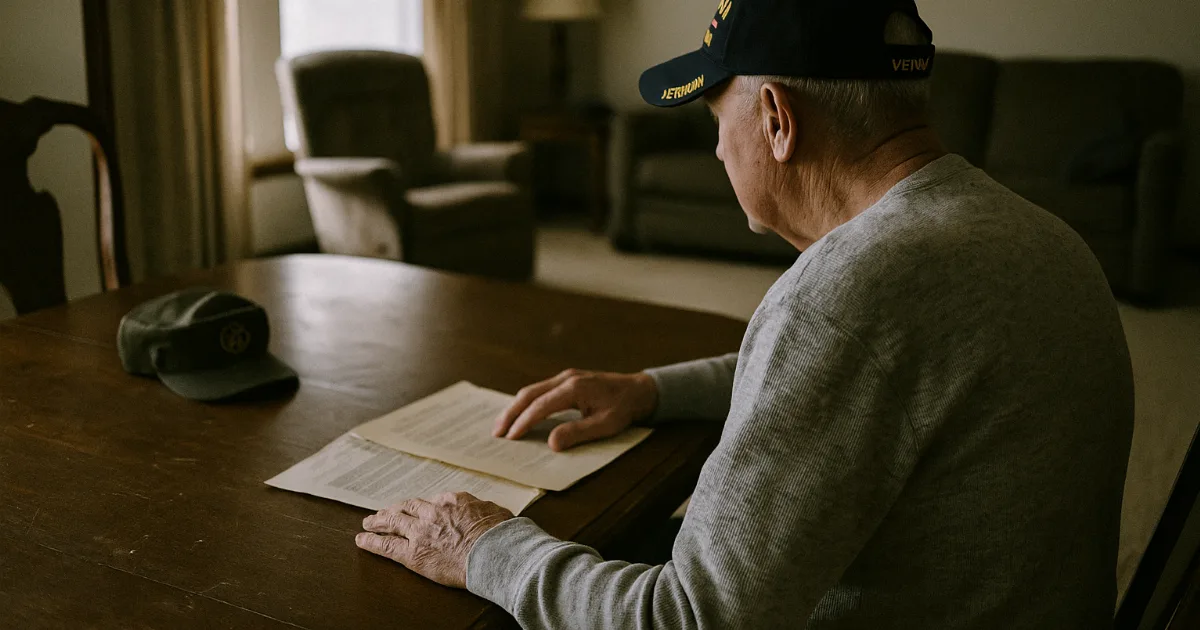
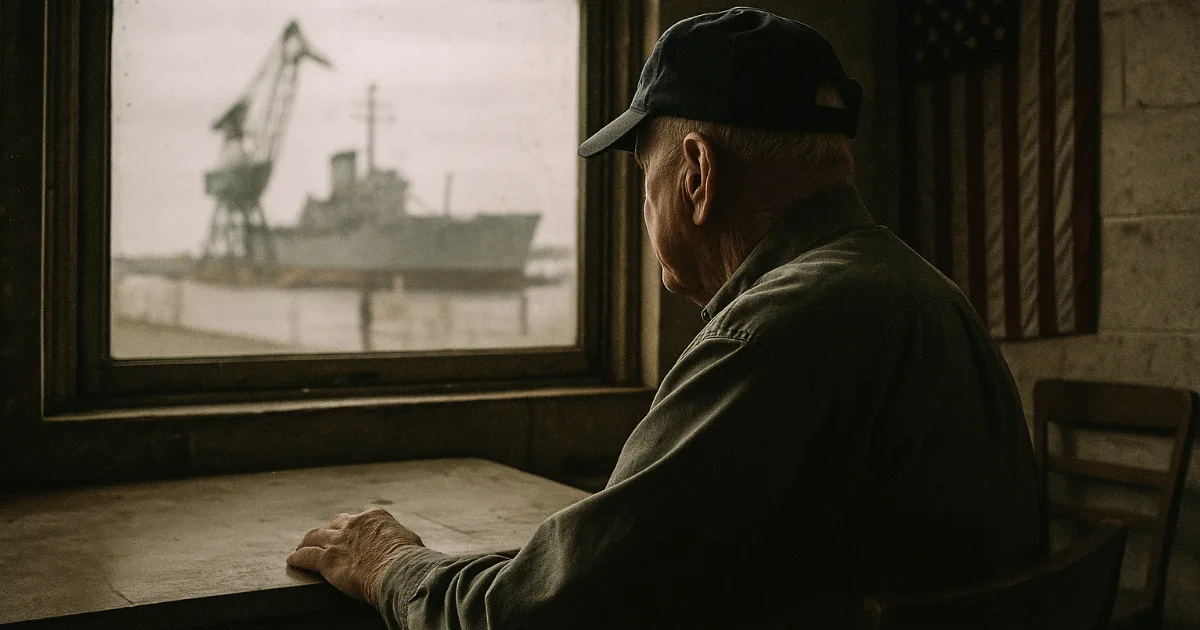
SPARROWS POINT, MD — The man had spent 26 years as a boilermaker at Bethlehem Steel's Sparrows Point shipyard, and for most of that time, asbestos dust was as common as the smell of welding smoke. He retired in 1987. By 2019, he was dead from pleural mesothelioma. His family never filed a VA claim. They didn't know he qualified.
His story is not unusual. Veterans and civilian workers who spent time at Bethlehem Steel shipyard facilities, including the massive Sparrows Point complex in Maryland, the Fore River Shipyard in Massachusetts, and the Bethlehem Steel plant in Bethlehem, Pennsylvania, were exposed to some of the highest concentrations of asbestos documented in any American industrial setting. Decades later, the latency period for asbestos-related disease means those diagnoses are still arriving, and many of the families affected have no idea what legal and medical resources exist for them.
What Made Bethlehem Steel So Dangerous
Bethlehem Steel was one of the largest shipbuilders in the United States from World War II through the 1970s, and asbestos was woven into nearly every phase of its operations. Pipe insulation, boiler lagging, gaskets, deck tiles, and fireproofing materials all contained asbestos, and the enclosed spaces of a ship under construction meant workers breathed concentrated fibers for years at a time. According to the Asbestos Nation database, Bethlehem Steel sites appear repeatedly in documented asbestos exposure records tied to mesothelioma litigation [Source: AsbestosNation.org].
Navy veterans who served aboard ships built or repaired at Bethlehem Steel facilities carry the same exposure history. The VA recognizes that shipyard service, particularly in the engine rooms, boiler rooms, and below-deck spaces of Navy vessels, constitutes a verified asbestos exposure pathway. Veterans who served during this period, roughly 1940 through 1980, are considered presumptively at risk under VA guidelines [Source: VA.gov, Public Health Exposures].
Mesothelioma has a latency period of 20 to 50 years, which means a veteran or worker exposed at Sparrows Point in 1965 might not receive a diagnosis until 2015 or later. That delay is exactly why so many families are still navigating these claims right now. For a deeper look at how the disease develops and what a diagnosis means, the mesothelioma overview at Mesothelioma-Lung-Cancer.org covers the medical and legal landscape in plain language.
Why This Matters Now
The urgency is real. Statutes of limitations for asbestos civil claims vary by state, and many run just one to three years from the date of diagnosis, not from the date of exposure. A family in Maryland that received a mesothelioma diagnosis last month may have a narrower window than they realize to pursue both VA disability benefits and a separate civil claim against asbestos product manufacturers. Those are two different legal tracks, and veterans are entitled to pursue both simultaneously.
What I tell every veteran I work with is this: a VA disability claim and a civil lawsuit are not mutually exclusive. Filing one does not disqualify you from the other. The VA provides healthcare and monthly compensation based on service connection, while asbestos trust funds and civil litigation address the liability of the manufacturers who sold asbestos-containing products to those shipyards.
According to the VFW's advocacy resources, veterans with asbestos-related diseases should file for VA disability as soon as possible after diagnosis, since back pay is calculated from the date of the original claim, not the date of approval [Source: VFW.org/advocacy]. Separately, asbestos bankruptcy trusts, funded by former manufacturers like Johns-Manville and Armstrong World Industries, have paid out more than $20 billion in claims to date [SOURCE NEEDED for specific trust fund total]. Veterans can use the trust fund checker tool to see which funds may apply to their specific exposure history.
What Bethlehem Steel Workers and Their Families Should Do
A diagnosis connected to Bethlehem Steel shipyard work, whether through direct employment or Navy service aboard vessels built there, opens multiple compensation pathways. The first step is establishing the exposure record. Employment records, military service records, co-worker affidavits, and union documentation can all help build a case. The American Legion's veteran healthcare advocacy resources include guidance on gathering this documentation [Source: Legion.org/veteranshealthcare].
Veterans should also check their eligibility for VA healthcare, which covers mesothelioma treatment at no cost for qualifying service members [Source: VA.gov/health-care/eligibility]. The VA's oncology network includes specialists in asbestos-related cancers, and enrollment does not affect a veteran's ability to seek outside legal counsel.
Families who have already lost a loved one to mesothelioma may still have standing to file a wrongful death or survival claim. State-specific deadlines govern these cases, and the statute of limitations tool can help families understand their timeline before consulting an attorney. For veterans and families navigating this process, connecting with legal counsel who specializes in asbestos cases is a critical early step. The veterans benefits section at Mesothelioma-Lung-Cancer.org offers a consolidated starting point for understanding every option available.
This article provides general information about VA benefits. Eligibility depends on individual service history and medical diagnosis.