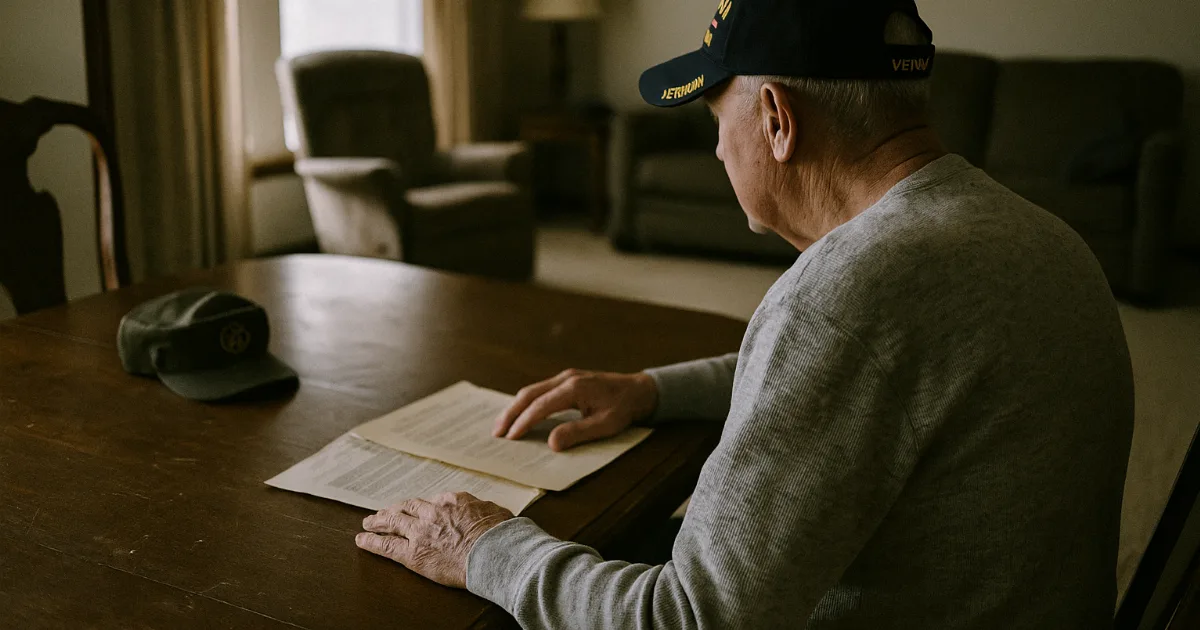
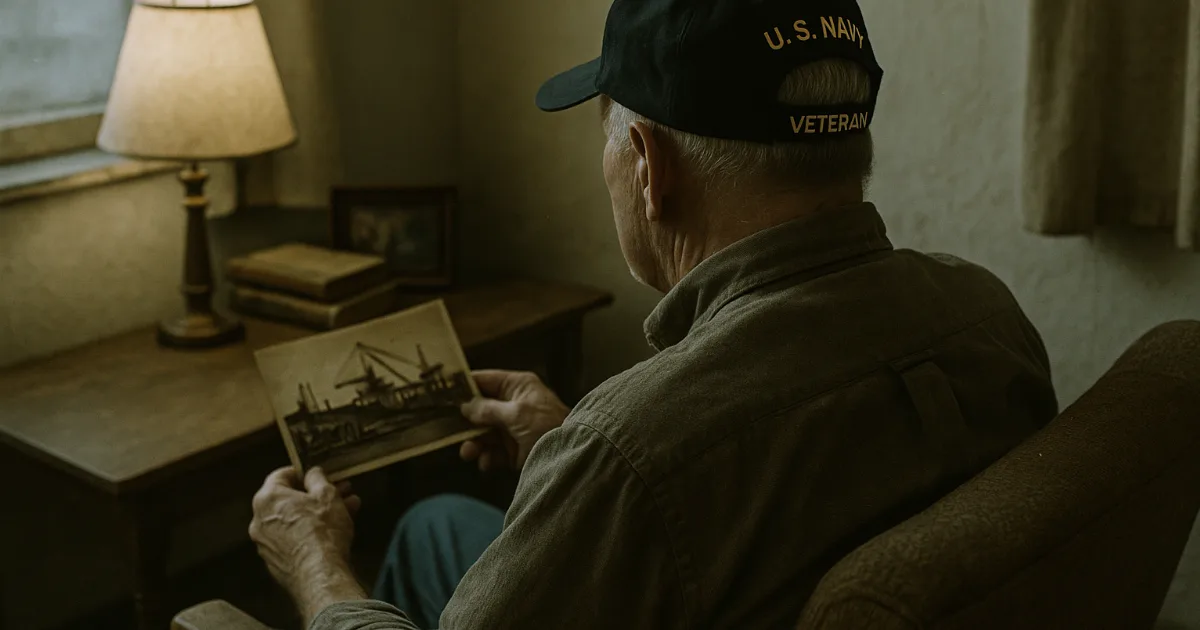
BALTIMORE, MD — For decades, the men who built and repaired warships at Bethlehem Steel's sprawling shipyards breathed in something far more dangerous than salt air. Now, the federal government is making it clearer than ever that their sacrifice didn't end when the war did.
The VA has reaffirmed and strengthened its guidance on asbestos-related disability claims for veterans who worked in shipyard environments, explicitly naming industrial facilities like Bethlehem Steel's Sparrows Point yard and its Quincy, Massachusetts plant as high-exposure sites. According to the VA's public health division, shipyard workers represent one of the highest-risk groups for asbestos-related disease among the entire veteran population. Source: VA Public Health, [Asbestos Exposure and Veterans, publichealth.va.gov]
What Happened at Bethlehem Steel's Shipyards
At its peak during World War II and through the Korean War era, Bethlehem Steel operated some of the largest shipbuilding and repair facilities in the country. The Sparrows Point yard outside Baltimore employed tens of thousands of workers. Asbestos was everywhere. It wrapped the pipes, lined the boiler rooms, insulated the engine compartments, and coated the bulkheads of vessels that would carry American sailors into combat.
Veterans who served during this period, particularly those who worked in Navy shipyards between 1930 and 1980, faced sustained, often daily asbestos exposure without any meaningful protective equipment. Welders, pipefitters, boilermakers, machinists, and even the sailors who simply slept in asbestos-insulated berthing compartments were all at risk. According to the VA's asbestos exposure resource, military occupational specialties with the highest asbestos exposure included mining, milling, shipyard work, insulation work, and demolition. [Source: VA Disability Benefits for Asbestos Exposure, va.gov]
The latency period for mesothelioma, the cancer most directly linked to asbestos, typically runs 20 to 50 years after first exposure. That means veterans who worked in these facilities during the 1950s and 1960s are only now, in many cases, receiving diagnoses. Many of them have no idea the VA will cover them.
Why This Matters Right Now
There's a quiet crisis unfolding in VA waiting rooms and oncology clinics across the country. Veterans are being diagnosed with mesothelioma, pleural disease, and asbestos-related lung cancer and walking out without anyone telling them they may be entitled to substantial VA disability compensation.
The VA recognizes that asbestos exposure during military service creates a service connection for related diseases, including mesothelioma, asbestosis, and certain lung cancers. That recognition is the legal foundation for a disability claim. But recognition doesn't automatically translate into filed claims, and it certainly doesn't replace the human beings who need to navigate a system that can feel like it was designed to exhaust you.
"What I tell every veteran I work with is this: the paperwork is the enemy, not the VA," said Larry Gates, a veterans benefits advocate who has helped hundreds of former servicemembers file asbestos-related claims. "These men built the ships that won the war. They didn't know what they were breathing. And they absolutely earned every dollar of compensation available to them."
The numbers bear this out. According to the VA's health care eligibility guidelines, veterans with service-connected disabilities rated at 50% or higher receive priority access to VA care at no cost. A mesothelioma diagnosis, properly documented and linked to shipyard service, can support a 100% disability rating. [Source: VA Health Care Eligibility, va.gov]
Families navigating these diagnoses can find additional guidance through our patients and families resource center.
What Veterans and Families Need to Do
If you or someone you love served in or around a shipyard, particularly at a Bethlehem Steel facility, and has since developed a respiratory illness, the first step is documentation. The VA requires evidence of three things: military service, exposure to asbestos during that service, and a current diagnosis of an asbestos-related condition.
Veterans who served during this period at shipyard facilities should request their service records through the National Personnel Records Center and gather any employment documentation that places them at the facility. A buddy statement, a written account from a fellow servicemember confirming the working conditions, can also strengthen a claim significantly.
The VA's own filing guidance outlines the process clearly, but the bureaucratic language can be a barrier. [Source: How to File a VA Disability Claim, va.gov] That's why working with an accredited claims agent or veterans service organization representative is often the difference between an approved claim and a denial.
Beyond VA benefits, Bethlehem Steel's legacy means there may also be asbestos trust fund compensation available. The company's successor entities have contributed to asbestos bankruptcy trusts that pay claims to workers and their families. Veterans shouldn't assume VA benefits and civil compensation are mutually exclusive. In most cases, they can pursue both. Our trust fund directory is a starting point for understanding which funds may apply to a specific exposure history.
For veterans unsure where to begin, our VA benefits eligibility tool walks through the key questions in plain language.
!What Veterans and Families Need to Do
The Broader Picture
Bethlehem Steel is gone now. The Sparrows Point yard closed in 2012. But the asbestos those workers breathed didn't disappear with the company. It lodged in lung tissue, and it's still causing disease and death decades later.
Veterans who built America's naval power deserve to know that the system they served still has an obligation to them. The VA has the framework in place. The trust funds exist. The question is whether the men, and the families they've left behind, know enough to claim what's theirs.
For families already in the middle of a diagnosis, our answers for families guide offers a practical roadmap for the weeks and months ahead.
This article provides general information about VA benefits. Eligibility depends on individual service history and medical diagnosis.