


SAN FRANCISCO, CA — When Maria Delgado watched the jury foreperson read the verdict aloud in San Francisco Superior Court last month, she gripped her daughter's hand so hard it left marks. Her husband, Frank, a retired pipefitter who spent 31 years working in California refineries, died of pleural mesothelioma in 2024. He was 67. The jury awarded his family $32 million.
A Jury Delivers One of California's Largest Asbestos Verdicts in Recent Memory
The verdict, rendered in San Francisco Superior Court in late February 2026, found an industrial insulation supplier liable for Frank Delgado's exposure to asbestos-containing pipe insulation products used extensively at Northern California refinery sites during the 1980s and 1990s. According to reporting from Law360, which tracks asbestos litigation nationwide, the award included $12 million in compensatory damages and $20 million in punitive damages, reflecting the jury's finding that the defendant had prior knowledge of asbestos hazards and failed to warn workers.
The case centered on a critical factual dispute: whether the supplier's own internal safety documentation, dating to 1979, showed awareness that the insulation products it distributed contained chrysotile asbestos fibers at concentrations known to cause lung disease. Plaintiff attorneys argued those documents were deliberately withheld from workers like Frank Delgado, who handled the materials without respiratory protection for decades. According to California Code of Civil Procedure Section 340.2, mesothelioma victims in California have one year from the date of diagnosis, or one year from the date they knew or reasonably should have known of the asbestos connection, to file a claim. The Delgado family filed within months of Frank's 2023 diagnosis.
The verdict adds to a pattern documented by legal analysts. According to the National Law Review's litigation coverage, California courts have consistently produced some of the nation's largest asbestos awards over the past decade, driven in part by the state's broad discovery rules and plaintiff-friendly venue options in counties like San Francisco and Los Angeles.
Why This Verdict Matters Beyond One Family's Courtroom
The Delgado verdict is notable for two reasons that extend well beyond the dollar figure. First, the punitive damages component, which accounted for nearly two-thirds of the total award, signals that California juries are increasingly willing to punish corporate defendants not just for causing harm but for concealing known risks. Second, the case involved a distributor rather than a manufacturer, a distinction that has historically complicated asbestos litigation.
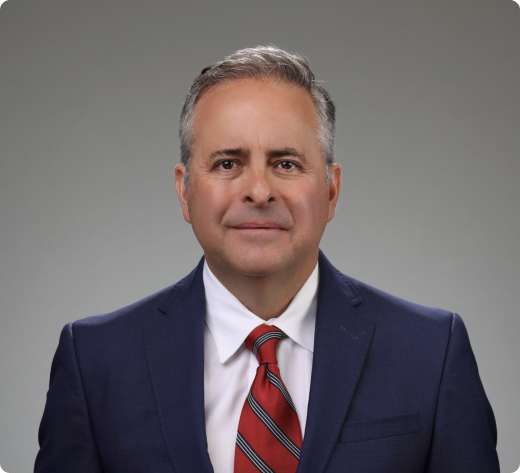
In my experience representing mesothelioma families, the hardest cases to win aren't always against the companies that made the asbestos products. They're against the middlemen who sold them, knowing exactly what was inside.
What the courts have consistently recognized in California, and what this verdict reinforces, is that liability doesn't stop at the factory gate. Distributors, contractors, and suppliers who knowingly placed dangerous materials into the hands of workers without adequate warning can face the same accountability as original manufacturers. That principle has been tested in California courts for years, and verdicts like this one cement it further.
For families navigating a mesothelioma diagnosis, understanding the full chain of liability matters enormously. Workers in refineries, shipyards, and construction trades were often exposed to products from dozens of different manufacturers and suppliers over a career. The asbestos exposure history of a single worker might implicate five, ten, or even fifteen separate defendants, each potentially responsible for a portion of that worker's total exposure.
What This Means for Mesothelioma Patients and Their Families
For families currently facing a mesothelioma diagnosis, the Delgado verdict carries a practical message: California remains one of the most legally favorable states in the country for asbestos victims, and the window to act is defined by statute. Under California's asbestos-specific statute of limitations, the clock starts not at the moment of exposure but at the moment of diagnosis or discovery of the asbestos connection, a distinction that gives families more time than many realize.
The legal landscape for asbestos victims in California has evolved significantly over the past decade, with courts increasingly scrutinizing the conduct of defendants rather than simply the fact of exposure. That shift, reflected in verdicts like the Delgado award, means that families who document their loved one's work history thoroughly, including job sites, employers, and specific products handled, are better positioned to pursue accountability across multiple defendants.
Families who aren't sure where their legal options stand can use a compensation estimator-estimator/) to get a clearer picture of potential recovery pathways, including both litigation and asbestos bankruptcy trust fund claims. Many families qualify for both simultaneously, and the two processes can run in parallel without one affecting the other.
Maria Delgado said after the verdict that the money wouldn't bring Frank back, but it would mean their grandchildren went to college without debt. That, she said, is what Frank would have wanted.
For patients and families who are earlier in the process, whether that means seeking a second medical opinion, identifying the right treatment center, or understanding what legal options are available, the Delgado case is a reminder that the legal system, when navigated carefully and quickly, can still deliver meaningful accountability for the companies whose products took decades to kill.
Attorney Advertising. Past results do not guarantee future outcomes. Every case is unique. The verdicts and settlements described are not a guarantee of similar results. Every case is different.


Comments (4)
I'd need to review the case details to identify the supplier. I'd recommend contacting a mesothelioma attorney in your state—many offer free consultations and can investigate your dad's workplace exposure records and product documentation from that era.
— Paul