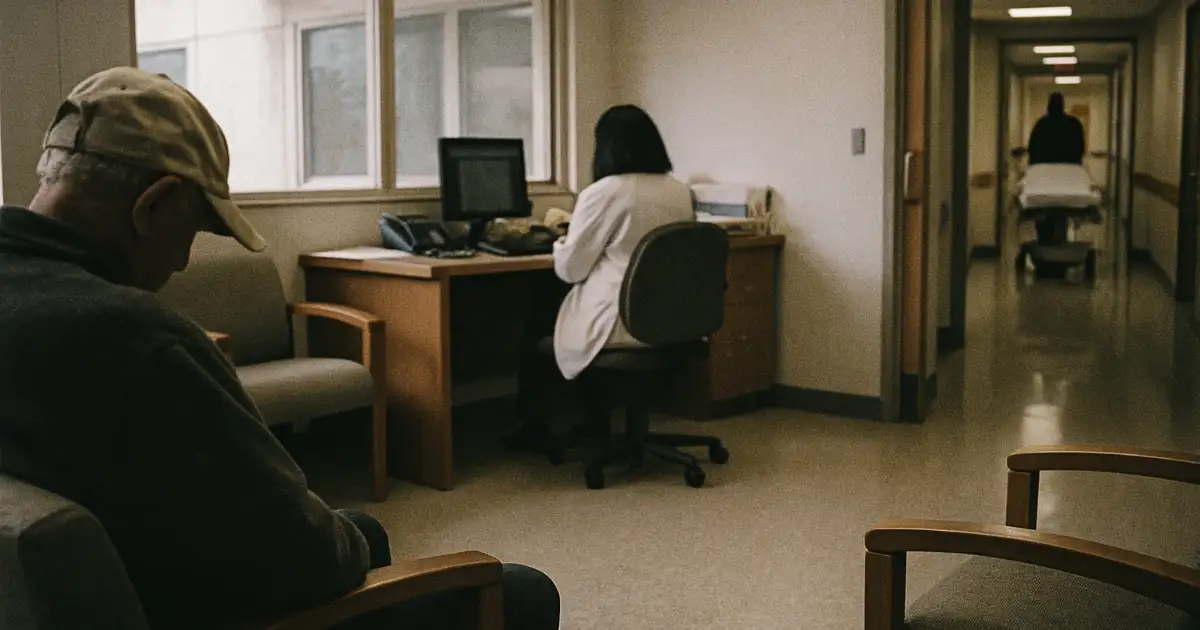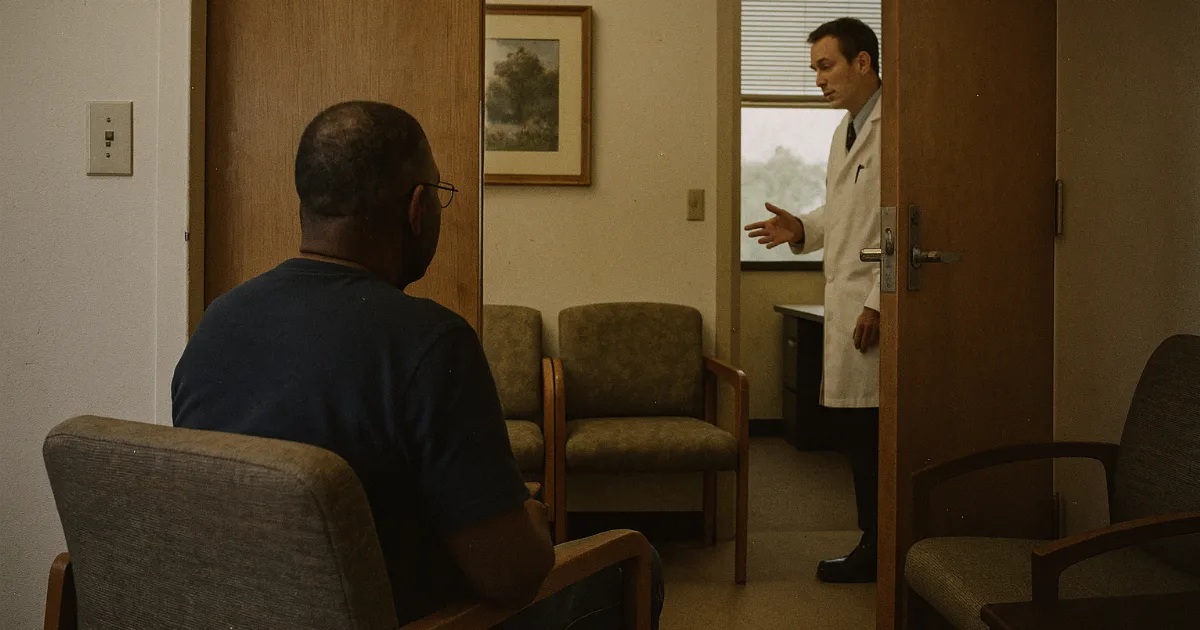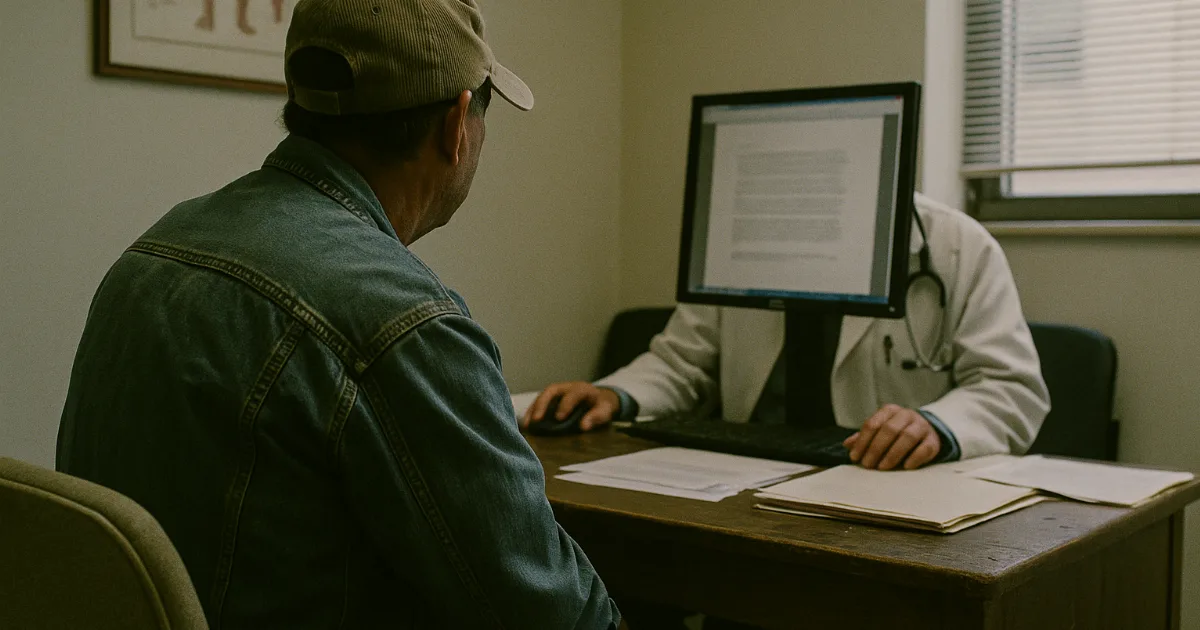
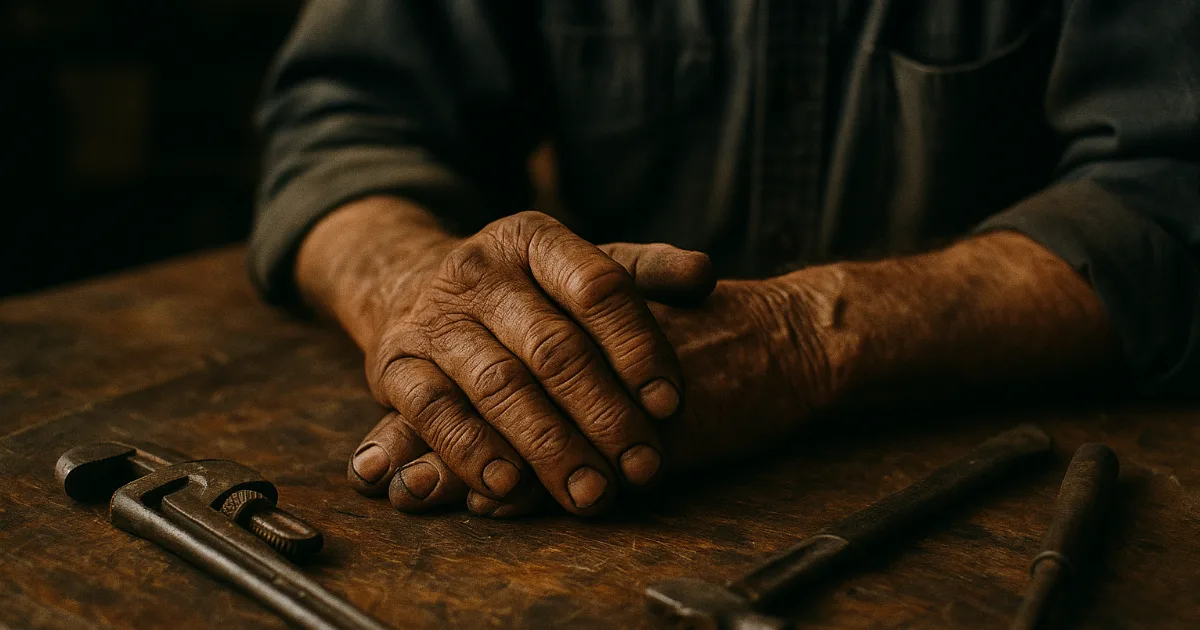
SAN FRANCISCO, CA — For most of his adult life, a retired industrial pipe fitter from Fresno assumed the shortness of breath was just age catching up with him. It wasn't until a pulmonologist at UCSF ordered a thoracoscopic biopsy that anyone connected the dots: four decades of working with asbestos-wrapped insulation had left him with pleural mesothelioma-lung-cancer.org/encyclopedia/pleural-mesothelioma/), a diagnosis that, even now, carries a median survival measured in months, not years. But that was two years ago. Today, he's still here.
His case isn't a fluke. Across California, a growing number of patients are surviving well past the statistical benchmarks, and the reasons are becoming clearer.
What California's Top Centers Are Actually Doing Differently
The shift isn't one single therapy. It's the sequencing. California's major academic medical centers, including UCLA, UCSF, and Stanford, have been refining protocols that combine immunotherapy with surgery and chemotherapy in ways that weren't standard even five years ago. The results, while not universal, are giving some patients measurable extra time.
The foundation of this approach rests on a landmark 2021 trial published in The Lancet. The CheckMate 743 study found that the combination of nivolumab plus ipilimumab, two immune checkpoint inhibitors, produced significantly longer overall survival compared to standard platinum-based chemotherapy as a first-line treatment for unresectable malignant pleural mesothelioma. Median overall survival was 18.1 months in the immunotherapy group versus 14.1 months in the chemotherapy group — a difference that oncologists describe as clinically meaningful in a disease where every month matters.
California centers are now layering that immunotherapy backbone onto surgical planning, particularly for patients whose tumors are still confined enough to consider pleurectomy/decortication. A meta-analysis published in the journal Surgical Oncology found that pleurectomy/decortication, which spares the lung, was associated with lower perioperative mortality compared to the more radical extrapleural pneumonectomy, making it a more viable option for patients who need to maintain enough physical reserves to tolerate post-surgical immunotherapy.
"What I hear from patients going through this is that they didn't realize surgery was still on the table until they got to a center that actually specializes in mesothelioma," said Yvette Abrego, patient advocate at Mesothelioma-Lung-Cancer.org. "The most important step you can take right now is getting a second opinion at a high-volume center before you accept that treatment isn't possible."
Why This Matters Beyond the Clinical Data
The statistics from the National Cancer Institute's SEER database remain sobering. Five-year survival rates for mesothelioma hover around 12 percent. Most patients are diagnosed at stage 3 or 4, when the disease has already spread beyond the point where surgery alone can help. But those numbers are population-wide averages, and they don't reflect what's happening at specialized centers with access to the newest protocols.
Moffitt Cancer Center, while based in Florida, has published research reinforcing the principle that histological subtype, specifically whether a tumor is epithelioid, sarcomatoid, or biphasic, drives treatment eligibility in ways that general oncologists don't always account for. Epithelioid tumors, which represent roughly 60 percent of pleural mesothelioma cases according to research published in the Archives of Pathology and Laboratory Medicine, respond significantly better to both chemotherapy and immunotherapy than sarcomatoid tumors. Knowing the subtype before committing to a treatment plan isn't optional. It's foundational.
For patients in California, the geography is an advantage. The state has more National Cancer Institute-designated cancer centers than any other in the country, and several of them have dedicated thoracic oncology programs with mesothelioma subspecialty teams. The difference between a general oncologist and a mesothelioma specialist isn't just academic. It can determine whether a patient is even offered the combination protocols that are producing the longer survival numbers.
What Patients and Families Should Do Right Now
Many patients and families I've worked with describe the weeks after diagnosis as a blur. The instinct is to start treatment immediately, wherever you are. That urgency is understandable. But rushing into a plan at a center without mesothelioma expertise can mean missing options that a specialist would have offered.
For Californians, the practical path forward starts with getting to a center that sees mesothelioma regularly. UCLA's Jonsson Comprehensive Cancer Center, UCSF's thoracic oncology program, and Stanford Health Care all have the infrastructure to evaluate patients for multimodal treatment, including eligibility for open clinical trials. The treatment center directory maintained by Mesothelioma-Lung-Cancer.org can help patients identify the closest high-volume centers and what each one specializes in.
Beyond treatment, the financial reality of a mesothelioma diagnosis doesn't wait. Most cases trace directly to occupational asbestos exposure, and more than 60 active asbestos bankruptcy trusts are currently paying claims. Patients who worked in California shipyards, refineries, or construction before the 1980s may be eligible for compensation through multiple trusts simultaneously. Understanding that landscape, before legal deadlines close, is just as urgent as finding the right oncologist.
For anyone navigating mesothelioma in California right now, the core message from the latest clinical evidence is this: the standard of care has moved. What was considered the ceiling of treatment five years ago is now, at the right centers, the starting point.
This article is for informational purposes only and does not constitute medical advice. Consult your healthcare provider for guidance specific to your situation.