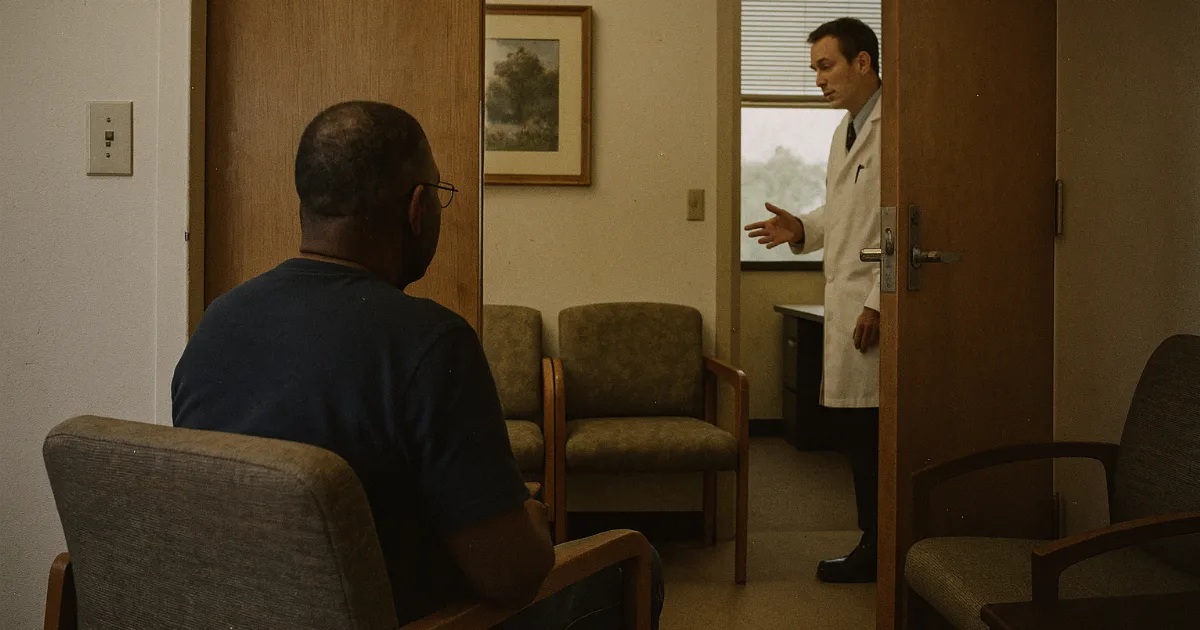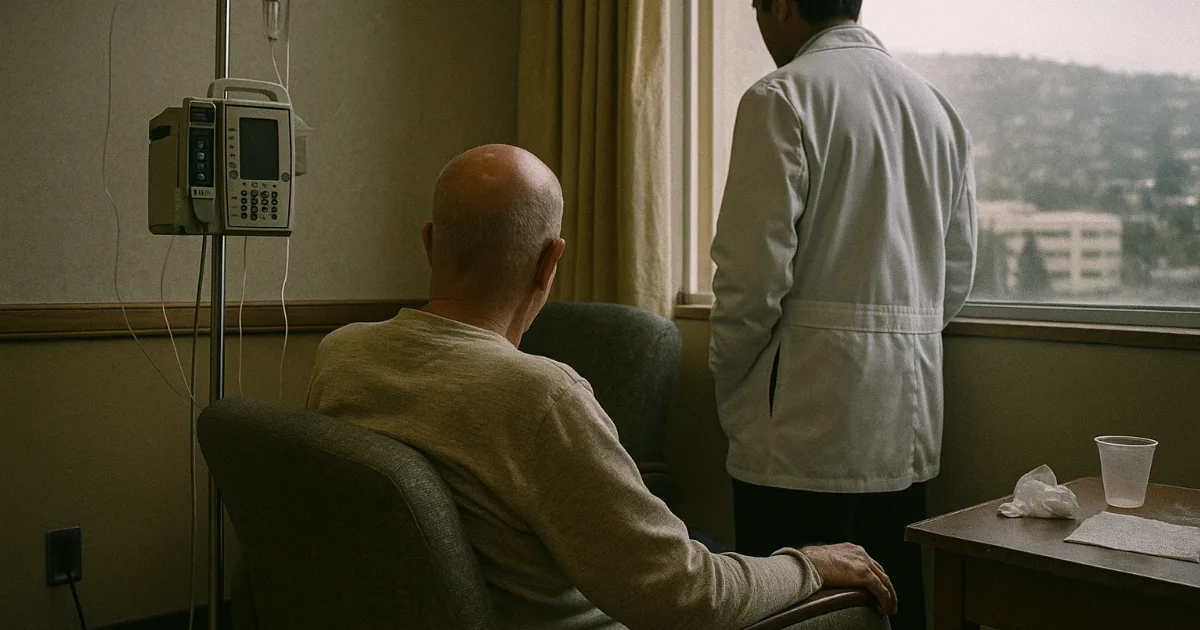
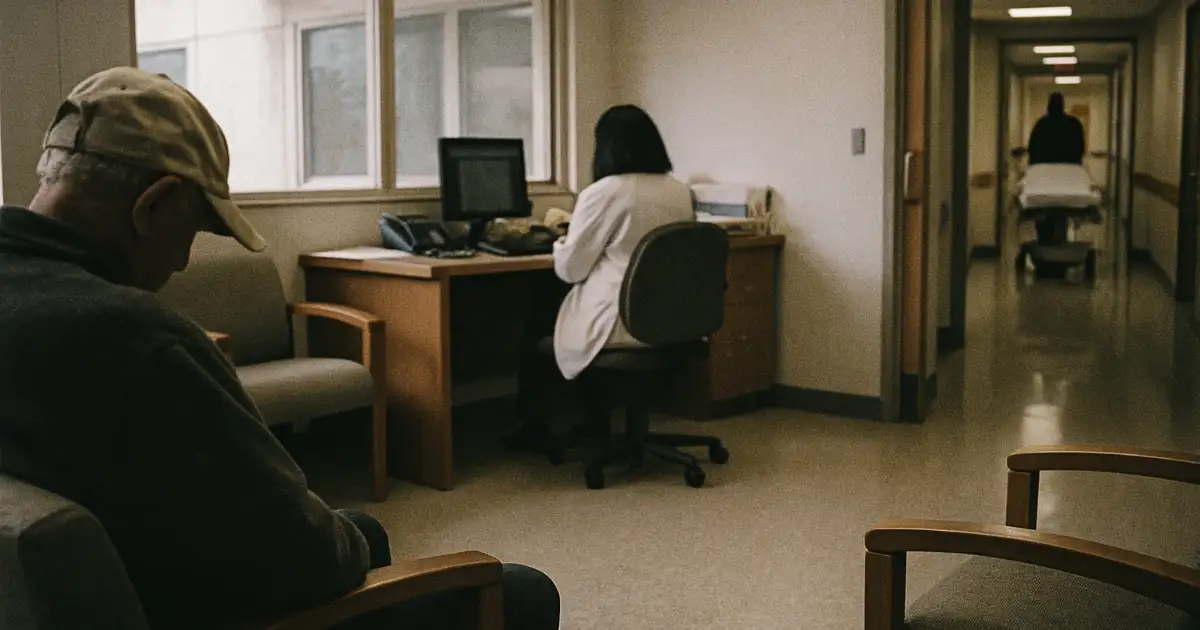
SACRAMENTO, CA — The paperwork arrived before the diagnosis fully sank in. A 61-year-old retired pipefitter from Stockton had spent three decades working on industrial boilers across California's Central Valley, and now his oncologist was handing him a referral list and a folder of treatment options he'd never heard of. Pleural mesothelioma. Immunotherapy. Cytoreductive surgery. He had two weeks to decide where to go for care.
His story isn't unusual. California has one of the highest concentrations of mesothelioma cases in the United States, driven by decades of shipyard work, industrial manufacturing, and construction using asbestos-containing materials. But it also has something else: a dense network of specialized cancer centers, active clinical trials, and treatment protocols that have meaningfully extended survival for some patients. The gap between patients who find that network and those who don't is wide. This article is about closing it.
What Makes California's Mesothelioma Treatment Landscape Different?
California is home to more NCI-designated cancer centers than any other state, and several of them maintain dedicated mesothelioma programs with multidisciplinary teams that include thoracic surgeons, medical oncologists, pulmonologists, and palliative care specialists. According to the National Cancer Institute's cancer center directory, NCI-designated centers meet rigorous criteria for research infrastructure, clinical trial access, and specialized oncology care — criteria that matter enormously for a rare cancer like mesothelioma, where treatment decisions are highly individualized and evolve rapidly.
UC San Diego's Moores Cancer Center, UCLA's Jonsson Comprehensive Cancer Center, UCSF Helen Diller Family Comprehensive Cancer Center, and City of Hope in Duarte all maintain active mesothelioma programs. What separates these institutions from community hospitals isn't just prestige. It's access. Patients treated at NCI-designated centers are more likely to be enrolled in clinical trials, more likely to receive multimodal therapy (surgery combined with chemotherapy or immunotherapy), and more likely to have their cases reviewed by a tumor board — a multidisciplinary team that debates the best course of action before a single treatment decision is made. According to NCIBooks, Diagnosis and Treatment of Mesothelioma, multidisciplinary evaluation is considered a cornerstone of quality mesothelioma care.
What I hear from patients going through this is that the first referral they receive isn't always the best one. A general oncologist, even a skilled one, may see only a handful of mesothelioma cases per year. A specialized center may see dozens. That volume translates directly into clinical judgment.
Why the Type of Mesothelioma Changes Everything About Treatment
A retired Navy veteran from San Diego and a former brake mechanic from Fresno may both carry a mesothelioma diagnosis, but their treatment paths can look completely different depending on where the cancer originates and how far it has spread. This is a disease where location is destiny.
Pleural mesothelioma, which affects the lining of the lungs, accounts for roughly 80 percent of all mesothelioma cases, according to NCIBooks, Diagnosis and Treatment of Mesothelioma. For eligible patients, the surgical options include pleurectomy/decortication (P/D), which removes the pleural lining while preserving the lung, and extrapleural pneumonectomy (EPP), a more radical procedure that removes the lung entirely. A 2021 systematic review and meta-analysis published in the National Library of Medicine found that P/D was associated with lower 30-day and 90-day mortality compared to EPP, though both procedures carry significant risks and are only appropriate for patients with early-stage, resectable disease and strong baseline health.
Peritoneal mesothelioma, which affects the abdominal lining, represents about 20 percent of cases. For this subtype, the most aggressive and potentially curative approach is cytoreductive surgery combined with hyperthermic intraperitoneal chemotherapy (HIPEC), a procedure in which heated chemotherapy drugs are circulated directly through the abdominal cavity after tumor removal. A landmark study published in the Journal of Clinical Oncology demonstrated that carefully selected peritoneal mesothelioma patients who underwent cytoreductive surgery and perioperative intraperitoneal chemotherapy achieved median survival outcomes significantly better than historical controls. Several California centers, including City of Hope and UCSF, perform HIPEC procedures.
For patients who aren't surgical candidates — because of disease stage, age, or overall health — systemic therapy becomes the primary tool. And here, California's clinical trial access becomes especially important.
Immunotherapy Is Changing the Conversation for Inoperable Cases
For years, the standard first-line chemotherapy regimen for mesothelioma was pemetrexed combined with cisplatin or carboplatin, a combination that produced modest response rates but remained the backbone of treatment for over a decade. That changed in October 2020, when the FDA approved a new combination for unresectable malignant pleural mesothelioma.
According to the FDA's approval announcement, nivolumab plus ipilimumab — a dual checkpoint inhibitor regimen that targets both the PD-1 and CTLA-4 pathways — received approval based on the CheckMate 743 trial, which enrolled 605 patients. The trial showed that patients receiving the immunotherapy combination had a median overall survival of 18.1 months compared to 14.1 months for those receiving standard chemotherapy. For patients with non-epithelioid histology, the benefit was even more pronounced.
This isn't a cure. But for patients who have watched this disease take family members within a year of diagnosis, four extra months of median survival is not a small thing. It's a child's graduation. It's another winter.
California oncologists at NCI-designated centers were among the earliest adopters of the nivolumab/ipilimumab regimen, and many are now exploring combinations and sequencing strategies in clinical trials that go beyond the approved label. The NCI Clinical Trials Search Database currently lists multiple open mesothelioma trials at California institutions, including studies examining novel immunotherapy combinations, targeted therapies, and experimental surgical approaches.
!Immunotherapy Is Changing the Conversation for Inoperable Cases for mesothelioma treatment cases
CAR-T and Gene Therapy: What's Coming Next
The most experimental frontier of mesothelioma treatment involves technologies that weren't clinically available even five years ago. Two areas generating the most attention among California researchers are CAR-T cell therapy and gene therapy.
CAR-T therapy involves engineering a patient's own immune cells to recognize and attack cancer cells. Mesothelioma cells frequently overexpress a protein called mesothelin, which makes them a logical target for this approach. A Phase I trial published in the Journal of Clinical Oncology evaluated mesothelin-targeted CAR-T cells in mesothelioma patients and found early signals of anti-tumor activity, with some patients experiencing disease stabilization. The trial was small and the therapy remains investigational, but the mesothelin target is now one of the most active areas of mesothelioma drug development globally.
Gene therapy approaches are also being explored. According to a review published in the National Library of Medicine, strategies including viral vector delivery of tumor suppressor genes and immunostimulatory gene constructs have shown promise in preclinical models. Several California institutions are involved in translating these findings toward clinical trials.
Many patients and families I've worked with ask whether these experimental therapies are accessible to them. The honest answer is: sometimes, through clinical trials, and eligibility criteria are strict. But the most important step you can take right now is to have your case evaluated at a center that participates in these trials, because you cannot enroll in a trial you never heard about. California's density of NCI-designated centers makes that access more realistic here than in most states. You can also use resources like our guide to choosing a mesothelioma treatment center to identify programs that match your diagnosis and goals.
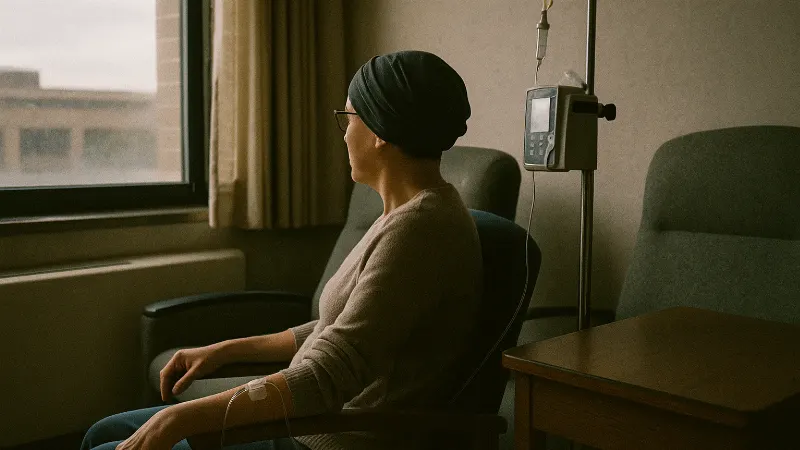
Who Is Getting Mesothelioma in California, and Why It Matters
Understanding who is at highest risk shapes where California's treatment resources are concentrated. The state's mesothelioma burden is heavily tied to its industrial past. Shipyards at Long Beach, San Diego, and San Francisco Bay were among the largest in the country during World War II and the Cold War era, and they used asbestos extensively in insulation, pipe covering, and fireproofing. Veterans who served in the Navy and worked in or around those shipyards represent a disproportionate share of California mesothelioma patients.
Beyond shipyards, California's oil refineries, power plants, and construction industry all have documented histories of asbestos use. Our exposure sites directory tracks many of these locations. The latency period for mesothelioma, typically 20 to 50 years between exposure and diagnosis, means that workers exposed in the 1970s and 1980s are being diagnosed today.
This history also has legal implications. Many California patients and their families are entitled to compensation through asbestos trust funds established by bankrupt manufacturers and suppliers. If you haven't already, our trust fund checker tool can help you identify whether a trust fund claim may be available to you. Compensation doesn't change the diagnosis, but it can remove financial barriers to accessing the best possible treatment.
It's also worth noting that mesothelioma is sometimes confused with lung cancer because both can involve the chest and respiratory symptoms. They are biologically distinct diseases with different treatment protocols. Our comparison guide explains the key differences. Receiving the correct diagnosis is the prerequisite for receiving the correct treatment.
What Should Patients and Families Do Next?
The pipefitter from Stockton eventually made it to UCSF's mesothelioma program. It took two additional weeks and a second referral, but his case was reviewed by a tumor board, he was enrolled in a clinical trial, and his treatment plan was built around his specific histology and staging rather than a generic protocol. He's not cured. But he's still here, and he's being treated by people who have seen hundreds of cases like his.
Here's what the evidence and experience suggest for California patients navigating this moment. Seek evaluation at an NCI-designated cancer center with a dedicated mesothelioma program. Bring all imaging and pathology reports, and ask specifically whether your case will be reviewed by a multidisciplinary tumor board. Ask your oncologist about clinical trial eligibility before accepting a standard-of-care regimen as your only option. The NCI Clinical Trials Search Database is publicly searchable, and many trial coordinators will speak with patients directly.
If you're a veteran, ask about VA-affiliated mesothelioma programs, which can sometimes coordinate with academic medical centers. If you're uncertain about your legal options, connect with an attorney who specializes in asbestos litigation before statutes of limitations close your window. California's statute of limitations for mesothelioma claims is generally one year from diagnosis, which moves faster than most people expect.
For more detailed answers to common questions about diagnosis, staging, and treatment options, our mesothelioma answers hub is a good starting point. You don't have to figure this out alone, and you shouldn't have to.
The treatment landscape for mesothelioma in 2026 is genuinely different from what it was a decade ago. Not perfect. Not cured. But different, in ways that matter to real people navigating real decisions under enormous pressure. California, with its research infrastructure and clinical trial access, is one of the best places in the country to be treated for this disease. The challenge is knowing where to look.
!California's Mesothelioma Treatment Network: What Patients Need to Know in 2026 support and guidance

Frequently Asked Questions
Which California hospitals specialize in mesothelioma treatment?
Several NCI-designated cancer centers in California maintain dedicated mesothelioma programs, including UCSF Helen Diller Family Comprehensive Cancer Center, UCLA Jonsson Comprehensive Cancer Center, UC San Diego Moores Cancer Center, and City of Hope in Duarte. According to the NCI cancer center directory, these institutions meet rigorous standards for research infrastructure and specialized oncology care that are particularly important for rare cancers like mesothelioma.
What is the current standard first-line treatment for pleural mesothelioma in California?
As of 2025, the FDA-approved first-line options for unresectable malignant pleural mesothelioma include the immunotherapy combination of nivolumab plus ipilimumab, approved in October 2020 based on the CheckMate 743 trial, and traditional chemotherapy with pemetrexed plus cisplatin or carboplatin. According to the FDA approval announcement, the immunotherapy combination showed a median overall survival of 18.1 months versus 14.1 months for chemotherapy.
Is surgery an option for mesothelioma patients in California?
Surgery is an option for carefully selected patients with early-stage, resectable disease and strong baseline health. For pleural mesothelioma, options include pleurectomy/decortication (P/D) and extrapleural pneumonectomy (EPP). A 2021 meta-analysis published in the National Library of Medicine found P/D associated with lower short-term mortality than EPP. For peritoneal mesothelioma, cytoreductive surgery with HIPEC is performed at several California centers.
Are there clinical trials for mesothelioma available in California?
Yes. California's NCI-designated cancer centers are among the most active mesothelioma clinical trial sites in the country. Trials currently enrolling patients include studies of CAR-T cell therapy targeting mesothelin, novel immunotherapy combinations, and gene therapy approaches. The NCI Clinical Trials Search Database allows patients to search open trials by location, cancer type, and eligibility criteria.
What is CAR-T therapy, and is it available for mesothelioma patients?
CAR-T therapy engineers a patient's own immune cells to target cancer-specific proteins. For mesothelioma, the primary target is mesothelin, a protein overexpressed on mesothelioma cells. A Phase I trial published in the Journal of Clinical Oncology showed early signals of anti-tumor activity. The therapy remains investigational and is currently available only through clinical trials at specialized centers.
How do California veterans access mesothelioma treatment?
Veterans with mesothelioma may access care through VA-affiliated medical centers and through partnerships between the VA and academic cancer centers. Navy veterans who worked in California shipyards represent a significant portion of mesothelioma patients in the state. Veterans may also be eligible for disability compensation through the VA and for asbestos trust fund claims. Our veterans resource page provides detailed guidance on navigating these options.
How is peritoneal mesothelioma treated differently from pleural mesothelioma?
Peritoneal mesothelioma, which affects the abdominal lining, is treated primarily with cytoreductive surgery combined with hyperthermic intraperitoneal chemotherapy (HIPEC) in eligible patients. A landmark study in the Journal of Clinical Oncology demonstrated significantly improved survival outcomes with this approach compared to historical controls. Several California centers, including City of Hope and UCSF, perform HIPEC. For ineligible patients, systemic chemotherapy remains the primary option.
This article is for informational purposes only and does not constitute medical advice. Consult your healthcare provider for guidance specific to your situation.