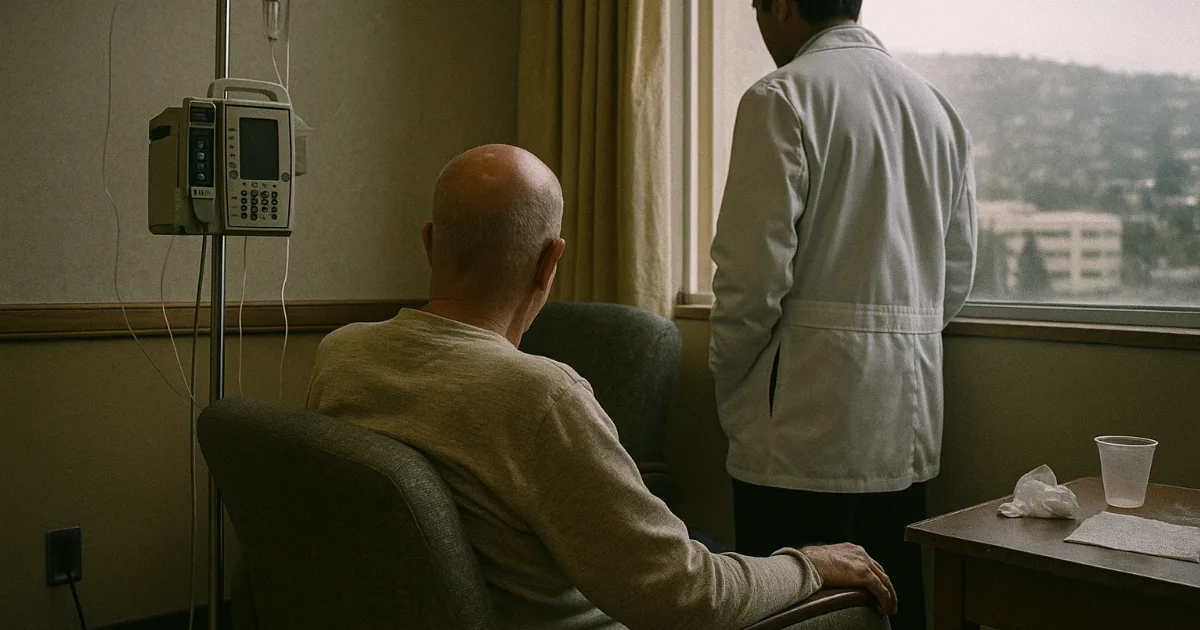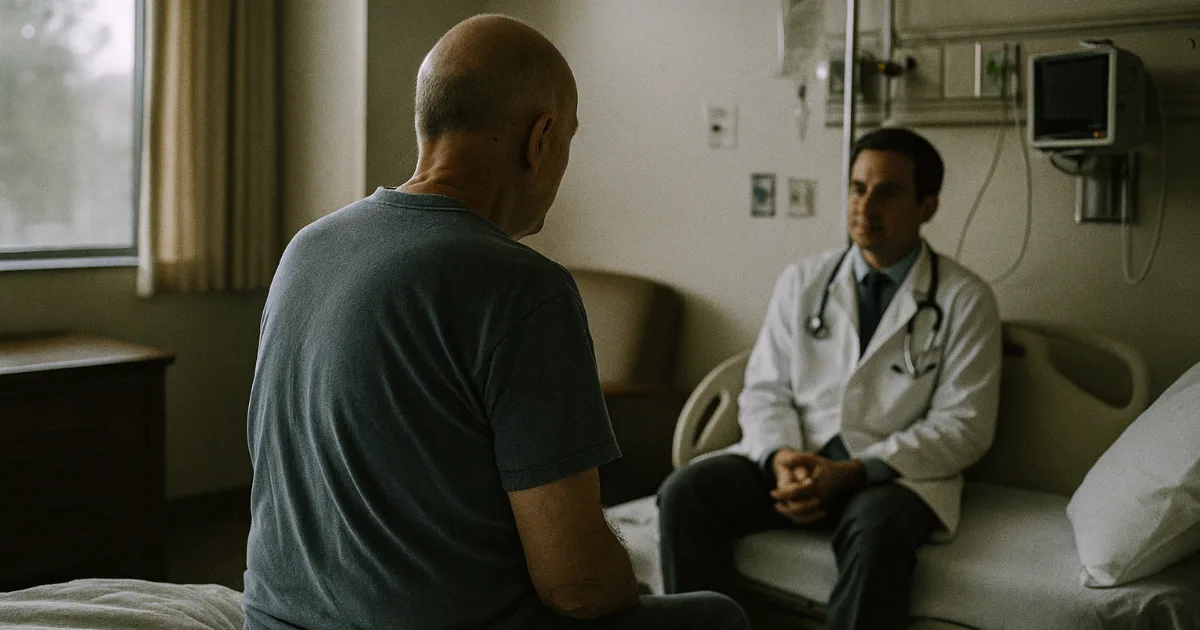
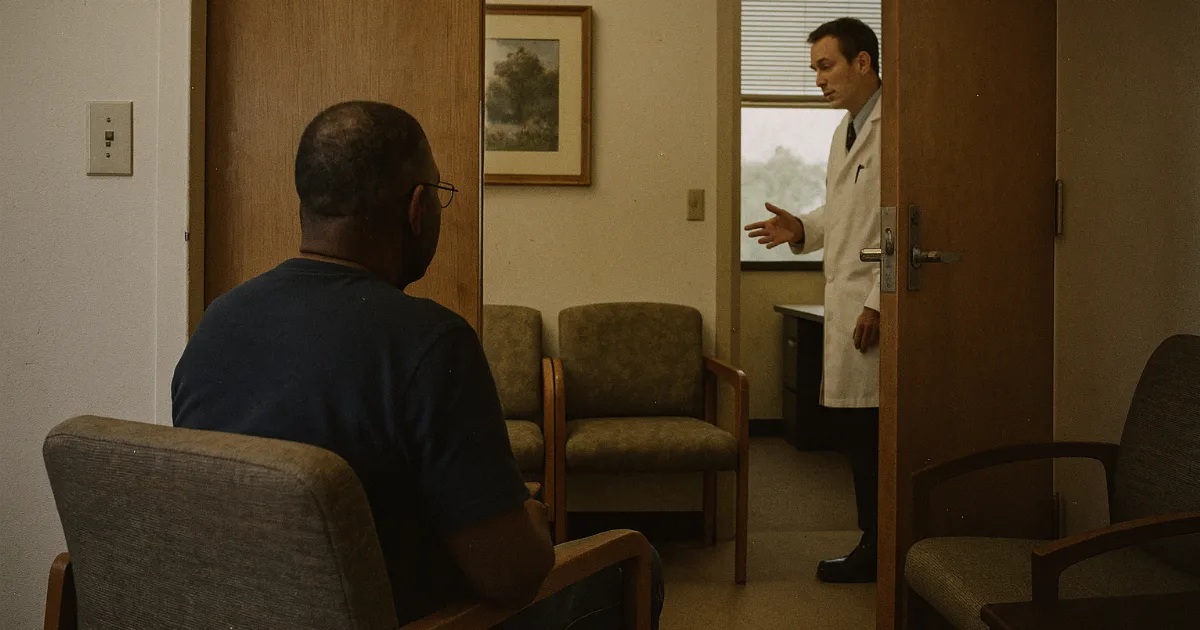
LOS ANGELES, CA — A retired shipyard worker from Long Beach spent three months bouncing between a general oncologist and a pulmonologist before anyone used the word mesothelioma. By the time he reached a specialized cancer center, his treatment window had narrowed. His family wishes they'd known sooner: in California, several of the country's most capable mesothelioma programs are within driving distance of the state's densest asbestos-exposure corridors.
For patients diagnosed today, that geography matters more than ever. California's major academic cancer centers are expanding their multimodal mesothelioma programs, bringing together surgery, chemotherapy, immunotherapy, and clinical trials under one roof. The difference between a general oncology practice and a dedicated mesothelioma program can be measured in months of survival — and in quality of life during treatment.
What California's Specialized Programs Are Now Offering
The most significant shift in California mesothelioma care over the past several years has been the move toward true multidisciplinary treatment, where thoracic surgeons, medical oncologists, radiation specialists, and pathologists collaborate on every case from the start. This model is now standard at leading programs nationally, according to MD Anderson Cancer Center's mesothelioma program overview [Source: MD Anderson, mdanderson.org/cancer-types/mesothelioma.html].
On the surgical side, the debate between pleurectomy/decortication (P/D) and extrapleural pneumonectomy (EPP) has largely shifted toward lung-sparing approaches. A comparative outcomes study published in a peer-reviewed surgical oncology review found that P/D is increasingly preferred at high-volume centers for eligible patients, offering comparable local control with a lower operative mortality profile [Source: PMC7750799, Pleurectomy/Decortication versus Extrapleural Pneumonectomy for Mesothelioma, NCBI].
On the systemic treatment side, pemetrexed-based chemotherapy remains the FDA-approved backbone of first-line therapy [Source: FDA Drug Approval Package, Alimta/Pemetrexed Disodium, fda.gov]. But California programs affiliated with major research networks are increasingly enrolling patients in trials that combine immunotherapy agents with standard chemotherapy, or that target specific tumor histologies. Epithelioid mesothelioma, the most common cell type, tends to respond more favorably to treatment than sarcomatoid or biphasic subtypes, a distinction that drives treatment planning at every specialized center [Source: PMC6322066, Pathological Diagnosis of Mesothelioma, NCBI].
Why Histology and Speed of Referral Still Define Outcomes
One thing I hear from patients going through this is that they didn't realize how much their tumor's cell type would shape every decision that followed. Histology isn't a detail — it's the foundation of the entire treatment plan. Patients who arrive at a specialized center with complete pathology already in hand move faster toward the right protocol.
California's industrial history makes this urgency especially relevant. The state's shipyards, refineries, and construction trades exposed hundreds of thousands of workers to asbestos over the course of the 20th century. Many of those workers, and their families through secondary exposure, are now in the age range when mesothelioma most commonly presents. You can explore California asbestos exposure sites and occupational histories at mesothelioma-lung-cancer.org/asbestos-exposure/ to understand whether your own history warrants a specialist evaluation.
Veterans represent a particularly significant portion of California's mesothelioma population. Naval bases from San Diego to Alameda used asbestos extensively in ship construction and repair for decades. Veterans diagnosed today may have access to VA-coordinated care pathways alongside private mesothelioma programs, and understanding those options early is critical. Resources for veterans are available at mesothelioma-lung-cancer.org/veterans/.
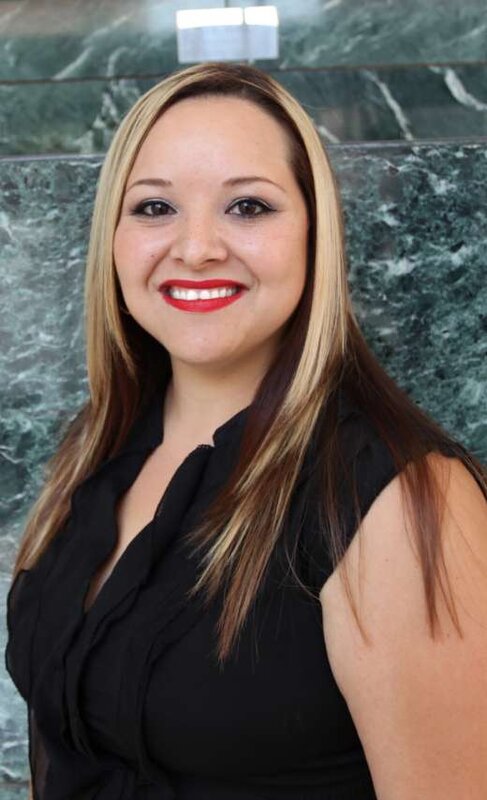
"The most important step you can take right now is getting your pathology reviewed by a mesothelioma specialist, not just a general oncologist. The cell type determines everything — the surgery, the systemic therapy, the trial eligibility. That review can happen within days at a dedicated program."
— Yvette Abrego, Patient Advocate
What This Means for Patients and Families in California
Many patients and families I've worked with describe the first weeks after diagnosis as a fog — absorbing information, managing fear, and trying to figure out who to trust. The practical reality is that California patients have more options than most, but only if they move toward specialized care quickly.
Moffitt Cancer Center, MD Anderson, Memorial Sloan Kettering, and Brigham and Women's Hospital all maintain dedicated mesothelioma programs with published research records and multidisciplinary teams [Source: Moffitt Cancer Center, moffitt.org/cancers/mesothelioma; Source: MSKCC, mskcc.org/cancer-care/types/mesothelioma; Source: Brigham and Women's, brighamandwomens.org/lung-center/mesothelioma-and-pleural-disease]. For California patients, seeking a second opinion from any of these centers — or from a California academic program with equivalent infrastructure — is not an overreaction. It's standard of care.
What I hear from patients going through this is that the question they most regret not asking sooner is: "Am I at the right place?" If you were diagnosed at a community hospital or a general oncology practice, asking for a referral to a specialized mesothelioma program is not an insult to your current doctor. It's an act of self-advocacy that can open doors to trials, surgical options, and care teams that most general practices simply cannot offer.
For a full overview of mesothelioma diagnosis, staging, and treatment pathways, visit mesothelioma-lung-cancer.org/mesothelioma/.
This article is for informational purposes only and does not constitute medical advice. Consult your healthcare provider for guidance specific to your situation.