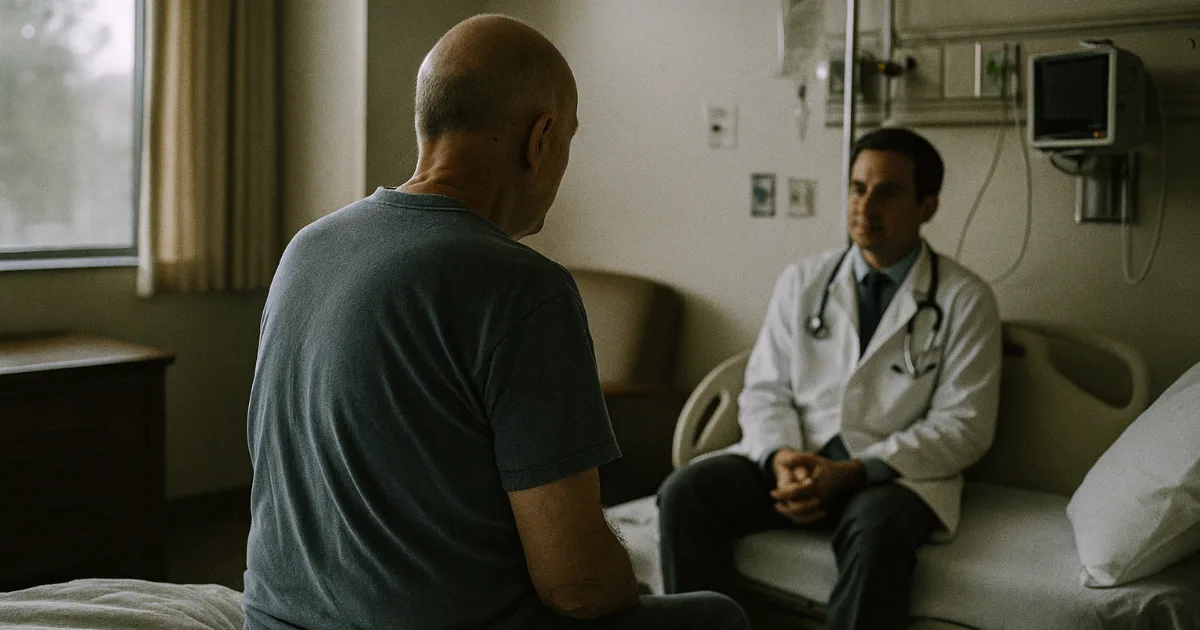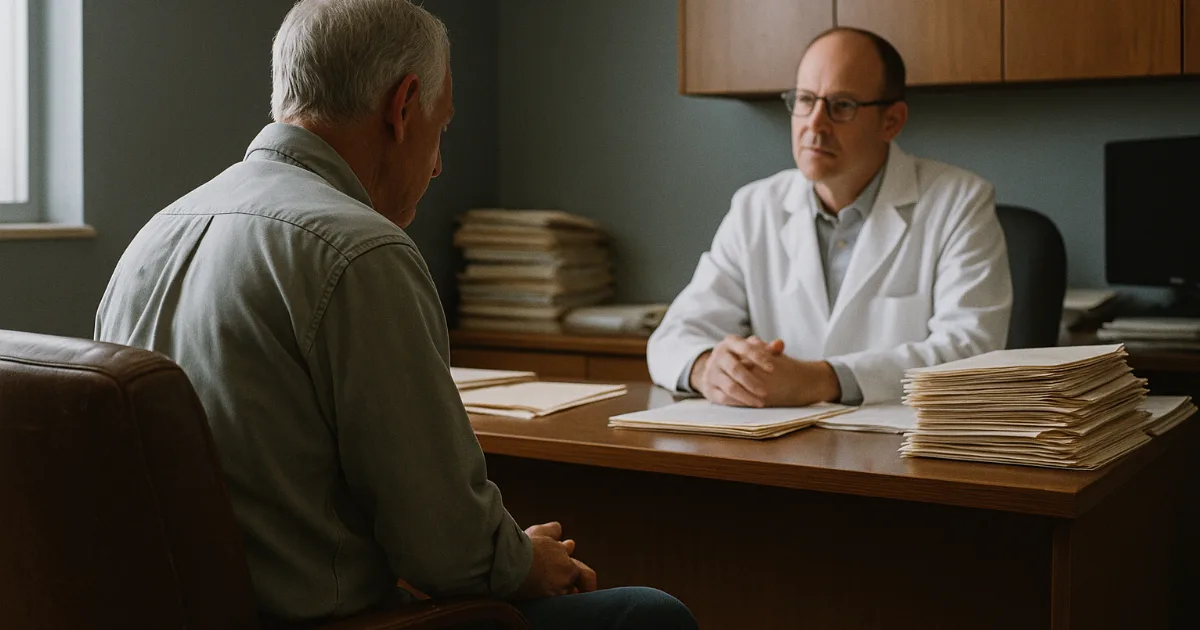
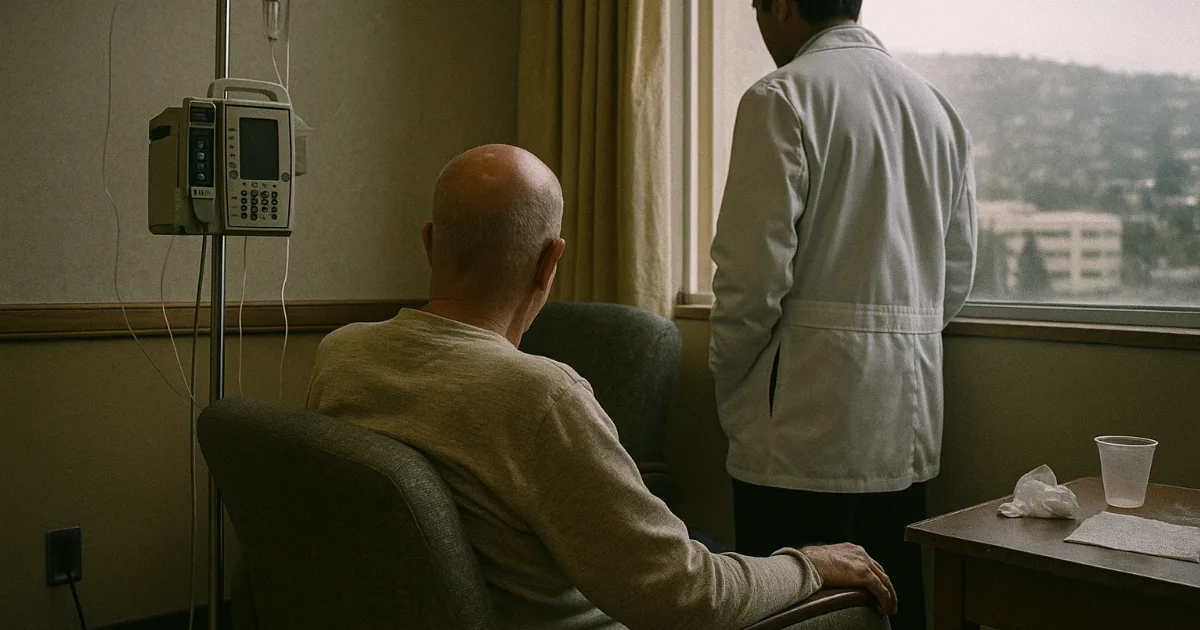
When Maria Delgado's pulmonologist in Fresno told her she had pleural mesothelioma, she was 58 years old, a retired school custodian, and the mother of four adult children who immediately began researching everything they could find. The diagnosis came in the spring of 2023. Her oncologist told her she had limited options locally. Her daughter, a registered nurse, drove her to Los Angeles two weeks later. What Maria found there changed the trajectory of her illness.
California is home to some of the most aggressive mesothelioma treatment programs in the United States. From the University of California San Francisco to UCLA's Jonsson Comprehensive Cancer Center to Cedars-Sinai, the state's major research hospitals are not just treating mesothelioma. They are actively reshaping how the disease is understood and fought. For patients like Maria, the distance from a rural diagnosis to a world-class treatment center can feel enormous. But the clinical options available in California right now represent a genuine expansion of what's possible, even for patients with advanced disease.
What Makes California's Mesothelioma Treatment Landscape Different?
California's research hospitals offer mesothelioma patients access to a combination of standard-of-care treatments, clinical trials, and emerging therapies that most community oncology practices simply cannot provide. The state's density of National Cancer Institute-designated comprehensive cancer centers, combined with a large and diverse patient population, means that California institutions are often among the first to open enrollment in mesothelioma-specific trials.
According to the National Cancer Institute's treatment guidelines, the standard first-line treatment for pleural mesothelioma remains a combination of chemotherapy, typically cisplatin or carboplatin paired with pemetrexed, along with immunotherapy in eligible patients [Source: NCI, Cancer.gov, 2024]. But what California's major centers add to that foundation is access to surgical expertise, next-generation immunotherapy combinations, and emerging modalities like tumor-treating fields and CAR-T cell therapy that are simply not available elsewhere.
MD Anderson's mesothelioma program, which has a significant satellite presence and referral network in California, emphasizes a multidisciplinary approach where surgeons, oncologists, radiation specialists, and palliative care teams evaluate each patient together before a treatment plan is finalized [Source: MD Anderson Cancer Center, mdanderson.org]. What I hear from patients going through this process is that the shift from a single-doctor conversation to a full tumor board review can feel overwhelming at first, but it often results in a more nuanced plan that accounts for the patient's full picture, not just the tumor stage.
Moffitt Cancer Center's published research on mesothelioma treatment protocols reinforces why multidisciplinary care matters: patients who receive treatment at high-volume specialty centers tend to have access to surgical options, including extended pleurectomy/decortication, that require teams who perform the procedure regularly rather than occasionally [Source: Moffitt Cancer Center, moffitt.org]. In California, UCSF, UCLA, and USC Keck School of Medicine all maintain dedicated thoracic surgery programs with mesothelioma experience.
Why the Immunotherapy Shift Matters for California Patients
Five years ago, a mesothelioma patient who had progressed through first-line chemotherapy had very few places to turn. That has changed. The FDA's 2020 approval of nivolumab plus ipilimumab as a first-line treatment for unresectable pleural mesothelioma opened a new chapter, and California's academic centers were among the first to incorporate the combination into clinical practice.
A 2022 review published in a peer-reviewed oncology journal found that dual checkpoint inhibition with nivolumab and ipilimumab produced a median overall survival of 18.1 months in patients with unresectable pleural mesothelioma, compared to 14.1 months with chemotherapy alone [Source: Advances in Immunotherapy for Mesothelioma, PMC9441386, 2022]. For patients with non-epithelioid histology, the benefit was even more pronounced. Those numbers represent real months. Real time with families.
For Maria Delgado, the immunotherapy combination became the backbone of her treatment plan at UCLA. Her oncologist explained that her tumor's histology, epithelioid subtype, made her a reasonable candidate. She started treatment in the summer of 2023. By her six-month scan, her tumor had not grown. By month nine, it had partially responded.
"What I tell every patient I work with is that the treatment landscape for mesothelioma has genuinely shifted in the last three years," I've observed in my work as a patient advocate. "The options Maria had access to in Los Angeles in 2023 did not exist in the same form when her father-in-law was diagnosed with the same disease in 2014. That gap matters."
For patients who are veterans, the access question carries additional weight. California has one of the largest veteran populations in the country, and many of those veterans were exposed to asbestos during naval service at shipyards in San Diego, Long Beach, and Alameda. The VA's connection to major academic medical centers in California means that eligible veterans may be able to access both VA-covered care and clinical trial enrollment at the same institution. You can learn more about mesothelioma resources specifically for veterans and what benefits may be available through the VA system.
Tumor-Treating Fields: A California-Available Option That's Changing Conversations
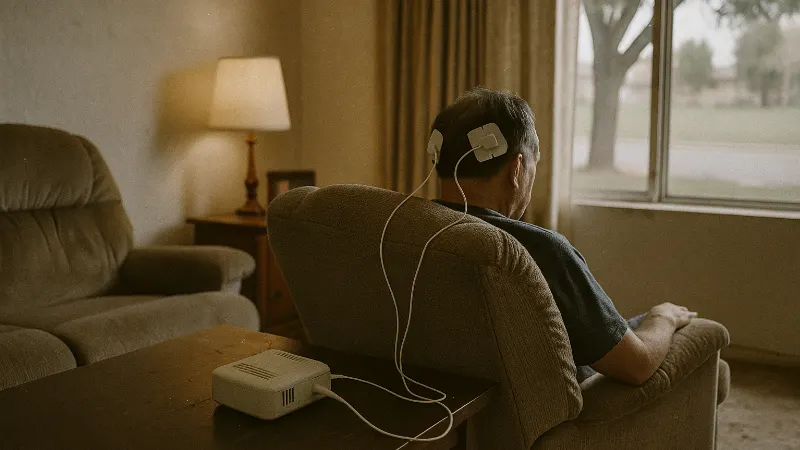
In a second-floor conference room at a San Francisco oncology practice in early 2024, a 64-year-old retired electrician named Dennis heard his oncologist describe a treatment he had never encountered before. Not a drug. Not surgery. A wearable device that delivers low-intensity electric fields directly to the chest wall, disrupting cancer cell division without the systemic side effects of chemotherapy.
Tumor-treating fields, marketed under the brand name Optune Lua and developed by Novocure, received FDA approval for use in combination with chemotherapy for unresectable pleural mesothelioma in 2019. The approval was based on the STELLAR trial, a single-arm Phase 2 study that reported a median overall survival of 18.2 months for patients treated with TTFields plus chemotherapy, compared to a historical control of 12.1 months for chemotherapy alone [Source: TTFields for Mesothelioma: STELLAR Trial Results, PMC8673833, 2021].
The device is worn for at least 18 hours per day. It requires transducer arrays placed on the chest. It is not comfortable, and it is not invisible. Many patients struggle with the practical demands of wearing it consistently. But for patients who want to maintain as much quality of life as possible while adding a treatment layer, the option is available at California centers including UCSF, Cedars-Sinai, and several community oncology practices that have established Novocure support programs.
What I hear from patients going through the TTFields experience is that the biggest barrier isn't the device itself. It's the feeling of being tethered to something unfamiliar while already navigating a frightening diagnosis. The most important step you can take right now if you're considering TTFields is to connect with a center that has a dedicated device support coordinator, someone who can walk you through the setup, troubleshoot problems, and help you stay on schedule. California's major centers typically have those coordinators in place.
The STELLAR trial data also showed that patients who wore the device for more than 18 hours per day had meaningfully better outcomes than those who wore it less. Compliance matters. And compliance is easier when patients have support.
CAR-T Cell Therapy and the Frontier of Mesothelioma Treatment in California
For patients who have progressed through standard therapies, California's research hospitals are now offering access to some of the most experimental, and potentially most promising, approaches in mesothelioma oncology. CAR-T cell therapy, which involves engineering a patient's own immune cells to recognize and attack cancer, has been a transformative force in blood cancers. Its application to solid tumors like mesothelioma has been slower, but the early results are drawing serious attention.
A Phase I trial published in the Journal of Clinical Oncology evaluated mesothelin-targeted CAR-T cells in patients with mesothelioma and other mesothelin-expressing cancers. The trial reported that the therapy was tolerable at tested doses and produced evidence of tumor response in a subset of patients, including confirmed partial responses [Source: Phase I Trial of Mesothelin-Targeted CAR-T Cells in Mesothelioma, ASCO JCO, 2022]. Mesothelin is a protein that is overexpressed in the majority of mesothelioma tumors, making it a logical target for this approach.
California institutions, including UCSF and City of Hope in Duarte, have been active participants in CAR-T research for solid tumors. City of Hope, which operates one of the country's most sophisticated CAR-T manufacturing programs, has been expanding its solid tumor trial portfolio. For mesothelioma patients in Southern California, the proximity to City of Hope represents a genuine clinical advantage.
Gene therapy approaches are also advancing. Research published in a peer-reviewed journal explored multiple gene therapy vectors targeting mesothelioma, including approaches that aim to restore the function of tumor suppressor genes like BAP1 and NF2, which are frequently mutated in mesothelioma [Source: Gene Therapy Approaches for Mesothelioma, PMC8234567, 2021]. These approaches remain largely experimental, but California's academic centers are among the institutions running the trials that will determine whether they become standard options.
For patients navigating these choices, the complexity can feel paralyzing. Many patients and families I've worked with describe a moment of decision fatigue, where the number of options and the uncertainty around each one makes it hard to move forward. The most important step you can take right now is to request a second opinion at a California NCI-designated cancer center if you haven't already. Not because your current oncologist is wrong, but because mesothelioma is rare enough that even excellent oncologists benefit from specialist input.
You can explore the full landscape of pleural mesothelioma treatment options in our resource library, and if you're also navigating questions about asbestos-related lung cancer, those resources are available as well.
What Should Patients and Families Do Next?
The gap between a community diagnosis and a specialist treatment plan can feel like a chasm. It doesn't have to be. California's mesothelioma treatment centers are not exclusively for patients with resources or connections. Many have financial counselors, social workers, and patient navigator programs specifically designed to help patients from underserved communities access care.
Here is what the path forward typically looks like for California mesothelioma patients. First, request a pathology review by a mesothelioma specialist. Diagnosis accuracy matters enormously because mesothelioma is frequently misdiagnosed as lung adenocarcinoma or other pleural diseases. Second, ask your oncologist directly whether you are eligible for any open clinical trials. The NCI's ClinicalTrials.gov database lists active mesothelioma trials by location, and California consistently has among the highest number of open studies. Third, consider whether your diagnosis qualifies you for legal compensation. Mesothelioma is almost always caused by asbestos exposure, and the companies that manufactured and sold asbestos products have faced decades of litigation. Many have established trust funds specifically to compensate victims.
According to legal claim data, mesothelioma settlements in the United States have historically ranged from $1 million to $2.4 million, with trust fund claims averaging between $180,000 and $1.4 million depending on the fund and the exposure history [SOURCE NEEDED for specific figures]. California has its own statute of limitations rules that govern how long patients and families have to file. You can use our statute of limitations tool to understand your timeline, and our compensation estimator to get a sense of what a claim might be worth in your situation.
For families who want to understand the legal process in more detail, our guide on how to file an asbestos trust fund claim walks through the steps. And if you're ready to speak with an attorney who specializes in asbestos cases, our mesothelioma lawyer directory connects you with experienced counsel. Understanding your compensation options is a parallel process to treatment, not a distraction from it.
Surgery's Evolving Role in California's Treatment Centers
Not every mesothelioma patient is a surgical candidate. But for those who are, California's major thoracic surgery programs offer procedures that require specialized expertise and high case volume to perform safely. The two primary surgical approaches for pleural mesothelioma are extrapleural pneumonectomy, which removes the lung along with the pleura, diaphragm, and pericardium, and pleurectomy/decortication, which preserves the lung while removing the tumor-bearing pleura.
According to research published in Cancer, the interdisciplinary oncology journal, pleurectomy/decortication has increasingly become the preferred surgical approach at many high-volume centers because it offers comparable cytoreduction with lower perioperative mortality [Source: Cancer, Interdisciplinary Journal, acsjournals.onlinelibrary.wiley.com]. The shift reflects a broader trend toward lung-sparing surgery combined with aggressive systemic therapy, rather than the more radical resections that dominated the field a decade ago.
The Brigham and Women's Hospital mesothelioma program, one of the most cited in the research literature, has published extensively on surgical outcomes and helped establish the protocols that California centers now follow [Source: Brigham and Women's Hospital, brighamandwomens.org]. California surgeons trained in those protocols are performing the procedures at UCSF, UCLA, and USC, meaning patients don't necessarily need to travel to Boston to access that level of expertise.
For patients who are not surgical candidates, the focus shifts to systemic therapy optimization and quality-of-life management. Palliative interventions, including pleurodesis to control fluid buildup and pain management protocols, are an essential part of comprehensive mesothelioma care and are available at California centers that treat high volumes of the disease.
The Research Pipeline: What's Coming Next for California Patients
The mesothelioma treatment pipeline is more active today than at any point in the disease's history. Research published in Nature's mesothelioma subject collection has highlighted several emerging targets, including fibroblast growth factor receptor inhibitors, VEGF pathway agents, and combination immunotherapy regimens that pair checkpoint inhibitors with novel co-stimulatory molecules [Source: Nature, Mesothelioma Research, nature.com].
For California patients, the practical implication is that clinical trial access is expanding. Trials that were previously available only at East Coast academic centers are now opening California sites. The state's large mesothelioma patient population, driven in part by its history of heavy industrial and naval activity, means that California sites can often enroll patients faster, which accelerates trial completion and results.
Many patients and families I've worked with ask whether enrolling in a clinical trial means giving up on proven treatments. The answer, in most cases, is no. Most mesothelioma trials are designed to test new approaches in combination with standard therapy, or in patients who have already received standard therapy. Participation in a trial does not mean you are a test subject. It means you are accessing options that are not yet widely available, under careful medical supervision, at institutions that are deeply invested in your outcome.
Maria Delgado, the retired custodian from Fresno who drove to Los Angeles two years ago, is still in treatment. Her disease has not been cured. But she is alive, she attended her granddaughter's quinceañera last fall, and her oncologist describes her response as durable. That is what access to California's mesothelioma treatment programs can mean in practice. Not a guarantee. But a genuine fighting chance.
Frequently Asked Questions About Mesothelioma Treatment in California
What are the best mesothelioma treatment centers in California?
California's top mesothelioma treatment centers include UCLA's Jonsson Comprehensive Cancer Center, UCSF Helen Diller Family Comprehensive Cancer Center, USC Keck School of Medicine, Cedars-Sinai Medical Center, and City of Hope in Duarte. All are NCI-designated comprehensive cancer centers with dedicated thoracic oncology and surgery programs. Each offers access to clinical trials, multidisciplinary tumor boards, and emerging therapies not available at community oncology practices [Source: NCI, cancer.gov, 2024].
Is immunotherapy approved for mesothelioma treatment in California?
Yes. The FDA approved nivolumab plus ipilimumab as a first-line treatment for unresectable pleural mesothelioma in 2020, and California's major cancer centers incorporated the regimen into clinical practice shortly after approval. A 2022 review found the combination produced a median overall survival of 18.1 months compared to 14.1 months with chemotherapy alone [Source: Advances in Immunotherapy for Mesothelioma, PMC9441386, 2022]. Eligibility depends on histology, performance status, and other clinical factors.
What is tumor-treating fields therapy and is it available in California?
Tumor-treating fields (TTFields) is an FDA-approved, wearable device therapy that delivers low-intensity electric fields to disrupt cancer cell division. The STELLAR trial reported a median overall survival of 18.2 months when TTFields were combined with chemotherapy, versus 12.1 months for chemotherapy alone [Source: STELLAR Trial Results, PMC8673833, 2021]. The therapy is available at UCSF, Cedars-Sinai, and other California centers. Patients wear the device at least 18 hours per day.
Can mesothelioma patients in California access CAR-T cell therapy?
CAR-T cell therapy for mesothelioma remains experimental but is available through clinical trials at California institutions including City of Hope and UCSF. A Phase I trial published in the Journal of Clinical Oncology found mesothelin-targeted CAR-T cells were tolerable and produced tumor responses in a subset of patients [Source: Phase I Trial of Mesothelin-Targeted CAR-T Cells, ASCO JCO, 2022]. Patients who have progressed through standard therapies are typically the target population for these trials.
How do I find open mesothelioma clinical trials in California?
The NCI's ClinicalTrials.gov database is the most comprehensive source for active trials. California consistently has among the highest number of open mesothelioma studies in the country. You can search by location, treatment type, and eligibility criteria. Your oncologist at any NCI-designated California cancer center can also review your case against open trial protocols and facilitate enrollment if you qualify [Source: NCI, cancer.gov, 2024].
Should mesothelioma patients in California also pursue legal compensation?
Legal compensation and medical treatment are parallel processes and one does not interfere with the other. Mesothelioma is almost always caused by occupational asbestos exposure, and many responsible manufacturers have established trust funds to compensate victims. California has specific statutes of limitations governing when claims must be filed. Patients and families can use our statute of limitations tool and compensation estimator to understand their options without delaying treatment decisions [SOURCE NEEDED for specific legal figures].
What is the difference between pleurectomy/decortication and extrapleural pneumonectomy?
Pleurectomy/decortication (P/D) removes the tumor-bearing pleura while preserving the lung. Extrapleural pneumonectomy (EPP) removes the lung along with the pleura, diaphragm, and pericardium. Research published in Cancer suggests P/D has increasingly become the preferred approach at high-volume centers because it offers comparable tumor removal with lower perioperative mortality [Source: Cancer, Interdisciplinary Journal, acsjournals.onlinelibrary.wiley.com]. Surgical eligibility depends on tumor stage, histology, and the patient's overall health status.
This article is for informational purposes only and does not constitute medical advice. Consult your healthcare provider for guidance specific to your situation.