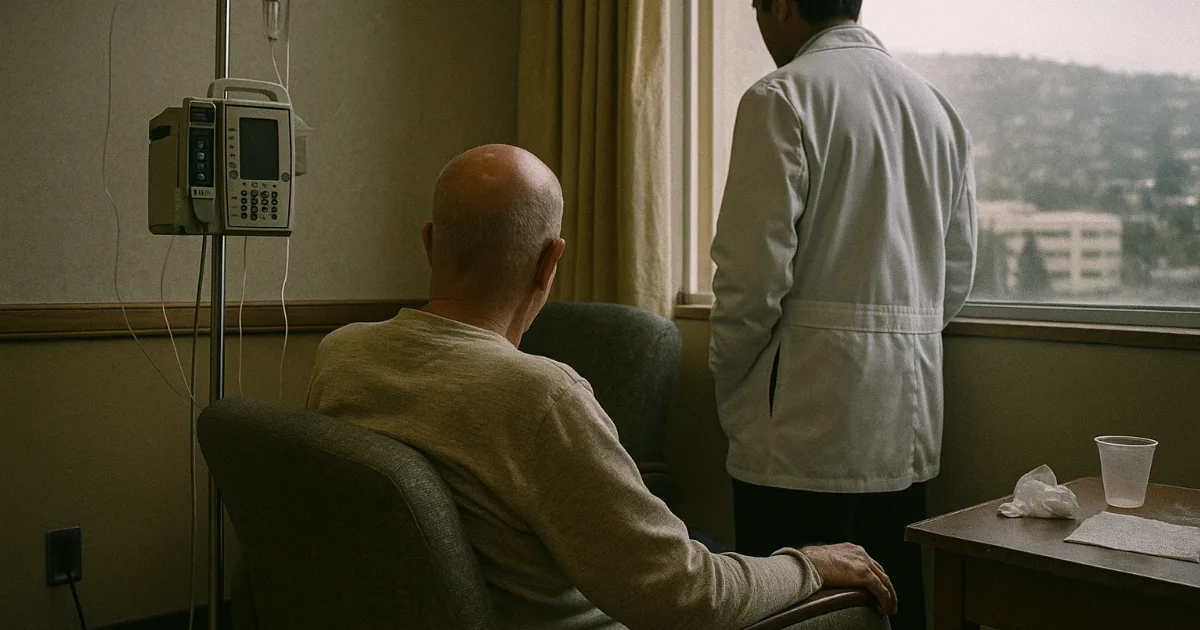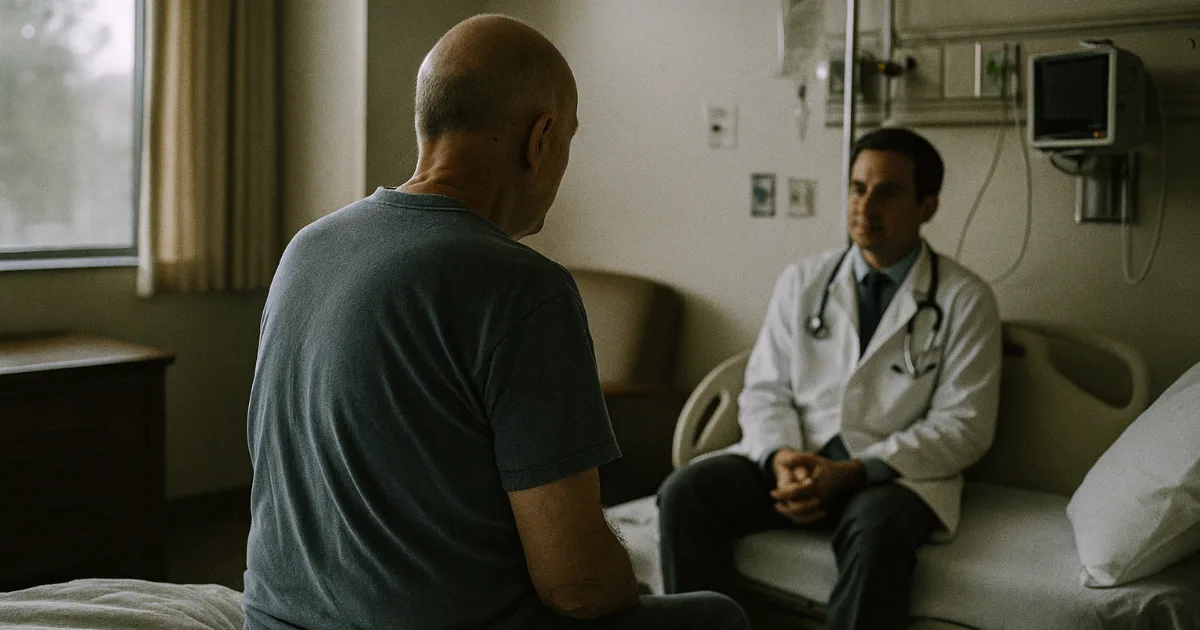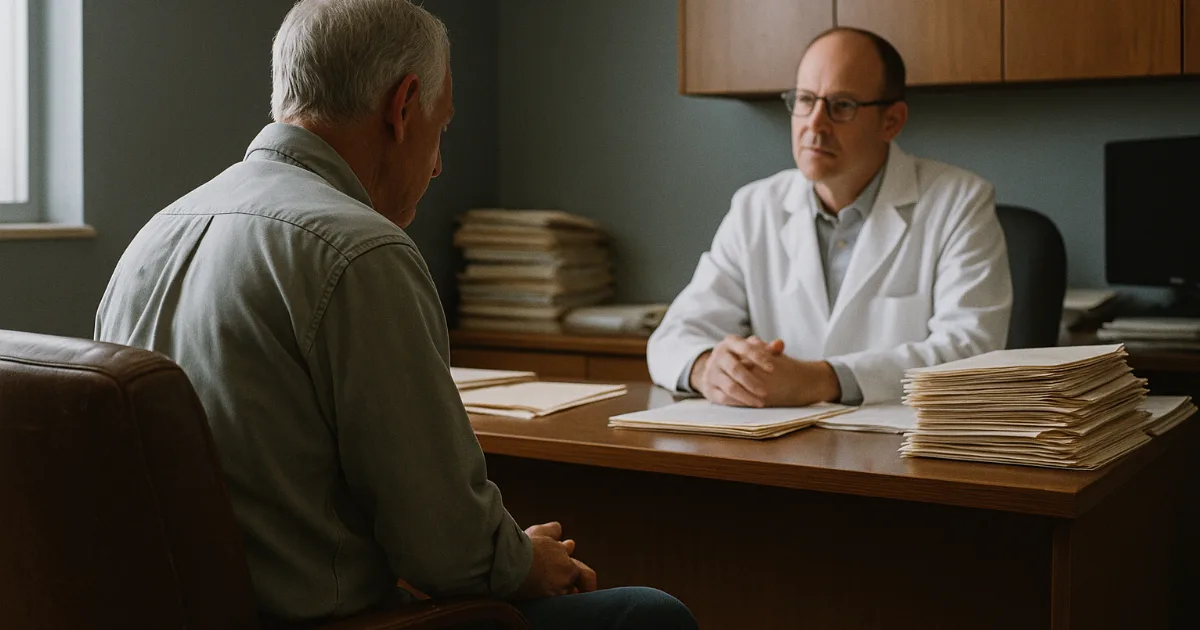
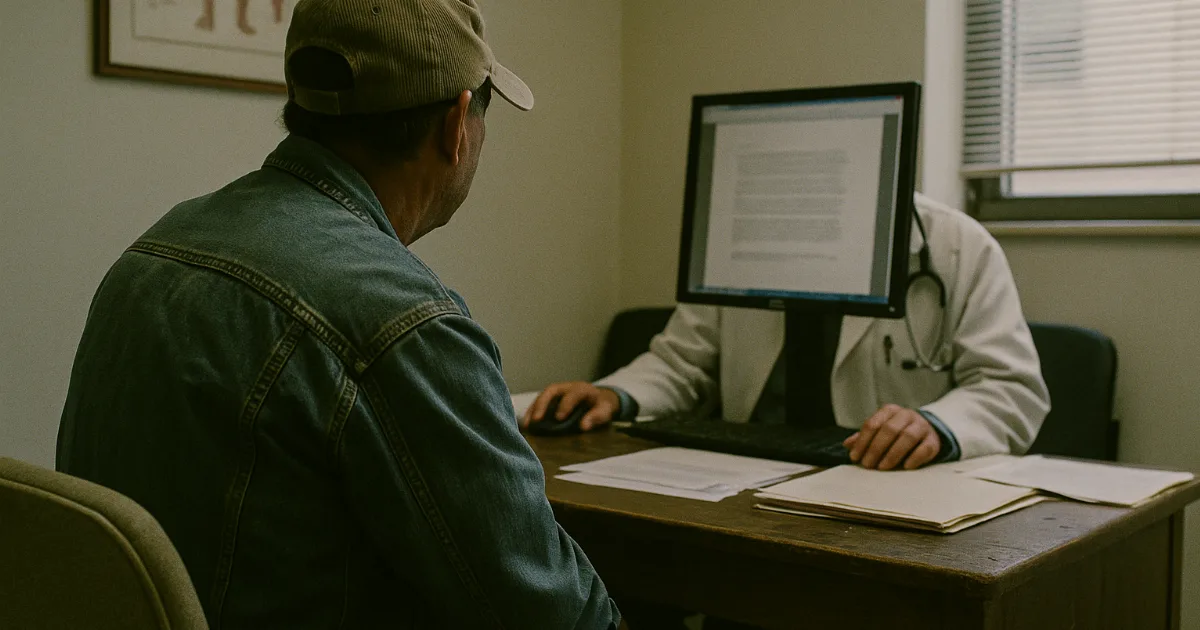
SAN FRANCISCO, CA — The phone call came the way it always does: a scan, a specialist, a word that changes everything. But for mesothelioma patients in California right now, what comes after that call looks meaningfully different than it did even three years ago. The state has emerged as one of the most active hubs for mesothelioma clinical research in the country, with multiple trials actively recruiting patients across institutions from Los Angeles to the Bay Area.
California's Clinical Trial Landscape Is Expanding
According to ClinicalTrials.gov, California currently hosts multiple open mesothelioma trials actively recruiting patients, spanning immunotherapy combinations, surgical approaches, and novel targeted agents [Source: ClinicalTrials.gov, 2025]. That concentration of research activity reflects both the state's dense network of academic medical centers and the sheer volume of patients still being diagnosed decades after asbestos use peaked in California's shipyards, refineries, and construction industries.
The expansion of trial access arrives alongside a landmark shift in standard-of-care treatment. In October 2020, the FDA approved nivolumab plus ipilimumab as a first-line treatment for adults with unresectable malignant pleural mesothelioma, the first new approval for this disease in more than 15 years [Source: FDA, 2020]. The CheckMate 743 trial, published in The Lancet, demonstrated that patients receiving the immunotherapy combination had a median overall survival of 18.1 months compared to 14.1 months with chemotherapy alone, a statistically significant improvement that has reshaped how oncologists approach newly diagnosed cases [Source: The Lancet, Baas et al., 2021].
Why This Matters for Patients Diagnosed Today
What I hear from patients going through this is that the diagnosis itself feels like a door slamming shut. But the data tells a different story for those who get connected to the right treatment center quickly. California's concentration of specialized programs means that patients here have access to multidisciplinary teams, surgical expertise, and experimental protocols that simply aren't available in smaller markets.
For pleural mesothelioma patients who are surgical candidates, the options have also grown more nuanced. A 2021 systematic review and meta-analysis published in a peer-reviewed journal found that pleurectomy/decortication may offer comparable survival outcomes to the more radical extrapleural pneumonectomy while preserving lung function and potentially improving quality of life [Source: PMC, Taioli et al., 2021]. That finding has prompted many California surgical teams to revisit their approach to operable cases, prioritizing lung-sparing procedures where feasible.
"The most important step you can take right now, if you've just received a mesothelioma diagnosis in California, is getting to a center that sees enough of these cases to have a real protocol," said Yvette Abrego, patient advocate. "A community oncologist who treats two mesothelioma patients a year is not the same as a team at a major academic center that treats two a month."
Patients can explore mesothelioma [diagnosis and treatment options](https://mesothelioma-lung-cancer.org/diagnosis-treatment/) and find specialized care through the mesothelioma locations directory.
What Patients and Families Should Do Now
Many patients and families I've worked with don't realize that enrolling in a clinical trial isn't a last resort. In many cases, it's the fastest path to accessing treatments that aren't yet commercially available. California's active trial portfolio means that patients diagnosed today may be eligible for regimens that combine immunotherapy with novel surgical techniques or targeted agents, approaches that simply weren't on the table five years ago.
For patients with a history of occupational asbestos exposure in California's naval facilities, refineries, or construction sites, the treatment conversation doesn't happen in isolation from the legal one. Understanding what compensation options/) may be available can affect a family's ability to afford travel to a specialized center, cover gaps in insurance, or simply reduce the financial pressure that makes treatment decisions harder.
The convergence of expanded immunotherapy access, growing surgical evidence, and an active clinical trial ecosystem makes California one of the most consequential places in the country to receive a mesothelioma diagnosis right now. The question is whether patients are getting connected to those resources quickly enough to benefit from them.
This article is for informational purposes only and does not constitute medical advice. Consult your healthcare provider for guidance specific to your situation.