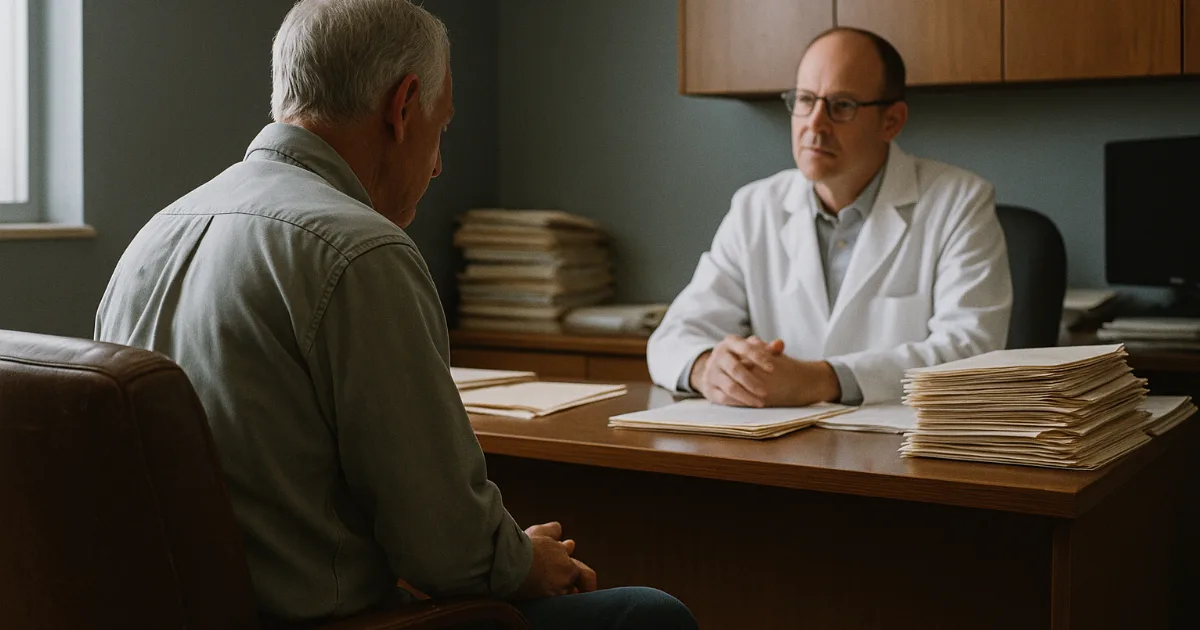
LOS ANGELES, CA — For most of his adult life, a 61-year-old former insulation contractor from San Diego assumed the shortness of breath was just age catching up with him. When his oncologist finally said the word "mesothelioma" last spring, his next question was immediate: where in California can I actually get treated? The answer, increasingly, is: more places than ever, with more tools than ever before.
A Convergence of Treatments Is Reshaping What's Possible
California's major cancer centers are now offering patients access to a combination of immunotherapy and Tumor Treating Fields (TTFields), a pairing that has shown meaningful survival gains in clinical data. According to results from the STELLAR trial, published in a peer-reviewed analysis available through the National Center for Biotechnology Information, TTFields combined with chemotherapy extended median overall survival to 18.2 months in pleural mesothelioma patients, compared to historical controls [Source: NCBI, PMC8673833]. That number matters because the median survival for mesothelioma has historically hovered between 12 and 21 months depending on stage and cell type, according to SEER data from the National Cancer Institute [Source: SEER, seer.cancer.gov].
Institutions like Memorial Sloan Kettering Cancer Center, which maintains a dedicated mesothelioma program, have been at the forefront of integrating these approaches. According to MSKCC's published treatment protocols, patients are evaluated for multimodal therapy that can include surgery, systemic therapy, and emerging options like TTFields and immunotherapy combinations [Source: MSKCC, mskcc.org]. California patients who cannot travel to New York are finding comparable expertise at regional centers, and navigating those options is now a central challenge for newly diagnosed patients and their families.
Why This Moment Matters for California Patients Specifically
California carries a disproportionate share of the national mesothelioma burden. Decades of shipbuilding, refinery work, and construction in cities like Long Beach, Richmond, and San Francisco exposed hundreds of thousands of workers to asbestos, and those exposures are still producing diagnoses today, often 30 to 50 years after the fact. The state's size also means that treatment access is uneven. A patient in Fresno or Bakersfield faces a fundamentally different landscape than one in San Francisco or Los Angeles.
What I hear from patients going through this is that the diagnosis itself is only the first shock. The second is realizing how quickly they need to make decisions about where to go and what treatment path to pursue, often without a clear roadmap. The expansion of mesothelioma-specific protocols at California-based centers is beginning to close that gap, but it requires patients to ask the right questions and seek out the right specialists.
Research published in journals indexed through Clinical Cancer Research and Nature's mesothelioma subject collection continues to refine which patients benefit most from which combinations, with biomarker profiling increasingly guiding those decisions [Source: AACRJOURNALS, clincancerres; Source: Nature, nature.com/subjects/mesothelioma]. Early detection biomarkers are also under active investigation, with fibulin-3 and soluble mesothelin-related peptides among the markers being studied to catch the disease before symptoms become severe [Source: NCBI, PMC9167402].
"The most important step you can take right now is getting to a specialist who sees mesothelioma regularly, not a general oncologist who sees it once a year. The difference in what they know, and what they'll offer you, is enormous."
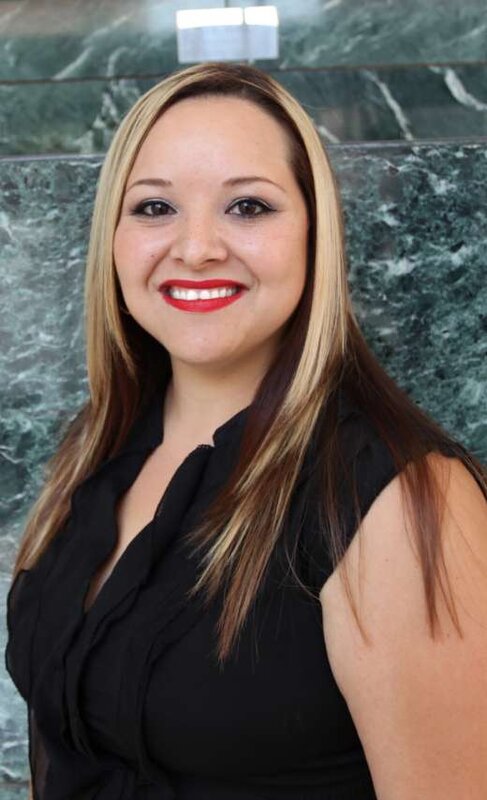
— Yvette Abrego, Patient Advocate
What This Means for Patients and Families Navigating Treatment Decisions
Many patients and families I've worked with arrive at their first oncology appointment not knowing that mesothelioma is treated differently from other lung cancers, or that chemotherapy for mesothelioma involves specific drug regimens that a general oncologist may not routinely administer. The standard first-line regimen of pemetrexed plus cisplatin or carboplatin remains a backbone of treatment, but it is now frequently paired with immunotherapy agents like nivolumab or pembrolizumab in eligible patients.
For California patients, the practical starting point is identifying a center with a dedicated mesothelioma program. Our treatment center directory lists verified specialists and programs by state, including California-specific options. Patients should also understand their full range of options, including clinical trial eligibility, which can be assessed through a diagnosis and treatment overview before the first specialist appointment.
Financial concerns are real and valid. Treatment at a specialized center often involves travel, lodging, and time away from work, costs that compound on top of medical bills. Understanding what compensation may be available through asbestos trust funds or legal claims is a parallel conversation worth starting early. A compensation estimator can help families understand what financial support may be within reach while treatment decisions are still being made.
This article is for informational purposes only and does not constitute medical advice. Consult your healthcare provider for guidance specific to your situation.