


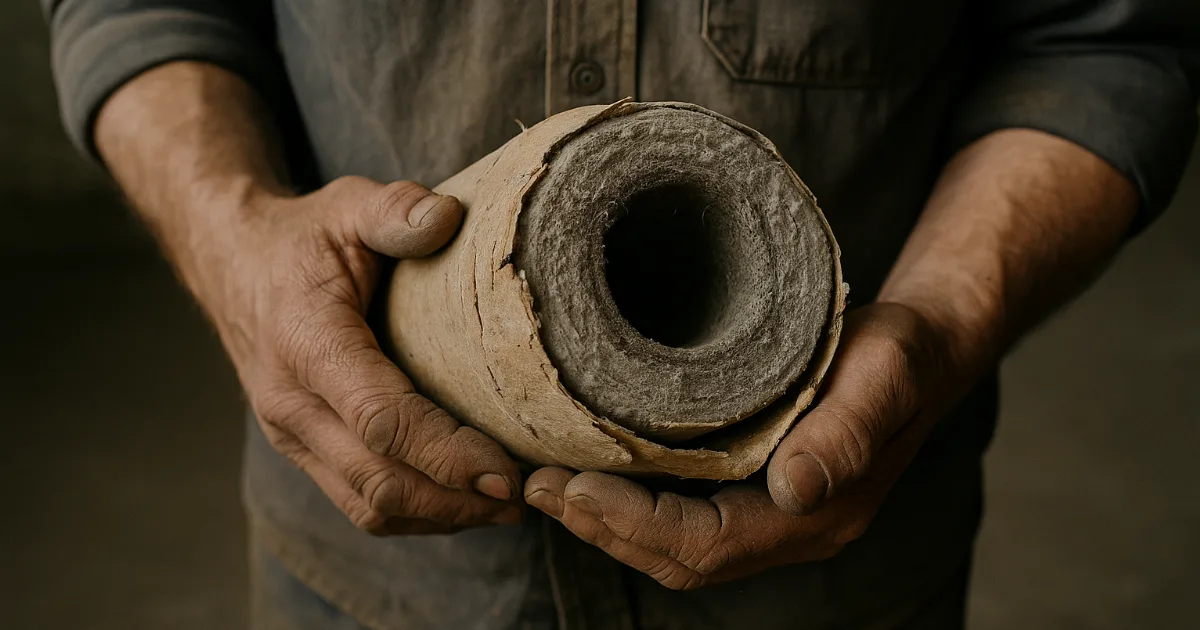
CHICAGO, IL — Thirty-seven years after Robert Callahan last touched a roll of asbestos pipe insulation at a South Side industrial facility, a Cook County jury delivered a verdict his family never stopped believing they deserved: $18.5 million in damages against two former insulation manufacturers whose products, the jury found, directly caused his pleural mesothelioma diagnosis and death.
The verdict, reached in late January 2026, is drawing attention from asbestos litigation attorneys across the Midwest. It reinforces what legal observers have been watching build in Illinois courtrooms for years: juries in Cook County are not only willing to hold manufacturers accountable, they're doing so with dollar amounts that reflect the full human cost of corporate negligence.
What the Jury Found — and Why It Matters
According to court documents reviewed by Reuters and reported through Law360's asbestos litigation coverage, the Callahan family's attorneys argued that Robert was exposed to asbestos-containing insulation products manufactured by two now-defunct companies throughout the 1970s and 1980s. Neither company adequately warned workers about the cancer risk, despite internal knowledge dating back decades. The jury agreed, assigning fault to both defendants and awarding $11.2 million in compensatory damages and $7.3 million in punitive damages.
Punitive damages in asbestos cases are not guaranteed. Courts award them specifically when evidence shows that a manufacturer knew about the health risks of their product and concealed that information from workers and the public. In my experience representing mesothelioma families, verdicts that include punitive damages send a message that resonates far beyond the courtroom — they signal to other manufacturers that concealment has a price.
Illinois has long been one of the most active jurisdictions for asbestos litigation in the country, according to reporting from Bloomberg's asbestos legal coverage. Cook County's court system processes hundreds of mesothelioma filings each year, and its juries have developed a reputation for carefully weighing occupational exposure evidence. The Callahan verdict fits a pattern that the American Bar Association's Tort Trial and Insurance Practice Section has documented: as medical science strengthens the causal link between specific asbestos products and mesothelioma, juries are increasingly willing to assign full accountability.
Why Illinois Courts Have Become a Proving Ground for Asbestos Justice
The legal landscape for asbestos victims in Illinois carries specific advantages that families in other states don't always have access to. Illinois allows mesothelioma plaintiffs to sue in the county where their exposure occurred, which often means Cook County for workers who spent careers in Chicago's industrial corridor. That matters because Cook County juries have a documented history of understanding occupational disease claims.
What the courts have consistently recognized in Illinois is that the burden of proof for mesothelioma cases doesn't require plaintiffs to identify every asbestos product they ever encountered. Exposure history, employer records, and expert medical testimony can collectively establish causation — and that standard has held up through appellate review.
For families navigating the aftermath of a mesothelioma diagnosis, understanding the difference between a lawsuit and a trust fund claim is often the first critical decision. You can explore that comparison in detail at our guide on lawsuit vs. trust fund claims, which breaks down timelines, payout ranges, and eligibility factors. The Callahan case involved a direct lawsuit against identifiable manufacturers — but in cases where companies have gone bankrupt, trust fund claims often run parallel to or instead of litigation.
Timing is also everything. Illinois imposes a two-year statute of limitations from the date of diagnosis or discovery of the disease, and missing that window can permanently close the door on compensation. Families who are unsure where they stand should use our statute of limitations tool to check their state's specific deadline.
What Families Should Take Away From This Verdict
The Callahan verdict isn't just a headline. It's a data point that experienced Illinois mesothelioma attorneys will use in future settlement negotiations. Defense attorneys for asbestos manufacturers track jury outcomes closely, and a $18.5 million award in Cook County — including punitive damages — raises the floor for what a reasonable settlement should look like in comparable cases.
For families whose loved one worked in construction, industrial maintenance, shipbuilding, or any trade involving asbestos exposure before the 1980s, this verdict is a reminder that accountability is still achievable. The manufacturers who profited from asbestos products for decades are not beyond reach, even now.
Understanding the full scope of available compensation — including trial verdicts, negotiated settlements, and trust fund distributions — requires an attorney who knows Illinois courts specifically. The nuances of venue selection, product identification, and expert witness strategy can determine whether a case settles for $400,000 or goes to trial and returns $18.5 million.
The Callahan family's outcome reflects decades of legal evolution in how Illinois courts handle asbestos claims. For families just beginning this process, that evolution is working in your favor — but only if you move quickly, find the right representation, and understand exactly what your options are.
Attorney Advertising. Past results do not guarantee future outcomes. Every case is unique. The verdicts and settlements described are not a guarantee of similar results. Every case is different.


Comments (2)