
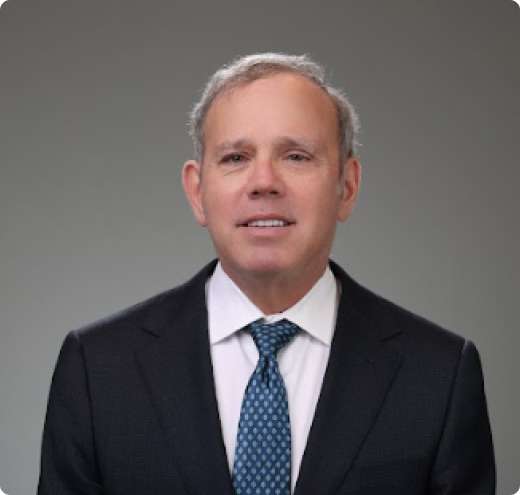
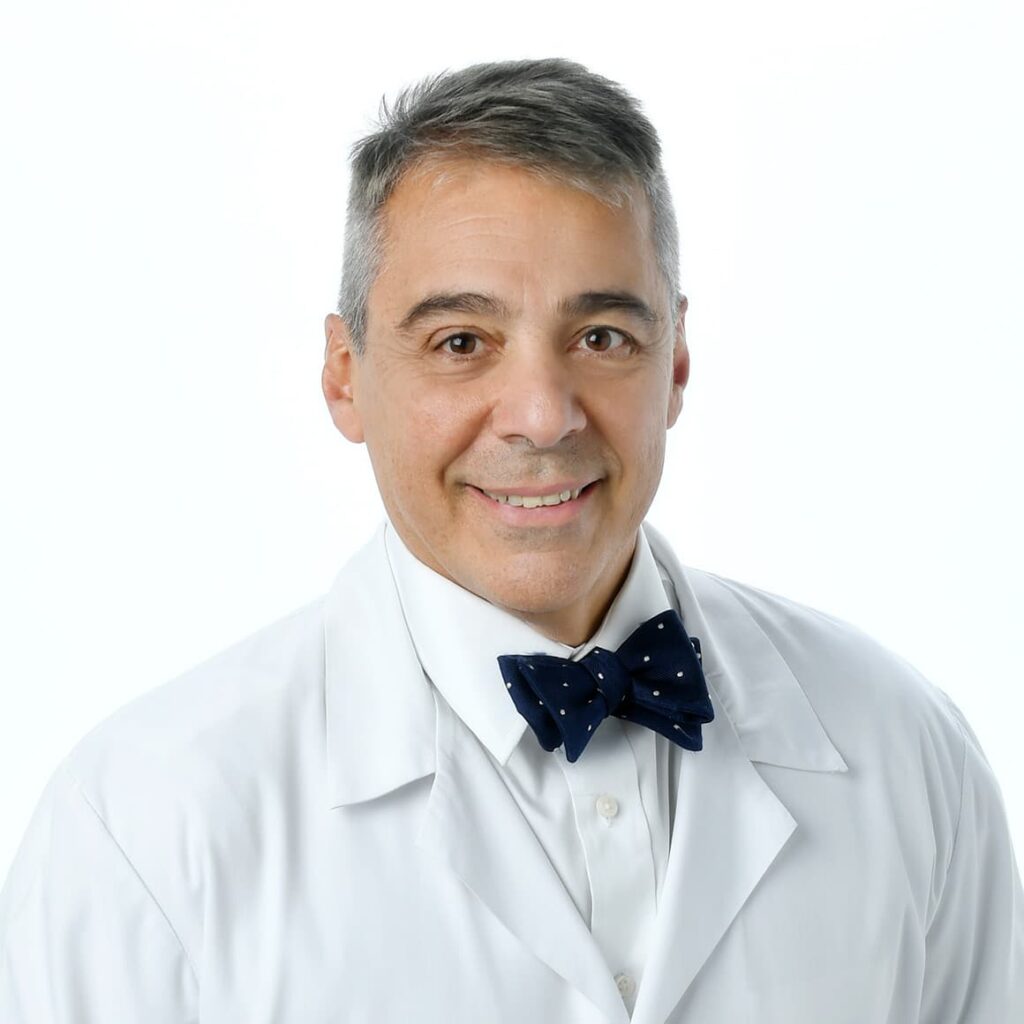

The deposition had been going for four hours when the defense attorney finally asked the question he'd been building toward all afternoon. He wanted the surgeon to admit that the plaintiff's mesothelioma could have had causes other than the asbestos he'd handled for two decades at a Massachusetts shipyard. Dr. Avi Lebenthal, a thoracic surgeon and researcher at Brigham and Women's Hospital in Boston, paused, then answered with the kind of clinical precision that juries tend to remember long after the lawyers' closing arguments fade. The asbestos exposure, he said, was the proximate cause. Full stop.
That moment, reconstructed from court documents and legal filings reviewed across several mesothelioma cases, captures why Lebenthal has become one of the most consequential expert witnesses in asbestos litigation today. His combination of surgical credentials, published research, and willingness to explain complex oncology in plain language has helped shift the evidentiary landscape in cases that once seemed impossible to win. What families need to understand about this process is that the quality of medical expert testimony frequently determines not just whether a case succeeds, but how much compensation a jury ultimately awards.
Who Is Dr. Avi Lebenthal, and Why Do Mesothelioma Cases Turn on His Testimony?
Dr. Avi Lebenthal is a board-certified thoracic surgeon and researcher affiliated with Brigham and Women's Hospital, one of the nation's leading cancer centers and a major hub for mesothelioma research and treatment. He holds faculty appointments at Harvard Medical School and has published peer-reviewed research on minimally invasive thoracic surgery, lung cancer outcomes, and pleural disease, the category of illness that encompasses pleural mesothelioma, the most common form of the cancer.
His academic and clinical profile is precisely what makes him valuable in litigation. According to the American Bar Association's Tort Trial and Insurance Practice Section, expert witnesses in complex medical cases are evaluated on three core criteria: qualifications, reliability of methodology, and relevance of opinion. Lebenthal clears all three bars with room to spare. He operates on patients with mesothelioma and related thoracic malignancies. He publishes in the journals that defense experts cite. And he can explain the pathophysiology of asbestos-related disease to a jury of twelve people who have never heard the word "mesothelium" before.
For families navigating the legal system after a mesothelioma diagnosis, the presence of a credible, high-profile medical expert can be the difference between a settlement offer that barely covers medical bills and a verdict that provides genuine long-term financial security. According to reporting from Law360's asbestos litigation coverage, mesothelioma verdicts in cases with strong medical expert testimony have reached into the multi-million dollar range, with some California verdicts exceeding $30 million in recent years.
Why Expert Testimony Matters More Than Families Realize
Picture a retired insulation contractor named James, sixty-eight years old, diagnosed with pleural mesothelioma after forty years of working with asbestos-containing pipe insulation. His attorney has the exposure history documented. She has the product identification. She has the medical records confirming the diagnosis. What she still needs, to connect all of those facts into a legally actionable claim, is a physician who can stand before a jury and explain, with authority and clarity, how the asbestos fibers James inhaled in the 1970s caused the tumor growing in his chest lining in 2026.
That is the role an expert witness like Lebenthal fills. And it is not a formality. Defense attorneys representing asbestos manufacturers and their insurers employ their own medical experts, often paid handsomely, to argue that causation is uncertain, that the plaintiff's smoking history is the real culprit, or that the exposure levels were too low to be significant. The courtroom becomes, in a very real sense, a battle of credentials and credibility.
"The trust fund system was designed to compensate victims efficiently, but for cases that go to verdict, the expert witness is often the pivotal variable," said Rod De Llano, a senior partner who has represented mesothelioma families for decades. "A surgeon who operates on these patients, who has published on pleural disease, who can look a jury in the eye and explain exactly how asbestos destroys the mesothelium, that witness changes the calculus for every defendant at the table."
According to the National Law Review's litigation coverage, asbestos cases that proceed to trial rather than settling pretrial often do so precisely because defendants believe they can undermine causation arguments. A highly credentialed expert who can withstand aggressive cross-examination removes that strategic advantage.
How Lebenthal's Research Background Strengthens Legal Arguments
One of the underappreciated dimensions of Lebenthal's expert witness profile is what he brings from the research side of his career. Published studies on thoracic surgical outcomes, minimally invasive approaches to pleural disease, and lung cancer staging give him a depth of knowledge that goes beyond clinical practice alone. When a defense attorney challenges the scientific basis for a causation opinion, Lebenthal can respond not just as a practitioner but as someone who has contributed to the peer-reviewed literature that defines the field.
This matters enormously under the legal standards governing expert testimony. Federal courts apply the Daubert standard, which requires that expert opinions be based on sufficient facts or data, reliable methodology, and reasoning that connects the methodology to the facts of the case. State courts vary, with some applying Frye standards or their own evidentiary frameworks. According to LexisNexis asbestos litigation analysis, challenges to expert witnesses under Daubert have become a primary defense strategy in mesothelioma cases, with defendants filing motions to exclude medical experts in a significant percentage of cases that reach the pretrial stage.
A surgeon whose opinions are grounded in published research is substantially harder to exclude under Daubert challenges. His methodology, when challenged, can be traced directly to peer-reviewed sources that courts recognize as reliable. That is a structural advantage that translates directly into better outcomes for plaintiffs.
For patients and families trying to understand what a diagnosis means for their legal options, resources like the mesothelioma compensation guide and the doctor directory can help connect the medical and legal dimensions of a case. Finding a specialist who can serve both as a treating physician and, potentially, as a source of authoritative medical opinion is a strategic consideration that experienced mesothelioma attorneys factor into case planning from the earliest stages.
What the Verdicts Actually Show
The practical impact of strong expert testimony shows up in the numbers. According to California asbestos litigation data reviewed by Law.com, mesothelioma cases in California, which has some of the most active asbestos dockets in the country, have produced verdicts ranging from several million dollars to more than $30 million in cases involving clear occupational exposure and credible medical evidence. California's asbestos statute of limitations, codified in California Code of Civil Procedure Section 340.2, gives plaintiffs one year from the date of diagnosis or discovery to file, a deadline that underscores the urgency of building a legally sound case quickly.
From a litigation standpoint, the structure of these verdicts reveals something important: juries are not simply responding to sympathy for a dying plaintiff. They are responding to the quality and clarity of the medical evidence presented. When a thoracic surgeon explains, in terms a juror can understand, exactly how asbestos fibers penetrate the pleural lining, trigger chronic inflammation, and eventually cause malignant transformation over a latency period of twenty to fifty years, the abstract becomes concrete. The corporate defendant's product becomes causally connected to the human being sitting at the plaintiff's table.
According to Bloomberg's asbestos legal coverage, the litigation landscape in 2026 continues to evolve, with defendants increasingly attempting to shift liability to bankrupt predecessors through the asbestos trust fund system rather than litigating to verdict. The trust fund system was designed to ensure that companies which had already gone through bankruptcy reorganization could still compensate victims without requiring individual lawsuits against each entity. But for cases involving solvent defendants, trial remains a viable and sometimes necessary path, particularly when settlement offers fail to reflect the true severity of the plaintiff's illness and prognosis.
Families who want to understand both pathways, trust fund claims and direct litigation, can use tools like the asbestos trust fund claim guide and the statute of limitations calculator to assess their specific situation before meeting with an attorney.
The Defense Playbook, and How It Gets Countered
Defense attorneys in mesothelioma cases have a well-worn playbook. They challenge the plaintiff's exposure history, arguing that the defendant's specific product was not the one that caused harm. They introduce alternative causation theories, pointing to other potential asbestos sources or comorbidities. They retain their own medical experts to contest the plaintiff's causation opinions. And they file Daubert motions to exclude plaintiff experts before the case ever reaches a jury.
Against a witness like Lebenthal, several of those strategies lose their force. His clinical experience with mesothelioma patients means he can speak to the disease's natural history with authority drawn from direct observation, not just textbook knowledge. His research background means his methodology is documented and peer-reviewed. And his institutional affiliation with Brigham and Women's, a name that carries significant credibility in medical and legal communities alike, makes the credentials attack a difficult argument to sustain.
According to Justia's mesothelioma and asbestos law resources, the causation question in mesothelioma litigation is the central battleground in most contested cases. Establishing that a specific defendant's product was a substantial contributing cause of the plaintiff's disease, rather than merely one of many possible exposures, requires medical testimony that is both scientifically rigorous and narratively coherent. That combination is rarer than it might seem, and it is precisely what makes a surgeon with Lebenthal's profile so valuable to plaintiffs' attorneys building a case.
What families need to understand about this process is that the decision to retain a particular medical expert is not a minor administrative detail. It is a strategic choice that shapes every subsequent phase of litigation, from the defendant's settlement calculations to the jury's ultimate verdict.
Understanding Mesothelioma's Legal Landscape in 2026
The broader context for cases like these is a legal landscape that has been shaped by decades of asbestos litigation. More than sixty companies have established asbestos bankruptcy trusts since the 1980s, collectively holding billions of dollars set aside for victim compensation. According to the RAND Corporation's historical analysis of asbestos litigation, the cumulative number of asbestos claims filed in the United States has exceeded 700,000 over the history of the litigation, making it the largest mass tort in American legal history.
But trust fund claims and direct litigation are not mutually exclusive. Many mesothelioma cases involve both: trust fund claims against bankrupt predecessors and direct lawsuits against solvent defendants who remain in business. The interplay between these two tracks requires careful legal coordination, and the medical evidence that supports a trust fund claim, including the diagnosis, the exposure history, and the causation opinion, is often the same evidence that drives a direct lawsuit.
For patients dealing with a mesothelioma diagnosis or a related lung cancer linked to asbestos exposure, understanding the full landscape of legal options is critical. The mesothelioma answers resource provides a starting point for families trying to understand what their legal rights actually are, and what the process of pursuing compensation looks like in practical terms.
According to Reuters legal reporting, asbestos litigation continues to generate significant jury verdicts in 2026, particularly in jurisdictions with active plaintiffs' bars and experienced asbestos judges who can efficiently manage complex evidentiary records. The presence of a credible, well-credentialed medical expert remains the single most reliable predictor of plaintiff success in cases that proceed to verdict.
What Patients and Families Should Do Next
A mesothelioma diagnosis creates an immediate convergence of medical and legal urgency. Statutes of limitations, which vary by state, typically begin running from the date of diagnosis or the date a patient reasonably should have connected their illness to asbestos exposure. California's one-year window under Code of Civil Procedure Section 340.2 is among the shorter deadlines. Other states allow two or three years. Missing those deadlines permanently forecloses the right to compensation, regardless of how strong the underlying case might be.
Families should take several concrete steps as early as possible. First, seek treatment at a mesothelioma specialty center where physicians have experience with the disease and can provide the detailed medical documentation that legal cases require. Second, consult with an attorney who specializes in mesothelioma litigation, not a general personal injury practice, because the evidentiary and strategic demands of these cases are highly specialized. Third, use available tools, including the statute of limitations calculator, to understand the filing deadlines that apply to your specific situation.
The role of expert witnesses like Dr. Avi Lebenthal in shaping case outcomes is a reminder that mesothelioma litigation is not simply about documenting exposure and filing paperwork. It is about building a scientifically rigorous, narratively compelling case that can withstand aggressive defense strategies and persuade a jury to hold accountable the companies whose products caused irreparable harm. For families facing that process, understanding how the pieces fit together, the diagnosis, the exposure history, the expert testimony, the legal strategy, is the first step toward a just outcome.
Attorney Advertising. Past results do not guarantee future outcomes. Every case is unique. The verdicts and settlements described are not a guarantee of similar results. Every case is different.
Comments (3)
Its interesting that Dr. Lebenthal's approach is working so well in court, but I wonder if people realize how rare this actually is. Most thoracic surgeons won't touch expert witness work because of the professional blowback from their own colleagues and hospital administrators. Ive read his publications on pleural plaques and asbestos-related lung disease going back to the early 2010s, and hes been consistent in his findings. What doesnt get mentioned enough is that Brigham and Women's has actually been supportive of his testimony work, which is unusual for a major academic medical center. A lot of institutions would pressure their doctors to stay quiet. His willingness to put his reputation on the line while maintaining rigorous standards is part of why Daubert challenges fail—he's not just some hired gun, he's a researcher with real data backing him up.
My father worked at the Boston Navy Yard back in the 70s and was exposed to asbestos on the ships they were refitting. He developed mesothelioma in 2019 and passed two years later. We struggled finding an expert who could actually explain the connection between his job duties and his diagnosis in a way that made sense. Reading about Dr. Lebenthal's work at Brigham and Women's — that's literally where my dad had his oncology consultations — gives me some hope for other families going through this now. The fact that he's willing to testify against industry interests despite being part of the medical establishment is rare. I wish we'd had access to someone like him back then. Hopefully more surgeons with his credentials will step up.