

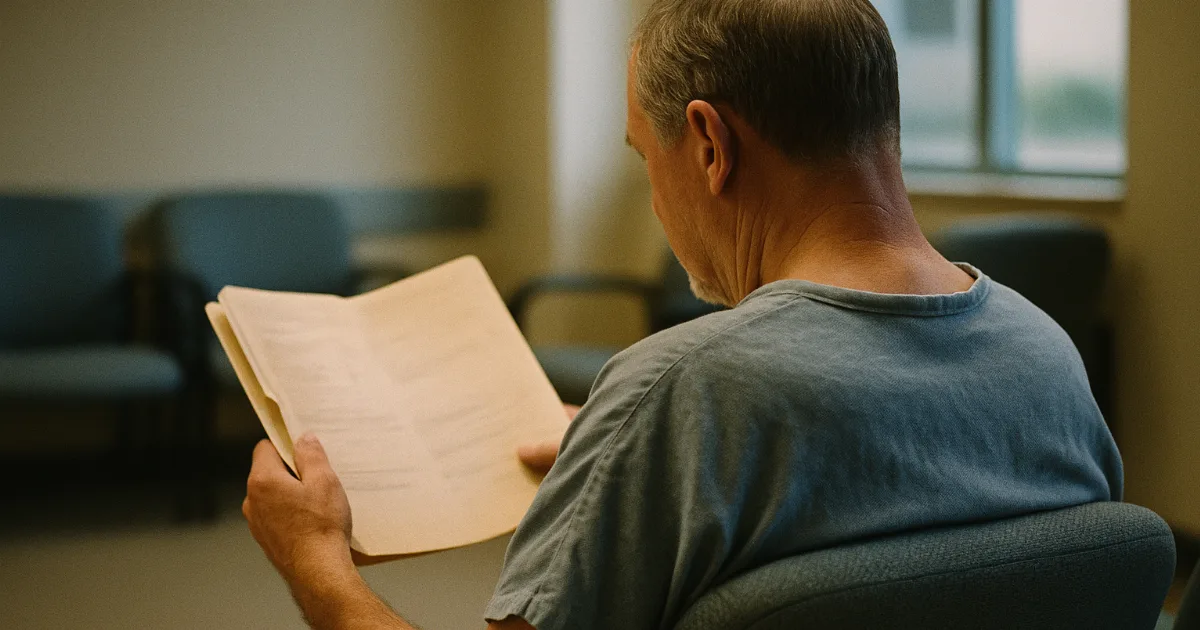
Picture this: A 61-year-old retired electrician from Queens gets a call from his pulmonologist on a Wednesday morning. The CT scan he'd put off for months finally came back, and the radiologist flagged something in the pleural lining of his left lung. By Friday, he has a biopsy appointment at a Manhattan hospital. By the following Tuesday, he has a diagnosis — pleural mesothelioma. What happens next determines everything.
In New York City, the answer to "what happens next" is more complex, more consequential, and — if you know where to look — more hopeful than almost anywhere else in the country. The city is home to a remarkable concentration of thoracic oncologists, surgical specialists, and academic medical centers with active mesothelioma programs. But that abundance can be paralyzing. Patients and families often don't know which hospital to call first, which specialist to ask for, or how to distinguish a general thoracic oncologist from a physician who has dedicated their career to this specific, rare disease.
This guide is for that electrician from Queens. And for the retired shipyard worker from Staten Island, the former insulation installer from the Bronx, and the family member in Brooklyn who is trying to help someone they love navigate a system that wasn't designed to be easy. From an occupational health perspective, the stakes couldn't be higher: mesothelioma moves fast, and so must your care team.
Why New York City Matters for Mesothelioma Care
New York isn't just a major metropolitan area — it's one of the few places in the United States where patients can access multiple National Cancer Institute-designated comprehensive cancer centers within a single subway ride. That geographic density matters enormously for a disease as rare as mesothelioma, which the American Cancer Society estimates is diagnosed in roughly 3,000 Americans each year. Rare diseases demand specialized expertise, and expertise concentrates where case volume is highest.
According to data from the Environmental Working Group, New York State consistently ranks among the top states nationally for mesothelioma mortality, a legacy of its industrial past. New York City's five boroughs were home to some of the most asbestos-intensive industries in the 20th century: shipbuilding at the Brooklyn Navy Yard, power generation facilities throughout the boroughs, commercial construction, and the city's vast network of steam-heated buildings. Workers in these industries were exposed to asbestos at rates that are only now producing diagnoses, given the disease's 20-to-50-year latency period.
What the exposure data reveals is a city still grappling with the consequences of its industrial era. The Brooklyn Navy Yard alone employed tens of thousands of workers during World War II, many of whom handled asbestos insulation on ships and in boiler rooms without any respiratory protection. According to the EPA's documentation on asbestos and shipbuilding, Navy Yard workers faced some of the highest occupational asbestos exposures ever recorded. Decades later, their children and grandchildren are accompanying them to oncology appointments at Memorial Sloan Kettering and NYU Langone.
This isn't just history. It's the patient population walking through hospital doors in 2026.
The Top Mesothelioma Specialists and Programs in New York City
Not all oncologists who treat mesothelioma are created equal. The difference between a community oncologist who occasionally sees a mesothelioma case and a specialist who has treated hundreds of patients with this disease is the difference between standard chemotherapy and a personalized, multimodal treatment plan that may include surgery, immunotherapy, and clinical trial access.
Here's what patients and families need to understand about the NYC landscape.
Memorial Sloan Kettering Cancer Center is widely regarded as the single most important mesothelioma destination in the United States. Its thoracic surgery and thoracic oncology divisions have published foundational research on pleural mesothelioma, peritoneal mesothelioma, and the surgical approaches — including extrapleural pneumonectomy and pleurectomy/decortication — that define the field. MSK's mesothelioma program has the volume, the research infrastructure, and the multidisciplinary team structure that patients with this disease need. For anyone in the New York area, an initial consultation at MSK should be considered a baseline, not a luxury.
NYU Langone's Perlmutter Cancer Center has built a strong thoracic oncology program with dedicated expertise in pleural malignancies. NYU's clinical research program is active, and the center participates in national cooperative group trials that give patients access to investigational therapies. The institution's location in Manhattan makes it accessible to patients from all five boroughs and from Long Island and New Jersey.
Mount Sinai's Tisch Cancer Institute carries particular significance in the mesothelioma world because of its decades-long work on occupational and environmental cancers. The Irving J. Selikoff Center for Occupational and Environmental Medicine at Mount Sinai has been tracking asbestos-related disease since the 1960s, when Dr. Irving Selikoff's landmark studies first established the definitive link between asbestos exposure and mesothelioma. From an occupational health perspective, Mount Sinai's institutional knowledge of the industries and exposures that produced New York's mesothelioma caseload is unmatched.
Weill Cornell Medicine / NewYork-Presbyterian Hospital rounds out the major academic options, offering thoracic oncology expertise within the NewYork-Presbyterian system and access to collaborative research across the Cornell and Columbia campuses.
For patients who want to explore options beyond New York City or seek second opinions at nationally recognized programs, our treatment center directory lists comprehensive cancer centers across the country with verified mesothelioma expertise.
Understanding What Makes a Mesothelioma Specialist Different
Sit in the waiting room of a general oncology practice long enough and you'll see the full spectrum of cancer diagnoses: breast, colon, prostate, lung. Mesothelioma patients are rare even in that context. Many oncologists in community settings see one or two cases a year, if that. A true mesothelioma specialist — the kind you'll find at MSK or Mount Sinai — may see dozens of new cases annually and has participated in the clinical trials and surgical series that define what best-practice care looks like.
The distinction matters in specific, concrete ways. First, pathology: mesothelioma is notoriously difficult to diagnose correctly. The three main histological subtypes — epithelioid, sarcomatoid, and biphasic — carry dramatically different prognoses and respond differently to treatment. Epithelioid mesothelioma, which accounts for roughly 60 to 70 percent of cases according to the National Cancer Institute, generally responds better to chemotherapy and surgery than sarcomatoid disease. A specialist knows how to interpret pathology reports, when to request additional immunohistochemical staining, and when a diagnosis needs to be confirmed by a second pathologist.
Second, staging: the IMIG staging system for pleural mesothelioma is different from the TNM staging used for most solid tumors, and accurate staging determines whether a patient is a surgical candidate. A specialist who performs extrapleural pneumonectomy or pleurectomy/decortication regularly will have a different perspective on resectability than a general thoracic surgeon who rarely encounters the disease.
Third, clinical trials: at the major NYC centers, patients with mesothelioma may have access to trials evaluating next-generation immunotherapy combinations, CAR-T cell therapy, and gene therapy approaches that simply aren't available at community hospitals. Research published in peer-reviewed literature has explored gene therapy approaches for mesothelioma, examining how viral vector delivery of tumor suppressor genes might sensitize cancer cells to standard treatments — a line of investigation that is still evolving but represents exactly the kind of cutting-edge option that only major academic centers can offer.
For a deeper overview of how mesothelioma is classified, staged, and treated, our encyclopedia provides a comprehensive foundation.
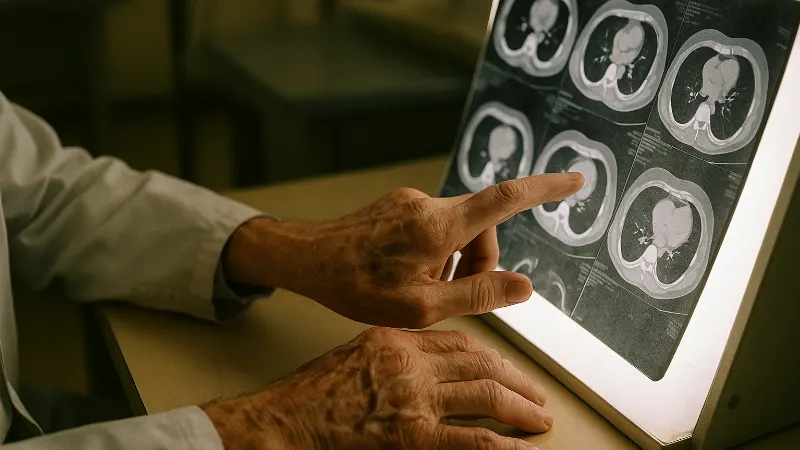
!Experienced surgeon's hands examining CT scan at NYC mesothelioma diagnostic workstation
The Industrial History That Built NYC's Mesothelioma Caseload
To understand why New York City has so many mesothelioma specialists, you have to understand why New York City has so many mesothelioma patients.
The Brooklyn Navy Yard, officially the New York Naval Shipyard, was one of the most significant military-industrial facilities in American history. During World War II, it employed more than 70,000 workers and launched vessels including the USS Missouri. According to the EPA's historical documentation on asbestos in shipbuilding, naval vessels of that era were packed with asbestos insulation on pipes, boilers, engine rooms, and bulkheads. Workers who cut, fitted, and installed that insulation — and the sailors who lived and worked aboard those ships — inhaled asbestos fibers at concentrations that would be unthinkable under today's occupational safety standards.
Beyond shipbuilding, New York's commercial construction boom of the mid-20th century used asbestos-containing materials extensively. Fireproofing spray applied to steel beams, floor tiles, ceiling tiles, pipe insulation, and roofing materials all contained asbestos. Electricians, plumbers, steamfitters, carpenters, and ironworkers all encountered it. The city's steam heating infrastructure, which still serves much of Manhattan, was built with asbestos-insulated pipes and equipment. Workers who maintained that system for decades carried the occupational burden of those exposures.
What the exposure data reveals about this history is sobering. According to the Environmental Working Group's state-by-state mesothelioma mortality analysis, New York ranks among the states with the highest absolute numbers of asbestos-related deaths. The latency period for mesothelioma — typically 20 to 50 years between first exposure and diagnosis — means that workers exposed in the 1960s and 1970s are still being diagnosed today. The pipeline of occupationally exposed patients in New York City will not be exhausted for years.
For workers and families trying to understand whether a specific job site or occupation may have contributed to a mesothelioma diagnosis, our asbestos exposure resource maps the industries and materials most commonly linked to disease.
"The pipeline of occupationally exposed patients in New York City will not be exhausted for years. Workers exposed in the 1960s and 1970s are still receiving diagnoses today."
— Anna Jackson, Occupational Health Advocate
What to Expect at Your First Specialist Appointment in NYC
For many patients, the first appointment with a mesothelioma specialist is the most disorienting experience of their lives. They arrive with a biopsy report they may not fully understand, a stack of imaging studies, and a list of questions they've been writing since the diagnosis. What they encounter is a multidisciplinary evaluation process that can feel overwhelming even as it is genuinely impressive.
At a major center like Memorial Sloan Kettering or Mount Sinai, the initial consultation for a new mesothelioma patient typically involves more than a single physician. The standard of care is multidisciplinary tumor board review — a structured process in which thoracic oncologists, thoracic surgeons, radiation oncologists, pathologists, and radiologists all review the case and contribute to a treatment recommendation. This is not a routine consultation. It is a comprehensive evaluation that may take several hours and may require additional imaging or tissue analysis before a definitive plan is presented.
Patients should arrive prepared. Bring all prior imaging on disc or via digital transfer, all pathology reports and slides, a complete medication list, and a written summary of your occupational history. That last item matters more than most patients realize. Specialists at centers like Mount Sinai are accustomed to connecting occupational exposure histories to clinical presentations, and a detailed work history — including specific job sites, job titles, and years of employment — can inform both diagnostic interpretation and legal documentation.
Speaking of legal documentation: many patients don't realize that their mesothelioma diagnosis may entitle them to significant financial compensation through asbestos trust funds, personal injury lawsuits, or Veterans Affairs benefits. Our legal answers resource explains the options in plain language, and our VA versus lawsuit comparison tool is specifically designed for veterans who may qualify for both.
Treatment Protocols at NYC's Leading Centers: What's Available in 2026
The treatment landscape for mesothelioma has shifted considerably in recent years, and the major New York City centers are at the forefront of those changes. Understanding what's available — and what the evidence says about each approach — is essential for patients who want to be active participants in their own care.
Surgery remains the cornerstone of treatment for patients with resectable disease and good performance status. The two primary surgical approaches are extrapleural pneumonectomy, which removes the affected lung along with the pleura, pericardium, and diaphragm, and pleurectomy/decortication, which strips the pleural lining while preserving the lung. The relative merits of these approaches have been debated extensively in the surgical literature. At centers with high surgical volume, outcomes data supports pleurectomy/decortication as a lung-sparing alternative with comparable survival in selected patients.
Chemotherapy with pemetrexed and cisplatin remains the standard first-line systemic treatment for patients who are not surgical candidates or who have metastatic disease. Research published in peer-reviewed literature has examined bevacizumab in combination with this standard chemotherapy regimen, finding that adding the anti-angiogenic agent may extend overall survival in certain patient populations. According to that research, the combination of cisplatin, pemetrexed, and bevacizumab produced meaningful improvement in median overall survival compared to doublet chemotherapy alone, though the benefit was concentrated in patients meeting specific eligibility criteria. Our chemotherapy for mesothelioma encyclopedia entry explains how these regimens work and what patients can expect.
Immunotherapy has transformed the treatment landscape for many solid tumors, and mesothelioma is no exception. The combination of nivolumab and ipilimumab — checkpoint inhibitors that target PD-1 and CTLA-4 pathways — received FDA approval for unresectable mesothelioma based on the CheckMate 743 trial, which demonstrated superior overall survival compared to standard chemotherapy in patients with non-epithelioid histology in particular. At the major NYC centers, immunotherapy combinations are now integrated into first-line treatment planning for appropriate patients.
Clinical trials at institutions like MSK and NYU Langone offer access to investigational approaches that won't be available outside academic centers for years, if ever. These include novel immunotherapy combinations, adoptive cell therapy approaches, and molecularly targeted agents for patients whose tumors carry specific genetic alterations. Patients who want to understand what trials may be relevant to their situation should ask specifically about open trials at their initial consultation — and ask again at every follow-up visit, because the trial landscape changes continuously.
For patients and families navigating all of this, our patients and families resource hub provides plain-language guidance on the full continuum of care.
The Peritoneal Mesothelioma Patient: A Different Path Through NYC
Most discussion of mesothelioma in New York City focuses on pleural disease — and understandably so, since pleural mesothelioma accounts for roughly 75 to 80 percent of all cases. But peritoneal mesothelioma, which arises in the lining of the abdominal cavity, deserves specific attention because its treatment pathway is substantially different and because the outcomes for selected patients have improved dramatically.
The standard of care for resectable peritoneal mesothelioma is cytoreductive surgery combined with hyperthermic intraperitoneal chemotherapy, known as HIPEC. This is a highly specialized surgical procedure that requires a team with specific training and high case volume to perform safely. In the New York area, only a small number of surgical programs have the expertise and infrastructure to offer HIPEC for peritoneal mesothelioma. Memorial Sloan Kettering is among the most experienced centers in the country for this procedure.
Patients with peritoneal mesothelioma who present at community hospitals or general oncology practices may not immediately be directed toward HIPEC evaluation. From an occupational health perspective, this is a critical gap: peritoneal mesothelioma has been linked to particularly heavy asbestos exposure, often from ingestion of fibers in dusty work environments, and many patients are former tradespeople who deserve access to the best available surgical option. If you or a family member has been diagnosed with peritoneal mesothelioma in the New York area, seeking a surgical consultation at a HIPEC-experienced center should be a priority.
The distinction between pleural and peritoneal disease also matters for legal purposes. Peritoneal mesothelioma diagnoses often involve different exposure histories and different patterns of product liability, which can affect the structure of legal claims. Our legal answers resource addresses these distinctions.
Second Opinions in NYC: When to Get One and How
Here is a truth that most patients don't hear from their treating physicians: second opinions at major cancer centers change treatment plans with remarkable frequency. Studies across multiple cancer types have found that second opinions at NCI-designated comprehensive cancer centers result in meaningful changes to diagnosis or treatment recommendation in 20 to 30 percent of cases. For a disease as rare and diagnostically complex as mesothelioma, that number is almost certainly higher.
The most common scenarios in which a second opinion changes the clinical picture involve pathology. Mesothelioma can be confused with other pleural malignancies, including metastatic adenocarcinoma and primary lung cancer, on standard histological examination. The immunohistochemical markers used to distinguish mesothelioma from these other diagnoses require expertise in interpretation, and even experienced pathologists at community hospitals may not see enough mesothelioma cases to develop that expertise. A pathology review at MSK or Mount Sinai — which can often be arranged without requiring the patient to physically travel to the institution — should be considered standard practice.
Beyond pathology, second opinions at major centers may identify surgical candidacy that was not recognized at a smaller institution, or may reveal clinical trial eligibility that wasn't on the referring physician's radar. The investment of time in a second opinion is almost always worth it.
For patients outside New York City who are considering travel to an NYC center for a second opinion, our treatment center directory includes contact information and guidance on how to initiate the consultation process remotely.
"A pathology review at a major academic center should be considered standard practice for every mesothelioma diagnosis — not a sign of distrust toward your local physician."
— Anna Jackson, Occupational Health Advocate
Veterans and Mesothelioma in New York: A Special Consideration
New York City has one of the largest veteran populations of any metropolitan area in the United States, and veterans are disproportionately represented among mesothelioma patients. The U.S. Navy's historical use of asbestos in shipbuilding and ship maintenance meant that service members who worked in engine rooms, boiler rooms, and below-deck spaces on naval vessels were exposed to asbestos at extraordinarily high concentrations. The Veterans Affairs system has acknowledged this history, and VA benefits for asbestos-related disease are available to qualifying veterans.
Workers in these industries — particularly Navy veterans who served between 1930 and 1980 — face a mesothelioma risk that the VA's own research has documented extensively. The Brooklyn Navy Yard, as previously noted, was one of the most significant sources of occupational asbestos exposure in the country. Veterans who worked there or who served on vessels constructed or repaired there may have claims under both the VA benefits system and the civil tort system.
The critical point for veterans in New York is that VA benefits and a civil lawsuit or asbestos trust fund claim are not mutually exclusive. You can receive VA disability compensation and pursue legal claims against the manufacturers of asbestos-containing products that caused your exposure. These are separate systems with separate processes. Our VA versus lawsuit comparison tool is designed specifically to help veterans understand both options and how they interact.
For veterans in the New York area, the James J. Peters VA Medical Center in the Bronx and the Manhattan VA Medical Center both provide oncology services, though veterans with mesothelioma diagnoses are generally best served by seeking specialty care at one of the major academic centers and coordinating with their VA physician for supportive care and benefits navigation.
Navigating Insurance, Costs, and Financial Assistance in NYC
New York City's concentration of elite cancer centers comes with a significant practical complication: cost. Memorial Sloan Kettering, NYU Langone, and Mount Sinai are among the most expensive institutions in the country for cancer care, and navigating insurance authorization for mesothelioma treatment — which may involve surgery, chemotherapy, immunotherapy, and clinical trial participation simultaneously — can be as exhausting as the treatment itself.
Several practical realities are worth understanding. First, mesothelioma is recognized by most major insurers as a catastrophic illness, and prior authorization processes, while burdensome, are generally manageable with the support of the patient navigators and financial counselors that major academic centers employ. Ask for a financial counselor at your first appointment. Do not wait until you receive a bill.
Second, asbestos trust funds represent a significant and underutilized financial resource for mesothelioma patients. More than 60 asbestos bankruptcy trusts have been established to compensate victims of asbestos-containing products, and the aggregate value of those trusts exceeds $30 billion according to the RAND Corporation's analysis of asbestos litigation. Many patients who are eligible for trust fund distributions don't know those funds exist, or don't pursue claims because they assume the process is too complicated. It isn't — at least not with the right legal support. Trust fund claims can often be filed without litigation and can be resolved in months rather than years.
Third, the statute of limitations for mesothelioma claims varies by state and by type of claim. In New York, the statute of limitations for personal injury claims is generally three years from the date of diagnosis. Missing that deadline can permanently extinguish legal rights that might have been worth hundreds of thousands of dollars. Our statute of limitations tool allows you to check the applicable deadline for your state in minutes.
The Emerging Science: What NYC Researchers Are Working On
New York City isn't just a place to receive mesothelioma treatment — it's a place where the science of mesothelioma is being actively advanced. The research programs at MSK, Mount Sinai, and NYU Langone are contributing to the global understanding of this disease in ways that will shape treatment options for the next generation of patients.
Several research directions are particularly promising. Immunotherapy combinations beyond nivolumab/ipilimumab are being explored in clinical trials, including regimens that pair checkpoint inhibitors with anti-angiogenic agents, with chemotherapy, and with novel co-stimulatory pathway modulators. The rationale for combining bevacizumab with chemotherapy — targeting the tumor's blood supply while attacking its cellular machinery — has informed a generation of combination trials, according to published research on bevacizumab in mesothelioma. That line of inquiry continues to evolve.
Gene therapy approaches represent another frontier. Research examining viral vector-mediated delivery of tumor suppressor genes to mesothelioma cells has demonstrated proof-of-concept in preclinical models, with the goal of restoring normal cellular regulation in tumors that have lost key tumor suppressor function. The BAP1 gene, which is frequently mutated in mesothelioma, is one target of particular interest. These approaches remain investigational, but the academic centers in New York are among the institutions most likely to translate preclinical findings into early-phase clinical trials.
Biomarker research is also advancing the field. The development of reliable blood-based biomarkers for early mesothelioma detection — including fibulin-3 and soluble mesothelin-related peptides — has been a major focus of translational research. If validated, such biomarkers could eventually enable earlier detection in high-risk populations: former shipyard workers, insulation installers, and other occupationally exposed individuals who are currently monitored only by symptom presentation and imaging.
For patients with lung cancer diagnoses who want to understand how the research landscape compares between lung cancer and mesothelioma, our lung cancer resource provides useful context on the divergent treatment trajectories of these two thoracic malignancies.
"The patients sitting in mesothelioma clinics in 2026 are the beneficiaries of research that started in the 1990s. The patients who will benefit from today's research haven't been diagnosed yet."
— Anna Jackson, Occupational Health Advocate
How to Choose the Right Doctor: A Practical Framework
For a patient or family member trying to make a decision under pressure, the question of how to choose a mesothelioma doctor in New York City can feel paralyzing. Here is a practical framework that cuts through the noise.
Start with subspecialty, not hospital prestige. The name on the building matters less than the specific physician's experience with mesothelioma. Ask directly: How many mesothelioma patients do you see each year? Have you participated in mesothelioma clinical trials? Are you part of a multidisciplinary mesothelioma tumor board? A physician who answers these questions confidently and specifically is a physician who knows this disease.
Understand the difference between a medical oncologist and a surgical oncologist. Mesothelioma requires both. Your medical oncologist will manage systemic therapy — chemotherapy, immunotherapy, and clinical trial enrollment. Your thoracic surgeon will evaluate surgical candidacy and, if appropriate, perform the operation. These are different people with different training, and you need both on your team from the beginning, not sequentially.
Ask about clinical trial access at the first appointment. If the physician you're seeing doesn't mention clinical trials in the context of your case, ask specifically. At a major NYC center in 2026, there should almost always be at least one active trial for which you might be eligible. If there isn't, that's worth understanding.
Don't let geography prevent you from getting the right care. New York City's transit system, while imperfect, makes MSK and the other major centers accessible from all five boroughs, Long Island, and northern New Jersey. If you are traveling from farther away, many initial consultations can be conducted via telehealth, and many centers have programs to support out-of-town patients with lodging and transportation.
Get a second opinion on pathology regardless of where you were first diagnosed. This is not about distrust. It is about the objective reality that mesothelioma pathology is difficult, and the consequences of a misdiagnosis — or a missed subtype classification — are severe.
What Families Need to Know: Supporting a Loved One Through Diagnosis and Treatment
For the family members who accompany patients to appointments, manage logistics, and carry the emotional weight of a mesothelioma diagnosis, the experience is simultaneously more manageable and more overwhelming than they expect. More manageable because the major NYC centers have robust support infrastructure: social workers, patient navigators, palliative care teams, and financial counselors. More overwhelming because the volume of information, the pace of decision-making, and the emotional intensity of the experience can be crushing.
A few practical points for families. First, bring a second person to every major appointment if at all possible. The amount of information conveyed in a mesothelioma consultation exceeds what any single person can absorb and retain under stress. Two sets of ears, and a recording if the physician permits it, make a real difference.
Second, connect with the palliative care team early. Palliative care is not hospice — it is symptom management and quality-of-life support that runs in parallel with active treatment. Major NYC centers have palliative care teams with specific experience in thoracic malignancies, and early involvement is associated with better patient-reported outcomes and, in some studies, longer survival.
Third, understand your legal options sooner rather than later. The statute of limitations clock starts at diagnosis, not at the point when you feel ready to think about legal claims. A consultation with a mesothelioma attorney costs nothing and can clarify whether a legal claim is viable before any deadlines have passed. Our statute of limitations tool is a good starting point for understanding the timeline.
For comprehensive guidance on what to expect across the full arc of diagnosis, treatment, and survivorship, our patients and families hub is designed to be a practical companion through every phase.
"Palliative care is not hospice. It is symptom management that runs in parallel with active treatment — and connecting with that team early makes a measurable difference in quality of life."
— Anna Jackson, Occupational Health Advocate
What Comes Next: The Future of Mesothelioma Care in New York
The mesothelioma treatment landscape in New York City in 2026 is meaningfully better than it was a decade ago. The approval of nivolumab/ipilimumab for first-line treatment, the refinement of surgical technique, the development of HIPEC for peritoneal disease, and the growing understanding of mesothelioma's molecular biology have all contributed to incremental but real improvements in survival for selected patients.
What comes next is harder to predict but worth watching. The integration of liquid biopsy technology into mesothelioma surveillance may eventually allow earlier detection of recurrence after treatment. CAR-T cell therapy, which has transformed outcomes in certain hematologic malignancies, is being evaluated in solid tumors including mesothelioma, with mesothelin — a protein overexpressed on mesothelioma cells — as a natural target. The major NYC centers are involved in these early-phase trials.
Perhaps most importantly, the mesothelioma patient community has become more organized and more vocal in advocating for research funding and regulatory attention. Organizations focused on mesothelioma research have grown in influence, and the disease's profile within the oncology community has risen substantially. That advocacy, combined with the scientific momentum at centers like MSK and Mount Sinai, creates genuine grounds for cautious optimism.
For patients navigating the system today, the message is this: New York City offers some of the best mesothelioma care available anywhere in the world. Getting to the right specialist, at the right center, with a complete understanding of your treatment options and legal rights, is the work that matters most in the weeks after diagnosis. It's demanding work. But it's work that can be done, and the resources to support it are there.

Frequently Asked Questions About Mesothelioma Doctors in NYC
This article is for informational purposes only and does not constitute medical advice. Consult your healthcare provider for guidance specific to your situation.

Comments (2)