
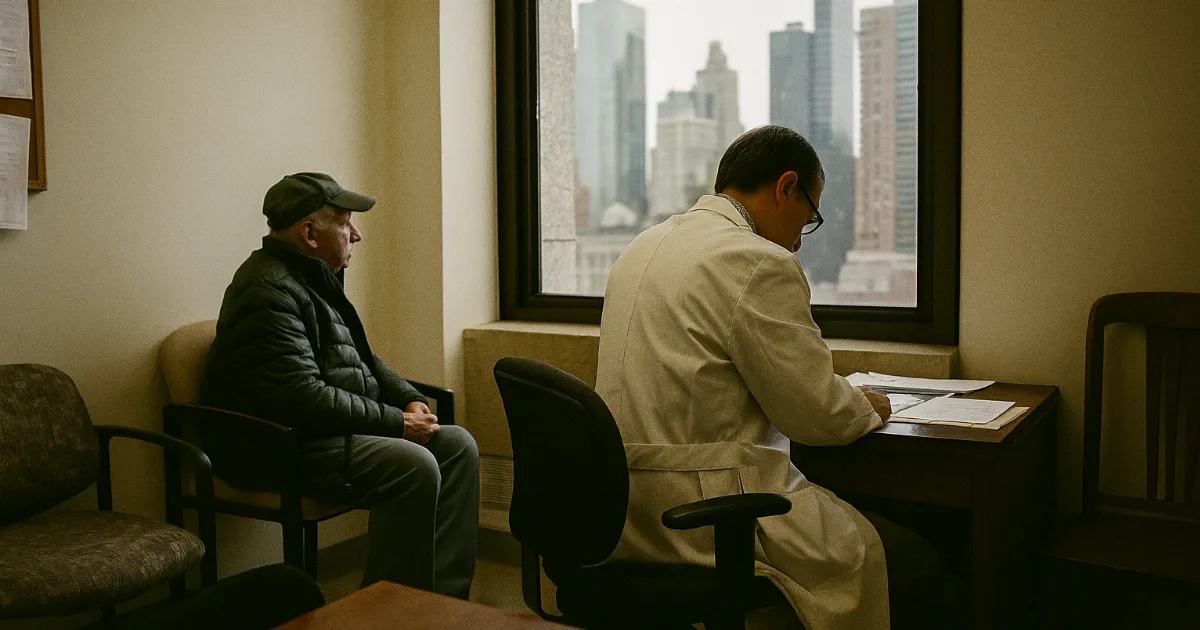
Consider a 64-year-old former construction supervisor from the Bronx. He spent three decades managing renovation crews in Manhattan's pre-war apartment buildings, buildings packed with pipe insulation that crumbled to powder the moment a wrench touched it. When his oncologist in Westchester told him the fluid around his lung was mesothelioma, she said something that changed everything: "You need to be at Memorial Sloan Kettering or NYU Langone. This disease requires a specialist, not a generalist."
That referral, made on a Tuesday afternoon, set him on a path toward a multidisciplinary treatment team, a clinical trial, and ultimately a survival outcome his family hadn't dared to hope for. His story isn't unique. It's a pattern that plays out across New York City every year, in oncology offices from Staten Island to Harlem, and it raises a question that every newly diagnosed patient deserves a direct answer to: which mesothelioma doctors in New York City are actually equipped to treat this disease at the highest level, and what separates them from the rest?
This guide answers that question with specificity. It covers the city's leading treatment centers, the specialists who staff them, the treatment protocols they use, the clinical trials they're running, and the practical steps patients and families need to take to access the best care available.
Why New York City Is One of the Most Important Places in the World for Mesothelioma Care
New York isn't just a convenient location for mesothelioma care. It's one of a handful of cities in the United States where patients have access to the full spectrum of mesothelioma expertise, from surgical oncologists who perform cytoreductive procedures to medical oncologists who specialize exclusively in thoracic malignancies to pathologists who can distinguish mesothelioma subtypes that less experienced labs routinely misclassify.
From an occupational health perspective, the concentration of mesothelioma expertise in New York makes geographic sense. The city has one of the highest historical asbestos exposure burdens of any metropolitan area in the country. Decades of shipbuilding at the Brooklyn Navy Yard, construction of the city's iconic skyscrapers with asbestos-laden fireproofing materials, maintenance work in thousands of pre-war residential buildings, and the presence of major industrial facilities across the outer boroughs created a population of exposed workers that is still being diagnosed today. According to the CDC's National Institute for Occupational Safety and Health (NIOSH), mesothelioma cases continue to emerge in workers exposed 20 to 50 years ago, meaning the pipeline of patients in the New York metropolitan area remains substantial. [Source: CDC/NIOSH, Mesothelioma Occupational Cancer Data]
What the exposure data reveals is that New York's mesothelioma patient population isn't concentrated in one industry or one borough. It spans construction workers from Queens, Navy veterans from Staten Island, electricians from the Bronx, and maintenance staff from Manhattan's commercial real estate sector. That diversity of exposure history has, over decades, pushed New York's major cancer centers to build mesothelioma programs capable of handling complex, multi-industry case presentations.
The National Comprehensive Cancer Network (NCCN), which publishes the clinical guidelines that most oncologists use when treating mesothelioma, designates certain institutions as member centers. Several New York City institutions hold that designation, meaning their treatment protocols are benchmarked against the most current evidence-based standards. [Source: NCCN Mesothelioma Guidelines] For patients, that designation matters because it signals that the center's physicians are actively engaged with the evolving science of mesothelioma treatment, not relying on protocols that haven't been updated in a decade.
The Leading Mesothelioma Treatment Centers in New York City
The landscape of mesothelioma care in New York City is anchored by a small number of institutions that have built genuine subspecialty expertise. Understanding what each offers, and how they differ, helps patients make informed decisions about where to seek care.
Memorial Sloan Kettering Cancer Center (MSK) on the Upper East Side of Manhattan is arguably the most recognized cancer center in the world, and its mesothelioma program reflects that institutional depth. MSK maintains a dedicated thoracic oncology service with surgeons, medical oncologists, and radiation oncologists who treat mesothelioma as a primary focus rather than an occasional case. The center's surgical team has experience with both extrapleural pneumonectomy (EPP) and pleurectomy/decortication (P/D), the two primary surgical approaches to pleural mesothelioma, and its medical oncology team participates in clinical trials that give patients access to therapies not yet available in standard practice. MSK also has one of the most sophisticated pathology departments in the country, which matters enormously for mesothelioma because accurate histological subtyping, distinguishing epithelioid, sarcomatoid, and biphasic disease, directly determines treatment eligibility and prognosis. [Source: NCCN Mesothelioma Guidelines]
NYU Langone Health's Perlmutter Cancer Center represents another major hub of mesothelioma expertise in the city. NYU's thoracic oncology program has grown substantially in recent years, with particular strength in minimally invasive surgical techniques and a robust clinical trials portfolio. Workers in these industries, particularly those from construction and building maintenance, often find that NYU's location in Midtown Manhattan and its satellite facilities across the boroughs make it more logistically accessible than MSK for patients living in Brooklyn, Queens, or the Bronx.
Mount Sinai Health System carries a particular historical significance in New York mesothelioma care. Mount Sinai's Irving J. Selikoff Center for Occupational and Environmental Medicine was named for the physician who, in the 1960s, first documented the link between asbestos exposure and mesothelioma in insulation workers. That legacy isn't merely symbolic. Mount Sinai has maintained a commitment to occupational medicine and asbestos-related disease that gives its physicians a depth of understanding about exposure history, latency periods, and the occupational contexts of mesothelioma that general oncology programs often lack. For patients whose disease is rooted in workplace asbestos exposure, that institutional knowledge can shape both the diagnostic workup and the treatment approach.
Columbia University Irving Medical Center/NewYork-Presbyterian rounds out the city's top-tier mesothelioma programs. Columbia's thoracic surgery division has a strong reputation for complex lung and pleural procedures, and its affiliation with NewYork-Presbyterian provides patients with access to one of the largest hospital systems in the country, including subspecialty consultations across virtually every relevant discipline.
What Makes a Mesothelioma Specialist Different From a General Oncologist
A general oncologist who sees mesothelioma once or twice a year is not the same as a thoracic oncologist who treats it weekly. That distinction sounds obvious, but it's one that newly diagnosed patients often don't fully appreciate until they're already mid-treatment.
The differences are both clinical and practical. On the clinical side, mesothelioma is biologically distinct from lung cancer, despite the anatomical proximity of the two diseases. It behaves differently, responds to different drugs, and requires different surgical approaches. The NCCN guidelines for mesothelioma are separate from the lung cancer guidelines for exactly this reason. [Source: NCCN Mesothelioma Guidelines] A specialist who treats mesothelioma regularly will understand, for instance, that the CheckMate 743 trial data changed first-line treatment recommendations, establishing nivolumab plus ipilimumab as a standard option for unresectable pleural mesothelioma. A generalist may not have internalized that shift. [Source: NEJM, CheckMate 743, Baas et al., 2021]
The CheckMate 743 trial, published in the New England Journal of Medicine, enrolled 605 patients with unresectable pleural mesothelioma and compared nivolumab plus ipilimumab against standard platinum-based chemotherapy. The immunotherapy combination produced a median overall survival of 18.1 months compared to 14.1 months for chemotherapy, and the benefit was particularly pronounced in patients with non-epithelioid histology, a group that had historically done poorly with standard treatment. [Source: NEJM, CheckMate 743, Baas et al., 2021] Knowing this data, understanding which patients benefit most, and being able to manage the immune-related adverse events that come with checkpoint inhibitor therapy requires a level of familiarity that only comes from treating mesothelioma consistently.
On the practical side, a specialist embedded in a major mesothelioma program has access to multidisciplinary tumor boards where complex cases are reviewed by surgeons, medical oncologists, radiation oncologists, pathologists, and pulmonologists simultaneously. That kind of coordinated review is standard at MSK, NYU Langone, Mount Sinai, and Columbia. It's not standard at community oncology practices, however capable those practices may be in other cancer types.
"The difference between a mesothelioma specialist and a generalist isn't just about knowledge. It's about the infrastructure around them, the tumor boards, the trials, the pathology expertise. That infrastructure is what gives patients options they wouldn't otherwise have."
Anna Jackson, Occupational Health Advocate
Patients who want to understand the full range of treatment options available to them, from surgery to immunotherapy to emerging clinical trial protocols, benefit significantly from the specialist environment that New York City's major centers provide.
The Role of Occupational History in the NYC Diagnostic Process
One of the things that distinguishes mesothelioma care at institutions like Mount Sinai from care at general cancer centers is the systematic collection of occupational history. For a disease caused almost exclusively by asbestos exposure, understanding where and how a patient was exposed isn't just medically relevant. It can have significant legal and financial implications.
From an occupational health perspective, the exposure history is often the most important document a patient brings to their first specialist appointment. Yet many patients arrive at oncology offices having never been asked about their work history in any systematic way. A thorough occupational history for a mesothelioma patient should document every job held over a working lifetime, with particular attention to industries known for asbestos use: shipbuilding, construction, insulation installation, boiler work, roofing, automotive repair, and power generation, among others.
What the exposure data reveals about New York City's mesothelioma population is that the occupational pathways are extraordinarily diverse. The Brooklyn Navy Yard alone employed more than 70,000 workers during World War II, many of whom worked in environments saturated with asbestos from pipe insulation, boiler lagging, and ship construction materials. [Source: CDC/NIOSH, Mesothelioma Occupational Cancer Data] Construction workers who renovated Manhattan's pre-war building stock through the 1970s and 1980s encountered asbestos in floor tiles, ceiling tiles, pipe wrap, and spray-applied fireproofing. Maintenance workers in the city's public housing developments faced similar exposures. Each of these exposure scenarios has different legal implications, different trust fund eligibility profiles, and different documentation requirements.
Patients who receive a mesothelioma diagnosis in New York City are often eligible for compensation through asbestos bankruptcy trust funds, personal injury litigation, or both. The compensation landscape is complex, but the foundation of any claim is a well-documented exposure history. The specialists at Mount Sinai and other occupationally-focused programs understand this, and their intake processes reflect it.
If you've been diagnosed and are trying to understand your financial options, the compensation estimator tool can provide an initial sense of what your case may be worth based on your exposure history and diagnosis details.
Clinical Trials Available in New York City Right Now
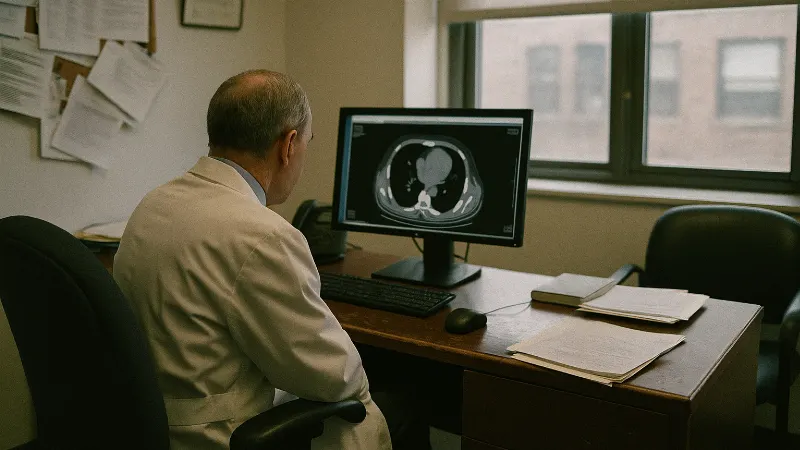
For many mesothelioma patients, clinical trials represent the most promising treatment option available, particularly for those whose disease has progressed after first-line therapy or who have histological subtypes that respond poorly to standard chemotherapy.
New York City's major cancer centers are among the most active clinical trial sites in the country for mesothelioma. The NCI's clinical trials search database lists multiple active mesothelioma trials at New York City institutions at any given time, spanning immunotherapy combinations, targeted therapies, CAR-T cell approaches, and novel surgical techniques. [Source: NCI Clinical Trials Search Database] For patients and families navigating this landscape, understanding what types of trials exist, and what participation involves, is an essential part of treatment planning.
At MSK, the clinical trials portfolio for mesothelioma has historically included early-phase trials of agents that later became standard of care. The center's participation in the CheckMate 743 trial, which established nivolumab plus ipilimumab as a first-line option for unresectable pleural mesothelioma, is one example. [Source: NEJM, CheckMate 743, Baas et al., 2021] MSK's current trial portfolio includes investigations of mesothelin-targeted therapies, which are particularly relevant for mesothelioma given the high expression of mesothelin on mesothelioma cells. [Source: NCBl/PMC, Biomarkers for Early Detection of Mesothelioma, 2022]
NYU Langone's Perlmutter Cancer Center has been active in trials examining the role of adjuvant and neoadjuvant immunotherapy in surgically resectable mesothelioma, a question that the field is actively working to answer. The potential to use immunotherapy before surgery to shrink tumors, or after surgery to reduce recurrence risk, represents one of the most important open questions in mesothelioma treatment today.
Mount Sinai's trials have often focused on the intersection of occupational exposure and disease biology, reflecting the institution's historical commitment to understanding asbestos-related disease at a mechanistic level. That research orientation has produced insights into biomarkers that may one day enable earlier detection of mesothelioma in at-risk populations, a critical goal given that most patients are currently diagnosed at advanced stages when treatment options are more limited. [Source: NCBl/PMC, Biomarkers for Early Detection of Mesothelioma, 2022]
Workers in these industries, especially those with documented asbestos exposure who haven't yet developed symptoms, should discuss surveillance options with a specialist. Early detection remains one of the most powerful tools available for improving outcomes, and New York City's research institutions are at the forefront of developing the biomarker and imaging tools that make earlier diagnosis possible.
Understanding Mesothelioma Subtypes and Why They Matter for NYC Treatment Planning
Not all mesothelioma is the same, and in New York City's specialist centers, the distinction between subtypes shapes every treatment decision from day one.
Pleural mesothelioma, which develops in the lining of the lungs, accounts for roughly 75 to 80 percent of all mesothelioma diagnoses. [Source: CDC/NIOSH, Mesothelioma Occupational Cancer Data] Within pleural mesothelioma, the histological subtype, determined by examining tumor tissue under a microscope, is one of the most important prognostic and predictive factors. Epithelioid mesothelioma, the most common subtype, tends to respond better to treatment and carries a better prognosis than sarcomatoid or biphasic disease. The CheckMate 743 trial data showed that the immunotherapy combination of nivolumab and ipilimumab was particularly effective in non-epithelioid patients, a group that had previously had very limited options. [Source: NEJM, CheckMate 743, Baas et al., 2021]
Peritoneal mesothelioma, which develops in the lining of the abdomen, is less common but has seen some of the most dramatic treatment advances of any mesothelioma subtype. Cytoreductive surgery combined with heated intraperitoneal chemotherapy (HIPEC) has produced median survival times of several years in selected patients, a result that would have been unimaginable two decades ago. In New York City, both MSK and Columbia have surgeons with HIPEC experience, making the city one of the few places where peritoneal mesothelioma patients have access to this technically demanding procedure from surgeons who perform it regularly.
Pericardial and testicular mesothelioma are rare enough that even major cancer centers see only a handful of cases per year. For patients with these uncommon presentations, the concentration of expertise at New York City's academic medical centers is even more important, because the treating physician's prior experience with these subtypes may be the single most important factor in treatment quality.
For a comprehensive overview of mesothelioma types, staging, and treatment options, the resource library at Mesothelioma-Lung-Cancer.org provides detailed, medically reviewed information organized for patients and families.
Immunotherapy in New York City Mesothelioma Practice: What's Actually Being Used
The arrival of immunotherapy as a standard treatment option for mesothelioma has been one of the most significant developments in the field in decades. Understanding how New York City specialists are using these drugs, and which patients are most likely to benefit, is essential information for anyone navigating a new diagnosis.
The FDA approved nivolumab plus ipilimumab for unresectable pleural mesothelioma in October 2020, based on the CheckMate 743 trial results. [Source: NEJM, CheckMate 743, Baas et al., 2021] That approval gave oncologists at New York City's major centers a new first-line option for patients who are not surgical candidates, which represents the majority of mesothelioma patients at diagnosis. The combination works by blocking two different immune checkpoint pathways, PD-1 (targeted by nivolumab) and CTLA-4 (targeted by ipilimumab), effectively removing the brakes that tumors use to evade immune destruction.
In practice, New York City's mesothelioma specialists are using immunotherapy in several different contexts. For patients with unresectable disease, it's now a primary first-line option alongside or instead of platinum-based chemotherapy. For patients who are surgical candidates, some centers are exploring immunotherapy in the neoadjuvant setting, given before surgery to reduce tumor burden and potentially improve surgical outcomes. And for patients who have progressed after first-line chemotherapy, immunotherapy agents are being studied in clinical trials as second-line options.
The immunotherapy landscape for mesothelioma is evolving rapidly. Patients who were diagnosed even two or three years ago may not be aware of options that are now available, which is one reason why seeking a second opinion at a specialist center, even mid-treatment, can be valuable.
Managing the immune-related adverse events associated with checkpoint inhibitor therapy requires experience. Pneumonitis, colitis, hepatitis, and endocrine toxicities can all occur, and managing them effectively, including knowing when to hold therapy and when to restart it, is a skill that comes from treating many patients with these drugs. New York City's specialist centers have that experience in depth.
Navigating the First Appointment: What to Bring, What to Ask
Getting to a specialist is only the first step. Making the most of that first appointment requires preparation, and the stakes are high enough that preparation matters.
The most important thing to bring to a first mesothelioma specialist appointment is the pathology report and the actual tissue slides or blocks from the biopsy. Not a summary of the pathology report. The actual report, and ideally the physical tissue samples so the specialist center's pathologists can perform their own review. Mesothelioma is notoriously difficult to diagnose accurately, and misclassification is not rare. A 2022 study published in a peer-reviewed oncology journal noted that mesothelioma biomarkers and histological analysis remain areas of active research precisely because diagnostic accuracy has direct implications for treatment selection. [Source: NCBl/PMC, Biomarkers for Early Detection of Mesothelioma, 2022] Major centers like MSK and Mount Sinai routinely re-review outside pathology, and in a meaningful percentage of cases, the subtype classification changes, which can alter the entire treatment plan.
Beyond pathology, patients should bring all imaging studies (CT scans, PET scans, MRI if available), a complete list of current medications, and a written summary of their occupational history. That last item, the occupational history, is something most patients don't think to prepare, but it's essential for both medical and legal purposes.
The questions worth asking at a first specialist appointment include: What is my exact histological subtype, and has your pathology department reviewed the slides? Am I a candidate for surgery, and if so, which procedure would you recommend? What clinical trials am I eligible for? What is the recommended first-line treatment, and how does it compare to what my current oncologist has proposed? What is the multidisciplinary team that would be involved in my care?
For families supporting a loved one through this process, the patients and families resource section provides practical guidance on navigating the healthcare system, understanding treatment options, and accessing support services.
Veterans and Mesothelioma in New York City: A Separate but Overlapping System
A significant portion of New York City's mesothelioma patients are veterans, particularly those who served in the Navy between the 1940s and the 1970s, when asbestos use in naval vessels was pervasive. The Brooklyn Navy Yard was one of the largest naval shipyards in the country, and the veterans who worked and served there represent a concentrated population of asbestos-exposed individuals who are still being diagnosed with mesothelioma decades after their service ended.
For veterans, the pathway to care and compensation involves a parallel system alongside the civilian healthcare infrastructure. The VA's healthcare system includes several facilities in the New York metropolitan area, and veterans with service-connected mesothelioma are entitled to VA healthcare benefits, disability compensation, and in some cases, additional financial support. However, the quality of mesothelioma-specific care within the VA system varies significantly, and many veterans benefit from seeking specialist care at one of the city's major academic medical centers while simultaneously pursuing VA benefits.
The VA benefits eligibility tool can help veterans and their families understand what they may be entitled to based on their service history and diagnosis. Navigating the VA claims process while simultaneously managing a mesothelioma diagnosis is genuinely difficult, and many families find that having a clear understanding of both the medical and benefits landscape reduces some of the administrative burden.
From an occupational health perspective, the veteran population represents one of the clearest examples of how institutional asbestos use created a decades-long public health legacy. The latency period between asbestos exposure and mesothelioma diagnosis, typically 20 to 50 years, means that veterans who were exposed during their service in the 1950s, 1960s, and 1970s are still being diagnosed today. [Source: CDC/NIOSH, Mesothelioma Occupational Cancer Data] The New York metropolitan area, with its large veteran population and its history of major naval facilities, has a disproportionate share of these cases.
The Financial Reality: Compensation Options for NYC Patients
A mesothelioma diagnosis in New York City carries financial implications that are as significant as the medical ones. Treatment at a major academic medical center is expensive. Lost wages during treatment are common. And the legal landscape for asbestos compensation is complex but navigable for patients who understand their options.
New York State has a three-year statute of limitations for mesothelioma personal injury claims, running from the date of diagnosis. That window is long enough to allow for thoughtful legal decision-making, but short enough that delaying consultation with a mesothelioma attorney carries real risk. New York courts, including those in Manhattan and Brooklyn, have substantial experience with asbestos litigation, and the state has a well-developed legal infrastructure for handling these cases.
Beyond personal injury litigation, many mesothelioma patients are eligible for compensation from asbestos bankruptcy trust funds. More than 60 asbestos companies have established these trusts as part of bankruptcy proceedings, and the total value of assets held in these trusts runs into the tens of billions of dollars. [SOURCE NEEDED for specific trust fund total] Eligibility depends on documented exposure to products manufactured by the bankrupt companies, which is why a thorough occupational history is so important from the very beginning of the diagnostic process.
For New York City patients specifically, the diversity of industries that used asbestos products means that many patients have exposure claims against multiple companies and multiple trust funds. A construction worker who handled asbestos-containing joint compound, pipe insulation, and floor tiles may have claims against several different manufacturers, each of which may have a separate trust fund or be a defendant in active litigation.
The answers to compensation questions resource provides detailed information about the legal process, what to expect from a mesothelioma lawsuit, and how trust fund claims work. For patients and families who are uncertain about whether they have a viable claim, the compensation estimator provides a starting point for understanding the financial landscape.
What the Research Pipeline Means for NYC Patients Right Now
Beyond the treatments currently available, the research pipeline for mesothelioma is more active than it has been at any point in the disease's history. New York City's academic medical centers are contributors to that pipeline, and understanding what's coming, and when, matters for patients making treatment decisions today.
Biomarker research is one of the most active areas. The ability to detect mesothelioma earlier, through blood-based biomarkers rather than invasive biopsies, would transform the prognosis for at-risk populations. A 2022 study in PMC identified several promising biomarker candidates, including mesothelin, fibulin-3, and high-mobility group box 1 (HMGB1), that show potential for earlier detection. [Source: NCBl/PMC, Biomarkers for Early Detection of Mesothelioma, 2022] The challenge is specificity: a biomarker that generates too many false positives would trigger unnecessary invasive workups in a large at-risk population. Getting that balance right requires large validation studies, several of which are currently underway at institutions including those in New York City.
Mesothelin-targeted therapies represent another active research direction. Because mesothelioma cells express high levels of mesothelin on their surface, drugs designed to target that protein, including antibody-drug conjugates and CAR-T cell therapies, have theoretical appeal for mesothelioma that is difficult to treat with conventional approaches. Early-phase trials of these agents are available at several New York City centers through the NCI's clinical trials network. [Source: NCI Clinical Trials Search Database]
The question of surgery's role in mesothelioma treatment continues to evolve. The debate between EPP and P/D as surgical approaches has been ongoing for more than a decade, with most current evidence favoring P/D for its better quality-of-life profile and comparable survival outcomes in selected patients. [Source: NCCN Mesothelioma Guidelines] New York City's surgical programs, particularly at MSK and Columbia, are contributing to the evidence base through their participation in multi-institutional studies examining surgical outcomes.
For patients who want to understand how current and emerging treatments compare across different disease stages and histological subtypes, the mesothelioma treatments comparison guide provides a structured overview of the options and the evidence behind them.
How to Find and Verify a Mesothelioma Specialist in New York City
Knowing that specialist care exists is different from knowing how to access it. The practical steps for finding and verifying a mesothelioma specialist in New York City are straightforward, but they require initiative from patients and families who are often navigating an overwhelming amount of new information.
The starting point for most patients is a referral from their primary care physician or the oncologist who made the initial diagnosis. A referral to a named specialist at a named institution is more useful than a general recommendation to "see a specialist." If a referring physician is uncertain which specialist to recommend, asking specifically about mesothelioma-focused thoracic oncologists at MSK, NYU Langone, Mount Sinai, or Columbia is a reasonable approach.
Beyond referrals, patients can verify a specialist's mesothelioma experience by reviewing their published research, checking their institutional affiliation and tumor board participation, and asking directly during the first appointment how many mesothelioma patients they treat per year. A specialist who treats mesothelioma regularly will be able to answer that question readily and will welcome it as evidence of an informed patient.
The mesothelioma treatment center directory maintained by Mesothelioma-Lung-Cancer.org provides a searchable database of specialized treatment centers, including those in New York City, with information about the programs and specialists available at each location.
Insurance and logistics matter too. Major academic medical centers in New York City are in-network for most major insurance plans, but verifying coverage before the first appointment avoids unexpected financial complications. For patients traveling from outside the city, many of the major centers have patient services departments that can assist with lodging, transportation, and appointment coordination.

The Broader Picture: New York's Mesothelioma Burden and What It Demands of the Healthcare System
New York State consistently ranks among the states with the highest mesothelioma mortality rates in the country. According to data from the Environmental Working Group, New York is among the top states for asbestos-related deaths, reflecting the state's industrial history and the size of its workforce in high-exposure industries over the past century. [Source: EWG, Asbestos Kills: State-by-State Mesothelioma Mortality Data]
That burden creates both a challenge and an opportunity. The challenge is ensuring that patients across the five boroughs and the broader metropolitan area, many of whom are elderly, economically stressed, and navigating a healthcare system that can be bewildering even under ordinary circumstances, actually reach the specialist care that could extend their lives. The opportunity is that the concentration of patients and expertise in New York City creates conditions for the kind of high-volume, high-quality mesothelioma care that produces better outcomes.
Workers in these industries, particularly those in the construction, shipbuilding, and industrial maintenance sectors who are now in their 60s, 70s, and 80s, deserve to know that the city where many of them spent their working lives is also home to some of the best mesothelioma specialists in the world. Getting to those specialists, understanding what they offer, and navigating the financial and legal dimensions of a mesothelioma diagnosis are all achievable goals with the right information and the right support.
For patients and families at the beginning of this journey, the comprehensive mesothelioma resource center provides a structured starting point for understanding the disease, the treatment options, and the support systems available.
This article is for informational purposes only and does not constitute medical advice. Consult your healthcare provider for guidance specific to your situation.