


Pueblo's Hidden Asbestos Crisis: What a Mesothelioma Lawyer Can Actually Do for Colorado Steel Workers
The steel dust never really left Pueblo. It settled into lungs, into neighborhoods, into family histories that span three and four generations of workers who fed their children on wages earned inside the CF&I steelworks. For decades, those workers breathed in something far more dangerous than iron particulate. They breathed asbestos, and many of them are only now learning what that means for their bodies and their families.
When a 67-year-old retired millwright from the Bessemer neighborhood receives a mesothelioma diagnosis in 2026, the first question his family usually asks isn't about treatment. It's about accountability. Who knew? Who sold the insulation? Who kept sending workers into those pipe rooms without protection? And, critically, is it too late to do anything about it?
It isn't too late. But the window is narrowing, and navigating Colorado's asbestos litigation landscape requires the kind of specialized legal knowledge that most general practice attorneys simply don't have. What follows is a comprehensive look at what a mesothelioma lawyer can genuinely accomplish for Pueblo patients and families in 2026, grounded in the specific industrial history of this city and the legal tools that have produced real results for workers like the ones who built this community.
Pueblo's Industrial Legacy and the Asbestos Exposure Nobody Talked About
Pueblo wasn't just a steel town. It was, for much of the twentieth century, one of the most industrially intense environments in the American West. The Colorado Fuel and Iron Company, later known as CF&I and then Rocky Mountain Steel, employed tens of thousands of workers over its operational decades, and virtually every corner of that facility used asbestos-containing materials in some form.
Boiler rooms were lined with asbestos insulation. Pipe fitters wrapped joints with asbestos tape. Electricians worked alongside asbestos-insulated wiring. Maintenance crews disturbed decades-old asbestos lagging every time they made repairs. Workers carried the dust home on their clothes, exposing spouses and children to secondary contamination. The exposure wasn't incidental. It was structural, built into the very design of industrial facilities that were constructed when asbestos was considered a transformative industrial material.
The latency period for mesothelioma, which typically runs between 20 and 50 years from first exposure according to the National Cancer Institute, means that workers who breathed asbestos dust in Pueblo during the 1970s and 1980s are only now, in many cases, receiving their diagnoses. A man who started at the mill at age 22 in 1975 would be 73 years old today. His coworkers who haven't yet developed symptoms may still do so. The pipeline of potential claimants in Pueblo and surrounding Pueblo County hasn't closed.
Beyond CF&I, Pueblo's exposure landscape includes the Pueblo Army Depot, which operated for decades and used asbestos extensively in its warehouses and vehicle maintenance facilities. Veterans who served in support roles at the depot face a distinct exposure profile, and their legal options overlap between civilian asbestos litigation and VA benefits claims. The answers for veterans navigating mesothelioma claims are meaningfully different from those available to private-sector workers, and any competent mesothelioma attorney in 2026 should be able to navigate both pathways simultaneously.
What a Specialized Mesothelioma Lawyer Actually Does Differently
Picture a scenario that plays out regularly across Colorado. A Pueblo family gets the diagnosis, calls a local personal injury attorney who handles car accidents and slip-and-fall cases, and is told something like: "We can look into this, but asbestos cases are complicated." Months pass. Documents that could have been preserved disappear. Statutes of limitations tick closer. Defendants' records get harder to subpoena.
A mesothelioma-specialized attorney operates in an entirely different universe. According to the American Bar Association's Tort Trial and Insurance Practice Section, asbestos litigation has become one of the most technically demanding areas of personal injury law, requiring expertise in industrial hygiene, product identification, corporate bankruptcy proceedings, and multi-district litigation management that simply doesn't exist in a general practice.
Here's what that specialization means in practical terms for a Pueblo family.
Product identification. Before a lawsuit can be filed, an attorney must identify which specific asbestos-containing products the worker was exposed to and which companies manufactured or distributed them. For a CF&I worker, this might mean tracking down records of which insulation brands were used in which departments during which decades. Specialized firms maintain databases of product identification records, deposition transcripts from prior cases, and industrial hygiene expert networks that allow them to reconstruct exposure histories with precision.
Defendant mapping. Many of the companies responsible for asbestos products no longer exist as solvent corporations. They've declared bankruptcy and created asbestos trust funds to pay future claimants. According to the RAND Institute for Civil Justice, more than 100 such trusts have been established, holding billions of dollars in combined assets. A specialized attorney knows which trusts correspond to which defendants and how to file simultaneous claims across multiple trusts while pursuing litigation against still-solvent defendants.
Colorado-specific legal strategy. Colorado's statute of limitations for mesothelioma claims runs two years from the date of diagnosis or the date the plaintiff discovered the connection between their illness and asbestos exposure, whichever is later. This is a critical nuance. A Pueblo patient diagnosed in January 2026 has until January 2028 to file. But the clock doesn't necessarily start at diagnosis if the patient didn't immediately understand the occupational connection. An experienced attorney will document the discovery timeline carefully to maximize the available window.
In my experience representing mesothelioma families, the most common and most preventable mistake families make is waiting six months to a year after diagnosis before consulting a specialist. By then, the patient may have lost the physical capacity to participate in depositions, key witnesses may have died or become unreachable, and critical documentary evidence may have been destroyed pursuant to routine corporate records retention policies.
The Legal Landscape for Colorado Asbestos Cases in 2026
Colorado processes mesothelioma cases through its district court system, with complex asbestos litigation often coordinated in Denver's First Judicial District. The state doesn't have a dedicated asbestos docket the way California or New York does, which means cases move on a standard civil litigation timeline rather than a specialized fast-track. For patients with a terminal prognosis, this creates real urgency.
Colorado law does provide a preference mechanism for terminally ill plaintiffs. Under Colorado Rules of Civil Procedure, a party who can demonstrate terminal illness may petition for trial preference, which can accelerate a case to trial within 120 days of the petition. This provision exists precisely for mesothelioma patients, whose median survival from diagnosis is typically measured in months, not years. According to data from the National Cancer Institute, the median survival for pleural mesothelioma patients remains approximately 12 to 21 months depending on stage and treatment, making the preference mechanism not just a procedural option but a medical necessity.
The legal landscape for asbestos victims has also been shaped significantly by federal multi-district litigation. Many defendants in Colorado asbestos cases are the same corporations that have been sued in courts across the country, and their litigation strategies, settlement postures, and document production obligations have been established through decades of federal court proceedings. What the courts have consistently recognized is that asbestos manufacturers knew about the dangers of their products decades before they disclosed them to workers, and that corporate knowledge is central to both compensatory and punitive damages arguments.
For Pueblo cases specifically, the industrial history of CF&I creates a rich documentary record. Corporate archives, union records, OSHA inspection reports, and prior litigation involving former CF&I workers have established an evidentiary foundation that a skilled mesothelioma attorney can draw on when building a new client's case. This is an area where local knowledge genuinely matters. A firm that has handled prior CF&I-related claims will have a significant head start over one encountering that exposure environment for the first time.
Patients who want to understand how their diagnosis affects their legal options can find comprehensive resources through the diagnosis and treatment hub, which connects medical timelines to the legal windows that govern claim eligibility.
"The most important thing a Pueblo family needs to understand is that mesothelioma litigation isn't about revenge. It's about making sure the people who knowingly put workers in harm's way are held financially accountable for the care those workers now require."
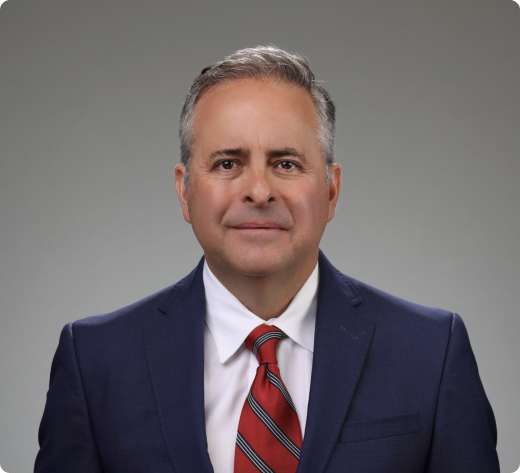
Paul Danziger, Managing Partner, asbestos litigation specialist
!The Legal Landscape for Colorado Asbestos Cases in
Settlement vs. Trial: What Pueblo Cases Actually Resolve For
The question families ask most often, once they understand that a case is viable, is: how much? It's a reasonable question, and any attorney who gives you a specific number in the first meeting without reviewing your complete exposure and medical history is telling you what you want to hear, not what you need to know.
What can be said with confidence is that mesothelioma settlements and verdicts have consistently produced significant compensation for diagnosed patients and their families. According to coverage from Law360 and Bloomberg's asbestos legal reporting, mesothelioma settlements in cases involving clear occupational exposure and documented product identification typically range from $1 million to $2.4 million. Trial verdicts, which carry more risk but also more upside, have produced results ranging from several million dollars to awards exceeding $20 million in cases where punitive damages were warranted.
Colorado juries, in the experience of attorneys who practice in the state, tend to be sympathetic to mesothelioma plaintiffs but also scrutinize the evidence carefully. A case built on well-documented exposure history, clear product identification, and compelling testimony from the patient and family members tends to perform well. A case built on general allegations without specific product linkage tends to struggle.
The trust fund pathway operates on a different calculus. Each trust has established payment percentages based on its available assets and projected future claims. A trust might pay 25 cents on the dollar of a scheduled claim value, or it might pay 100 cents, depending on its financial position. Filing across multiple trusts simultaneously, which a specialized attorney can do efficiently, allows a Pueblo family to aggregate compensation from several sources even when the primary litigation defendants are no longer solvent.
For families who want to explore their trust fund eligibility before even speaking with an attorney, the asbestos trust fund checker provides an accessible starting point for understanding which funds might apply to a given exposure history.

Understanding Mesothelioma Types and How They Affect Legal Strategy
Not all mesothelioma cases present the same legal profile, and the type of mesothelioma a Pueblo patient has diagnosed can influence how an attorney structures the claim.
Pleural mesothelioma, which develops in the lining of the lungs, is by far the most common form, accounting for approximately 75 to 80 percent of all cases according to the American Cancer Society. It's the form most directly associated with inhalation exposure, making it the easiest to connect to occupational asbestos contact in a legal context. A former CF&I pipe fitter with pleural mesothelioma and a documented work history at the Pueblo facility presents a relatively straightforward exposure narrative.
Peritoneal mesothelioma, which develops in the abdominal lining, is less common but not rare, and its legal presentation is somewhat more complex. Because peritoneal mesothelioma can develop through ingestion as well as inhalation of asbestos fibers, the exposure pathway requires more careful documentation. However, workers with heavy occupational exposure, such as those who handled asbestos insulation directly, frequently develop peritoneal disease, and the legal arguments remain strong when the exposure history is solid.
Pericardial mesothelioma, affecting the heart lining, and testicular mesothelioma are rare enough that their legal handling requires genuinely specialized expertise. Establishing the causal link between asbestos exposure and these less-common presentations requires medical expert testimony that goes beyond the standard pulmonology evidence used in pleural cases.
The medical and legal dimensions of a mesothelioma case are inseparable, which is why the best mesothelioma attorneys work closely with oncologists and pathologists who can provide authoritative testimony about the causal relationship between documented exposure and the specific diagnosis. Families navigating treatment decisions alongside legal ones can find specialist physician resources through the mesothelioma doctor directory.
"In my experience representing mesothelioma families, the cases that produce the best outcomes are the ones where the attorney and the treating oncologist are communicating from the very beginning. The medical record is the legal record."
Paul Danziger, Managing Partner
Veterans at Pueblo's Army Depot: A Separate Legal Pathway
The Pueblo Chemical Depot, which operated as a storage and demilitarization facility for chemical munitions, employed thousands of civilians and military personnel over its operational life. While its primary notoriety involves chemical weapon storage, the facility's maintenance infrastructure relied heavily on asbestos-containing materials throughout the mid-twentieth century.
Veterans who worked at the depot, or who served in military branches that stationed them in Pueblo-area facilities, face a dual legal landscape. On one side sits the VA benefits system, which provides monthly disability compensation for service-connected mesothelioma and covers treatment costs at VA medical facilities. On the other side sits the civil litigation system, which allows veterans to sue the private manufacturers of asbestos products used in military facilities, even though the military itself retains sovereign immunity.
This distinction matters enormously. A veteran cannot sue the Department of Defense for failing to protect him from asbestos. But he absolutely can sue the companies that manufactured and sold the asbestos pipe insulation that was installed in the depot's maintenance bays. Those are private defendants, and the government contractor defense they sometimes raise has been systematically challenged and limited by courts over the past two decades.
According to reporting from Reuters Legal, veterans account for approximately 30 percent of all mesothelioma diagnoses in the United States, a reflection of how thoroughly asbestos was integrated into military construction and equipment. For Pueblo veterans specifically, the combination of VA benefits and civil litigation can produce a compensation package that significantly exceeds what either pathway would deliver alone.
The veterans' mesothelioma resource guide provides a detailed breakdown of how these pathways interact and what documentation veterans need to pursue both simultaneously.
How Courts Have Handled CF&I and Colorado Steel Industry Cases
The legal history of asbestos litigation in Colorado's steel industry isn't well-publicized, but it's extensive. Former CF&I workers and their families have pursued claims in Colorado courts for decades, and the evidentiary record that has accumulated through those proceedings is a resource that any new Pueblo claimant's attorney can draw on.
Key rulings from Colorado district courts have established important precedents around the admissibility of industrial hygiene evidence, the standard for expert testimony on causation, and the calculation of damages in cases where the plaintiff had multiple potential exposures. These precedents don't guarantee outcomes, but they create a framework within which an experienced attorney can predict how a case is likely to proceed and advise clients accordingly.
The legal landscape for asbestos victims in Colorado has also been shaped by the national asbestos litigation environment. Major defendants like Owens Corning, W.R. Grace, and Armstrong World Industries all went through bankruptcy proceedings that created trust funds specifically to compensate future claimants. Workers at CF&I used products from many of these companies, and their successors' trusts remain active sources of compensation for Pueblo claimants today.
According to coverage from Bloomberg and Law.com, California's asbestos litigation environment, which is among the most active in the country, has produced settlement and verdict data that informs how defendants approach cases nationally. When a major insulation manufacturer settles a California mesothelioma case for $2.1 million, that settlement price becomes a data point in settlement negotiations for a Pueblo case involving the same defendant and similar exposure facts.
This is one of the reasons why a nationally connected mesothelioma law firm often outperforms a purely local one. National firms have visibility into settlement patterns across jurisdictions and can use that information to apply pressure at the negotiating table in ways that a firm handling its first or second asbestos case simply cannot.
"What the courts have consistently recognized over forty years of asbestos litigation is that these companies knew. They had internal documents showing the hazards. They made a business decision to keep selling. That knowledge is the foundation of every punitive damages argument we make."
Paul Danziger, Managing Partner
Finding the Right Mesothelioma Lawyer for a Pueblo Case
Not every attorney who advertises mesothelioma representation has the infrastructure to handle a complex industrial exposure case from Pueblo, Colorado. The question of how to evaluate and select legal representation is one that families in this situation deserve honest guidance on.
First, look for genuine specialization, not just a practice area listing. An attorney who handles mesothelioma cases alongside general personal injury work is not the same as one whose practice is devoted to asbestos litigation. Ask how many mesothelioma cases the firm has handled in the past five years. Ask what their average settlement amounts have been. Ask whether they have experience with CF&I or other Colorado steel industry exposures specifically.
Second, understand the fee structure. Virtually all mesothelioma attorneys work on a contingency fee basis, meaning they receive a percentage of any recovery and nothing if there is no recovery. This arrangement aligns the attorney's financial interest with the client's. Contingency fees in asbestos cases typically range from 25 to 40 percent of the gross recovery, and a reputable firm will explain its fee structure clearly before any engagement.
Third, ask about the firm's capacity to handle your case urgently. Mesothelioma patients don't have time for a firm that will take six months to get organized. The best firms in this space have systems for accelerating case preparation when a client's medical condition demands it. They can file for trial preference, conduct expedited depositions, and move cases through the system on a compressed timeline when necessary.
Fourth, consider geographic reach. Some of the most effective mesothelioma attorneys in the country are not based in Colorado but handle Colorado cases regularly through local counsel arrangements. A nationally prominent mesothelioma firm with Colorado experience and a local co-counsel relationship can be more effective than a purely local firm without deep asbestos litigation expertise.
Families researching their options can also use the mesothelioma locations directory to identify resources and legal support options available specifically in Colorado and the Pueblo region.
The Timeline of a Pueblo Mesothelioma Case
One of the most anxiety-producing aspects of pursuing a mesothelioma claim is uncertainty about how long the process will take. Here is an honest, realistic timeline based on how these cases typically progress in Colorado.
Weeks one through four involve the initial consultation, exposure history documentation, and engagement letter. The attorney will gather work history, union records, Social Security earnings records, and any available medical records. This phase moves quickly in a specialized firm.
Months one through three involve case investigation: product identification, defendant research, and the preparation of complaints for filing in court and claims for filing with applicable trust funds. Trust fund claims can often be filed and begin generating payments within this window, providing financial relief while the litigation proceeds.
Months three through twelve involve discovery: document requests, depositions, and expert witness preparation. For a terminally ill plaintiff who has been granted trial preference, the deposition of the plaintiff is a priority and is typically conducted as early as possible to preserve testimony.
For cases that settle, resolution often comes during the discovery phase or shortly after, as defendants assess the strength of the evidence and make settlement calculations. Cases that proceed to trial typically resolve within 18 to 36 months of filing, though the trial preference mechanism can compress this significantly for eligible patients.
Trust fund claims, which run parallel to litigation, often resolve faster. Some trusts process claims within 90 days of submission. Others take longer, particularly if the claimant's exposure history requires additional documentation.
Throughout this process, the patient's medical care continues, and the best mesothelioma attorneys maintain close communication with the treating oncology team to ensure that the legal timeline accommodates the patient's health trajectory. Families navigating both treatment decisions and legal processes can find comprehensive support through resources that address how mesothelioma compares to other asbestos-related cancers, which can be relevant when a patient has received a differential diagnosis.
The Human Cost That Numbers Can't Capture
Every legal analysis of mesothelioma cases eventually runs up against the same limitation: the numbers don't capture what's actually happening to these families.
Consider what a typical Pueblo case looks like from the inside. A retired steelworker, someone who worked hard for four decades, who paid into the system, who played by the rules, receives a diagnosis that gives him 12 to 18 months. His wife of 40 years becomes his caregiver. His adult children take leave from their jobs to help. The medical bills begin accumulating even with insurance. The physical decline is rapid and often brutal. Pleural mesothelioma causes progressive breathlessness, chest pain, and fatigue that makes even simple daily activities exhausting.
Legal compensation can't undo any of that. What it can do is ensure that the family isn't financially destroyed by the medical costs, that the surviving spouse has resources to live on, that the children aren't left with debts from a disease their father didn't choose and couldn't have prevented given what he knew at the time.
In my experience representing mesothelioma families, the clients who find the most meaning in the legal process are the ones who frame it correctly from the beginning. This isn't about getting rich. It's about accountability. It's about making the companies that knowingly sold dangerous products bear the financial consequences of that decision. It's about ensuring that the worker who gave his best years to an industry that gave him a terminal disease receives some measure of justice before he dies.
That framing, accountability over windfall, is also the one that resonates most powerfully with Colorado juries when cases go to trial.
"The legal system can't give a Pueblo steelworker his health back. What it can do is make sure his family doesn't lose everything on top of losing him."
Paul Danziger, Managing Partner
What Happens After a Patient Dies: Wrongful Death and Estate Claims
Many Pueblo families come to legal counsel not while the patient is alive but after death. This is more common than it should be, often because the patient didn't want to burden the family with legal matters during his final months, or because the family simply didn't know that a claim was still available.
Colorado law allows the estate of a mesothelioma victim to pursue wrongful death claims even after the patient has died. The statute of limitations for wrongful death in Colorado is two years from the date of death, which means families who lost a loved one to mesothelioma as recently as 2024 may still have viable claims if they act promptly.
Wrongful death claims can recover damages including loss of companionship, loss of the deceased's expected future earnings, medical expenses incurred during the illness, funeral costs, and the pain and suffering the deceased experienced. In cases where punitive damages are warranted, wrongful death claims can produce substantial recoveries even when the patient is no longer alive to participate in the proceedings.
The evidentiary challenges in post-death cases are real. The patient can no longer testify about his own exposure history. Colleagues who might have corroborated his account may themselves have died or become difficult to locate. But a specialized mesothelioma attorney knows how to reconstruct exposure histories from documentary evidence, union records, and prior litigation testimony, and how to build a compelling case even in the absence of the plaintiff's direct testimony.
Families who are uncertain whether a post-death claim is viable should consult with a specialized attorney as soon as possible. The two-year window from date of death is firm, and there is no benefit to waiting.
Secondary Exposure: Spouses and Children of Pueblo Steel Workers
One category of Pueblo mesothelioma cases that receives less attention than it deserves involves people who never set foot inside the CF&I facility but developed mesothelioma because asbestos came home on a worker's clothing, hair, and skin.
Secondary or "take-home" asbestos exposure has been recognized by courts across the country as a legitimate basis for mesothelioma claims. A spouse who laundered a steelworker's work clothes for 20 years was exposed to asbestos fibers shaken loose from those garments. Children who hugged their father when he came home from work before he changed clothes were exposed. The fiber concentrations were lower than in the occupational setting, but the duration of exposure was long, and mesothelioma can develop from relatively low cumulative exposure.
According to analysis published through Justia's mesothelioma and asbestos law resources, take-home exposure cases have produced significant verdicts and settlements, though they require expert testimony to establish the causal link between the secondary exposure and the diagnosis. The key is demonstrating that the exposure was regular, repeated, and of sufficient intensity to create meaningful fiber burden.
For Pueblo families where the diagnosed individual is a spouse or child of a former CF&I worker, the legal pathway is more complex but not foreclosed. A specialized attorney can evaluate whether the exposure history is sufficient to support a viable claim.

Looking Ahead: What the 2026 Legal Environment Means for Pueblo Claimants
The asbestos litigation landscape continues to evolve in ways that affect Pueblo claimants in 2026. Several developments deserve attention.
First, asbestos trust fund solvency is a genuine concern for future claimants. Some trusts have reduced their payment percentages in recent years as claims volumes have exceeded projections. Families who delay filing trust claims risk receiving lower payment percentages than those who file now, as trusts periodically reassess and adjust their payment rates based on actuarial projections of future claims.
Second, Colorado's courts have continued to develop their approach to complex toxic tort cases. The state's judiciary has generally maintained a balanced approach that takes seriously both plaintiffs' access to justice and defendants' due process rights. This environment is workable for well-prepared mesothelioma claimants with strong exposure evidence.
Third, the ongoing closure of industrial facilities and the deaths of potential witnesses create increasing urgency for Pueblo families who have been considering filing but haven't yet acted. Every year that passes reduces the pool of witnesses who can testify about working conditions at CF&I during the relevant exposure decades. Workers who were 25 years old in 1975 are now 76. The window for obtaining their testimony is narrowing.
The legal landscape for asbestos victims in 2026 remains robust, with active litigation, functioning trust funds, and a judiciary that has 40 years of experience adjudicating these claims. But the structural advantages available to early filers, better evidence, more available witnesses, higher trust fund payment percentages, are real and significant.
For Pueblo families facing a mesothelioma diagnosis in 2026, the message from the legal system is this: the tools exist, the precedents are favorable, and the compensation is real. What's required is action, taken promptly, with the right specialized legal partner.
Attorney Advertising. Past results do not guarantee future outcomes. Every case is unique. The verdicts and settlements described are not a guarantee of similar results. Every case is different.


Comments (2)