


When the oncologist at MD Anderson told Maria's husband that his mesothelioma was unresectable, she asked the question every family eventually asks: what happens next? That was 2022. Her husband started nivolumab plus ipilimumab, the combination immunotherapy the FDA had approved just months earlier. Three and a half years later, he was still in treatment, still working part-time, still coaching his grandson's Little League team on Saturdays.
His story isn't a statistical anomaly anymore. It's becoming something researchers and patient advocates cautiously call a new normal — a shift in what long-term survival can look like for patients diagnosed with malignant pleural mesothelioma, a cancer that, for decades, offered little beyond a grim median survival of roughly 12 months on standard chemotherapy alone.
What the CheckMate 743 Trial Found — and Why It Still Matters in 2026
The nivolumab plus ipilimumab combination, sold under the brand names Opdivo and Yervoy, became the first new first-line treatment for unresectable malignant pleural mesothelioma to outperform platinum-based chemotherapy in a phase 3 randomized controlled trial. The CheckMate 743 trial, published in The Lancet and the New England Journal of Medicine, enrolled 605 patients across 103 sites in 21 countries. Patients were randomized to receive either nivolumab plus ipilimumab or standard chemotherapy with cisplatin or carboplatin plus pemetrexed.
The results were striking. According to the NEJM publication of CheckMate 743, overall survival at two years was 41 percent for patients in the immunotherapy group compared to 27 percent in the chemotherapy group. Median overall survival was 18.1 months for the combination versus 14.1 months for chemotherapy — a four-month improvement that, in a disease with historically short survival windows, represents a meaningful shift. The FDA formally approved nivolumab plus ipilimumab for unresectable malignant pleural mesothelioma in October 2020, making it the first immunotherapy approval in this disease setting.
What the five-year follow-up data has continued to show is that a subset of patients — particularly those with non-epithelioid histology, including sarcomatoid and biphasic subtypes — benefit even more dramatically. According to data referenced by the Lancet publication, patients with sarcomatoid histology showed a hazard ratio of 0.46 with immunotherapy versus chemotherapy, meaning their risk of death was more than halved compared to those on the standard regimen. That finding has fundamentally changed how oncologists approach patients who, under the old treatment paradigm, had almost no good options.
Why This Matters for Patients Navigating a Diagnosis Today
For anyone sitting in an oncologist's office right now, the practical implication of CheckMate 743 is this: the treatment landscape you're entering is genuinely different from what it was a decade ago. That's not a promise of cure. But it is a reason to seek out a specialist who understands the current evidence.
What I hear from patients going through this is that the hardest part isn't the treatment itself — it's the uncertainty about whether they're getting the best possible care. That uncertainty is valid. Mesothelioma is rare enough that many general oncologists see only a handful of cases in a career. The difference between a generalist and a mesothelioma specialist can mean the difference between a treatment plan built on 2010 evidence and one built on 2026 evidence.
Leading mesothelioma programs — including those at MD Anderson Cancer Center, Memorial Sloan Kettering, Moffitt Cancer Center, and the Brigham and Women's Hospital Mesothelioma and Pleural Disease Program — have integrated nivolumab plus ipilimumab into their first-line protocols for eligible patients with unresectable disease. These centers also run active clinical trials exploring combinations that go beyond the current standard. Finding a mesothelioma treatment center near you that has this depth of experience is one of the most consequential decisions a newly diagnosed patient can make.
"The most important step you can take right now is getting a second opinion at a high-volume mesothelioma center. The treatment you receive in your first 90 days shapes everything that comes after."
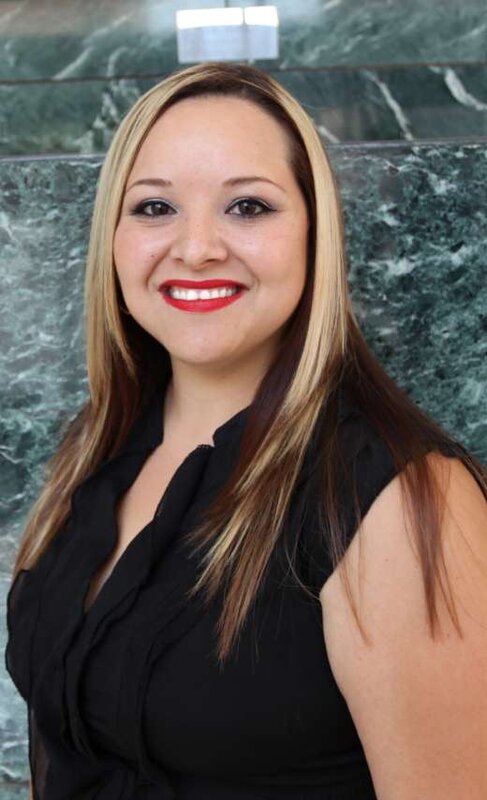
— Yvette Abrego, Patient Advocate
How Immunotherapy Works Differently Than Chemotherapy
To understand why the CheckMate 743 results mattered so much, it helps to understand what immunotherapy actually does. Traditional chemotherapy drugs like cisplatin and pemetrexed — the FDA-approved standard since 2004 — work by directly killing rapidly dividing cells. According to the FDA's approval documentation for Alimta (pemetrexed disodium), this combination was the first regimen to demonstrate a survival benefit in mesothelioma, establishing the benchmark that CheckMate 743 would later surpass.
Immunotherapy works through an entirely different mechanism. Nivolumab is a PD-1 inhibitor, a type of checkpoint inhibitor that blocks a protein cancer cells use to hide from the immune system. Ipilimumab targets a different checkpoint protein, CTLA-4. Together, according to research summarized in the CheckMate 743 publications, they release a two-pronged brake on the immune system, allowing T cells to recognize and attack tumor cells more effectively. The combination produces what immunologists call a synergistic effect — the two drugs together are more powerful than either would be alone.
That synergy comes with a different side effect profile than chemotherapy. Instead of nausea, hair loss, and bone marrow suppression, patients on checkpoint inhibitors face immune-related adverse events: inflammation in the lungs, liver, colon, or endocrine glands. These can be serious, and they require close monitoring by an experienced oncology team. But many patients report a meaningfully different quality of life during treatment compared to their experience on chemotherapy — something that matters enormously when you're trying to keep coaching Little League.
For patients who want to understand the full landscape of immunotherapy options, our immunotherapy for mesothelioma encyclopedia entry provides a comprehensive breakdown of current and emerging approaches.
Surgery's Role in a Changing Treatment Landscape
Not every mesothelioma patient is a candidate for immunotherapy as a standalone first-line approach. For patients with resectable disease, surgery remains part of the conversation — though the surgical debate itself has evolved significantly.
The two primary surgical approaches for pleural mesothelioma are extrapleural pneumonectomy (EPP), which removes the entire affected lung, and pleurectomy/decortication (P/D), which removes the tumor and pleural lining while preserving the lung. A study published in NCBI comparing these two procedures found that P/D was associated with lower operative mortality and comparable or superior long-term survival in selected patients, leading many high-volume centers to favor the lung-sparing approach when technically feasible.
The question of how immunotherapy and surgery interact is one of the most active areas of current research. Several trials are examining whether neoadjuvant immunotherapy before surgery improves resection rates and survival, or whether adjuvant immunotherapy after surgery reduces recurrence. Moffitt Cancer Center, MD Anderson, and the Brigham and Women's program are all enrolling patients in trials that address exactly these questions. If you're exploring surgical options, understanding your histological subtype first is critical — epithelioid mesothelioma generally responds better to surgical intervention than sarcomatoid disease, which is one reason the immunotherapy survival benefit for sarcomatoid patients is such a significant development.
Patients in California can search currently recruiting trials through the ClinicalTrials.gov mesothelioma registry for California, which lists open studies at institutions including UC San Francisco, UCLA, and City of Hope. Our locations directory can also help connect patients with specialized centers by region.
What Should Patients and Families Do Next?
Many patients and families I've worked with describe the first weeks after a mesothelioma diagnosis as a kind of controlled chaos — appointments stacking up, information arriving faster than it can be processed, and enormous decisions that have to be made quickly. Here's what I tell them.
First, confirm your histological subtype before any treatment decisions are finalized. Epithelioid, sarcomatoid, and biphasic mesothelioma respond differently to both immunotherapy and surgery. A pathology review at a high-volume mesothelioma center is worth the time it takes. Second, ask your oncologist specifically whether you're a candidate for nivolumab plus ipilimumab as first-line therapy, and why or why not. If the answer isn't grounded in your specific histology, staging, and performance status, push for more detail. Third, ask about clinical trials before starting any treatment. Once you've received a first-line regimen, you may be ineligible for trials that could offer access to next-generation therapies.
For patients diagnosed with peritoneal mesothelioma, the treatment pathway differs significantly from pleural disease — cytoreductive surgery combined with heated intraperitoneal chemotherapy (HIPEC) remains a cornerstone of care, and the immunotherapy data from CheckMate 743 applies specifically to pleural disease. Understanding which type of mesothelioma you have is foundational to everything that follows. Our full mesothelioma overview walks through the distinctions in plain language.
Finally, don't separate your medical decisions from your legal and financial ones. Mesothelioma is almost always caused by asbestos exposure, and the companies responsible for that exposure have established trust funds and face ongoing litigation. Compensation from these sources can help cover treatment costs, travel to specialized centers, and family support — without affecting your medical care or your eligibility for clinical trials. Our compensation guide and trust fund checker tool are good starting points. If you're considering legal action, our guide to filing a mesothelioma lawsuit explains the process step by step.
The Research Pipeline: What's Coming After Checkpoint Inhibitors
The CheckMate 743 approval opened a door, but researchers aren't stopping there. Several next-generation approaches are in active development as of 2026, and some are already in phase 2 or phase 3 trials.
CAR-T cell therapy, which engineers a patient's own T cells to target tumor-specific antigens, is being studied for mesothelioma with targets including mesothelin, a protein highly expressed on mesothelioma cells. Early-phase results have shown activity in patients who progressed on prior therapy. Tumor treating fields, a device-based approach that disrupts cell division using alternating electric fields, received FDA breakthrough designation for mesothelioma and is under active investigation in combination with chemotherapy. Antibody-drug conjugates that deliver cytotoxic agents directly to tumor cells via targeted antibodies represent another class with early signals of activity in mesothelioma.
Programs at Memorial Sloan Kettering and MD Anderson are at the forefront of several of these trials. For patients who have progressed on first-line immunotherapy or chemotherapy, asking about second-line trial eligibility at a major cancer center is, as I tell every family I work with, the most important step you can take right now to keep options open.
Understanding Exposure History and Its Role in Your Case
One dimension of mesothelioma care that often gets separated from treatment discussions is exposure history — but the two are more connected than most patients realize. Identifying where and how asbestos exposure occurred is not just relevant for legal claims. It can also inform your medical team about the timeline of your disease and, in some cases, the type of asbestos fiber involved, which researchers are still studying in relation to tumor biology.
Our asbestos exposure sites directory allows patients and families to search by employer, industry, and location to identify documented asbestos sites. This information is often critical for both legal claims and for building a complete patient history that a mesothelioma specialist can use. For patients wondering how mesothelioma differs from asbestos-related lung cancer, our mesothelioma vs. lung cancer comparison explains the key clinical and legal distinctions.
What I hear from patients going through this, again and again, is that they wish they had known sooner that their legal rights and their medical options don't have to be pursued separately. They can and should move forward together.
Frequently Asked Questions
Is nivolumab plus ipilimumab approved for all types of mesothelioma?
The FDA approved nivolumab plus ipilimumab specifically for unresectable malignant pleural mesothelioma as a first-line treatment. According to the FDA approval announcement, the approval was based on overall survival data from the CheckMate 743 trial. It is not approved for peritoneal mesothelioma, though clinical trials are exploring immunotherapy in that setting as well.
How does the survival benefit from immunotherapy compare to chemotherapy?
According to the CheckMate 743 trial published in the New England Journal of Medicine, patients on nivolumab plus ipilimumab had a median overall survival of 18.1 months compared to 14.1 months on chemotherapy. Two-year survival rates were 41 percent versus 27 percent. The benefit was most pronounced in patients with non-epithelioid histology, including sarcomatoid and biphasic subtypes.
What are the side effects of nivolumab plus ipilimumab in mesothelioma?
Unlike chemotherapy, which causes nausea, hair loss, and bone marrow suppression, checkpoint inhibitors cause immune-related adverse events. These can include inflammation of the lungs (pneumonitis), liver (hepatitis), colon (colitis), and endocrine glands. According to data from the CheckMate 743 trial, serious immune-related adverse events occurred in roughly 29 percent of patients on the combination, requiring close monitoring by an experienced oncology team.
Should I get a second opinion before starting treatment?
Absolutely. Mesothelioma is rare, and treatment decisions — including whether to use immunotherapy, chemotherapy, or a combination approach — depend heavily on histological subtype, disease stage, and individual patient factors. High-volume mesothelioma programs at institutions like MD Anderson, Memorial Sloan Kettering, Moffitt Cancer Center, and Brigham and Women's Hospital have the depth of experience to evaluate your case against the current evidence base.
Can I pursue legal compensation while undergoing treatment?
Yes. Filing a legal claim or accessing asbestos trust fund compensation does not affect your eligibility for clinical trials or your ongoing treatment. Many patients pursue both simultaneously. Asbestos trust funds were established specifically to compensate people harmed by asbestos exposure, and the claims process can often move forward in parallel with your medical care. Our trust fund checker tool and compensation guide can help you understand what may be available.
What is the difference between pleurectomy/decortication and extrapleural pneumonectomy?
Both are surgical procedures for pleural mesothelioma. Extrapleural pneumonectomy removes the entire affected lung along with surrounding tissue, while pleurectomy/decortication removes the tumor and pleural lining while preserving the lung. According to a comparative outcomes study published via NCBI, P/D is associated with lower operative mortality and has become the preferred approach at many high-volume centers for patients with resectable disease.
Are there clinical trials available for mesothelioma patients in 2026?
Yes. Multiple trials are actively recruiting as of 2026, including studies of CAR-T cell therapy targeting mesothelin, tumor treating fields in combination with chemotherapy, and next-generation checkpoint inhibitor combinations. Patients in California can search open trials through ClinicalTrials.gov. Nationally, major cancer centers including MD Anderson, Moffitt, and Memorial Sloan Kettering maintain active mesothelioma trial portfolios.
This article is for informational purposes only and does not constitute medical advice. Consult your healthcare provider for guidance specific to your situation.


Comments (3)
— Yvette Abrego