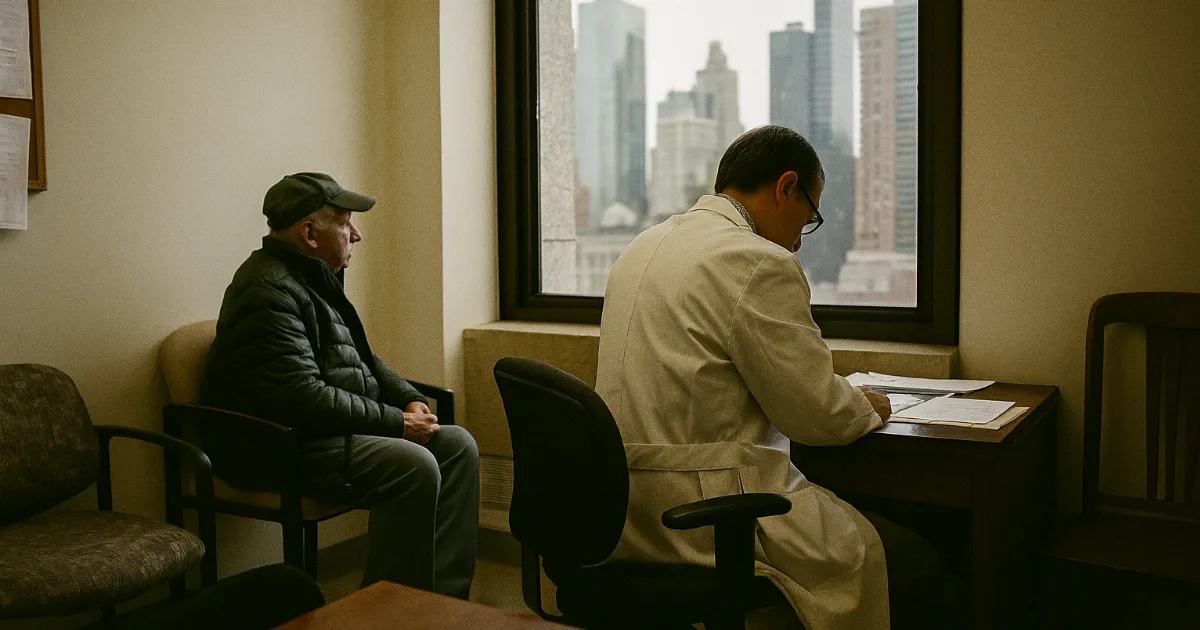

NEW YORK, NY — A retired construction supervisor from Queens had been healthy his entire life, or so he thought. Then a routine physical flagged something unusual in his bloodwork. Three months later, a specialist at a major Manhattan cancer center confirmed what no one wanted to say out loud: pleural mesothelioma, caught at an earlier stage than most patients ever see.
His case is rare. But it may be less rare in the coming years.
The Research Behind Earlier Detection
New findings published in a National Institutes of Health-indexed study on biomarkers for early mesothelioma detection have renewed attention on a critical question: can this cancer be identified in the blood before patients develop symptoms? The research, catalogued through PubMed Central, identifies a combination of protein and genetic markers, including fibulin-3, soluble mesothelin-related peptides (SMRP), and emerging microRNA signatures, that appear in patients with early-stage mesothelioma at measurably different concentrations than in healthy controls.
For New York City's oncology community, the implications are significant. The city has one of the highest concentrations of former shipyard workers, construction tradespeople, and industrial laborers in the country, all populations with documented asbestos exposure histories stretching back decades. According to data from the CDC's National Institute for Occupational Safety and Health, mesothelioma mortality rates in high-density urban areas with heavy industrial histories remain disproportionately elevated compared to national averages.
From an occupational health perspective, the significance of this research cannot be overstated. Most mesothelioma patients in New York City present at stage 3 or 4, when treatment options narrow sharply and median survival times compress. A reliable biomarker-based screening protocol would fundamentally change that picture.
Why This Matters for NYC's At-Risk Population
What the exposure data reveals about New York is sobering. Thousands of workers spent careers in environments saturated with asbestos-containing materials. Shipbuilding facilities along Brooklyn's Navy Yard, power generation sites, pre-war residential buildings throughout the boroughs, and commercial construction across Manhattan all represent documented exposure pathways. Workers in these industries, many now in their 60s, 70s, and 80s, represent exactly the population most likely to benefit from a proactive screening approach.
The latency period for mesothelioma, typically 20 to 50 years between first exposure and diagnosis, means that men and women who worked with asbestos in the 1970s and 1980s are only now entering their peak risk window. According to the Environmental Working Group's state-by-state mortality analysis, New York consistently ranks among the states with the highest total mesothelioma deaths, a pattern driven largely by that industrial legacy.
The new biomarker research, if validated in larger clinical cohorts, could give specialists at New York's major cancer centers a tool they have never had: a reason to screen at-risk patients before the cough, the chest pain, or the pleural effusion that currently drives most diagnoses.
"The window where we can actually change outcomes is so much earlier than when most patients walk through the door," said Anna Jackson, occupational health advocate and contributor to Mesothelioma-Lung-Cancer.org. "This research is pointing directly at that window."
What Patients and Families Should Do Now
For anyone with a documented history of occupational asbestos exposure, the current moment calls for action, not waiting. The National Comprehensive Cancer Network's published mesothelioma guidelines recommend that high-risk individuals discuss surveillance options with a specialist, particularly those with prior asbestos exposure confirmed through employment history or industrial records.
New York City hosts several major thoracic oncology programs capable of evaluating high-risk patients, ordering appropriate imaging, and interpreting biomarker results in clinical context. Patients who know they worked in shipyards, power plants, refineries, or asbestos-heavy construction trades should not wait for symptoms to appear before consulting a specialist. Reviewing your mesothelioma treatment options compared can also help you understand what stage-specific care looks like and why earlier detection creates more of them.
For families already navigating a diagnosis, the legal and financial dimensions matter just as much as the medical ones. Asbestos trust funds, established through the bankruptcies of companies that manufactured and distributed asbestos products, remain an active source of compensation for victims and their families. Understanding which trusts apply to a specific work history, and filing within state statute of limitations windows, requires early attention. Resources on mesothelioma compensation can help families understand what may be available to them.
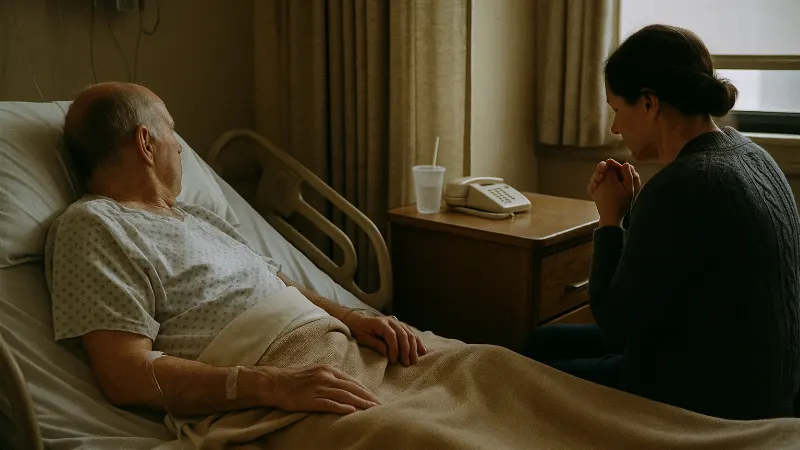
!What Patients and Families Should Do Now for mesothelioma research cases
The Broader Research Trajectory
The biomarker findings arrive alongside accelerating progress in immunotherapy for mesothelioma. Research published through PubMed Central on advances in immunotherapy documents the expanding role of checkpoint inhibitors, including the nivolumab-ipilimumab combination now recognized as a first-line standard for unresectable disease. Together, earlier detection and more effective systemic treatment represent a convergence that specialists have been working toward for years.
For New York City's patient population, the practical takeaway is straightforward. If you or someone in your family spent years working in an industry with known asbestos use, the time to talk to a specialist is before symptoms appear. The research now exists to support that conversation. The specialists to have it with are in this city. And the window, while not unlimited, is open.
This article is for informational purposes only and does not constitute medical advice. Consult your healthcare provider for guidance specific to your situation.