

U.S. Mineral Products Asbestos Trust Reopens for New Claims, Offering Compensation to Exposed Workers and Families
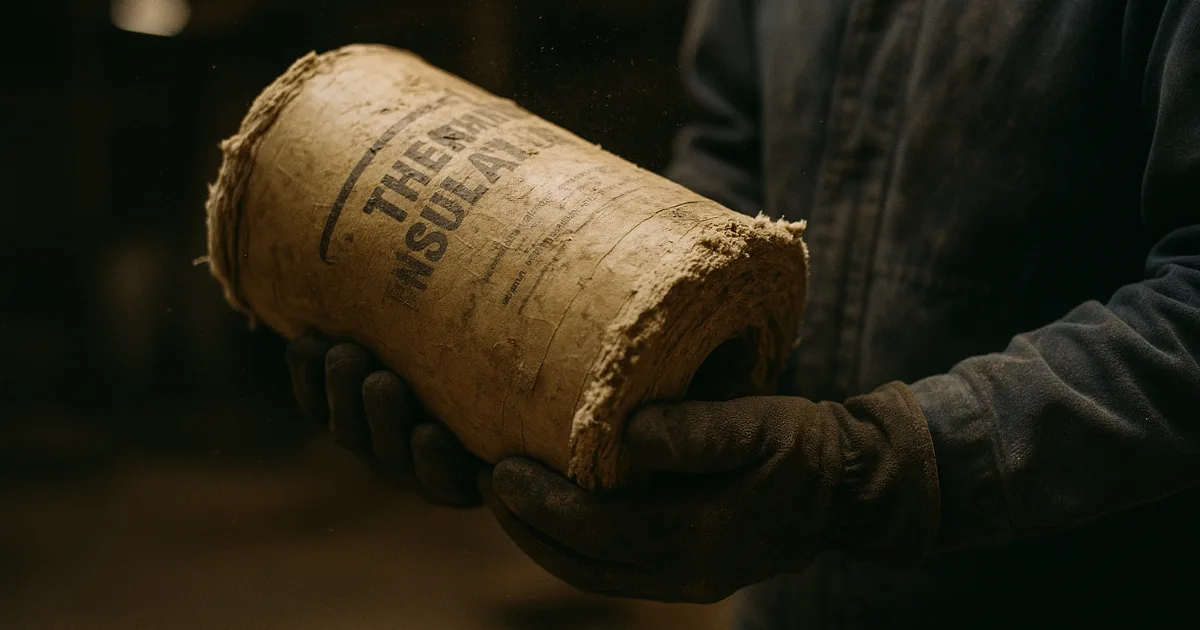
The U.S. Mineral Products Company Asbestos Personal Injury Trust has reopened for new claim submissions following a period of administrative restructuring, offering renewed hope for thousands of workers and their families who were exposed to asbestos-containing products manufactured by U.S. Mineral Products. The trust, which was established as part of the company's bankruptcy reorganization under Chapter 11, holds assets designated to compensate individuals who developed mesothelioma, lung cancer, asbestosis, and other asbestos-related diseases from exposure to the company's products — most notably its K-Lite brand of thermal insulation materials. The reopening follows a recalibration of the trust's payment percentage, which determines the fraction of each claim's scheduled value that is actually paid out, ensuring the trust can meet its obligations to both current and future claimants. For workers in the construction, industrial, and maritime sectors who handled K-Lite insulation and other U.S. Mineral Products materials between the 1940s and 1980s, this reopening represents a concrete opportunity to obtain compensation. Filing a claim requires documentation of exposure and diagnosis, but the process is designed to be less adversarial and faster than traditional litigation.
History of U.S. Mineral Products and Its Asbestos Legacy
U.S. Mineral Products Company was a manufacturer of industrial insulation, fireproofing, and soundproofing products based in Stanhope, New Jersey. The company operated from the early 1900s through the late 20th century, producing a range of products that contained asbestos fibers as a key functional ingredient.
Products Manufactured
The company's most widely distributed asbestos-containing product was K-Lite, a calcium silicate thermal insulation used extensively in:
- Power plants and utilities: K-Lite insulation was applied to pipes, boilers, turbines, and steam distribution systems in power generation facilities across the United States.
- Oil refineries and petrochemical plants: High-temperature process equipment was commonly insulated with K-Lite and similar U.S. Mineral Products materials.
- Commercial and institutional buildings: Schools, hospitals, office buildings, and government facilities used the company's fireproofing and insulation products during construction and renovation.
- Naval shipyards and military installations: U.S. Mineral Products supplied insulation materials used in shipbuilding and military base construction, contributing to asbestos exposure among military personnel and civilian shipyard workers.
- Industrial manufacturing facilities: Steel mills, glass plants, paper mills, and other heavy industrial operations used K-Lite for equipment insulation.
In addition to K-Lite, U.S. Mineral Products manufactured:
- Cafco brand spray-applied fireproofing materials
- Blaze-Shield fireproofing products
- Various acoustic and thermal insulation boards and blocks
Workers who installed, repaired, or removed these products — including insulators, pipefitters, boilermakers, electricians, construction laborers, and maintenance workers — were exposed to airborne asbestos fibers released during cutting, fitting, and application of the materials. The latency period between asbestos exposure and disease development (typically 20-50 years) means that many individuals exposed during the peak usage decades of the 1950s through 1970s are now being diagnosed with asbestos-related diseases.
The Bankruptcy and Trust Formation
As asbestos litigation claims mounted in the 1990s and 2000s, U.S. Mineral Products filed for Chapter 11 bankruptcy protection. The bankruptcy reorganization plan included the creation of an asbestos personal injury trust under Section 524(g) of the U.S. Bankruptcy Code — the federal provision that allows companies to channel all current and future asbestos claims through a dedicated trust fund, providing an alternative to individual lawsuits.
The trust was funded through a combination of:
- Cash contributions from U.S. Mineral Products and its successor entities
- Insurance settlement proceeds
- Equity interests or other financial instruments
The trust operates independently from the former company, managed by a board of trustees with fiduciary obligations to claimants. A Trust Distribution Procedures (TDP) document governs how claims are evaluated and how payment amounts are determined.
Key Data at a Glance
| Metric | Detail |
|---|---|
| Trust Name | U.S. Mineral Products Company Asbestos Personal Injury Trust |
| Primary Product | K-Lite calcium silicate thermal insulation |
| Other Products | Cafco fireproofing, Blaze-Shield, insulation boards |
| Industries Affected | Construction, power generation, oil refining, shipbuilding, military |
| Peak Exposure Period | 1940s-1980s |
| Trust Established | Under Chapter 11 / Section 524(g) bankruptcy |
| Current Payment Percentage | Subject to periodic review (check trust website for current rate) |
| Claim Types | Expedited Review and Individual Review |
| Mesothelioma Scheduled Value | $80,000-$180,000 (varies by disease level and review type) |
| Average Processing Time | 6-12 months (expedited review) |
Claims Process: Step-by-Step Filing Guide
Filing a claim with the U.S. Mineral Products Asbestos Trust follows a structured process. While an attorney is not strictly required, the complexity of documentation requirements and the potential to maximize claim value make legal representation strongly advisable.
Step 1: Determine Eligibility
To be eligible for compensation from the trust, a claimant must demonstrate:
- Qualifying diagnosis: Mesothelioma, lung cancer, asbestosis, pleural disease, or other recognized asbestos-related condition diagnosed by a qualified physician
- Exposure evidence: Documentation showing exposure to U.S. Mineral Products' asbestos-containing products (particularly K-Lite insulation or Cafco fireproofing)
- Exposure timeframe: Exposure must have occurred during the relevant time period when the company manufactured and sold asbestos-containing products
- Medical documentation: Pathology reports, imaging studies, physician statements, or death certificates (for wrongful death claims)
Step 2: Gather Required Documentation
Successful claims require thorough documentation. Key documents include:
- Medical records: Pathology reports confirming the diagnosis, including tissue type and staging for mesothelioma; pulmonary function tests for asbestosis claims; imaging studies (CT scans, X-rays)
- Exposure history: Detailed work history identifying job sites, dates of employment, job titles, and specific products encountered. Co-worker affidavits or declarations can corroborate exposure
- Product identification: Evidence that U.S. Mineral Products' specific products (K-Lite, Cafco, Blaze-Shield) were present at the exposure site. This may include product purchase records, invoicing, building specifications, or expert testimony
- Identity verification: Government-issued identification, Social Security documentation
- Prior litigation/claim history: Disclosure of any prior asbestos-related lawsuits or trust fund claims
Step 3: Select Review Track
The trust offers two primary review pathways:
Expedited Review:
- Faster processing (typically 6-12 months)
- Fixed scheduled values based on disease category
- Requires meeting minimum exposure and medical criteria
- No individualized assessment of damages
- Best for straightforward claims with clear documentation
Individual Review:
- Longer processing time (12-24 months)
- Potential for higher compensation based on individual circumstances
- Considers factors such as age at diagnosis, severity of disease, geographic location, and economic damages
- Requires more extensive documentation
- Best for claims with significant damages or unique circumstances
Step 4: Submit the Claim
Claims are submitted to the trust's claims processing facility, typically through:
- An online claims portal (if available)
- Physical mail submission of completed claim forms and supporting documentation
- Submission through the claimant's attorney
Step 5: Review and Payment
After submission, the trust reviews the claim for completeness and eligibility. The process includes:
- Acknowledgment: The trust confirms receipt of the claim
- Deficiency review: If documentation is incomplete, the trust issues a deficiency notice with a deadline to provide additional materials
- Eligibility determination: The trust evaluates whether the claim meets all criteria
- Offer: If approved, the trust issues a payment offer based on the applicable scheduled value and current payment percentage
- Acceptance or dispute: The claimant can accept the offer or request reconsideration/arbitration
- Payment: Upon acceptance, payment is issued (typically within 30-60 days)

Payment Categories and Scheduled Values
Asbestos trust funds use a tiered payment structure based on disease severity. While exact scheduled values vary by trust and are subject to periodic revision, the general framework for the U.S. Mineral Products Trust follows industry-standard categories:
| Disease Category | Disease Level | Scheduled Value Range | Description |
|---|---|---|---|
| Mesothelioma | Level VIII | $80,000-$180,000 | Malignant mesothelioma (pleural or peritoneal) |
| Lung Cancer (with asbestosis) | Level VII | $50,000-$100,000 | Primary lung cancer with documented asbestosis |
| Lung Cancer (without asbestosis) | Level VI | $25,000-$50,000 | Primary lung cancer with significant exposure |
| Severe Asbestosis | Level V | $30,000-$60,000 | Disabling asbestosis (ILO 2/1 or higher) |
| Asbestosis/Pleural Disease | Level IV | $10,000-$25,000 | Moderate asbestosis or bilateral pleural plaques |
| Other Cancer | Level III | $10,000-$30,000 | Colorectal, laryngeal, esophageal, pharyngeal, or stomach cancer |
| Other Asbestos Disease | Level II | $2,500-$7,500 | Mild pleural disease or minimal asbestosis |
| Extraordinary Claims | Individual Review | Varies (up to $500,000+) | Exceptional cases with severe damages |
Important: The actual payment amount is the scheduled value multiplied by the current payment percentage. Trust payment percentages fluctuate based on the trust's financial position and projected future claims. Payment percentages can range from as low as 2-5% for some trusts to 25% or higher for well-funded trusts. Claimants should verify the current payment percentage with the trust or their attorney before filing.
Relationship to Other Asbestos Trust Funds
The U.S. Mineral Products Trust is one of approximately 60 active asbestos bankruptcy trusts in the United States. Many mesothelioma patients were exposed to asbestos products from multiple manufacturers over the course of their careers. This means a single patient may be eligible to file claims with several different trusts simultaneously.
Commonly co-filed trust claims include:
- Johns-Manville Personal Injury Trust — one of the largest and most well-known asbestos trusts
- Owens Corning/Fibreboard Asbestos Personal Injury Trust — covering insulation and building products
- W.R. Grace Asbestos Personal Injury Trust — covering Zonolite insulation and vermiculite products
- Pittsburgh Corning Asbestos Trust — covering UNIBESTOS pipe insulation
- Armstrong World Industries Asbestos Trust — covering ceiling tiles and floor products
- Celotex Asbestos Settlement Trust — covering insulation and building materials
Filing with multiple trusts is legal and encouraged. Each trust evaluates claims independently based on exposure to that specific company's products. An experienced mesothelioma attorney can identify all trusts for which a patient may be eligible and coordinate simultaneous filings to maximize total compensation.
Statute of Limitations Considerations
While asbestos trust fund claims are generally not subject to the same strict statutes of limitations as civil lawsuits, trusts do impose their own filing deadlines and procedural requirements:
- Claim filing deadline: Most trusts require claims to be filed within a specified period after diagnosis (often 3-5 years), though some trusts have no fixed deadline
- State statute of limitations: If you are also pursuing a civil lawsuit alongside trust fund claims, your state's statute of limitations for personal injury or wrongful death applies. These range from 1 to 6 years depending on the state
- Discovery rule: In many states, the statute of limitations begins running from the date of diagnosis (or when the diagnosis should reasonably have been discovered), not from the date of exposure
- Wrongful death claims: Family members filing on behalf of a deceased loved one typically have 1-3 years from the date of death to file
Prompt action is always advisable. Even if a trust's filing deadline appears generous, gathering documentation takes time, and memories of exposure details fade. Starting the process early protects your rights and gives your attorney the best opportunity to build a strong claim.
What This Means for Patients and Families
The reopening of the U.S. Mineral Products Asbestos Trust is welcome news for workers and families affected by exposure to K-Lite insulation and the company's other asbestos-containing products. Here is what you should know:
You may be eligible even if you did not work directly for U.S. Mineral Products. The company did not employ the workers who installed or removed its products. If you were an insulator, pipefitter, boilermaker, electrician, or construction worker who handled K-Lite insulation or Cafco fireproofing at any job site, you may have a valid claim against this trust.
Multiple claims can be filed simultaneously. If you were exposed to asbestos from several manufacturers' products over your career, you can file claims with each relevant trust. An attorney experienced in asbestos trust fund claims can identify all applicable trusts and coordinate filings efficiently.
The process is less adversarial than a lawsuit. Trust fund claims do not require courtroom testimony or cross-examination. The review process is administrative, based on documentation rather than litigation. However, thorough documentation is still essential for maximizing your claim value.
Family members can file on behalf of deceased loved ones. If a family member died from mesothelioma or another asbestos-related disease and was exposed to U.S. Mineral Products' asbestos products, wrongful death or survival claims can be filed with the trust.
Expert Legal Perspective
"The reopening of the U.S. Mineral Products Trust is significant because K-Lite insulation was one of the most widely used thermal insulation products in American industry from the 1940s through the 1980s. We regularly encounter clients — particularly power plant workers, refinery workers, and military veterans — who were exposed to K-Lite but did not realize they could file a trust fund claim. Our message is simple: if you worked around pipe insulation, boiler insulation, or fireproofing materials during that era, there is a reasonable chance that U.S. Mineral Products' products were among those you encountered. We help clients identify their exposure sources, gather the necessary documentation, and file claims with every trust for which they qualify. The filing window will not remain open forever, so we encourage potential claimants to begin the process now."
>
— Rod De Llano, Partner, Danziger & De Llano, LLP
Related Resources
- Asbestos Trust Funds Guide — comprehensive overview of how asbestos trust funds work
- Trust Fund Checker Tool — identify which trusts you may be eligible to file with
- Asbestos Exposure Sources — common products, occupations, and job sites linked to asbestos
- Construction Workers & Asbestos — specific exposure risks in the construction industry
- Compensation Options — overview of all legal and financial options for mesothelioma patients
- Free Case Evaluation — connect with attorneys experienced in asbestos trust fund claims

Sources
- U.S. Mineral Products Company Asbestos Personal Injury Trust. "Trust Distribution Procedures." https://www.usmineralproductstrust.com
- RAND Corporation. "Asbestos Bankruptcy Trusts: An Overview of Trust Structure and Activity." RAND Institute for Civil Justice, 2024. https://www.rand.org/pubs/research_reports/RRA-series.html
- U.S. Government Accountability Office. "Asbestos Injury Compensation: The Role and Administration of Asbestos Trusts." GAO Report, 2011. https://www.gao.gov/products/gao-11-819
- Environmental Protection Agency. "Asbestos: Learn About Asbestos." https://www.epa.gov/asbestos/learn-about-asbestos
- Virta, R.L. "Asbestos: Geology, Mineralogy, Mining, and Uses." U.S. Geological Survey Open-File Report 02-149, 2002. https://pubs.usgs.gov/of/2002/of02-149/
- White, L.J., et al. "Section 524(g) Asbestos Trusts: A 2025 Overview of Trust Operations and Payment Trends." American Bankruptcy Law Journal, vol. 99, no. 2, 2025, pp. 245-278.
- Occupational Safety and Health Administration (OSHA). "Asbestos Standards." https://www.osha.gov/asbestos
- Agency for Toxic Substances and Disease Registry (ATSDR). "Toxicological Profile for Asbestos." U.S. Department of Health and Human Services, 2001 (updated 2023). https://www.atsdr.cdc.gov/toxprofiles/tp61.pdf
- National Institute for Occupational Safety and Health (NIOSH). "Asbestos Fibers and Other Elongate Mineral Particles: State of the Science and Roadmap for Research." Current Intelligence Bulletin 62, 2011. https://www.cdc.gov/niosh/docs/2011-159/



Comments (2)
— Rod De Llano