
Military

Camp Lejeune

Camp Lejeune

Camp Lejeune Marine Corps Base Camp Lejeune in Jacksonville, North Carolina is well known for its contaminated water crisis, but thousands of buildings on the base also contained asbestos materials. Marines, sailors, and civilian workers were exposed to asbestos through deteriorating building materials and renovation work.

Last verified: 2026-03-09
Location
Jacksonville, NC
Industry
Military Installation
Exposure Era
1940s–1980s
Primary Asbestos Products
Building insulation in barracks and facilities, Asbestos floor and ceiling tiles, Pipe lagging in utility systems, Brake and clutch components in military vehicles
Job Categories at Risk
Marines, Navy personnel, Building maintenance workers, Plumbers and pipefitters, Vehicle and equipment mechanics

History & Asbestos Use

Camp Lejeune was established in 1941 and rapidly expanded during World War II. Construction throughout the 1940s, 1950s, and 1960s used asbestos extensively in insulation, flooring, and roofing. While the base is most widely known for the water contamination scandal addressed by the Camp Lejeune Justice Act of 2022, asbestos exposure represents a separate and significant health concern for personnel stationed there.
Exposure Details

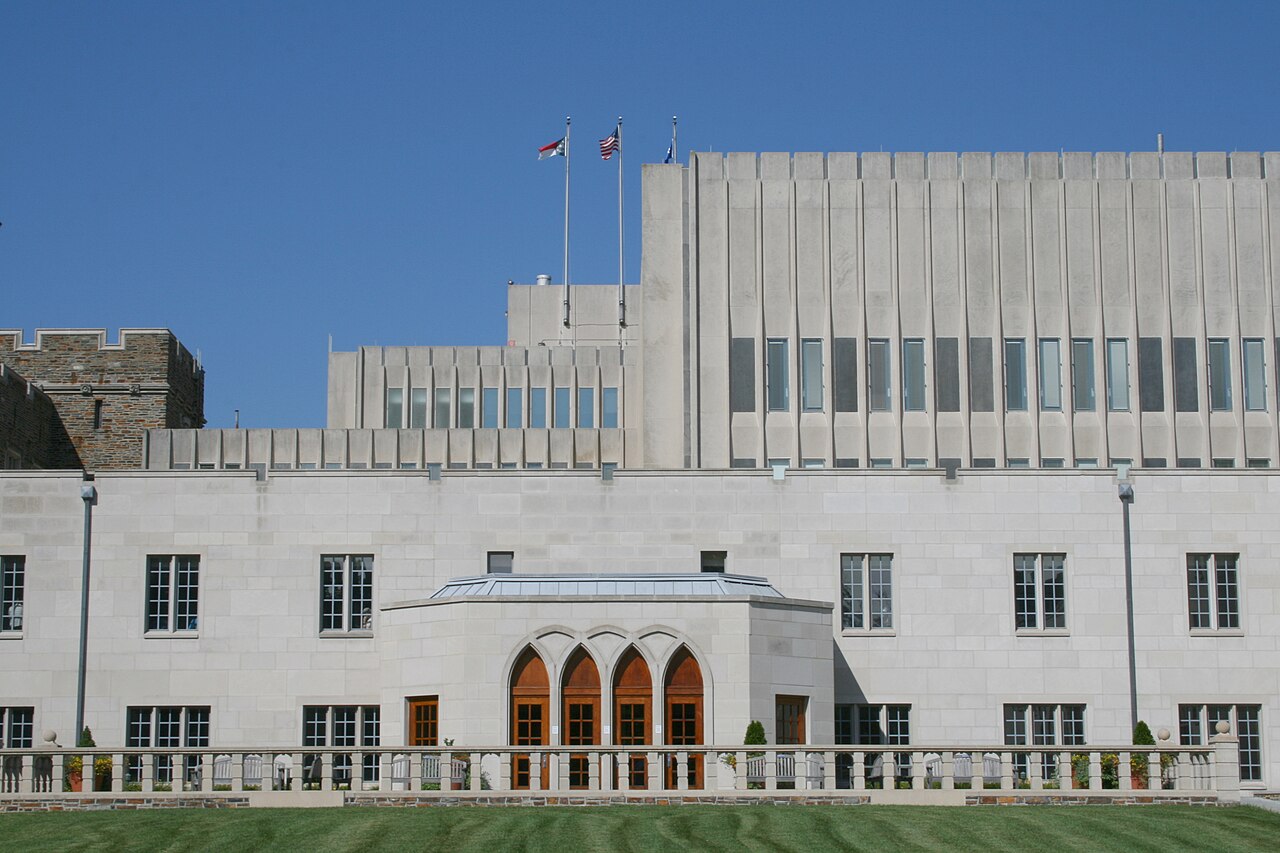
Asbestos was present in pipe insulation, floor tiles, ceiling materials, and mechanical systems across hundreds of buildings. Marines living in older barracks were exposed to deteriorating asbestos materials. Maintenance workers and construction crews faced particularly high exposure during renovation and repair projects that disturbed asbestos without proper containment.

Workers at Risk

The following job categories at Camp Lejeune had the highest risk of asbestos exposure:

  • Marines
  • Navy personnel
  • Building maintenance workers
  • Plumbers and pipefitters
  • Vehicle and equipment mechanics

Health Effects

Service members stationed at Camp Lejeune have been diagnosed with mesothelioma, asbestosis, and lung cancer linked to asbestos exposure. Combined with the base's documented water contamination, veterans may have faced multiple toxic exposure pathways during their service.

Health information is based on established medical research on asbestos exposure. Asbestos is classified as a known human carcinogen by the National Cancer Institute, the Agency for Toxic Substances and Disease Registry, and the U.S. Environmental Protection Agency. Consult a physician for medical advice specific to your situation.

Compensation May Be Available

Workers exposed to asbestos at Camp Lejeune may be entitled to compensation through asbestos trust funds, personal injury lawsuits, or veterans benefits. Mesothelioma patients and their families have recovered billions in compensation from companies that manufactured or used asbestos products.

Find Out If You Qualify

Were You Exposed to Asbestos at Camp Lejeune?

Workers who were employed at Camp Lejeune between 1940s–1980s may have been exposed to asbestos-containing materials. If you've been diagnosed with mesothelioma, lung cancer, or asbestosis, you may have legal options including trust fund claims and lawsuits.

Treatment Centers in North Carolina

If you were exposed to asbestos at Camp Lejeune and have been diagnosed with mesothelioma, these specialized treatment centers in North Carolina may be able to help.

Browse all treatment centers →

Frequently Asked Questions

Is Camp Lejeune asbestos exposure separate from the water contamination?

Yes. The Camp Lejeune water contamination and asbestos exposure in buildings are separate issues with different health effects and legal pathways. Asbestos exposure occurred through building materials, not the water supply.

Can Camp Lejeune veterans file claims for both water and asbestos exposure?

Yes. The Camp Lejeune Justice Act addresses water contamination claims, while asbestos-related diseases can be pursued through VA disability claims and separate asbestos lawsuits. The legal strategies are different for each exposure type.

What buildings at Camp Lejeune contained asbestos?

Virtually all buildings constructed before 1980 at Camp Lejeune potentially contained asbestos materials. This includes barracks, mess halls, administrative buildings, maintenance shops, and family housing units.

Get a Free Case Evaluation

If you or a loved one worked at Camp Lejeune and have been diagnosed with mesothelioma, lung cancer, or asbestosis, our attorneys can help you explore your legal options. There is no cost, no pressure, and no obligation.

Free & Confidential No upfront costs, no hidden fees. You pay nothing unless we recover compensation.
Nationwide Representation Licensed to handle mesothelioma cases in all 50 states from our Houston office.
Over 25 Years of Experience Our attorneys have recovered over $2 billion for mesothelioma patients and families.
Fast Results Trust fund claims can resolve in as few as 90 days. We move quickly for our clients.

Or call us 24/7: 1-800-400-1805

Take the First Step — It's Free

Your information is protected by attorney-client privilege. We never share your data. No fees unless we recover compensation for you.

No Fees Unless We Win 100% Confidential Available 24/7

Sources:

  • Marine Corps Installations Command Records — accessed 2026-03-09
  • VA Camp Lejeune Health Registry — accessed 2026-03-09
  • Department of Defense Environmental Reports — accessed 2026-03-09
Call Now: (800) 400-1805 Free Case Review • Available 24/7