Military

Naval Air Station Jacksonville

Naval Air Station Jacksonville

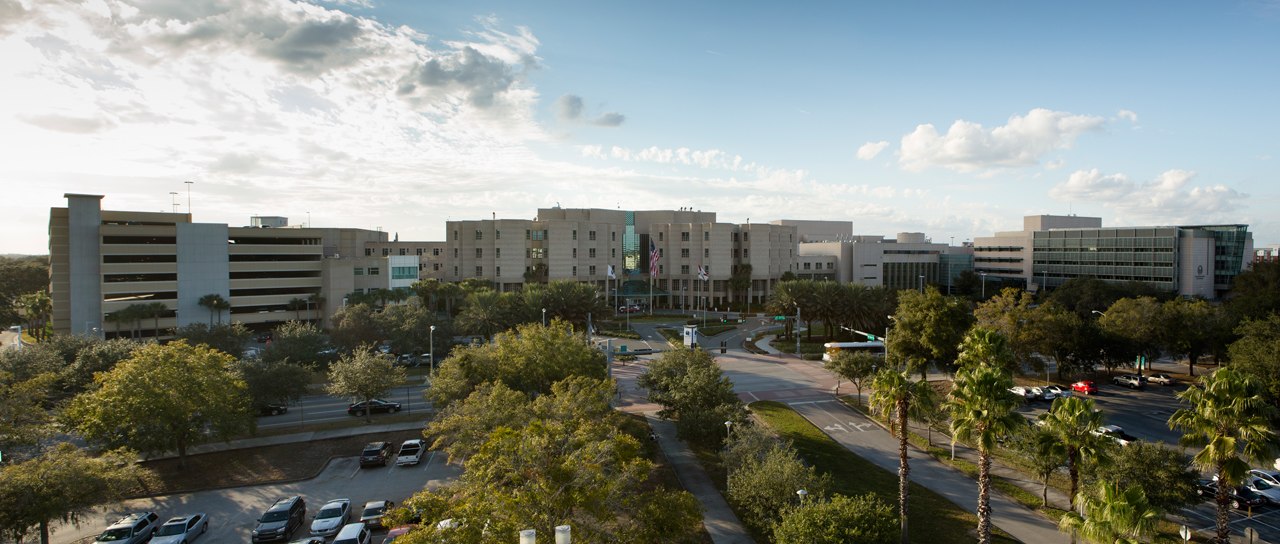
Naval Air Station Jacksonville Naval Air Station Jacksonville is a major Navy aviation installation in northeast Florida. Aircraft maintenance facilities, hangars, and support buildings contained asbestos materials that exposed aviation mechanics, maintenance crews, and other personnel for decades.

Last verified: 2026-03-09
Location
Jacksonville, FL
Industry
Military Installation
Exposure Era
1940s–1980s
Primary Asbestos Products
Aircraft brake linings and heat shields, Hangar insulation, Building pipe insulation and floor tiles, Electrical wiring insulation
Job Categories at Risk
Navy aviation mechanics, Aircraft maintenance crews, Hangar maintenance workers, Facility engineers, Ground support equipment operators

History & Asbestos Use

NAS Jacksonville was commissioned in 1940 and served as a primary naval aviation training and maintenance facility throughout World War II and the Cold War. The station's hangars, maintenance shops, and administrative buildings were constructed using asbestos-containing materials standard in military construction. Aircraft repair operations also involved asbestos-containing brake components, gaskets, and heat shields.
Exposure Details

Aviation mechanics working on military aircraft encountered asbestos in brake assemblies, heat shields, and engine gaskets. Hangar insulation and building materials deteriorated over decades, releasing fibers into work areas. Facility maintenance workers who repaired plumbing, HVAC systems, and electrical infrastructure in older buildings were also routinely exposed.

Workers at Risk

The following job categories at Naval Air Station Jacksonville had the highest risk of asbestos exposure:

  • Navy aviation mechanics
  • Aircraft maintenance crews
  • Hangar maintenance workers
  • Facility engineers
  • Ground support equipment operators

Health Effects

Veterans and civilian employees who worked at NAS Jacksonville have developed mesothelioma, lung cancer, and asbestosis. Aviation mechanics who regularly serviced brake systems faced particularly concentrated exposure. The warm Florida climate accelerated the degradation of asbestos-containing building materials.

Health information is based on established medical research on asbestos exposure. Asbestos is classified as a known human carcinogen by the National Cancer Institute, the Agency for Toxic Substances and Disease Registry, and the U.S. Environmental Protection Agency. Consult a physician for medical advice specific to your situation.

Compensation May Be Available

Workers exposed to asbestos at Naval Air Station Jacksonville may be entitled to compensation through asbestos trust funds, personal injury lawsuits, or veterans benefits. Mesothelioma patients and their families have recovered billions in compensation from companies that manufactured or used asbestos products.

Find Out If You Qualify

Were You Exposed to Asbestos at Naval Air Station Jacksonville?

Workers who were employed at Naval Air Station Jacksonville between 1940s–1980s may have been exposed to asbestos-containing materials. If you've been diagnosed with mesothelioma, lung cancer, or asbestosis, you may have legal options including trust fund claims and lawsuits.

Frequently Asked Questions

How were aviation mechanics exposed to asbestos at NAS Jacksonville?

Military aircraft used asbestos in brake linings, heat shields, gaskets, and engine components. Mechanics who serviced, repaired, or replaced these parts inhaled asbestos fibers released during the work. This was especially common with older aircraft types.

Were civilian workers at NAS Jacksonville also exposed?

Yes. Civilian employees working in maintenance, construction, and facility operations at the air station were exposed to the same asbestos-containing materials as military personnel. Civilian workers may file both VA-related claims and separate civil lawsuits.

What should NAS Jacksonville veterans do if diagnosed with mesothelioma?

Veterans should file a VA disability claim citing asbestos exposure during service and consult an experienced mesothelioma attorney. Both VA benefits and legal compensation from asbestos manufacturers may be available simultaneously.

I worked here but I have no employment records. Does that end it?

No. Missing paperwork is normal after this long, and it is not what decides a claim. A Social Security earnings statement lists every employer you had, by year, and can usually be requested directly. Union records, W-2s and a DD-214 for military service do similar work. Coworkers who were there can also confirm conditions. What matters most is what you remember, written down in your own words.

My father or husband worked here and has since died. Can the family still file?

Yes. A wrongful death claim can be brought by the estate or eligible family members, and it is a separate route from a claim the patient would have brought themselves. It also runs on a different clock: the deadline generally starts at the date of death rather than the date of diagnosis, which means families are sometimes still in time when they assume they are not. Deadlines are set by each state, so confirm the one that applies to yours.

I never worked here, but a family member did. Could I have been exposed?

Possibly. Asbestos fibres travelled home on work clothes, in hair and in vehicles, and household members were exposed while washing laundry or greeting someone at the end of a shift. This is called secondhand or take-home exposure and it is a recognised route to a claim in its own right, not an exception. If you are documenting a family member's work history, write down your own contact with their work clothing as well.

Did you work at Naval Air Station Jacksonville? Write this down now

You do not need a lawyer, a diagnosis, or a decision to do this. You need a piece of paper. Memory is the part of a claim nobody else can reconstruct for you, and it is the part that fades.

  • The years you worked there — approximate is fine, and a range is fine
  • Your trade or job title, and what you actually did day to day
  • Which building, unit, ship or area you spent your time in
  • Who else was there — names of crew, foremen, or anyone who could confirm it later
  • Anything you remember about the materials — write what you recall on your own, before looking anything up. Details you remember unprompted are the ones that hold up years later when you are asked under oath. Details you read on a website do not.

If you are doing this for a relative who has died, write down what you remember too, including work clothes brought home to be washed. Household exposure is a real claim, not an edge case.

Worked at Naval Air Station Jacksonville? Tell us the years and your trade

That is usually enough to work out which claims are open to you — trust funds, a lawsuit, or VA benefits if the exposure happened in service. You do not need records, dates you are certain of, or the name of a product. If you are asking on behalf of someone who has died, a family member can file and the deadline runs differently. No cost, no obligation, and no pressure to decide anything today.

Free & Confidential No upfront costs, no hidden fees. You pay nothing unless we recover compensation.
Nationwide Representation Licensed to handle mesothelioma cases in all 50 states from our Houston office.
Over 25 Years of Experience Our attorneys have recovered over $2 billion for mesothelioma patients and families.
Fast Results Trust fund claims can resolve in as few as 90 days. We move quickly for our clients.

Or call us 24/7: 1-800-400-1805

Take the First Step — It's Free

Your information is kept strictly confidential. We never share your data. No fees unless your attorney recovers compensation for you. This is attorney advertising. Mesothelioma-Lung-Cancer.org is not a law firm. Featured attorneys are paid sponsors who meet our editorial criteria. Past results do not guarantee future outcomes.

No Fees Unless You Win 100% Confidential Available 24/7

Sources:

  • Naval Air Systems Command Historical Records — accessed 2026-03-09
  • Florida Department of Environmental Protection — accessed 2026-03-09
  • VA Environmental Hazards Registry — accessed 2026-03-09
Was this page helpful?
Call Now: (800) 400-1805 Free Case Review • Available 24/7