

California's Mesothelioma Treatment Centers Are Rewriting What's Possible for Stage 4 Patients in 2026
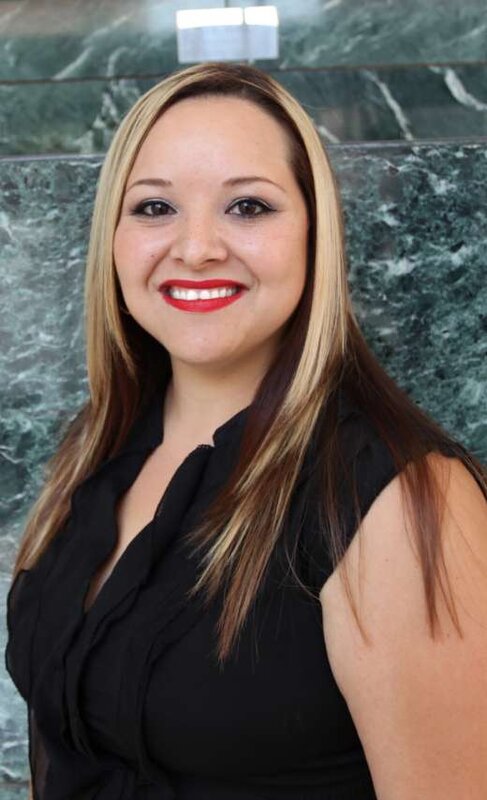
Nadia Reyes was 54 years old when her oncologist in Fresno told her she had peritoneal mesothelioma. The diagnosis came after months of bloating and abdominal discomfort she had attributed to stress. Her husband had worked in commercial construction for three decades, and she had washed his asbestos-dusted work clothes for most of their marriage. Nobody had warned her that was enough.
What happened next is the reason this article exists. Nadia's local oncologist, unfamiliar with mesothelioma's unique treatment landscape, suggested a standard chemotherapy regimen and offered her a prognosis of 12 to 18 months. A patient advocate connected her with a specialist at a major California cancer center. Within six weeks, she was enrolled in a clinical trial and had undergone a cytoreductive surgery with heated intraperitoneal chemotherapy, known as HIPEC. Two years later, she is still in treatment, but she is alive. Her story is a product of geography, access, and knowing where to look.
What Makes California's Mesothelioma Treatment Landscape Different?
California is home to some of the most advanced mesothelioma treatment programs in the United States, with a concentration of academic medical centers, active clinical trials, and specialists who see enough cases each year to develop genuine expertise in a cancer that most oncologists encounter only once or twice in their careers. According to data from the National Cancer Institute's SEER program, approximately 3,000 Americans are diagnosed with mesothelioma each year, making it rare enough that most community hospitals lack the infrastructure to treat it optimally. California's major urban centers, including Los Angeles, San Francisco, San Diego, and Sacramento, host institutions that treat mesothelioma in meaningful volumes and participate in the national research network advancing the field.
The distinction matters enormously. Mesothelioma is not a single disease. Research published in the National Institutes of Health's medical literature emphasizes that cell type and histology are critical determinants of both prognosis and treatment selection. Epithelioid mesothelioma, the most common subtype, responds differently to surgery and systemic therapy than sarcomatoid or biphasic disease. A specialist who understands this distinction will recommend a fundamentally different treatment path than a generalist oncologist who does not. For patients navigating this diagnosis in California, the concentration of specialists is a genuine advantage, but only if patients know how to access them.
What I hear from patients going through this is that the first oncologist they see often shapes their entire understanding of what is possible. That first conversation can either open doors or close them, depending on the physician's familiarity with the disease.
Why California's Clinical Trial Access Changes the Odds
For mesothelioma patients, clinical trials are not a last resort. They are often the most promising path forward, particularly for patients whose disease has progressed beyond what standard chemotherapy can control. California's academic medical centers are active participants in the national and international trial network, and in 2026, several of the most significant trials in the mesothelioma field are enrolling at California institutions.
The most closely watched development in mesothelioma treatment right now is the emergence of CAR-T cell therapy targeting mesothelin, a protein expressed at high levels on mesothelioma tumor cells. A Phase I trial published in the Journal of Clinical Oncology demonstrated that mesothelin-targeted CAR-T cells could be administered safely in mesothelioma patients, with some participants showing measurable tumor reduction. While this research is still in its early stages, the trial established proof of concept for a cellular immunotherapy approach that has generated significant interest among thoracic oncologists. California institutions affiliated with the national trial network are among the sites where this research continues to expand.
Immunotherapy more broadly has reshaped the mesothelioma treatment landscape over the past several years. The combination of nivolumab and ipilimumab, approved by the FDA for unresectable mesothelioma, has given oncologists a first-line option that produces durable responses in a meaningful subset of patients. For a deeper look at how immunotherapy is being used in mesothelioma care, the immunotherapy and mesothelioma resource on this site offers a comprehensive breakdown of current protocols and what patients should ask their oncologists.
Beyond immunotherapy, gene therapy approaches represent the next frontier. Research indexed in the NIH's biomedical literature has explored viral vector delivery systems and other gene-editing strategies designed to sensitize mesothelioma tumors to existing therapies or directly suppress tumor growth. These approaches are earlier in development than CAR-T or checkpoint inhibitors, but California's research infrastructure, particularly its university-affiliated cancer centers, places the state at the center of this work.
How Surgical Innovation in California Is Extending Survival
Surgery remains one of the most powerful tools in mesothelioma treatment, but it is also one of the most consequential decisions a patient will make. Not every patient is a surgical candidate, and not every surgeon has the experience to perform the procedures that offer the best outcomes.
For pleural mesothelioma, the two primary surgical options are extrapleural pneumonectomy, which removes the affected lung along with surrounding tissue, and pleurectomy with decortication, which preserves the lung while removing the tumor-bearing pleura. The Journal of Thoracic Oncology has published extensive research on the comparative outcomes of these procedures, and the consensus in 2026 is that patient selection and surgical volume at the treating institution are as important as the specific procedure chosen. California's major thoracic surgery programs, including those at University of California campuses in Los Angeles and San Francisco, perform these operations with sufficient regularity to maintain the kind of institutional expertise that translates into better outcomes.
For peritoneal mesothelioma, the combination of cytoreductive surgery and HIPEC has transformed what was once considered a universally fatal diagnosis. Patients with epithelioid peritoneal disease who undergo complete cytoreduction followed by HIPEC have achieved median survival times that were unimaginable a decade ago. Several California hospitals now offer this procedure, and the concentration of surgical expertise in the state means that patients do not necessarily need to travel across the country to access it.
Nadia's case illustrates this directly. The HIPEC procedure she received required a surgical team with specific training, an operating room equipped for the procedure, and an oncology team capable of managing the recovery. That combination existed within driving distance of her home. For patients in rural parts of California or in states with fewer specialized centers, the calculus is harder, but the existence of these programs in California creates options that simply do not exist everywhere.
What Role Do Blood Biomarkers Play in Early Detection and Monitoring?
One of the persistent challenges in mesothelioma care is that the disease is almost always diagnosed late, after symptoms have already produced measurable tumor burden. Research published in NIH-indexed literature on blood-based biomarkers, specifically fibulin-3 and soluble mesothelin-related peptides, known as SMRPs, has explored whether these proteins could serve as earlier indicators of disease or as monitoring tools during treatment.
The current evidence suggests that SMRPs in particular have utility as a monitoring biomarker in patients already diagnosed with mesothelioma, helping oncologists track treatment response without relying solely on imaging. Fibulin-3 has shown promise as a diagnostic marker, though its clinical implementation remains limited. Neither biomarker has yet achieved the sensitivity and specificity needed to serve as a standalone screening tool for at-risk populations, such as former shipyard workers, construction tradespeople, or veterans with known asbestos exposure.
For California's large veteran population, this is particularly relevant. The state has one of the highest concentrations of Navy veterans in the country, many of whom served aboard ships insulated with asbestos-containing materials. Veterans who worked in shipyards in San Diego, Long Beach, or the San Francisco Bay Area during the 1960s through 1980s carry elevated lifetime risk for mesothelioma. Many of those veterans are now in their 70s and 80s, precisely the age when mesothelioma typically manifests. The veterans and mesothelioma resource on this site provides specific guidance on VA benefits and treatment access for this population, and the VA benefits eligibility tool can help veterans quickly assess what they may be entitled to.
Many patients and families I've worked with are surprised to learn that a mesothelioma diagnosis can qualify a veteran for VA healthcare benefits, disability compensation, and access to VA-affiliated cancer programs, all without requiring a separate legal claim.

What Should Patients and Families Do Next?
A mesothelioma diagnosis in California in 2026 does not carry the same prognosis it did ten years ago. That is not spin. It is a product of genuine scientific progress, better surgical techniques, the arrival of immunotherapy as a standard option, and the ongoing expansion of clinical trials targeting the biological mechanisms that drive this disease. But accessing that progress requires deliberate action, and the most important step you can take right now is to connect with a specialist who treats mesothelioma regularly, not just occasionally.
The first practical step is to request a referral to a thoracic oncologist or a mesothelioma-specific program at one of California's major cancer centers. If your current oncologist is treating you at a community hospital without a dedicated thoracic oncology program, a second opinion at an academic medical center is not a rejection of your doctor. It is a standard of care that mesothelioma specialists themselves recommend. The doctor directory on this site can help you identify specialists in California who have documented experience with mesothelioma.
Second, ask specifically about clinical trial eligibility. Many patients assume they are not eligible for trials because of their age, their stage, or prior treatment history. Eligibility criteria vary enormously from trial to trial, and only a specialist reviewing your specific pathology report and imaging can tell you what you qualify for. The NIH's clinical trial registry and the oncology programs at California's major academic centers maintain updated lists of open trials.
Third, understand your pathology. The distinction between epithelioid, sarcomatoid, and biphasic mesothelioma is not academic. It directly determines which treatments are likely to work and which surgical options are appropriate. Research in the pathological diagnosis of mesothelioma confirms that histological subtype is one of the strongest predictors of survival, and it should be a central part of every treatment conversation. If you have not had your pathology reviewed by a mesothelioma specialist, that review is worth requesting.
For families supporting a patient through this process, the patients and families resource hub offers practical guidance on navigating the healthcare system, understanding treatment options, and managing the emotional and logistical demands of a serious diagnosis. The answers for families page addresses the specific questions that come up most often in the weeks after diagnosis.
How Do California's Treatment Options Compare to National Standards?
For patients wondering whether California's treatment programs offer something genuinely different from what is available elsewhere, the honest answer is nuanced. The standard of care for mesothelioma, including first-line chemotherapy with pemetrexed and platinum-based agents, followed by immunotherapy combinations or surgical intervention where appropriate, is available at any major cancer center in the country. What California's programs offer is depth: more specialists, more active trials, more surgical volume, and more institutional experience with a disease that rewards institutional expertise.
According to the SEER program's statistical data on mesothelioma, five-year survival rates for pleural mesothelioma remain below 12 percent across all stages, a number that reflects the disease's typical late-stage diagnosis more than the limitations of available treatment. Patients diagnosed at earlier stages, or whose disease responds to first-line therapy, have meaningfully better outcomes. The survival advantage associated with treatment at high-volume specialized centers has been documented across multiple cancer types, and mesothelioma is not an exception.
For patients who want a structured comparison of treatment modalities, the mesothelioma treatments compared tool provides a side-by-side breakdown of surgical options, systemic therapies, and emerging approaches, along with the evidence base supporting each.
What I hear from patients going through this, particularly those who sought a second opinion at a California academic center after an initial diagnosis elsewhere, is that the conversation changes. The range of options expands. The clinical trial question gets asked. The pathology gets reviewed with fresh eyes. That shift in the conversation is not a guarantee of a better outcome, but it is a prerequisite for one.
!California's Mesothelioma Treatment Centers Are Rewriting What's Possible for Stage 4 Patients in

The Path Forward: Research, Access, and Advocacy
The mesothelioma treatment landscape in California is not static. Research published in journals including Clinical Cancer Research and indexed through Nature's mesothelioma subject archive continues to identify new therapeutic targets, refine patient selection criteria for surgery, and explore combination strategies that pair immunotherapy with novel agents. The pace of that research has accelerated in the past five years, driven in part by the approval of nivolumab plus ipilimumab and the resulting commercial and scientific interest in mesothelioma as a disease where immunotherapy can work.
MD Anderson Cancer Center, while based in Texas, maintains research collaborations with California institutions and its published mesothelioma program guidance reflects the evolving national consensus on treatment sequencing, patient selection, and the integration of emerging therapies into standard protocols. Patients in California benefit from being embedded in a national research network that includes these collaborations.
The most important step you can take right now, if you or someone you love has been diagnosed with mesothelioma in California, is to treat the first two weeks after diagnosis as a period of information-gathering, not just emotional processing. Get the pathology reviewed by a specialist. Ask about trials. Find out whether surgery is an option. Request a second opinion. The window for certain interventions, particularly surgery, can narrow as disease progresses. Acting with urgency on the informational front is not the same as acting with panic. It is the difference between the treatment path that happens to you and the one you actively choose.
Nadia Reyes did not know any of this when she first heard her diagnosis. She learned it through a patient advocate, a phone call, and a referral that changed the trajectory of her care. That knowledge should not be a matter of luck.
This article is for informational purposes only and does not constitute medical advice. Consult your healthcare provider for guidance specific to your situation.


Comments (4)
— Yvette Abrego