


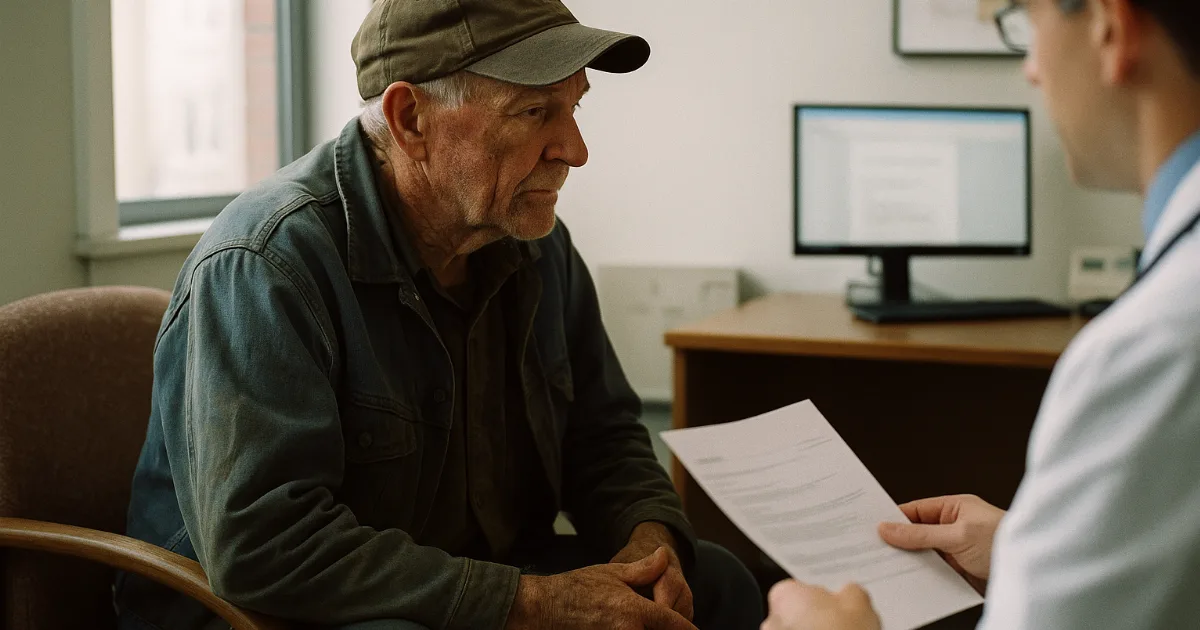
BUFFALO, NY — The call came on a Wednesday morning in February. A retired boilermaker named Gerald Fontaine had just left his pulmonologist's office in downtown Buffalo with a diagnosis that rewrote everything he thought he knew about his health: malignant pleural mesothelioma, almost certainly the result of three decades working in a steel fabrication facility where asbestos pipe insulation was as common as coffee cups. Within 48 hours, his daughter had found a mesothelioma attorney in Manhattan. Within two weeks, Gerald was on a train to Memorial Sloan Kettering Cancer Center. The legal and medical fights, it turned out, were inseparable.
For New York mesothelioma patients in 2026, that combination — specialized legal representation paired with access to world-class treatment — has become the defining strategy for maximizing both survival and financial recovery. New York state remains one of the most active jurisdictions in the country for asbestos litigation, and its concentration of premier cancer centers means that patients here have options that patients in smaller markets simply don't. But navigating both systems simultaneously, without the right guidance, can be overwhelming. What I hear from patients going through this is that they didn't know the legal and medical decisions were connected until someone finally explained it to them.
What Makes New York a Unique Battlefield for Mesothelioma Cases?
New York is one of the most significant states in the country for mesothelioma litigation, combining a dense industrial history, a large patient population, and one of the most sophisticated asbestos litigation dockets in the world. The state's courts have processed thousands of asbestos-related claims over the past four decades, and New York City's Asbestos Litigation program, managed through the New York Supreme Court, handles a volume of cases that few jurisdictions can match.
The industrial roots run deep. Shipyards along the Brooklyn waterfront, power plants up the Hudson Valley, steel mills in Buffalo and Rochester, and the sprawling construction industry that built Manhattan's skyline all relied heavily on asbestos-containing materials through the 1970s. According to data from the National Cancer Institute, mesothelioma rates remain elevated in counties with heavy industrial histories, and New York's Erie, Monroe, and Kings counties consistently appear in national incidence analyses.
For patients like Gerald, this history matters legally. New York attorneys who specialize in mesothelioma cases have spent years building databases of product identification evidence, company records, and expert witnesses that can establish where and how a specific worker was exposed. That institutional knowledge is difficult to replicate, and it's why patients across the Northeast often seek representation from firms headquartered in New York City even when they live hours away. You can learn more about what legal options look like at our compensation overview and through our answers on compensation.
New York also operates under a three-year statute of limitations for personal injury claims, running from the date of diagnosis, not exposure. For a disease with a latency period that can stretch 20 to 50 years, that distinction is critical. Missing that window means losing access to verdicts that have reached into the millions.
Why Treatment Access at New York's Cancer Centers Changes the Legal Calculus
The connection between where you receive treatment and how your legal case is valued is something many patients don't initially understand. But New York mesothelioma lawyers and their medical experts work closely together, and the treatment record from a top-tier institution can dramatically strengthen a damages claim.
Memorial Sloan Kettering Cancer Center in Manhattan is widely regarded as one of the premier destinations for mesothelioma care in the world. According to the center's published treatment protocols, MSK offers a multidisciplinary approach that includes surgery, chemotherapy, radiation, and immunotherapy, often in combination, with clinical trials running continuously for patients who qualify. The depth of that care, documented in medical records, tells a story in court: this person's life was upended, their treatment was extensive and costly, and the prognosis carries real weight.
Brigham and Women's Hospital in Boston, which many New York patients access through referral, houses one of the country's most specialized mesothelioma programs. Their team has contributed substantially to the research on surgical approaches, including the ongoing debate between pleurectomy/decortication and the more radical extrapleural pneumonectomy. A comparative outcomes study published in a peer-reviewed journal found that P/D was associated with lower perioperative mortality while providing comparable survival outcomes in selected patients, a finding that has influenced surgical decision-making at centers including MSK.
For patients navigating both a cancer diagnosis and a legal claim, the most important step you can take right now is to establish care at a mesothelioma specialty center before your legal case is filed. The treatment timeline, the specialists involved, and the documented prognosis all become evidence. Our patients and families resource hub walks through how to coordinate these steps without letting one delay the other.
"What I hear from patients going through this is that they didn't realize their treatment decisions and their legal case were telling the same story. The oncologist and the attorney are, in a very real sense, building the same file."
— Yvette Abrego, Patient Advocate
How Immunotherapy Is Reshaping What New York Patients Can Expect
Five years ago, a stage 3 pleural mesothelioma diagnosis in New York carried a median survival outlook that felt like a sentence. That picture has shifted, and it matters enormously for both patients and their legal cases.
The FDA approval of nivolumab plus ipilimumab as a first-line treatment for unresectable pleural mesothelioma, based on the CheckMate 743 trial, marked a turning point in the disease's treatment landscape. According to a comprehensive review of advances in immunotherapy for mesothelioma published in a peer-reviewed journal, the combination checkpoint inhibitor regimen demonstrated a median overall survival of 18.1 months compared to 14.1 months for standard chemotherapy, with a particularly pronounced benefit in patients with non-epithelioid histology. That's not a cure, but for a disease that had seen almost no first-line progress in over a decade, it represented a genuine shift.
Memorial Sloan Kettering and other New York centers have been at the forefront of integrating these regimens into clinical practice. According to the National Cancer Institute's patient treatment guide, immunotherapy options for mesothelioma now include both combination checkpoint blockade and single-agent approaches, with eligibility depending on histologic subtype, performance status, and prior treatment history.
For patients with peritoneal mesothelioma, the picture is different but also evolving. Cytoreductive surgery combined with hyperthermic intraperitoneal chemotherapy, known as HIPEC, has produced five-year survival rates exceeding 50 percent in carefully selected patients at specialized centers, according to data reviewed by the National Cancer Institute. New York patients who receive this procedure at a center like MSK are building a medical record that, in legal terms, reflects both the severity of their diagnosis and the extraordinary measures required to treat it.
Bevacizumab, an anti-angiogenic agent, has also entered the mesothelioma treatment conversation. A study examining bevacizumab in combination with chemotherapy for pleural mesothelioma found that adding bevacizumab to pemetrexed and cisplatin improved progression-free survival, though the benefit was modest and the regimen is not universally adopted. At major New York centers, oncologists evaluate bevacizumab eligibility on a case-by-case basis as part of a broader individualized treatment plan.
!Woman's hands at laptop researching mesothelioma attorneys, with handwritten notes and coffee nearby
What Role Do Biomarkers Play in Both Diagnosis and Legal Strategy?
One of the quieter revolutions in mesothelioma care over the past decade has been the development of blood-based biomarkers that can assist in diagnosis and monitoring. For New York patients, understanding these tools matters both medically and legally.
Research on blood-based biomarkers for mesothelioma detection has focused primarily on two markers: fibulin-3 and soluble mesothelin-related peptides, known as SMRPs. A study published in a peer-reviewed journal found that fibulin-3 levels were significantly elevated in mesothelioma patients compared to asbestos-exposed individuals without the disease, suggesting potential utility as a diagnostic aid. SMRPs have similarly shown promise in distinguishing mesothelioma from other pleural conditions.
In a legal context, biomarker data can serve as part of the evidentiary record establishing the biological footprint of asbestos exposure. New York mesothelioma attorneys who work closely with medical experts increasingly incorporate biomarker results into the narrative of how their client's disease progressed, particularly in cases where the exposure history is contested. It's a technical detail, but in a courtroom, technical details win cases.
For patients comparing mesothelioma to other thoracic cancers, our mesothelioma vs. lung cancer comparison explains how the diagnostic pathways differ and why that distinction matters for both treatment and legal claims.

What Should New York Patients Do When They First Receive a Diagnosis?
Many patients and families I've worked with describe the first two weeks after diagnosis as a blur of appointments, phone calls, and decisions that felt impossibly large. The good news is that the steps are more sequential than they appear in the moment.
First, seek a second opinion at a mesothelioma specialty center. In New York, that means MSK, but it could also mean reaching out to MD Anderson in Houston or Brigham and Women's in Boston. According to the NCI's treatment guide, mesothelioma diagnosis requires pathologic confirmation and often specialized immunohistochemical staining that community oncologists may not be equipped to interpret. A specialty center confirms the subtype, the stage, and the treatment options with the precision that both your care and your legal case require.
Second, connect with a New York mesothelioma attorney before the statute of limitations clock becomes a concern. Three years sounds like a long time when you're focused on treatment. It isn't, particularly if your case involves multiple defendants, out-of-state exposures, or trust fund claims that require separate filings. Our lawyer directory includes vetted mesothelioma attorneys in New York who handle these cases on a contingency basis, meaning no upfront cost to you.
Third, if you're a veteran, explore VA benefits in parallel. Many New York mesothelioma patients are former Navy personnel, shipyard workers, or military contractors with documented service-connected asbestos exposure. The VA offers disability compensation and health care benefits that can supplement both treatment costs and legal recovery. Our VA benefits eligibility tool can help you assess what you may qualify for within minutes.
Finally, document everything. Employment records, union cards, pay stubs, old photographs from the worksite — all of it can become evidence. The most important step you can take right now is to gather whatever records you have and share them with your attorney as early as possible. Cases built on strong contemporaneous documentation consistently outperform those reconstructed from memory alone.
How New York's Legal Environment Translates to Real Financial Recovery
New York's asbestos litigation history has produced some of the largest mesothelioma verdicts and settlements in the country. Jury verdicts in New York City have exceeded $10 million in cases involving clear product liability and documented medical damages. Settlements, which resolve the majority of cases before trial, typically range from $1 million to $2.4 million for pleural mesothelioma, according to legal industry data compiled across asbestos litigation dockets.
Beyond verdicts and settlements, asbestos trust funds represent a parallel recovery channel. More than 60 trusts established through corporate bankruptcies collectively hold billions of dollars for future claimants, and New York patients often qualify for claims against multiple trusts simultaneously. An experienced New York mesothelioma attorney will identify every trust that may apply to a given exposure history and file claims in parallel with any active litigation.
The financial recovery isn't just about the money itself, though for families facing six-figure treatment bills, it absolutely matters. It's also about accountability. New York's legal system has consistently held asbestos manufacturers responsible for decades of knowing concealment, and that accountability has driven changes in how companies disclose occupational hazards. For patients like Gerald Fontaine, filing a claim isn't just a financial decision. It's a statement.
For a full overview of your legal options and what the claims process looks like from start to finish, visit our mesothelioma resource hub and our dedicated patients and families section.

Frequently Asked Questions About New York Mesothelioma Lawyers and Treatment
How long do I have to file a mesothelioma lawsuit in New York?
New York's statute of limitations for mesothelioma personal injury claims is three years from the date of diagnosis, not the date of exposure. Given that mesothelioma can take 20 to 50 years to develop after asbestos exposure, most patients are filing decades after the original workplace contact. Missing this deadline eliminates your right to compensation, so contacting a New York mesothelioma attorney promptly after diagnosis is critical.
What does a New York mesothelioma attorney charge?
Virtually all New York mesothelioma attorneys handle these cases on a contingency fee basis, meaning they collect a percentage of your recovery only if your case is successful. You pay nothing upfront and nothing out of pocket. Contingency fees in asbestos cases typically range from 25 to 40 percent depending on whether the case settles or goes to trial.
Where should I get treated for mesothelioma in New York?
Memorial Sloan Kettering Cancer Center in Manhattan is widely considered the top destination for mesothelioma treatment in New York. According to MSK's published protocols, the center offers surgery, chemotherapy, immunotherapy, and clinical trial access through a dedicated multidisciplinary team. Patients in upstate New York may also access specialty care through regional cancer centers with MSK affiliations.
Can I file both a lawsuit and a VA claim at the same time?
Yes. Veterans with mesothelioma can pursue VA disability compensation and health care benefits simultaneously with a civil lawsuit or asbestos trust fund claims. These are separate legal channels and do not offset each other in most circumstances. Our VA benefits eligibility tool can help you assess your veteran benefits while your attorney handles the civil claims process.
What is the difference between a mesothelioma settlement and a verdict?
A settlement is a negotiated resolution between you and the defendant companies before or during trial. A verdict is a jury's decision after a full trial. Settlements are more common and typically faster, often resolving within 12 to 18 months. Verdicts can result in larger awards but carry more risk and take longer. Your New York mesothelioma attorney will advise on the strongest path given your specific case facts and medical timeline.
What is immunotherapy and is it available for mesothelioma patients in New York?
Immunotherapy uses the body's immune system to attack cancer cells. For mesothelioma, the FDA-approved combination of nivolumab and ipilimumab is now a standard first-line option for unresectable pleural mesothelioma. According to a peer-reviewed review of immunotherapy advances in mesothelioma, this regimen showed improved overall survival compared to chemotherapy in clinical trials. MSK and other New York centers offer this treatment along with access to ongoing clinical trials.
How do asbestos trust funds work for New York patients?
Asbestos trust funds were established when major asbestos manufacturers declared bankruptcy to manage future liability. More than 60 trusts currently hold billions of dollars for eligible claimants. New York mesothelioma attorneys identify which trusts apply to your specific exposure history and file claims simultaneously. Trust fund claims are separate from litigation and can often be resolved faster, providing financial relief while a lawsuit proceeds.
This article is for informational purposes only and does not constitute medical advice. Consult your healthcare provider for guidance specific to your situation.

Comments (3)
— Yvette Abrego