


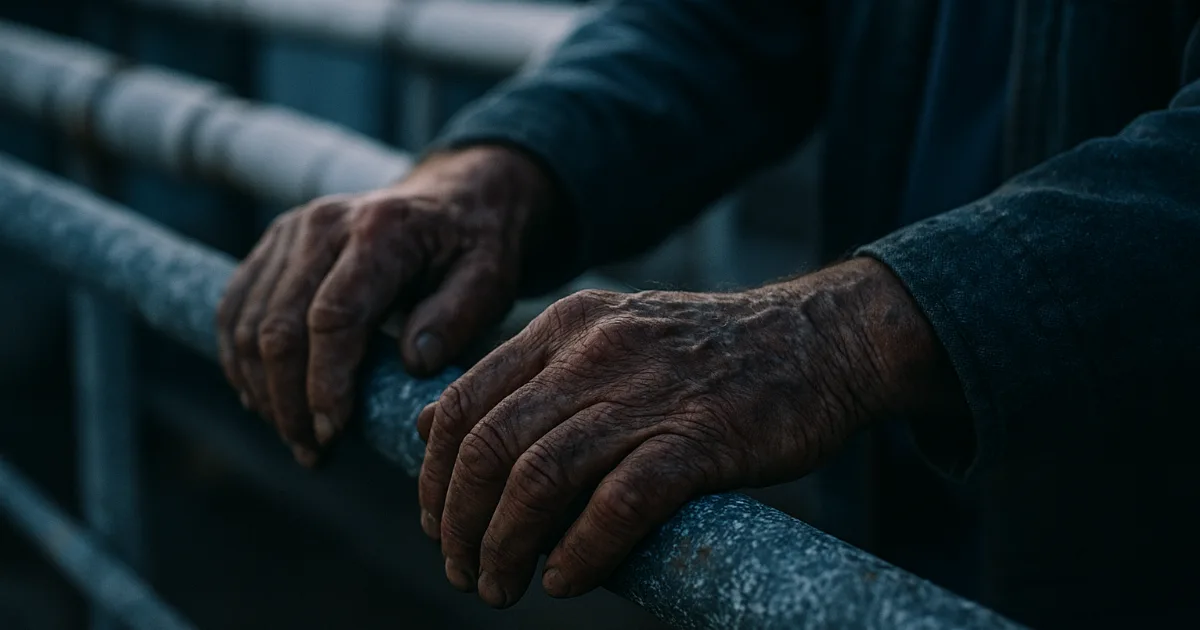
PEARL HARBOR, HI — The retired pipefitter from Aiea had kept the diagnosis to himself for nearly six weeks before telling his daughter. He'd spent 28 years working the dry docks at Pearl Harbor Naval Shipyard, cutting through insulation-wrapped pipes, breathing dust that settled on his coveralls and followed him home in his hair. When the oncologist in Honolulu told him it was pleural mesothelioma, he assumed the disease was simply something he had to accept. He didn't know he had legal options. He didn't know that the asbestos manufacturers who supplied those shipyards had been held accountable in courts across the country for decades.
His story isn't unusual. Hawaii sits at the center of one of the most significant asbestos exposure histories in the United States, and yet it remains one of the least-discussed states in asbestos litigation coverage. The reason is geography — the islands are remote, the legal market is smaller, and many victims simply don't realize that experienced mesothelioma lawyers can represent Hawaii clients without requiring them to leave the state or navigate the legal process alone.
What Makes Hawaii's Asbestos Exposure History Unique?
Hawaii's mesothelioma caseload is disproportionately shaped by its military and maritime history. Pearl Harbor Naval Shipyard, one of the most strategically important naval installations in the Pacific, was also one of the most asbestos-saturated workplaces in the mid-twentieth century. Navy veterans who served on ships overhauled at Pearl Harbor, civilian shipyard workers who built and repaired destroyers and aircraft carriers, and merchant mariners who passed through Honolulu's commercial port all faced sustained exposure to asbestos-containing insulation, gaskets, pipe coverings, and deck materials.
According to data tracked by asbestos litigation researchers, shipyard and naval workers account for a significant portion of all mesothelioma diagnoses nationally, and Hawaii's ratio skews even higher given how central the shipyard was to the local economy for much of the twentieth century. Beyond the naval complex, Hawaii's construction industry used asbestos extensively in roofing, floor tiles, cement board, and fireproofing materials through the late 1970s. Workers who built the hotels along Waikiki, the schools in Oahu's interior, and the commercial buildings across Maui and the Big Island all had potential exposure. Understanding the full scope of that exposure is the first step in any legal case — and it's work that experienced Hawaii mesothelioma attorneys do before a single court filing is made.
Why Does Mesothelioma Litigation in Hawaii Carry High Stakes?
The legal landscape for asbestos victims in Hawaii has produced meaningful outcomes for families who pursued claims — but the process is not simple, and the stakes are real. Hawaii follows a discovery rule for its statute of limitations, meaning the clock on filing a lawsuit begins when the patient knew or reasonably should have known that their illness was caused by asbestos exposure. In practice, this is often the date of a formal mesothelioma diagnosis, not the date of initial symptoms.
For families dealing with a terminal diagnosis, understanding this deadline is urgent. The statute of limitations tool at Mesothelioma-Lung-Cancer.org can help Hawaii residents understand where they stand. Hawaii's general two-year window for personal injury claims is unforgiving if it lapses, and according to litigation tracking resources compiled by Justia and covered by Law360's asbestos desk, missed deadlines have cost families recoveries that could have reached seven figures.
In my experience representing mesothelioma families, the single most common regret I hear from clients is that they waited too long to call a lawyer. Not because they were careless, but because they were grieving, overwhelmed, and didn't know that legal options were still open to them. The law is designed to give victims a fair window — but that window does close.
What the courts have consistently recognized is that asbestos manufacturers knew their products were dangerous long before they disclosed those risks to workers. That legal finding, established through decades of litigation across federal and state courts, forms the foundation of virtually every mesothelioma case filed in Hawaii today. Manufacturers like Johns Manville, Owens Corning, and Armstrong World Industries — companies whose products were standard-issue in Pearl Harbor's shipyards — were found to have concealed hazard data from workers for decades. Many of those companies eventually filed for bankruptcy and established asbestos trust funds that continue to pay claims today, according to research published by the RAND Corporation on asbestos bankruptcy trust structures.
How Do Hawaii Mesothelioma Lawsuits Actually Work?
Picture a family in Kaneohe. The husband, a 71-year-old former boilermaker who spent two decades working on naval vessels, has just been diagnosed with peritoneal mesothelioma. His wife wants to help but doesn't know where to begin. The legal process, explained plainly, works like this.
First, an attorney with asbestos litigation experience reviews the patient's work history. This is the foundation of the case. Attorneys use employment records, union documentation, Navy service records, and testimony from former coworkers to establish which specific asbestos-containing products the patient encountered and which companies manufactured or distributed them. This investigation can identify dozens of potentially liable defendants — not just one.
Once defendants are identified, the attorney files a civil lawsuit in the appropriate court. In Hawaii, many cases are filed in state circuit court, though some cases — particularly those involving naval exposure — may be filed in federal court. The discovery process then begins: both sides exchange documents, depose witnesses, and build their evidentiary records. According to coverage tracked by Reuters Legal and Bloomberg's asbestos desk, the vast majority of mesothelioma cases settle before trial, often for amounts that reflect both the severity of the illness and the documented culpability of the defendants.
Settlement amounts in mesothelioma cases vary widely depending on the patient's age, the severity of exposure, the number of liable defendants, and the jurisdiction. Nationally, settlements frequently range from several hundred thousand dollars into the millions, according to legal analysis published in the National Law Review's litigation coverage. Hawaii cases involving Pearl Harbor Naval Shipyard exposure have historically involved multiple defendants — given how many manufacturers supplied the yard — which can increase the total recovery significantly.
Separate from lawsuits, many Hawaii patients are also eligible to file claims against asbestos bankruptcy trust funds. According to RAND Corporation research, more than 60 asbestos bankruptcy trusts have been established, collectively holding billions of dollars reserved specifically for asbestos victims. Trust fund claims and lawsuits are not mutually exclusive — many families pursue both simultaneously. The comparison guide at Mesothelioma-Lung-Cancer.org walks through the differences in plain language.
What Should Hawaii Veterans Know About Their Additional Rights?
Navy veterans diagnosed with mesothelioma carry a particular legal advantage that civilian workers sometimes don't: their military service records create a detailed, verifiable paper trail of exactly where they were stationed, which ships they served on, and what work they performed. For mesothelioma litigation, this documentation is invaluable.
Veterans who were exposed to asbestos during active duty may pursue VA disability benefits and mesothelioma lawsuits simultaneously. These are separate legal tracks. VA benefits compensate for service-connected disabilities through the Department of Veterans Affairs administrative process, while civil lawsuits pursue damages from the private manufacturers who supplied the asbestos-containing products — not from the government itself. Courts have consistently upheld veterans' rights to pursue both, and experienced Hawaii mesothelioma attorneys know how to coordinate these claims to maximize total compensation without one process undermining the other.
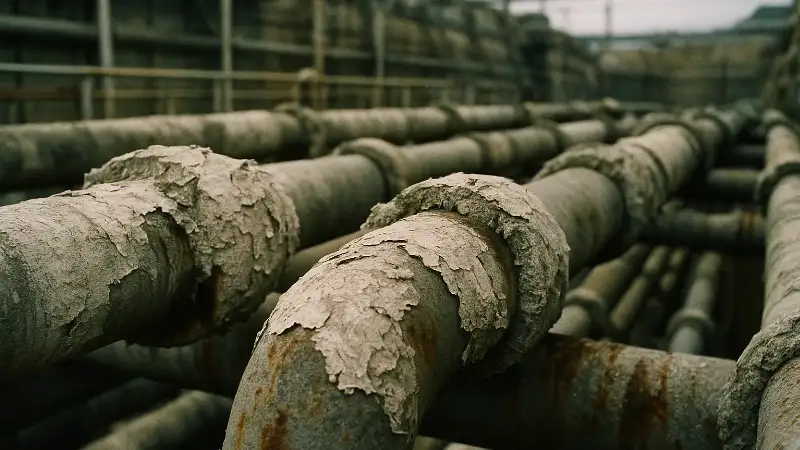
The legal landscape for asbestos victims who served at Pearl Harbor has been shaped by decades of litigation establishing that naval shipyard exposure is among the most well-documented and legally recognized forms of asbestos contact in American case law. The ships themselves — particularly those built or overhauled between the 1940s and 1970s — were constructed with asbestos-containing insulation throughout their engine rooms, boiler spaces, and pipe systems. Attorneys pursuing these cases know which ship classes carried which products, and that specificity matters enormously when naming defendants.
For veterans who want to understand their full range of options, the compensation guide at Mesothelioma-Lung-Cancer.org provides a detailed overview of both VA and civil litigation pathways.
What Should Patients and Families Do Next?
A diagnosis of mesothelioma is overwhelming. The medical system moves fast — oncologists want to begin staging workups, treatment planning, and sometimes surgery or chemotherapy within weeks of diagnosis. Families are managing fear, logistics, and grief all at once. Legal action can feel like one more impossible task.
But the timeline for legal action is real, and the families who move quickly — even while managing active treatment — consistently fare better than those who wait. The good news is that working with a mesothelioma attorney doesn't require the patient to do much of the heavy lifting. Experienced firms handle the investigation, the document gathering, the filings, and the negotiations. Most mesothelioma attorneys work on contingency, meaning there are no upfront legal fees — the attorney is paid only if and when compensation is recovered.
For Hawaii families, the practical first step is a consultation with an attorney who has specific asbestos litigation experience. General personal injury lawyers, even skilled ones, may not have the specialized knowledge of asbestos product histories, trust fund procedures, and naval exposure documentation that mesothelioma cases require. The lawyer directory at Mesothelioma-Lung-Cancer.org includes attorneys with verified asbestos litigation track records who are accessible to Hawaii clients.
Families should also gather whatever employment and medical records they can locate early in the process. Navy service records can be requested from the National Personnel Records Center. Union membership cards, pay stubs, and employer records can help establish work history. And medical records documenting the diagnosis — including pathology reports confirming the mesothelioma cell type — are essential to any legal filing.
Finally, patients and families should understand their diagnosis and treatment options in parallel with their legal options. Treatment decisions and legal decisions are not in conflict — they can and should proceed simultaneously. Patients who are actively receiving treatment have filed and resolved lawsuits during the process. The two tracks reinforce each other: financial stability from legal recovery can reduce stress and allow patients to focus on care.
The Long View: Why Hawaii Cases Still Matter in 2026
Asbestos was banned from most new uses in the United States decades ago, but mesothelioma's latency period — typically 20 to 50 years between exposure and diagnosis, according to the National Cancer Institute — means new diagnoses continue to emerge from exposures that occurred in the 1960s, 1970s, and 1980s. The pipefitter who worked at Pearl Harbor in 1974 may only now be receiving his diagnosis. The construction worker who laid floor tiles in Honolulu in 1979 may have just had his first imaging scan.
This latency reality means the asbestos litigation system is not a relic of the past. It is actively serving patients and families right now, in 2026, across every state — including Hawaii. The trust funds are funded and paying claims. The courts are accepting new lawsuits. The attorneys who specialize in this work are active and experienced.
What has changed is the complexity of the legal landscape. As more manufacturers have gone bankrupt and more trusts have been established, navigating the full range of available compensation has become more intricate. Knowing which trusts to file against, which defendants to name in a lawsuit, and how to sequence those actions requires legal expertise that has evolved alongside the litigation itself. The guide to filing a mesothelioma lawsuit provides a detailed walkthrough for families beginning this process.
In my experience representing mesothelioma families over many years, the cases that achieve the best outcomes share a common thread: the family acted on good information, early in the process, with an attorney who knew the asbestos litigation landscape deeply. Hawaii families deserve that same outcome. The geographic distance from the mainland does not diminish the legal rights of someone who breathed asbestos dust in a Pearl Harbor dry dock in 1971. Those rights are intact, they are legally recognized, and they can be pursued.
For anyone in Hawaii navigating a mesothelioma diagnosis right now, the most important thing to understand is this: the legal system was built to address exactly what happened to you. The companies that profited from asbestos while concealing its dangers have been held accountable. The compensation they were required to set aside exists specifically for people like the retired pipefitter from Aiea — people who went to work, did their jobs, and had no idea what the dust was doing to their lungs.
That accountability is not theoretical. It is real money, in real trust accounts and court settlements, available to real families. The question is whether those families know to reach out — and reach out soon enough for the law to help them.

Frequently Asked Questions About Hawaii Mesothelioma Lawsuits
How long do Hawaii mesothelioma patients have to file a lawsuit?
Hawaii follows a discovery rule for mesothelioma cases, meaning the statute of limitations clock typically begins when the patient is diagnosed and learns the illness is connected to asbestos exposure. The general personal injury limitations period in Hawaii is two years. Because this deadline is strictly enforced, consulting an attorney immediately after diagnosis is critical to preserving your legal rights.
Can Hawaii residents file mesothelioma claims if the company that exposed them went bankrupt?
Yes. When asbestos companies filed for bankruptcy, courts required them to establish dedicated compensation trusts. According to RAND Corporation research, more than 60 of these trusts exist and collectively hold billions of dollars specifically for asbestos victims. Hawaii residents can file trust fund claims regardless of where the company was headquartered or whether it still operates.
Do Hawaii Navy veterans have different legal rights than civilian workers?
Navy veterans have access to both VA disability benefits and civil lawsuit compensation simultaneously. VA benefits address service-connected disability through the federal benefits system, while civil lawsuits pursue damages from private manufacturers who supplied asbestos-containing products to the military. Courts have consistently upheld veterans' rights to pursue both tracks independently, and experienced mesothelioma attorneys coordinate these claims to maximize total recovery.
What types of workers in Hawaii are most at risk for mesothelioma?
Pearl Harbor Naval Shipyard workers, Navy veterans who served on ships overhauled in Hawaii, merchant mariners, construction workers who worked with asbestos-containing insulation or building materials, and industrial workers in Hawaii's manufacturing and power generation sectors all face elevated mesothelioma risk. Asbestos was used extensively across all these industries from the 1940s through the late 1970s, according to research tracked by Justia's mesothelioma and asbestos legal resources.
How much can Hawaii mesothelioma victims recover in a lawsuit or trust fund claim?
Compensation varies significantly based on the patient's exposure history, the number of liable defendants, the jurisdiction, and whether the case settles or goes to trial. Nationally, mesothelioma settlements have ranged from several hundred thousand dollars to several million, according to analysis in the National Law Review's litigation coverage. Hawaii cases involving Pearl Harbor exposure often identify multiple defendants, which can increase total recovery.
Do Hawaii mesothelioma patients have to travel to court?
In most cases, no. Mesothelioma cases often settle before trial, and attorneys handle the vast majority of legal work without requiring the patient's physical presence at court. Consultations and document gathering can frequently be handled remotely. For patients in active treatment, this flexibility is essential, and experienced mesothelioma attorneys structure their practice to accommodate clients who are managing serious illness.
What is the difference between a mesothelioma lawsuit and a trust fund claim in Hawaii?
A lawsuit is filed in civil court against specific defendants who are still solvent, while a trust fund claim is filed administratively against a bankruptcy trust established by a company that is no longer in operation. Many Hawaii families pursue both simultaneously, as the defendants in a lawsuit may differ from the companies whose trust funds are also available. The comparison guide at Mesothelioma-Lung-Cancer.org explains how these two pathways work together.
Attorney Advertising. Past results do not guarantee future outcomes. Every case is unique. The verdicts and settlements described are not a guarantee of similar results. Every case is different.


Comments (1)