

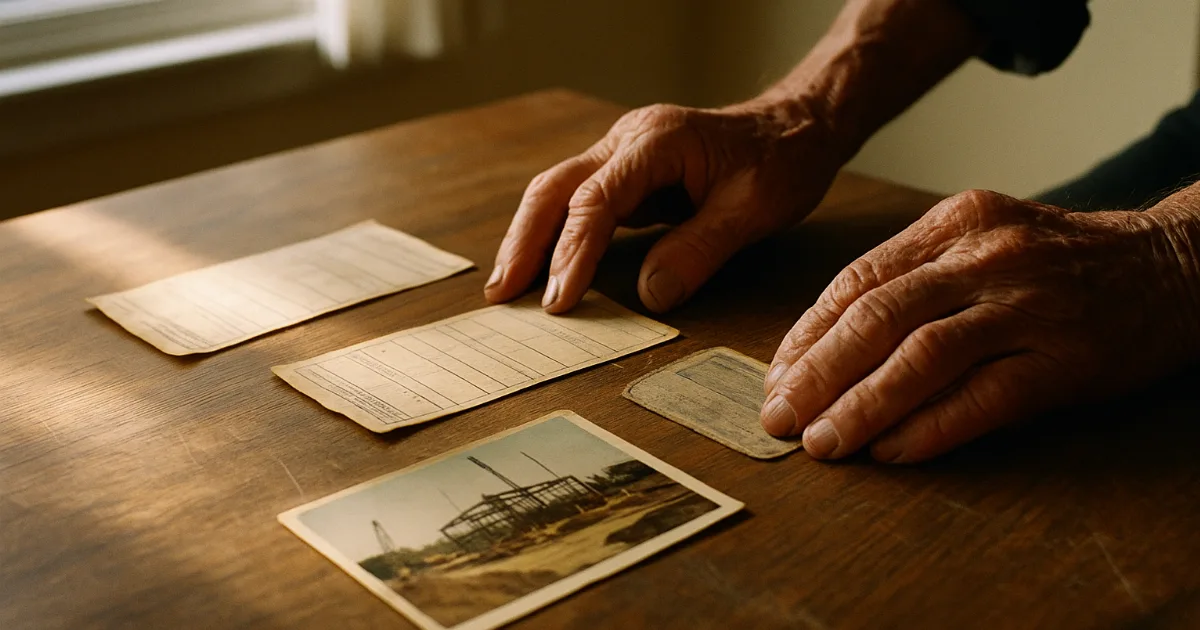
When a retired insulation contractor from Tampa sat down with a mesothelioma attorney for the first time, he brought a shoebox. Inside were pay stubs from the 1970s, a union card, and a photograph of himself at a jobsite surrounded by pipe insulation that would later be identified as containing chrysotile asbestos. That shoebox, his attorney later said, was worth more than any deposition. Within fourteen months, his family had received a settlement from three asbestos trust funds and a jury verdict against a fourth defendant. The total exceeded $4.1 million.
That outcome wasn't luck. It was the product of a legal ecosystem that Florida has spent decades building, one shaped by landmark verdicts, aggressive plaintiff attorneys, and a court system that has seen enough asbestos cases to understand exactly how they work. Florida is not just an active asbestos litigation state. It is one of the most consequential battlegrounds in the country for mesothelioma victims seeking accountability.
This guide examines what Florida mesothelioma attorneys actually do, what separates successful claims from failed ones, how the state's courts have handled these cases historically, and what families facing a new diagnosis in 2026 need to understand before they make any legal decisions.
Why Florida Is Ground Zero for Mesothelioma Litigation
Florida's asbestos history is inseparable from its industrial identity. The state's shipyards, particularly those in Jacksonville, Tampa, and the Pensacola Naval Air Station complex, were among the most asbestos-saturated worksites in the American South. The construction booms of the 1950s through the 1980s flooded Florida's housing, commercial, and infrastructure projects with asbestos-containing materials: floor tiles, pipe insulation, roofing compounds, drywall joint compound, and fireproofing spray. Construction workers, electricians, plumbers, and shipyard laborers were exposed for decades.
According to data tracked by legal publications including Law360, Florida consistently ranks among the top five states for asbestos-related lawsuit filings. The state's large veteran population, drawn by military installations like Naval Station Mayport, MacDill Air Force Base, and the former Homestead Air Reserve Base, adds another layer. Veterans who served in the Navy and worked below decks on ships insulated with asbestos products have filed claims in Florida courts at rates that reflect the state's outsized military presence. You can learn more about how veterans' asbestos exposure intersects with legal rights at our veterans resource hub.
The legal infrastructure that has grown around this history is substantial. Florida has plaintiff-side mesothelioma firms with decades of institutional knowledge about local judges, local industrial history, and the specific defendants who operated in the state. That local knowledge is not trivial. In my experience representing mesothelioma families, the difference between an attorney who knows which shipyard contractors operated in Duval County in 1968 and one who doesn't can be the difference between identifying three defendants and identifying twelve.
Florida's courts also have procedural experience with asbestos cases that newer litigation states simply don't. Hillsborough County, Duval County, and Miami-Dade County have all developed case management protocols specifically for asbestos litigation, which matters enormously for families who need their cases resolved on a timeline that accounts for a terminal diagnosis.
Understanding Florida's Statute of Limitations for Mesothelioma Claims
One of the first questions every Florida mesothelioma attorney will ask a new client is deceptively simple: when did you first know, or when should you have known, that your illness was caused by asbestos? The answer determines whether a claim is viable at all.
Florida follows what is known as the discovery rule for asbestos-related personal injury claims. Under this framework, the statute of limitations clock does not start running at the moment of exposure, which could have occurred forty years ago. It begins when the patient knew or reasonably should have known that their illness was caused by asbestos exposure. For mesothelioma, that typically means the date of diagnosis, since the disease is so specifically linked to asbestos that diagnosis itself constitutes constructive knowledge of causation.
In Florida, the statute of limitations for personal injury claims is generally four years from the date of discovery. Wrongful death claims, filed by surviving family members after a patient has died, carry a two-year statute of limitations from the date of death. These deadlines are firm, and courts have not been sympathetic to families who miss them because they waited to find an attorney. The American Bar Association's Tort Trial and Insurance Practice Section has documented numerous cases across the country where otherwise meritorious asbestos claims were dismissed solely because the filing deadline passed.
What makes Florida's timeline particularly urgent is the nature of mesothelioma itself. The median survival after diagnosis, according to the National Cancer Institute, is approximately twelve to twenty-one months depending on stage and histology. That means a family that spends six months researching attorneys, another three months gathering records, and then discovers they've missed the filing window has lost everything. The practical advice from experienced mesothelioma attorneys is consistent: consult an attorney within thirty days of diagnosis, not thirty months.
For families who have lost a loved one and are considering a wrongful death action, the two-year window is even more compressed. And for cases involving trust fund claims, which are separate from courtroom litigation, the deadlines vary by trust but are no less serious. You can check which asbestos trust funds may apply to your family's situation using our trust fund checker tool.
The Anatomy of a Florida Mesothelioma Verdict: What the Numbers Actually Mean
Florida juries have returned some of the most substantial mesothelioma verdicts in the country. Understanding what drives those numbers, and what threatens them on appeal, is essential context for any family evaluating their legal options.
The structure of a mesothelioma verdict in Florida typically involves several categories of damages. Economic damages cover lost wages, medical expenses, and future care costs. Non-economic damages cover pain and suffering, loss of consortium for spouses, and loss of parental guidance for children. In cases involving egregious corporate conduct, punitive damages may also be awarded, though Florida law requires a higher evidentiary threshold for punitive awards and caps them in some circumstances.
What the courts have consistently recognized in Florida, and what distinguishes the state's asbestos jurisprudence, is the long latency period between exposure and diagnosis. Juries in Tampa, Jacksonville, and Miami have heard testimony about workers who were exposed in the 1960s and 1970s and didn't develop mesothelioma until the 2010s or 2020s. That forty-year gap between corporate negligence and human suffering has, in many cases, produced verdicts that reflect the depth of that injustice.
According to coverage tracked by Bloomberg's asbestos legal desk and Reuters litigation reporters, Florida mesothelioma verdicts have ranged from settlements in the low six figures for cases with limited documentation of exposure to jury awards exceeding $10 million in cases involving multiple defendants, clear corporate knowledge of asbestos hazards, and severe patient suffering. The median settlement figure for represented mesothelioma plaintiffs nationally hovers in the range of $1 million to $1.4 million, though Florida cases with strong documentary evidence of exposure often exceed that range.
One critical variable that Florida attorneys navigate carefully is the state's comparative fault framework. Florida applies modified comparative negligence, meaning that if a plaintiff is found partially at fault for their own exposure, their damages are reduced proportionally. Defense attorneys in asbestos cases sometimes argue that plaintiffs failed to use protective equipment that was available. Experienced plaintiff attorneys counter with documentation showing that the hazards of asbestos were not publicly disclosed, that employers failed to warn workers, and that the protective equipment argument is legally and historically unsound. The outcome of that battle often determines whether a $6 million verdict becomes a $6 million award or a $3.6 million one.
How Florida Mesothelioma Attorneys Build a Case
Picture a 67-year-old retired electrician from Clearwater who worked for twenty years on commercial construction projects across Pinellas County. He never worked in a shipyard. He never handled asbestos directly. But for two decades, he worked alongside insulators who cut and fitted asbestos pipe covering, and he breathed the dust that settled on every surface in those buildings. His mesothelioma attorney's job is to prove that the companies who manufactured that pipe covering knew it was dangerous and sold it anyway.
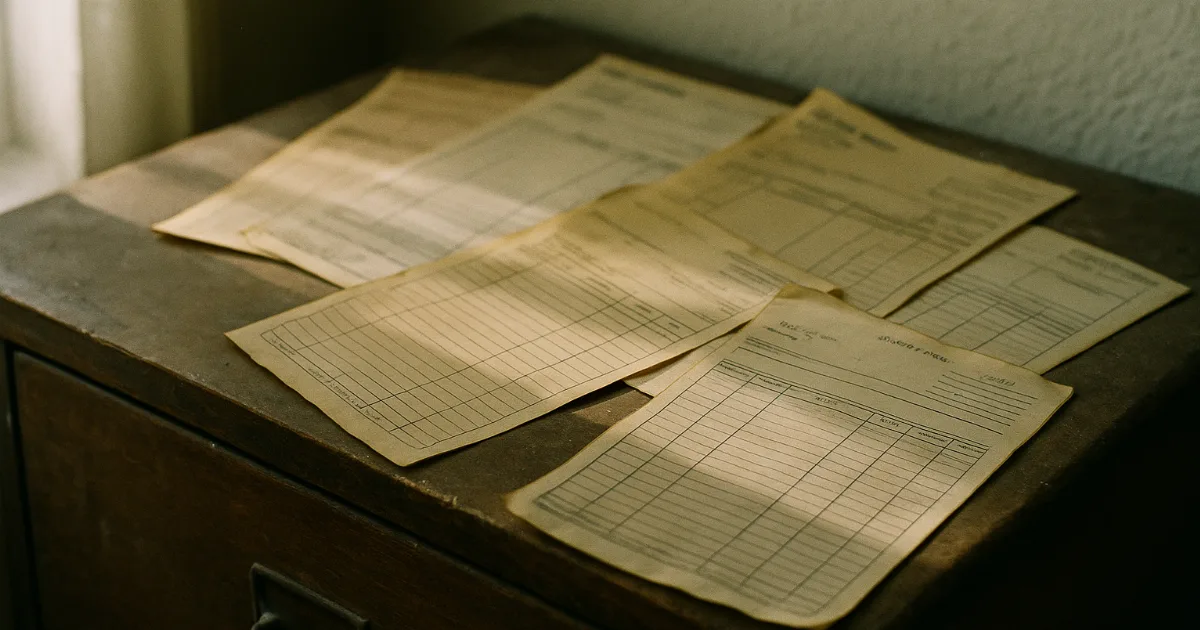
Building that case requires several parallel tracks of investigation. The first is occupational history reconstruction. Florida mesothelioma attorneys typically employ professional investigators who specialize in identifying the specific asbestos-containing products used at specific worksites during specific decades. They cross-reference union records, employer payroll data, building permits, and product distribution records to establish which manufacturers' products were present when and where the client worked. This is painstaking, expensive work, and it's one reason why mesothelioma cases are almost universally handled on a contingency fee basis. The attorney absorbs the investigative costs and recovers them only if the case succeeds.
The second track is medical documentation. A mesothelioma diagnosis must be confirmed by pathology, and the specific cell type, pleural versus peritoneal versus pericardial, affects both prognosis and, in some cases, the legal strategy. Pleural mesothelioma, the most common form affecting the lining of the lungs, is most directly associated with inhalation of asbestos fibers and is the type most frequently litigated. You can find detailed information about how asbestos exposure causes these specific cancers in our exposure resource library.
The third track is defendant identification and trust fund mapping. As of 2026, more than 100 asbestos bankruptcy trusts have been established to compensate victims of companies that manufactured or distributed asbestos-containing products. Many of those companies operated extensively in Florida. An experienced Florida mesothelioma attorney will simultaneously pursue trust fund claims against bankrupt defendants and litigation against solvent defendants, maximizing recovery from every available source. The legal landscape for asbestos victims has evolved significantly since the first major asbestos bankruptcies of the 1980s, and navigating both the trust system and the active court docket simultaneously requires attorneys who do this work exclusively.
According to the American Bar Association's Tort Trial and Insurance Practice Section, the complexity of asbestos litigation, with its multiple defendants, bankruptcy trust procedures, and specialized evidentiary rules, has made it one of the most attorney-specialized areas of personal injury law in the United States. Generalist personal injury attorneys who take mesothelioma cases occasionally simply cannot compete with firms that have dedicated decades to this specific practice.
What Separates Strong Florida Mesothelioma Attorneys from Weak Ones
Not all mesothelioma attorneys are equal, and in Florida, where the stakes can run into millions of dollars and the timeline is compressed by a terminal diagnosis, the difference between a strong attorney and a weak one is not academic. It is the difference between a family's financial security and their financial ruin.
The first marker of a strong Florida mesothelioma attorney is trial experience. Many asbestos cases settle before trial, but the settlement value of a case is almost entirely determined by the defendant's assessment of what a jury might award. Defendants settle for more when they know the opposing attorney has won substantial verdicts at trial. An attorney who has never taken an asbestos case to verdict, or who settles every case at the first opportunity, signals to defendants that the threat of trial is not real. That translates directly into lower settlement offers.
The second marker is Florida-specific industrial knowledge. As noted above, the ability to identify which asbestos-containing products were used at specific Florida worksites during specific decades is a specialized skill. Firms that have litigated Florida asbestos cases for decades have accumulated databases of product identification, witness networks of former workers and site supervisors, and relationships with expert witnesses who have testified in Florida courts. That institutional knowledge is not available to an attorney who handled one or two asbestos cases in a general personal injury practice.
The third marker is resources. Mesothelioma litigation is expensive. Expert witnesses, investigators, medical consultants, trial graphics, and deposition costs can run into hundreds of thousands of dollars before a case reaches trial. Firms that lack the capital to absorb those costs may pressure clients to accept early, inadequate settlements rather than pursue the full value of the case. Families should ask any prospective attorney directly: how many mesothelioma cases have you taken to verdict in Florida, and what were the outcomes?
The fourth marker, and perhaps the most important for families dealing with a terminal diagnosis, is the ability to pursue expedited trial settings. Florida courts, particularly in Hillsborough and Duval Counties, have procedures for preferential trial settings in cases involving terminally ill plaintiffs. An attorney who knows how to invoke those procedures and has relationships with the court administrators who manage them can get a case to trial in months rather than years. In my experience representing mesothelioma families, the difference between a six-month trial setting and an eighteen-month one can literally be the difference between a patient who testifies at their own trial and a family that must proceed without them.
The Role of Asbestos Trust Funds in Florida Mesothelioma Cases
For many Florida mesothelioma families, asbestos bankruptcy trust funds represent the most significant source of compensation, often exceeding what is recovered from courtroom litigation. Understanding how these trusts work, and how they interact with active litigation, is essential.
When major asbestos manufacturers and distributors faced overwhelming litigation liability in the 1980s and 1990s, many filed for bankruptcy protection. As part of those bankruptcy proceedings, courts required the creation of dedicated trust funds to compensate future asbestos victims. Companies like Johns-Manville, Owens Corning, Armstrong World Industries, and dozens of others established trusts that collectively hold billions of dollars for victim compensation.
As of 2026, the total assets held across active asbestos bankruptcy trusts are estimated to exceed $30 billion, according to data tracked by legal research platforms including LexisNexis. Filing a trust claim does not require litigation. It requires documentation of exposure to that company's specific products and a qualifying diagnosis. For mesothelioma, the diagnosis itself typically qualifies without additional medical evidence beyond the pathology report.
The complexity arises because most mesothelioma patients were exposed to products from multiple manufacturers over their working lives. A construction worker in Orlando might have been exposed to Johns-Manville pipe insulation, Armstrong floor tiles, and W.R. Grace fireproofing spray, all on the same job. Each of those companies has a separate trust with its own claim procedures, payment percentages, and documentation requirements. Managing simultaneous claims across ten, fifteen, or twenty trusts while also litigating against solvent defendants in Florida courts is a logistical challenge that requires dedicated staff and sophisticated case management systems.
Families should be aware that trust fund payments are not secret or discretionary. Each trust publishes its payment percentages, known as payment ratios, which reflect the proportion of each approved claim that the trust actually pays out. Those ratios fluctuate as trusts manage their long-term liability projections. An attorney with current knowledge of trust payment ratios can provide realistic projections of total recovery from all sources. Use our trust fund checker to begin identifying which trusts may apply to your family's situation.
Florida's Veterans and Mesothelioma: A Special Legal Consideration
Florida is home to more than 1.4 million military veterans, according to the Florida Department of Veterans' Affairs, and a disproportionate number of mesothelioma cases in the state involve men and women who served in the Navy. The connection is direct and documented: Navy ships built and overhauled through the 1970s were insulated almost entirely with asbestos-containing materials. Boiler rooms, engine rooms, pipe systems, and bulkheads were saturated with asbestos products from dozens of manufacturers.
Veterans who develop mesothelioma face a unique legal landscape. VA disability benefits and VA healthcare are available to qualifying veterans, but those benefits are separate from and do not preclude civil litigation against the manufacturers of the asbestos products that caused the disease. The VA does not sue asbestos companies on veterans' behalf. Veterans must pursue civil claims independently.
What makes veterans' cases legally distinctive is the evidentiary record. Military service records, ship logs, and Navy procurement documents can establish with precision which asbestos-containing products were used on specific vessels during specific years. That documentary precision is valuable in litigation, because it allows plaintiff attorneys to identify specific manufacturers rather than relying solely on the veteran's memory of product names from forty years ago.
Florida mesothelioma attorneys who specialize in veterans' cases have developed expertise in accessing Navy ship records through Freedom of Information Act requests and in working with maritime law principles that may apply to exposure that occurred on vessels. Our veterans answers resource provides detailed guidance on how military service history intersects with mesothelioma legal rights.
For veterans diagnosed with mesothelioma in Florida, the combination of VA benefits and civil litigation can represent the most comprehensive financial recovery available. An experienced attorney will pursue both tracks simultaneously, ensuring that VA claims are filed promptly while civil litigation proceeds on a parallel timeline.
Recent Developments in Florida Asbestos Litigation: 2024 to 2026
The legal landscape for asbestos victims in Florida has not been static. Several developments over the past two years have reshaped the strategic calculus for mesothelioma families considering litigation.
First, Florida's 2023 tort reform legislation, which modified the state's comparative fault rules and placed new restrictions on certain categories of non-economic damages, created significant uncertainty for asbestos plaintiffs. The transition from pure comparative negligence to modified comparative negligence, which bars recovery entirely if a plaintiff is found more than fifty percent at fault, was a concern for asbestos attorneys. However, in practice, asbestos cases have not been significantly affected by this change, because the factual record in most mesothelioma cases makes it extremely difficult for defendants to argue that a dying worker was more responsible for their own cancer than the corporations that manufactured and sold asbestos products without adequate warnings.
Second, the continued consolidation of asbestos defendant corporations through mergers and acquisitions has created new questions about successor liability. When a company that manufactured asbestos-containing products is acquired by a larger corporation, does the acquiring company inherit the asbestos liability? Florida courts have addressed this question in several recent cases, and the legal landscape for asbestos victims has generally been favorable, with courts finding successor liability in circumstances where the acquiring company continued the business operations of the predecessor. According to coverage tracked by Law360's asbestos litigation desk, successor liability arguments have become increasingly important as the universe of solvent asbestos defendants has narrowed.
Third, the scientific evidence linking asbestos exposure to specific cancer types has continued to strengthen. Research published through 2025 has reinforced the causal connection between asbestos exposure and not only mesothelioma but also lung cancer and ovarian cancer. Florida plaintiff attorneys have incorporated this expanding scientific record into their cases, particularly in situations where a client's diagnosis is lung cancer rather than mesothelioma. Lung cancer cases involving asbestos exposure are legally viable but require additional evidence of significant asbestos exposure, typically demonstrated through occupational history and sometimes through fiber burden analysis of lung tissue.
Paul Danziger, who has represented mesothelioma families for decades, noted that the evolution of asbestos science has been a double-edged sword in litigation. "The science has gotten better for plaintiffs in terms of establishing causation," he said, "but defendants have also gotten more sophisticated in challenging exposure evidence. The cases that succeed are the ones where the attorney has done the investigative work to establish specific product identification, not just general asbestos exposure."
Choosing a Florida Mesothelioma Attorney: The Questions That Matter
For a family sitting across from a potential attorney for the first time, the conversation can feel overwhelming. The diagnosis is recent. The prognosis is frightening. The legal process is unfamiliar. But the questions a family asks in that initial consultation will shape everything that follows.
The most important question is also the most direct: have you taken mesothelioma cases to verdict in Florida courts, and what were the results? An attorney who deflects this question, or who can only point to settlements without jury verdicts, is telling you something important about their trial experience. Settlements are valuable, but they are almost always negotiated in the shadow of what a jury might do. An attorney without trial experience casts a smaller shadow.
The second critical question is about the specific investigation process. Ask the attorney how they identify asbestos-containing products at your specific worksites from your specific work history. A strong attorney will describe a systematic process: investigator engagement, union records requests, product identification databases, and former coworker interviews. A weak attorney will give a vague answer about "gathering records."
The third question is about the timeline. Given the patient's current health status, how quickly can the case be filed, and can an expedited trial setting be pursued? Florida courts do provide preferential trial settings for terminally ill plaintiffs, but invoking those procedures requires an attorney who knows the local court rules and has the relationships to make it happen efficiently.
The fourth question is about the fee structure. Virtually all mesothelioma attorneys work on a contingency fee basis, meaning they receive a percentage of the recovery only if the case succeeds. Typical contingency fees in mesothelioma cases range from 33 to 40 percent, depending on whether the case settles or goes to trial. Families should ask for a clear explanation of how costs are handled, whether costs are deducted before or after the attorney's percentage is calculated, and what happens to costs if the case is unsuccessful.
Finding a qualified specialist starts with the right resources. Our doctor directory can help connect families with the medical specialists who often work alongside legal teams, and understanding the full asbestos exposure history relevant to your case is a critical first step in any legal consultation.
The Intersection of Medical Treatment and Legal Strategy
One dimension of mesothelioma litigation that families sometimes underestimate is the relationship between medical treatment decisions and legal strategy. The two are not separate tracks. They are deeply intertwined.
From a legal standpoint, a mesothelioma patient who is actively receiving treatment, particularly aggressive treatment at a recognized cancer center, presents a stronger damages case than one who has declined treatment. This is not a cynical observation. It reflects the reality that juries assess damages in part based on the medical trajectory of the plaintiff's illness. An oncologist from Moffitt Cancer Center in Tampa testifying about a patient's chemotherapy, immunotherapy, and surgical options, and about how the disease has progressed despite aggressive treatment, is a more compelling witness than a medical record alone.
It also means that families should seek treatment at recognized mesothelioma centers rather than community oncology practices, where possible. Moffitt Cancer Center in Tampa is one of the country's leading mesothelioma treatment institutions, with dedicated thoracic oncology teams that have experience with both the medical and medicolegal dimensions of the disease. The University of Miami Sylvester Comprehensive Cancer Center is another Florida resource with mesothelioma expertise. Our doctor directory includes specialists at both institutions.
From a practical standpoint, mesothelioma attorneys often coordinate with treating physicians to ensure that medical records are documented in ways that support the legal case without compromising the integrity of medical care. That means ensuring that the records clearly document the patient's symptoms, functional limitations, pain levels, and the impact of the disease on their daily life and relationships. Those records become the evidentiary foundation for non-economic damages.
According to the Justia mesothelioma and asbestos law resource library, non-economic damages in mesothelioma cases, covering pain and suffering, emotional distress, and loss of consortium, frequently represent the largest component of total jury awards. The medical record is the primary vehicle through which those damages are proven.
What Families Should Know About the Claims Process Timeline
For a family navigating a mesothelioma diagnosis and a simultaneous legal process, understanding the timeline reduces anxiety and enables better decision-making. Here is how the process typically unfolds for a Florida mesothelioma case.
In the first thirty days, the priority is attorney consultation and case intake. An experienced mesothelioma attorney will conduct an initial interview, typically at the client's home or hospital if necessary, to gather occupational history, medical records, and documentation of the diagnosis. The attorney will also conduct a preliminary assessment of which defendants are likely viable and which trust funds may apply.
From thirty to ninety days, the investigation phase begins. Investigators are deployed to gather product identification evidence. Medical records are obtained and reviewed by the attorney's medical consultants. A complaint is drafted and, in urgent cases, filed immediately to stop the statute of limitations clock.
From ninety days to six months, the litigation phase begins in earnest. Defendants are served. Depositions of the plaintiff are conducted, often by multiple defense attorneys representing multiple defendants. These depositions are among the most important events in the case, because they establish the plaintiff's testimony about their work history, their exposure to asbestos products, and the impact of the disease on their life. An experienced attorney prepares clients extensively for these depositions.
From six months to trial, the case moves through discovery, expert witness disclosure, and pretrial motions. In cases where a preferential trial setting has been obtained, this phase may be compressed significantly. In standard cases, it may extend for twelve to eighteen months.
Settlements can occur at any point in this timeline. Many defendants settle during discovery, once they understand the strength of the evidence against them. Others wait until the eve of trial. A small percentage of cases actually go to verdict, but those verdicts shape the settlement landscape for every case that follows.

The Human Cost Behind Every Verdict
Numbers can obscure what is actually at stake in a mesothelioma lawsuit. A $4 million verdict is not an abstraction. It is a widow's mortgage paid off. It is a grandchild's college fund. It is the difference between a family that can afford home nursing care and one that cannot.
What the courts have consistently recognized, and what Florida juries have demonstrated repeatedly, is that the companies who manufactured and distributed asbestos products knew for decades that their products were causing fatal disease. Internal corporate documents, produced through discovery in asbestos cases dating back to the 1970s, show that asbestos manufacturers suppressed research, ignored warnings from their own scientists, and continued selling dangerous products because the financial calculus favored continued sales over worker safety.
That history of corporate knowledge and concealment is the moral engine of mesothelioma litigation. It is why juries return substantial verdicts. It is why defendants settle rather than expose their corporate conduct to a jury. And it is why the legal system, for all its complexity and imperfection, remains the primary mechanism through which asbestos victims and their families achieve accountability.
For a family in Florida facing this situation, the legal process is not a distraction from the human experience of a terminal illness. It is part of it. It is the mechanism through which a lifetime of honest work, and the disease that work caused, is acknowledged and compensated. The legal landscape for asbestos victims in Florida is more navigable than it has ever been, but it requires the right attorney to navigate it.
If your family is facing a mesothelioma diagnosis and considering your legal options, the first step is understanding the full picture of your exposure history. Our asbestos exposure resource provides a comprehensive foundation for that conversation. And if you're a veteran seeking to understand how military service connects to your legal rights, our veterans resource hub offers specific guidance for that community.
The shoebox that Tampa contractor brought to his first attorney meeting made a difference because it was specific. Pay stubs placed him at specific worksites. His union card identified the trades he worked alongside. The photograph showed the products surrounding him. Specificity wins mesothelioma cases. The right Florida attorney knows how to find that specificity even when there is no shoebox.
Attorney Advertising. Past results do not guarantee future outcomes. Every case is unique. The verdicts and settlements described are not a guarantee of similar results. Every case is different.

Comments (1)