
Shipyards

Todd Shipyards

Todd Shipyards

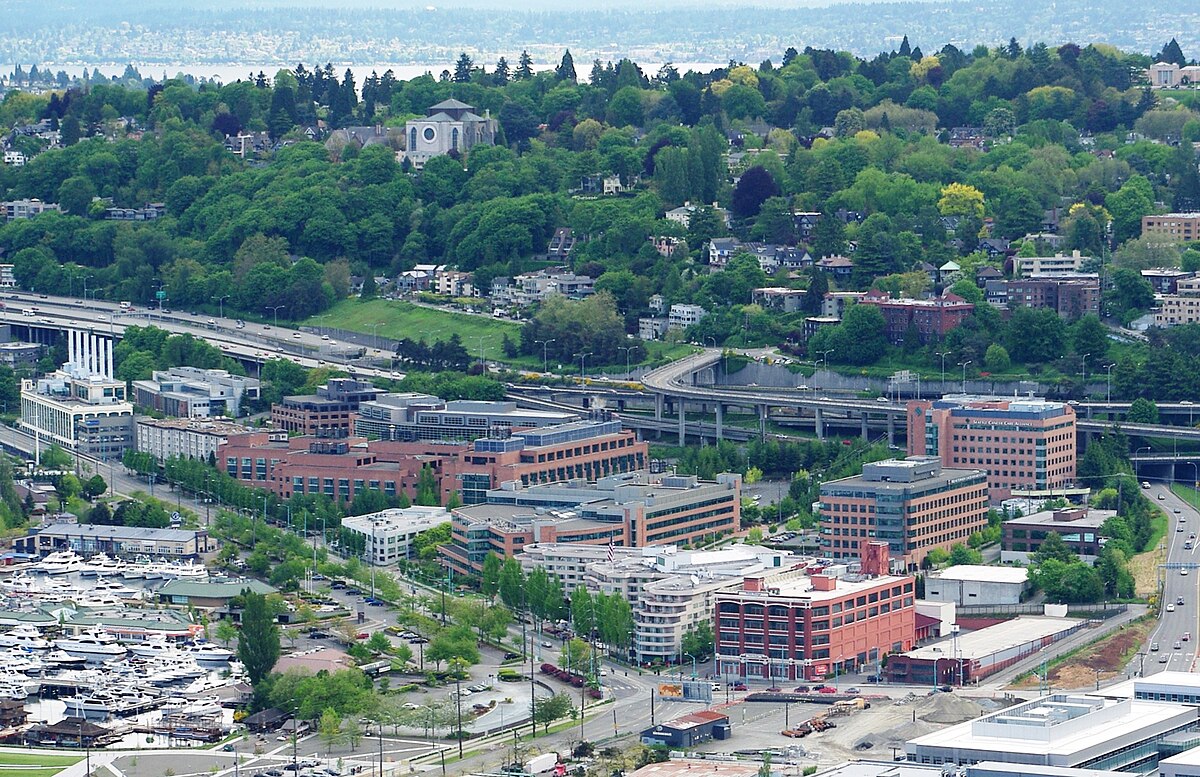
Todd Shipyards Todd Shipyards on Harbor Island in Seattle was one of the largest ship-repair yards on the West Coast. From World War II through the 1970s, repair and overhaul work exposed insulators, pipefitters, boilermakers, and other tradespeople to asbestos — and rip-out repair work made the exposure especially heavy.

Last verified: 2026-06-28
Location
Seattle, WA
Industry
Naval & Commercial Ship Repair
Exposure Era
1940s–1970s
Primary Asbestos Products
Block & blanket pipe and boiler insulation, Asbestos cloth, rope, and tape, Gaskets and valve packing, Sprayed fireproofing and refractory cement, Marine wallboard and panel board (Marinite-type), Brake and clutch friction materials
Job Categories at Risk
Insulators (laggers), Pipefitters, Boilermakers, Welders, Shipfitters, Machinists, Electricians, Sheet-metal workers, Painters and riggers, Drydock workers

History & Asbestos Use

Todd Shipyards Corporation was founded in 1916 and grew into one of the largest ship-repair and shipbuilding companies in the United States. Its Seattle yard, on Harbor Island at the mouth of the Duwamish, became a major West Coast naval and commercial repair facility. During World War II the yard repaired, converted, and overhauled large numbers of Navy and merchant vessels, and the work continued for the Navy and commercial fleets through the postwar decades. Like every American shipyard of the era, Todd Seattle used asbestos as the standard insulating and fireproofing material throughout machinery spaces, boiler rooms, and piping systems — and it remained in routine use until federal workplace-exposure limits tightened in the late 1970s.

Exposure Details

Most asbestos disease from Todd Seattle traces to the nature of repair work rather than new construction. Overhauls required workers to rip out deteriorated insulation, lagging, and fireproofing before new material could be installed — and tearing out aged, crumbling asbestos releases far more airborne fiber than installing it fresh. That demolition-style "rip-out" was performed in the confined, poorly ventilated spaces of a ship — boiler rooms, engine rooms, and below-deck passageways — where dust concentrated and lingered. Insulators and laggers handled raw asbestos block, cloth, and cement directly; pipefitters and boilermakers worked elbow-to-elbow alongside them in the same compartments; and welders, machinists, electricians, and painters working nearby were exposed to the same drifting fiber. Because the dust settled on clothing, hair, and tools, the risk frequently followed workers home.

Workers at Risk

The following job categories at Todd Shipyards had the highest risk of asbestos exposure:

  • Insulators (laggers)
  • Pipefitters
  • Boilermakers
  • Welders
  • Shipfitters
  • Machinists
  • Electricians
  • Sheet-metal workers
  • Painters and riggers
  • Drydock workers

Health Effects

Asbestos-related diseases have a long latency: pleural mesothelioma, asbestos-related lung cancer, and asbestosis typically appear 20 to 50 years after first exposure, which is why former Todd Shipyards workers are still being diagnosed today, decades after the yard's peak asbestos years. Ship-repair tradespeople carry elevated risk because rip-out work generates unusually high fiber counts. Family members exposed to fibers carried home on work clothes (so-called take-home or secondary exposure) have also developed mesothelioma. A diagnosis is not the worker's fault — the manufacturers that sold asbestos products to the yard knew the hazards, and many have since funded asbestos trust funds to compensate the people their materials harmed.

Health information is based on established medical research on asbestos exposure. Asbestos is classified as a known human carcinogen by the National Cancer Institute, the Agency for Toxic Substances and Disease Registry, and the U.S. Environmental Protection Agency. Consult a physician for medical advice specific to your situation.

Compensation May Be Available

Workers exposed to asbestos at Todd Shipyards may be entitled to compensation through asbestos trust funds, personal injury lawsuits, or veterans benefits. Mesothelioma patients and their families have recovered billions in compensation from companies that manufactured or used asbestos products.

2 asbestos trust funds have been identified as potentially related to exposure at this site. Many mesothelioma patients qualify to file claims with multiple trusts simultaneously.

Find Out If You Qualify

Were You Exposed to Asbestos at Todd Shipyards?

Workers who were employed at Todd Shipyards between 1940s–1970s may have been exposed to asbestos-containing materials. If you've been diagnosed with mesothelioma, lung cancer, or asbestosis, you may have legal options including trust fund claims and lawsuits.

Related Asbestos Trust Funds

Workers exposed to asbestos at Todd Shipyards may be eligible to file claims with the following trust funds:

Treatment Centers in Washington

If you were exposed to asbestos at Todd Shipyards and have been diagnosed with mesothelioma, these specialized treatment centers in Washington may be able to help.

Browse all treatment centers →

Frequently Asked Questions

Was asbestos used at Todd Shipyards in Seattle?

Yes. Asbestos-containing pipe and boiler insulation, cloth and rope, gaskets, valve packing, sprayed fireproofing, refractory cement, and marine panel board were all used routinely at Todd Shipyards Seattle during naval and commercial ship repair from the 1940s through the late 1970s.

What asbestos products were used at Todd Shipyards?

The yard used block and blanket insulation on pipes and boilers; asbestos cloth, rope, and tape for lagging and high-heat wrapping; gaskets and valve packing in machinery; sprayed fireproofing and refractory cement; marine wallboard and panel board; and asbestos friction materials in brakes and clutches. Insulators handled the raw material directly, but the resulting dust exposed everyone working nearby.

What jobs had the highest asbestos exposure at Todd Shipyards?

Insulators (laggers), pipefitters, and boilermakers had the heaviest exposure, especially when ripping out old asbestos insulation during overhauls. Welders, shipfitters, machinists, electricians, sheet-metal workers, painters, and drydock workers laboring in the same confined ship spaces were also exposed to the airborne fiber those rip-outs released.

Why was ship-repair work at Todd Shipyards especially hazardous?

Repair and overhaul work means removing deteriorated, friable asbestos before new material goes in — and tearing out aged asbestos releases far more airborne fiber than installing it new. At Todd Seattle that rip-out happened in tight, below-deck compartments with little ventilation, so fiber concentrated and lingered, exposing every trade working in the space.

Could family members of Todd Shipyards workers be exposed to asbestos?

Yes. Asbestos fibers settled on workers' clothing, hair, shoes, and tools and were carried home, where spouses and children could inhale them while greeting workers or laundering work clothes. This take-home (secondary) exposure has caused mesothelioma in family members who never set foot in the shipyard.

How long after working at Todd Shipyards can mesothelioma appear?

Mesothelioma and other asbestos diseases usually develop 20 to 50 years after first exposure. That long latency is why workers who left Todd Shipyards decades ago — and even their family members — are still receiving diagnoses today.

Can Todd Shipyards workers or their families file an asbestos claim?

Often, yes. Former Todd Shipyards employees diagnosed with mesothelioma, asbestos-related lung cancer, or asbestosis — and the families of workers who have died — may be eligible for compensation through asbestos trust funds and claims against the manufacturers whose products were used at the yard. Eligibility and deadlines depend on the diagnosis and the state, so it is worth having a mesothelioma attorney review the specific situation at no cost.

Get a Free Case Evaluation

If you or a loved one worked at Todd Shipyards and have been diagnosed with mesothelioma, lung cancer, or asbestosis, our attorneys can help you explore your legal options. There is no cost, no pressure, and no obligation.

Free & Confidential No upfront costs, no hidden fees. You pay nothing unless we recover compensation.
Nationwide Representation Licensed to handle mesothelioma cases in all 50 states from our Houston office.
Over 25 Years of Experience Our attorneys have recovered over $2 billion for mesothelioma patients and families.
Fast Results Trust fund claims can resolve in as few as 90 days. We move quickly for our clients.

Or call us 24/7: 1-800-400-1805

Take the First Step — It's Free

Your information is kept strictly confidential. We never share your data. No fees unless your attorney recovers compensation for you. This is attorney advertising. Mesothelioma-Lung-Cancer.org is not a law firm. Featured attorneys are paid sponsors who meet our editorial criteria. Past results do not guarantee future outcomes.

No Fees Unless You Win 100% Confidential Available 24/7

Sources:

  • OSHA compliance records — accessed 2026-06-28
  • Washington State Dept. of Ecology — accessed 2026-06-28
  • Court records from asbestos litigation — accessed 2026-06-28
Was this page helpful?
Call Now: (800) 400-1805 Free Case Review • Available 24/7