
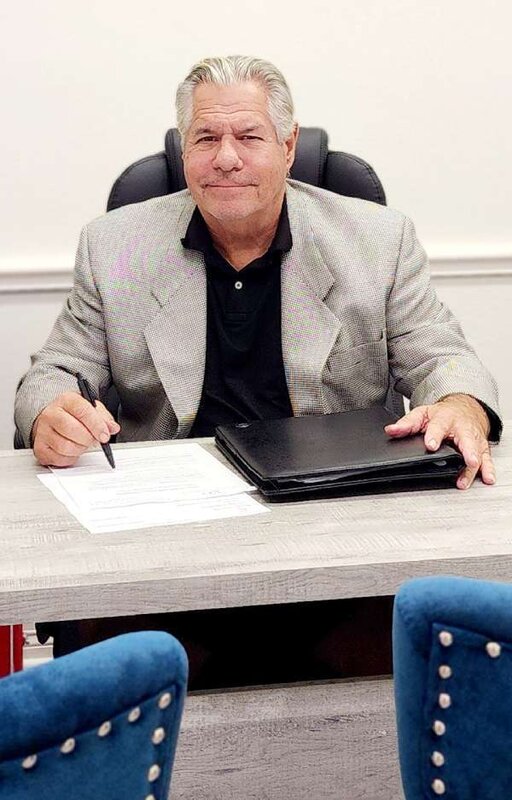

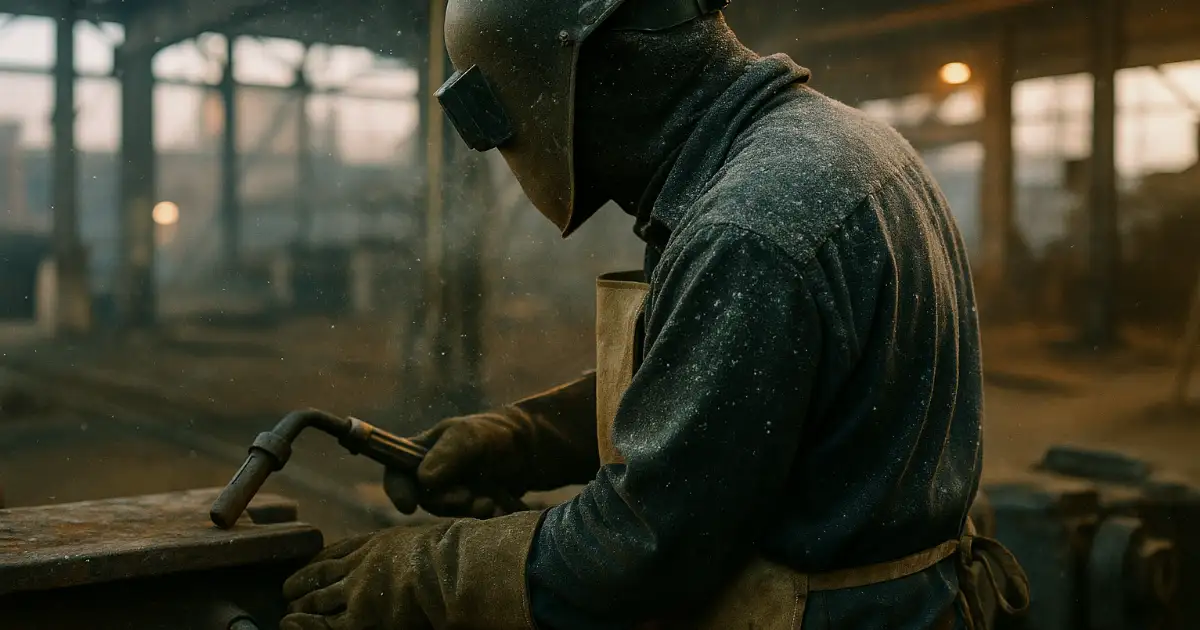
For thirty-one years, Raymond Kowalski welded steel in the belly of ships at Bethlehem Steel's Sparrows Point yard outside Baltimore. He wore no respirator. Nobody told him to. The white dust that settled on his hair and shoulders every afternoon was just part of the job — the same job his father had worked, the same job half the men in his neighborhood had worked. When he was diagnosed with pleural mesothelioma in the spring of 2023, his pulmonologist asked him about asbestos exposure. Raymond looked at her like she'd asked if he'd ever breathed air.
"It was everywhere," he told her. "It was the air."
Raymond's story isn't unusual. It is, in fact, one of the most common stories in American occupational medicine — a worker at one of Bethlehem Steel's massive shipyard complexes, exposed to asbestos for decades, developing a terminal cancer forty or fifty years later. What makes it remarkable is how long it has taken the country to fully reckon with the scale of what happened at Bethlehem Steel's yards in Baltimore, Quincy, San Francisco, and Beaumont. Hundreds of thousands of workers — and the Navy veterans who served on the ships those workers built — were exposed to asbestos in concentrations that would be criminal by today's standards. Many are still being diagnosed today.
This is the story of Bethlehem Steel's asbestos legacy: how it happened, who is still affected, and what veterans and former workers need to know right now.
Bethlehem Steel and the Scale of American Shipbuilding
At its peak, Bethlehem Steel was not just a company. It was an industrial civilization. The corporation operated shipyards at Sparrows Point in Baltimore, the Fore River Shipyard in Quincy, Massachusetts, the Union Iron Works in San Francisco, and yards in Beaumont, Texas and Staten Island, New York. During World War II alone, Bethlehem Steel's yards built or repaired more than 1,100 ships, according to historical records from the Bethlehem Steel Corporation archives. The company employed more than 300,000 workers at the height of wartime production.
Asbestos was the material that made those ships possible. It was fireproof, cheap, and seemingly miraculous in its ability to insulate pipes, boilers, engine rooms, and bulkheads against the extreme heat generated by naval propulsion systems. According to the Asbestos Nation research database, shipbuilding was one of the single highest-risk industries for asbestos exposure in American history, and Bethlehem Steel's yards were among the largest and most active in the country.
The problem was that asbestos fiber, when disturbed, releases microscopic particles that lodge permanently in lung tissue. Workers who cut, shaped, sprayed, or even walked near asbestos insulation were breathing those fibers constantly. In the enclosed, poorly ventilated spaces of a ship's hull, concentrations could reach levels hundreds of times above what modern regulations allow. Veterans who later served aboard those ships faced continued exposure every time a pipe was repaired or a boiler was worked on at sea.
The latency period for asbestos-related diseases like mesothelioma ranges from twenty to fifty years. That means workers who were exposed in the 1950s, 1960s, and 1970s are still being diagnosed today. The wave of disease has not crested. It is still building.
What Workers Actually Breathed: The Asbestos Products at Bethlehem Steel
To understand the exposure at Bethlehem Steel's yards, you have to understand what asbestos was used for — and how many different products contained it. This wasn't a single material applied in a single location. It was woven into the physical fabric of every ship that came out of those yards.
Pipe insulation was the most pervasive source. Every steam pipe, every hot water line, every exhaust conduit in a naval vessel was wrapped in asbestos-containing insulation. Workers called the men who applied it "laggers," and their work produced clouds of white dust that drifted through entire sections of a ship under construction. Insulators at Bethlehem Steel's Sparrows Point yard worked in conditions that, according to occupational health research cited by the VA's public health division, would today require full respiratory protection and hazmat protocols.
Beyond pipe insulation, asbestos appeared in boiler insulation, deck tiles, gaskets, packing materials, fireproofing compounds, and the spray-applied insulation that coated the interior surfaces of engine rooms and boiler spaces. Workers in virtually every trade — pipefitters, boilermakers, electricians, carpenters, painters, welders — encountered asbestos in some form. Even workers whose primary job had nothing to do with insulation were exposed simply by working in the same spaces as those who were applying it.
The Navy veterans who served aboard Bethlehem Steel-built ships faced a different but equally serious exposure pathway. Maintenance and repair work at sea meant disturbing existing asbestos insulation constantly. A pipe repair in an engine room could release fibers that circulated through the ship's ventilation system for hours. According to the VA's disability benefits guidance for asbestos exposure, veterans who served in certain ratings — machinist's mates, boiler technicians, damage controlmen, and hull maintenance technicians — faced particularly high exposure levels because their duties regularly brought them into contact with asbestos-containing materials.
What I tell every veteran I work with is this: if you served aboard a ship built before 1980, you were almost certainly exposed to asbestos. The question isn't whether the exposure happened. The question is whether it's made you sick.
The Companies That Supplied the Asbestos
Bethlehem Steel didn't manufacture asbestos products itself. It purchased them from a network of suppliers whose names appear in thousands of legal cases filed over the past four decades. Understanding this supply chain matters because it determines who bears legal liability for the exposure.
Among the most frequently cited suppliers in Bethlehem Steel shipyard litigation are Johns-Manville, the largest asbestos manufacturer in American history; Owens Corning; Armstrong World Industries; and Crane Co. Internal documents from these companies, unsealed through decades of litigation, have shown that executives knew about the health risks of asbestos exposure as early as the 1930s and 1940s, according to court records reviewed by legal researchers at Asbestos Nation.
Johns-Manville, which filed for bankruptcy in 1982 specifically because of asbestos liability, established what became the first major asbestos bankruptcy trust. Today, the Johns Manville Asbestos Personal Injury Settlement Trust holds billions of dollars specifically to compensate workers and veterans who were exposed to their products. Former Bethlehem Steel workers and the veterans who served on Bethlehem-built ships may have valid claims against this trust and others.
For veterans trying to understand their legal options, the exposure sites directory provides a comprehensive database of shipyards, military installations, and industrial sites where asbestos exposure has been documented. Bethlehem Steel's major yards are all listed, along with the specific products used and the time periods of peak exposure.
The legal landscape for asbestos claims is complex, and the statutes of limitations vary significantly by state. Veterans who were exposed at Bethlehem Steel's Sparrows Point yard in Maryland face different deadlines than those exposed at the Quincy yard in Massachusetts. The statute of limitations tool can help veterans and families understand what deadlines apply to their specific situation.
!Shipyard worker examining aged asbestos-containing materials stored on warehouse shelving
The Veterans Who Built and Served on These Ships
The Bethlehem Steel story has two distinct veteran populations, and it's important to understand both.
The first group is the civilian workers who built the ships. Many of these men were veterans themselves, having served in World War II or Korea before returning to civilian life and finding work at Bethlehem Steel's yards. They were union workers, proud of their craft, and they built the ships that won wars. Veterans who served during this period, particularly those who transitioned from military service directly into shipyard work, faced a double exposure: asbestos in the military and then more asbestos in the shipyard.
The second group is the Navy veterans who served aboard Bethlehem Steel-built ships. These men and women were exposed not during construction but during operation and maintenance. The ships built at Sparrows Point, Fore River, and the other yards remained in service for decades. A destroyer built in 1944 might still be in active service in 1970, its original asbestos insulation intact and increasingly friable, meaning it crumbled and released fibers more easily as it aged.
According to the VA's disability benefits program for asbestos exposure, the following Navy ratings are specifically recognized as having high asbestos exposure risk: boiler technicians, machinist's mates, damage controlmen, hull maintenance technicians, pipefitters, and those who worked in shipyard environments during overhaul periods. But the VA's list is not exhaustive. Many veterans in other ratings were also significantly exposed.
The VA health care eligibility page explains that veterans with service-connected conditions, including asbestos-related diseases, may qualify for comprehensive VA health benefits regardless of their discharge status or income level. This is a benefit that many veterans don't know they've earned.
"Veterans who served in the engine rooms and boiler spaces of ships built at Bethlehem Steel's yards weren't just doing their jobs. They were breathing in a slow-acting poison that their government and their employers knew about and chose not to disclose. They earned every benefit available to them."
— Larry Gates, Veterans Benefits Advocate

How Asbestos Disease Develops: The Biology of a Slow Catastrophe
Understanding why Bethlehem Steel workers and veterans are still being diagnosed in 2026, decades after the yards closed or converted to other uses, requires understanding the biology of asbestos-related disease.
When asbestos fibers are inhaled, they travel deep into the lung tissue. The body's immune system recognizes them as foreign but cannot break them down or expel them. Over years and decades, the fibers cause chronic inflammation and cellular damage. In some individuals, this process eventually triggers malignant transformation — the development of cancer.
Mesothelioma, the cancer most closely associated with asbestos exposure, develops in the mesothelium, the thin membrane that lines the lungs, abdomen, and heart. Pleural mesothelioma, which affects the lining of the lungs, accounts for roughly 80 percent of all cases, according to the National Cancer Institute. The disease is almost exclusively caused by asbestos exposure. There is no other known environmental cause.
The latency period — the time between first exposure and diagnosis — is typically between twenty and fifty years. This is why workers exposed at Bethlehem Steel's yards in the 1950s and 1960s are still receiving diagnoses today. It's also why the disease is so often diagnosed at an advanced stage: by the time symptoms appear, the cancer has frequently spread.
Asbestos also causes other serious diseases, including asbestosis (a chronic scarring of the lung tissue), pleural plaques (calcified deposits on the lung lining), and an elevated risk of lung cancer, particularly in workers who also smoked. According to research cited by the Lung Cancer Research Foundation, asbestos exposure combined with cigarette smoking multiplies lung cancer risk dramatically compared to either factor alone.
For veterans trying to understand their treatment options, the landscape has changed significantly in recent years. Immunotherapy combinations, particularly nivolumab and ipilimumab, received FDA approval for unresectable pleural mesothelioma in 2020, and research continues to expand the options available to patients. The VA's oncology programs at major medical centers now offer access to many of these treatments.
The VA Claims Process: What Bethlehem Steel Workers and Veterans Need to Know
Here's where I need to be direct with you, because this is where I see veterans leave money on the table every single week.
The VA recognizes that asbestos exposure during military service is a basis for disability compensation. If you're a veteran who was diagnosed with mesothelioma, asbestosis, pleural plaques, or asbestos-related lung cancer, and you can demonstrate that your exposure occurred during your military service, you may be entitled to disability compensation rated at up to 100 percent. That's a monthly payment, tax-free, for the rest of your life. It also comes with eligibility for VA health care, including cancer treatment.
The challenge is that the VA does not automatically connect your diagnosis to your service. You have to file a claim, and you have to file it correctly. According to the VA's disability benefits guidance for asbestos exposure, a successful claim requires three elements: a current diagnosis of an asbestos-related disease, evidence of in-service asbestos exposure, and a medical nexus connecting the two.
The exposure evidence is often the hardest part for veterans to gather. Service records don't always specify that you worked in an asbestos-contaminated environment. What they do show is your rating, your ship assignments, and your duty stations. A veterans benefits advocate or an attorney experienced in VA claims can use that information to build the exposure argument, often using historical records of which ships contained asbestos and what conditions were like in specific ratings.
Veterans who served at Bethlehem Steel's yards as civilian workers during a period of military service, or who served aboard ships built at those yards, have a documented exposure pathway that the VA has recognized in thousands of prior claims. The VA disability claim filing page provides the official process, but I strongly recommend working with an accredited veterans service organization or a VA-accredited attorney before filing.
The VFW's advocacy division and similar organizations can provide free assistance with VA claims for asbestos-related conditions. These are not optional resources. They are the difference between a successful claim and a denial that takes years to appeal.
Bethlehem Steel's Specific Yards: A Geographic Guide to Exposure
Not all Bethlehem Steel yards were identical in their asbestos use or in the populations they employed. Understanding the specific yard where exposure occurred matters for both VA claims and civil litigation.
Sparrows Point, Maryland. The flagship of Bethlehem Steel's shipbuilding empire, Sparrows Point was one of the largest integrated steel and shipbuilding complexes in the world. Located on a peninsula southeast of Baltimore, the yard built and repaired hundreds of naval vessels from World War I through the Cold War era. Workers at Sparrows Point were exposed to asbestos from virtually every product category: pipe insulation, boiler insulation, gaskets, packing, deck tiles, and fireproofing compounds. The yard employed tens of thousands of workers at its peak, and the surrounding communities of Sparrows Point and Dundalk still have elevated rates of mesothelioma and asbestosis among older residents, according to occupational health data reviewed by Asbestos Nation.
Fore River Shipyard, Quincy, Massachusetts. Bethlehem Steel acquired the Fore River yard in 1913, and it became one of the most productive naval shipbuilding facilities on the East Coast. During World War II, Fore River built battleships, aircraft carriers, and destroyers. Workers here faced the same asbestos products as Sparrows Point, with the added complication that Quincy's winters meant the yards were often enclosed during cold months, concentrating asbestos dust in poorly ventilated spaces.
Union Iron Works, San Francisco, California. On the West Coast, Bethlehem Steel operated the historic Union Iron Works yard at Potrero Point in San Francisco. This yard built and repaired ships for both the Pacific Fleet and commercial operators. California veterans and workers who were exposed here should note that California has specific statutes of limitations for asbestos claims that differ from East Coast states. The locations directory provides state-specific information for California veterans.
Beaumont, Texas. The Beaumont yard was smaller than Sparrows Point or Fore River but served as a critical repair and conversion facility for Gulf Coast naval operations. Workers here were often exposed during ship overhaul work, which is particularly hazardous because it involves disturbing existing asbestos insulation rather than applying new material.
For veterans trying to connect their service history to a specific yard or ship, the exposure sites directory provides detailed records of documented asbestos use at each of these locations.
The Trust Fund System: Civil Compensation Beyond the VA
VA disability benefits are one avenue of compensation. Civil litigation and asbestos bankruptcy trust funds are another, and they operate completely independently. A veteran can receive VA disability compensation AND file claims against asbestos trust funds. These are not mutually exclusive.
More than sixty asbestos bankruptcy trusts have been established since Johns-Manville's 1982 filing, according to the RAND Corporation's research on asbestos litigation. These trusts collectively hold tens of billions of dollars specifically designated to compensate people who were exposed to asbestos products manufactured by the bankrupt companies. Former Bethlehem Steel workers and the veterans who served on Bethlehem-built ships may have valid claims against multiple trusts simultaneously, because multiple manufacturers' products were used in those yards.
The claims process for asbestos trusts is separate from VA claims and from traditional civil lawsuits. Each trust has its own eligibility criteria, its own medical documentation requirements, and its own payment schedules. Some trusts pay claims relatively quickly; others have significant backlogs. An attorney experienced in asbestos litigation can identify which trusts apply to a specific exposure history and file claims on the veteran's behalf, typically on a contingency basis.
For veterans trying to understand what compensation might be available to them, the compensation estimator tool provides a starting point for understanding the range of outcomes in cases with similar exposure histories and diagnoses.
What I tell every veteran I work with: don't assume that because you received a VA rating, your legal options are exhausted. The trust fund system and civil litigation exist specifically because the manufacturers of asbestos products were separately liable from the government. The VA compensates you for your service-connected condition. The trusts compensate you for the negligence of the companies that made the products that caused your condition. Both can apply simultaneously.
"The trust fund system exists because asbestos manufacturers knew their products were killing people and chose profits over lives. Every veteran who was exposed at a Bethlehem Steel yard has a right to know whether they have a claim against those funds."
— Larry Gates, Veterans Benefits Advocate
Families in the Crossfire: Secondary Asbestos Exposure
There is a dimension of the Bethlehem Steel asbestos story that rarely gets the attention it deserves: the families of the workers.
Asbestos fibers don't stay at the worksite. They cling to clothing, hair, and skin. Workers who came home from Bethlehem Steel's yards brought asbestos dust with them into their cars, their homes, and their families' lives. Wives who shook out work clothes or washed them in the laundry were exposed. Children who hugged their fathers when they came home from a shift were exposed. This phenomenon, called secondary or take-home asbestos exposure, has been documented in dozens of mesothelioma cases involving family members who never set foot in a shipyard.
Secondary exposure victims face a different legal landscape than workers or veterans. They typically cannot file VA claims, since their exposure wasn't service-connected. But they may have civil claims against the asbestos manufacturers whose products were brought home on their family members' work clothes. These cases have been successfully litigated, and several asbestos bankruptcy trusts specifically include provisions for household exposure claims.
For families navigating a mesothelioma diagnosis, whether the patient is a veteran, a former worker, or a family member who experienced secondary exposure, the resources at mesothelioma-lung-cancer.org/answers/families provide guidance on the specific challenges families face, from treatment decisions to financial planning to legal options.
Cure Meso's patient support services also offer direct assistance to mesothelioma patients and families, including help connecting with clinical trials, financial assistance programs, and peer support networks.
Choosing a Treatment Center: Why It Matters for Bethlehem Steel Veterans
A mesothelioma diagnosis is not a death sentence, but the quality of care you receive matters enormously. Mesothelioma is a rare cancer, and not every oncologist has significant experience treating it. The difference between a general oncologist and a mesothelioma specialist can be measured in months of survival and in quality of life during treatment.
For veterans, the VA health care system offers access to oncology services at major VA medical centers, and the VA has formal partnerships with National Cancer Institute-designated cancer centers in many regions. But veterans are not limited to VA care. Veterans with service-connected conditions can also access care through the VA's community care program, which allows treatment at non-VA facilities when VA services are not available or not adequate.
Veterans who served during this period of peak asbestos use at Bethlehem Steel's yards should specifically seek out mesothelioma specialists rather than general thoracic oncologists. The treatment protocols for mesothelioma have evolved significantly, and a specialist will be aware of clinical trial options, emerging surgical techniques, and the latest immunotherapy combinations that a generalist may not consider.
The guide to choosing a mesothelioma treatment center walks through the specific criteria veterans and families should use when evaluating their options, including how to assess a center's mesothelioma case volume, surgical expertise, and access to clinical trials.
"A mesothelioma diagnosis demands a mesothelioma specialist. This is not a cancer where you want a generalist making treatment decisions. The difference in outcomes between a specialized center and a community hospital can be measured in years."
— Larry Gates, Veterans Benefits Advocate
The Current State of Litigation: What's Happening in Courts Now
Asbestos litigation involving Bethlehem Steel's yards is not a relic of the past. Cases are being filed and resolved in 2026, and the legal landscape continues to evolve in ways that affect veterans and former workers.
In Maryland, where Sparrows Point was located, asbestos cases are concentrated in Baltimore City Circuit Court, which has developed significant expertise in asbestos litigation over decades. The court has a dedicated asbestos docket, and cases involving former Sparrows Point workers are among the most common filings. In Massachusetts, Suffolk County Superior Court handles the bulk of Fore River-related claims.
The defendants in these cases are typically not Bethlehem Steel itself, which went through bankruptcy proceedings and was acquired by International Steel Group in 2003 before ultimately becoming part of ArcelorMittal. The defendants are the manufacturers of the asbestos-containing products used at Bethlehem Steel's yards: the insulation manufacturers, the gasket makers, the fireproofing companies. Many of these have established bankruptcy trusts; others remain solvent defendants in ongoing litigation.
For veterans considering civil litigation, timing is critical. The statutes of limitations for asbestos claims typically begin running from the date of diagnosis, not the date of exposure. But the specific rules vary by state and by the nature of the claim. The statute of limitations tool provides state-specific guidance, but consulting with an asbestos attorney promptly after diagnosis is essential.
What the Data Shows: Mesothelioma Rates Among Shipyard Workers and Veterans
The epidemiological data on mesothelioma among shipyard workers and veterans is stark. It tells a story of institutional failure on a massive scale.
According to research cited by the VA's public health division, Navy veterans have a mesothelioma incidence rate significantly higher than the general population. Studies of specific shipyard worker populations have found mesothelioma rates many times the background rate in the general public. Workers who spent careers in the most heavily contaminated areas, engine rooms, boiler rooms, and pipe shops, have the highest rates of all.
The VA recognizes that asbestos exposure in military service is one of the most significant occupational health issues facing the veteran population. According to the VA's disability benefits program, approximately 30 percent of all mesothelioma patients in the United States have a military service history, a proportion far exceeding what would be expected based on the size of the veteran population relative to the general public.
These numbers have policy implications. They are part of why the VA has developed specific guidance for asbestos-related disability claims, why Congress has periodically revisited veterans' benefits for toxic exposure, and why organizations like the VFW continue to advocate for expanded coverage for veterans with asbestos-related diseases.
For veterans who are uncertain whether their exposure history qualifies them for VA benefits, the VA's disability eligibility page provides the official criteria. But eligibility determinations are fact-specific, and the VA's initial determination is not always correct. Many veterans have successfully appealed initial denials with the help of accredited representatives.
The Long Road to Recognition: A Timeline of Institutional Failure
The history of asbestos regulation in American shipyards is a history of delayed action in the face of clear evidence. Understanding this timeline helps explain why so many Bethlehem Steel workers and veterans were exposed for so long.
As early as the 1930s, medical researchers had documented the link between asbestos exposure and serious lung disease. Internal documents from asbestos manufacturers, revealed through litigation, show that companies like Johns-Manville were aware of these findings and chose not to publicize them or warn their customers. Bethlehem Steel, as a major purchaser of asbestos products, was in a position to know about these risks.
During World War II, the urgency of wartime production overrode any concerns about worker health. The Navy needed ships, and ships needed asbestos. Workers were not warned. Respirators were not provided. The exposure continued at maximum intensity for the duration of the war and into the postwar period.
The Occupational Safety and Health Administration, established in 1970, began developing asbestos exposure standards in the early 1970s. The first permissible exposure limit for asbestos was established in 1972, but it was set at a level that researchers now recognize was still dangerously high. Stricter standards followed in 1976, 1986, and 1994. By the time the most protective standards were in place, the workers who built and maintained Bethlehem Steel's ships had already received their lifetime dose.
The Navy began removing asbestos from active ships in the 1970s and 1980s, but the process was slow and incomplete. Veterans who served during the transition period were exposed both to original asbestos insulation and to disturbed fibers released during removal operations.
This institutional failure, spanning decades and involving multiple government agencies and private corporations, is why the legal and benefits systems for asbestos victims are so complex. Responsibility was distributed across many parties, and the compensation systems reflect that distributed liability.
Taking Action: A Practical Guide for Veterans and Families
If you're a veteran who worked at a Bethlehem Steel yard or served aboard a ship built at one of those yards, and you've been diagnosed with mesothelioma, asbestosis, pleural plaques, or asbestos-related lung cancer, here is what needs to happen next.
First, get to a mesothelioma specialist. Not a general oncologist, not a pulmonologist, a mesothelioma specialist at a center that handles significant case volume. The treatment decisions made in the first weeks after diagnosis can affect your options for months and years to come. The treatment center guide will help you identify the right facility.
Second, file a VA disability claim immediately. The VA's process takes time, and the sooner you file, the sooner benefits can begin. If you're uncertain how to file or what documentation you need, contact an accredited veterans service organization or a VA-accredited attorney. The VFW's advocacy division provides free claims assistance.
Third, consult with an asbestos attorney about civil compensation options. This consultation is typically free, and an experienced attorney can quickly assess whether trust fund claims or civil litigation are viable based on your exposure history and diagnosis. This does not affect your VA claim.
Fourth, connect with support resources. A mesothelioma diagnosis affects the entire family, and support services exist specifically for this community. Cure Meso's patient support services provide direct assistance with everything from clinical trial access to financial assistance programs.
Finally, document everything. Your service records, your employment records, your medical records, the names of ships you served on, the names of supervisors and coworkers who can attest to your working conditions. This documentation is the foundation of both your VA claim and any civil action.
The VA recognizes that veterans who were exposed to asbestos during military service or in military-adjacent civilian work have a legitimate claim on the benefits system. The trust fund system exists because the companies that made asbestos products were negligent. You earned these benefits through your service and through the sacrifice of your health. Don't leave them unclaimed.
For families who have lost a veteran to mesothelioma, survivor benefits may be available through both the VA and the civil compensation system. The families resource page provides specific guidance for surviving spouses and dependents.
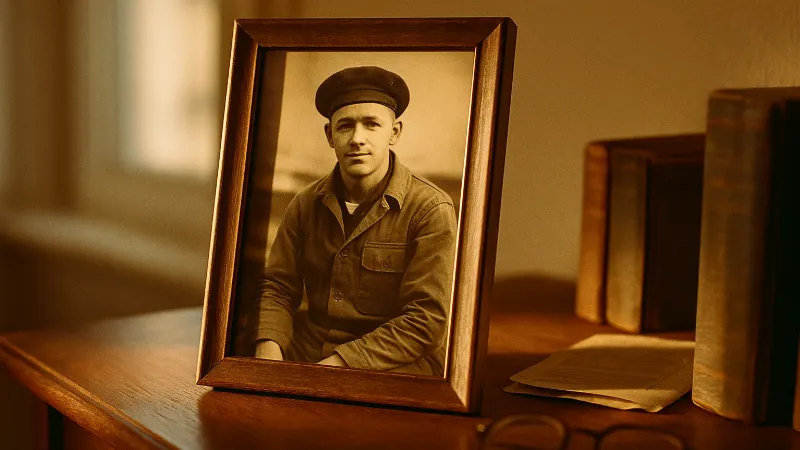
Raymond Kowalski, the welder from Sparrows Point who opened this story, filed his VA claim within three weeks of his diagnosis. He also filed claims against four asbestos bankruptcy trusts, with the help of an attorney who specialized in shipyard asbestos cases. He's receiving treatment at a VA-affiliated mesothelioma center in Baltimore. He's not cured. But he's fighting, and he's not fighting alone, and he's not fighting without the resources he earned.
That's what every Bethlehem Steel veteran deserves.
This article provides general information about VA benefits. Eligibility depends on individual service history and medical diagnosis.


Comments (3)