



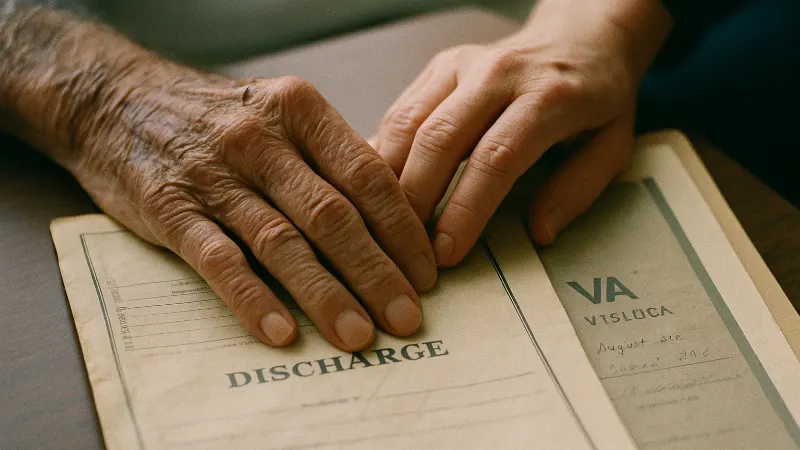
WASHINGTON, D.C. — Every year on Memorial Day, we count the fallen. We read names at ceremonies, fold flags, and place wreaths at headstones. But there's a category of military death that rarely makes it into those tributes: the men and women who came home, raised families, built careers, and then died decades later from a cancer caused by the asbestos they were ordered to work around during their service.
They didn't die on a battlefield. They died in VA hospitals and living rooms and hospice beds, often thirty or forty years after their discharge papers were signed. And they keep dying. According to the Department of Veterans Affairs, veterans account for roughly 30 percent of all mesothelioma diagnoses in the United States each year, a staggering proportion for a population that represents about 7 percent of the country. This Memorial Day, their deaths deserve a place in the national reckoning.
Who Were the Veterans Most Exposed to Asbestos?
Veterans who served during this period, particularly from World War II through the Vietnam era, faced asbestos exposure on a scale that civilian workers rarely encountered. The U.S. military was one of the largest consumers of asbestos-containing materials in the world throughout the mid-twentieth century. It insulated pipes and boilers. It fireproofed bulkheads on Navy ships. It lined the engine rooms of aircraft carriers and the mechanical bays of Air Force bases. It wrapped the steam lines in Army barracks. Asbestos was everywhere, and the men and women who served were surrounded by it.
Navy veterans carry the heaviest burden. Shipyard workers, boiler technicians, machinists, and pipefitters who spent years in the enclosed below-deck spaces of destroyers, cruisers, and carriers breathed asbestos fibers in concentrations that would be illegal under any modern occupational safety standard. According to the VA's public health division, Navy veterans have among the highest rates of asbestos-related disease of any military occupational specialty. The confined spaces of a ship's engine room meant fibers had nowhere to go. They settled in lungs.
But the Navy doesn't hold a monopoly on this tragedy. Marines who trained at Camp Lejeune were exposed not only to contaminated drinking water but to asbestos in the base's aging buildings and infrastructure. Army veterans who worked in vehicle maintenance, construction, or demolition frequently encountered asbestos-containing brake pads, gaskets, and building materials. Air Force mechanics who serviced older aircraft dealt with asbestos insulation in cockpit components and engine housing. Coast Guard personnel who served aboard cutters faced the same shipboard exposure risks as their Navy counterparts.
According to Asbestos Nation, the military's use of asbestos was not incidental. It was deliberate, systematic, and in many cases continued long after the civilian world had begun to recognize the health risks. Defense contractors supplied asbestos products to the military for decades with full knowledge of the hazards, and internal documents from several major manufacturers later revealed in litigation showed that companies suppressed or downplayed safety data to protect their government contracts.
Why Veterans Are Still Dying Decades After Discharge
Picture a 22-year-old Navy machinist in 1968, working below decks on a destroyer in the Pacific. He's tightening pipe fittings wrapped in asbestos insulation, and the dust is visible in the air around him. No respirator. No warning. He finishes his tour, gets out, goes to work as a plumber in Cleveland, raises three kids, coaches Little League. He doesn't think about that dust again for thirty years.
Then, at 72, he develops a cough that won't quit. A chest X-ray leads to a CT scan leads to a biopsy. Mesothelioma. The doctor explains that this cancer has a latency period of 20 to 50 years, meaning the fibers he inhaled in 1968 have been silently working their way into the lining of his lungs for half a century.
This is not a hypothetical. This is the clinical reality of mesothelioma, and it's why veterans are still dying from Cold War-era asbestos exposure right now, in 2026. The Social Security Administration includes mesothelioma on its Compassionate Allowances list, a designation reserved for conditions so severe that standard disability review timelines would be unconscionable. The average survival after diagnosis remains under 18 months for most patients, though newer immunotherapy combinations have begun to extend that window for some.
What I tell every veteran I work with is this: the latency period is not your fault, and it is not your doctor's fault. The asbestos industry knew what it was doing. The military procurement system failed you. And the legal and benefits systems exist precisely because of that failure.
According to the VA's health care eligibility guidelines, veterans with confirmed asbestos-related conditions, including mesothelioma, asbestosis, and pleural disease, may qualify for VA health care enrollment even if they have no other service-connected conditions. The key is establishing the nexus between military service and the exposure. For most Navy veterans and many Army and Air Force veterans, that nexus is not difficult to establish. The VA recognizes that military service during specific eras and in specific occupational roles constitutes sufficient basis for presumptive asbestos exposure.
The VA Benefits System: What Veterans Have Earned
Filing a VA disability claim for mesothelioma is not charity. It is not asking for a handout. These benefits exist because Congress and the VA have formally acknowledged that the military exposed service members to a lethal substance without adequate warning or protection. Veterans who served during this period earned every dollar of these benefits through their service and through the health consequences they're now living with.
The VA disability rating system for mesothelioma typically results in a 100 percent disability rating, which as of 2026 translates to a monthly payment exceeding $3,700 for a single veteran, with additional amounts for dependents. Veterans diagnosed with mesothelioma may also qualify for Special Monthly Compensation, which can increase payments significantly based on the level of disability and need for aid and attendance.
According to the VA's official claims filing guidance, the process requires three core elements: a current diagnosis from a licensed physician, evidence of in-service asbestos exposure, and a medical nexus linking the two. For mesothelioma specifically, the nexus requirement is often straightforward because mesothelioma has no known cause other than asbestos exposure. A veteran who served in an exposed role and later develops mesothelioma has, in practical terms, a near-certain service connection.
The Veterans of Foreign Wars has been one of the most active advocacy organizations pushing for faster VA processing of asbestos-related claims. According to VFW advocacy materials, the organization has consistently pushed for presumptive status for mesothelioma and other asbestos-related diseases in veterans who served in qualifying roles, similar to the presumptive status granted for Agent Orange exposure. The argument is simple: when a disease has essentially one cause and a veteran was demonstrably exposed to that cause during service, requiring extensive additional proof is a bureaucratic burden that serves no legitimate purpose.
For veterans navigating this process, the VA claims and veterans benefits guide at Mesothelioma-Lung-Cancer.org provides a step-by-step breakdown of what documentation to gather, how to structure a claim, and what to do if an initial claim is denied. Denial is not the end of the road. The appeals process has produced successful outcomes for thousands of veterans who were initially turned down.
Beyond the VA: Legal Options That Don't Conflict With Benefits
One of the most persistent misconceptions I encounter is the belief that filing a VA claim means you can't also pursue legal compensation. That is not correct. VA disability benefits and legal claims through the civil court system or asbestos bankruptcy trust funds are entirely separate processes, and pursuing one does not preclude the other.
The asbestos litigation system has resulted in more than 60 asbestos manufacturers and suppliers establishing bankruptcy trust funds totaling over $30 billion, specifically to compensate victims of asbestos-related disease. Many of the companies whose products caused military veterans' mesothelioma, Johns-Manville, Armstrong World Industries, Owens Corning, and dozens of others, are among those trusts. A veteran whose mesothelioma was caused by asbestos insulation installed on a Navy ship may have claims against multiple trusts simultaneously.
According to the compensation overview at Mesothelioma-Lung-Cancer.org, mesothelioma settlements for veterans frequently range from several hundred thousand dollars to more than a million dollars, depending on the strength of the exposure history, the number of responsible parties, and the jurisdiction. Veterans with strong occupational exposure records from their military service often have highly documentable claims because service records, ship manifests, and military occupational specialty codes provide concrete evidence of where they were and what they were working around.
The trust fund checker tool can help veterans and their families identify which asbestos bankruptcy trusts may apply to their specific diagnosis and service history. It's a starting point, not a final determination, but for many families it's the first time they realize the scope of what's available to them.
For veterans weighing the difference between VA benefits and a civil lawsuit, the VA vs. lawsuit comparison guide lays out the practical differences in timeline, payout potential, and eligibility requirements. The short version: VA benefits are faster and more predictable; civil claims and trust fund claims often yield larger total compensation. Most veterans with mesothelioma should be pursuing both simultaneously.
Treatment Options for Veterans in 2026
A diagnosis of mesothelioma in 2026 is not the same death sentence it was in 2006. That's not optimism. That's the data.
The FDA approval of nivolumab plus ipilimumab as a first-line treatment for unresectable pleural mesothelioma marked a turning point in how oncologists approach this disease. According to clinical data supporting that approval, the immunotherapy combination extended median overall survival compared to standard chemotherapy in eligible patients. For veterans, many of whom are diagnosed at older ages and with comorbidities from decades of physical labor, the tolerability profile of immunotherapy is an important consideration alongside efficacy.
Standard chemotherapy with cisplatin and pemetrexed, detailed in the chemotherapy for mesothelioma overview, remains a frontline option for patients who are not candidates for immunotherapy or who prefer a more established protocol. Surgical options, including pleurectomy and decortication and the more aggressive extrapleural pneumonectomy, are available at specialized centers for patients with early-stage disease and sufficient pulmonary reserve.
The VA's own oncology network includes several facilities with mesothelioma experience, but for veterans seeking the most specialized care, major cancer centers with dedicated mesothelioma programs often represent the best option. The treatment center directory lists specialized facilities by state, including those with established VA coordination programs that allow veterans to receive outside care while maintaining their VA benefits.
According to patient support resources from CureMeso, the Mesothelioma Applied Research Foundation, veterans diagnosed with mesothelioma and their families can access case management support, financial assistance programs, and clinical trial navigation services. Clinical trials remain one of the most important avenues for veterans who have exhausted standard treatment options or who want access to emerging therapies before they reach general approval.
For veterans in California, one of the states with the largest veteran populations according to the VA's California State Summary, the concentration of NCI-designated cancer centers in the Bay Area, Los Angeles, and San Diego means that specialized mesothelioma care is geographically accessible to a large share of the affected population. Veterans in rural states face greater logistical challenges, but VA travel benefits and telehealth coordination have expanded access meaningfully in recent years.
What Families Need to Know When a Veteran Can't Speak for Himself
Not every veteran diagnosed with mesothelioma is in a position to navigate the VA system, pursue legal claims, and manage their own treatment simultaneously. Some are too sick. Some have cognitive impairments. Some, by the time of diagnosis, have already died. Their families are left holding the pieces.
For surviving spouses and dependents of veterans who died from mesothelioma, Dependency and Indemnity Compensation through the VA provides monthly payments to eligible survivors. DIC is not means-tested. It is a benefit earned by the veteran's service and service-connected death. According to the VA's disability claims guidance, survivors must establish that the veteran's death was caused by a service-connected condition, which for mesothelioma is typically straightforward given the disease's singular causation.
Legal claims do not die with the veteran. In most states, the veteran's estate can pursue or continue asbestos trust fund claims and civil litigation on behalf of the decedent. Wrongful death claims brought by surviving family members are a separate legal avenue with their own statute of limitations, and families should consult with a mesothelioma attorney promptly after a veteran's death to preserve those rights. The guide to filing asbestos trust fund claims covers the procedural basics for both living patients and estates.
What I tell every family in this situation is that grief and legal action are not mutually exclusive. You can honor your father or your husband or your wife by making sure the companies that poisoned them are held financially accountable. That accountability doesn't bring anyone back. But it matters.
A Memorial Day Reckoning
There's a particular kind of injustice in dying from a disease that took forty years to arrive. The veterans who are receiving mesothelioma diagnoses today served in the 1960s, 1970s, and 1980s. Many of them had no idea they'd been exposed to a lethal substance. They came home, they worked, they lived. And now the bill is coming due, not because of anything they did wrong, but because of what the military and its contractors did to them.
This Memorial Day, the names on headstones and the names in VA mesothelioma files belong to the same tradition of sacrifice. The only difference is that one group's sacrifice was immediate and visible, and the other group's sacrifice took decades to fully manifest.
According to the Lung Cancer Research Foundation, the intersection of occupational exposure and lung disease remains one of the most underfunded areas in cancer research relative to its mortality burden. Veterans' mesothelioma, a disease with a known cause, a known responsible party in the form of asbestos manufacturers, and a clear path to compensation, still kills thousands of Americans every year because the latency period means new diagnoses will continue for decades to come.
The VFW and other veterans' advocacy organizations continue to push for expanded presumptive status, faster claims processing, and dedicated research funding for asbestos-related diseases in veterans. According to VFW advocacy materials, these efforts have produced real legislative results in recent years, including provisions in veterans' health legislation that have streamlined asbestos exposure claims for certain service periods and occupational specialties.
For veterans and families navigating this right now, the locations directory can help identify specialized legal and medical resources in your state. You don't have to figure this out alone. The systems exist. The benefits exist. The legal remedies exist. The only question is whether you know about them and whether you act on them in time.
The VA recognizes that mesothelioma in veterans is a direct consequence of military service, not a coincidence. The legal system recognizes it too. What remains is making sure that every veteran and every family affected by this disease knows that recognition translates into concrete, actionable support.
This Memorial Day, remember the veterans who came home and then spent decades fighting a slower battle. Their service didn't end at discharge. And their families' fight for justice and recognition doesn't end at diagnosis.
!This Memorial Day, 30% of All Mesothelioma Deaths Belong to Veterans Who Served

Frequently Asked Questions
Does the VA automatically recognize mesothelioma as service-connected for veterans?
The VA does not automatically grant service connection, but mesothelioma diagnoses in veterans with documented asbestos exposure during service are among the strongest possible claims. Because mesothelioma has essentially one known cause, asbestos, veterans who served in high-exposure roles such as Navy shipboard positions or military construction can typically establish service connection with a diagnosis, service records, and a physician's nexus statement. According to VA claims guidance, these three elements form the core of a successful claim.
Can a veteran receive both VA disability benefits and a legal settlement for mesothelioma?
Yes. VA disability compensation and civil legal claims, including asbestos bankruptcy trust fund claims, are entirely separate systems. Receiving VA benefits does not reduce your eligibility for trust fund compensation or lawsuit settlements, and vice versa. Many veterans with mesothelioma pursue both simultaneously. The total compensation from combined VA benefits and legal claims often significantly exceeds what either pathway alone would provide. A mesothelioma attorney can help coordinate both processes.
What is the average VA disability rating for mesothelioma?
Mesothelioma typically results in a 100 percent disability rating from the VA, reflecting the severity and terminal nature of the disease. As of 2026, a 100 percent rating provides monthly compensation exceeding $3,700 for a single veteran, with additional amounts for dependents and for veterans requiring aid and attendance. Special Monthly Compensation may further increase payments. According to VA disability claims guidance, the rating is based on the disabling effects of the condition, not just the diagnosis.
How long does a VA mesothelioma claim take to process?
Processing times vary, but mesothelioma claims may qualify for expedited review given the terminal nature of the diagnosis. The Social Security Administration includes mesothelioma on its Compassionate Allowances list, and the VA has similar provisions for fast-tracking claims involving life-threatening conditions. Veterans and families should begin the filing process upon diagnosis and consider working with a VA-accredited claims agent or veterans service organization to ensure the claim is complete and properly documented from the start.
Can the family of a veteran who already died from mesothelioma still file claims?
Yes. Surviving spouses and dependents may be eligible for VA Dependency and Indemnity Compensation if the veteran's death was caused by a service-connected condition. Legal claims, including asbestos trust fund claims and wrongful death lawsuits, can also be pursued by the estate or surviving family members in most states. Statutes of limitations vary by state and claim type, so families should consult with a mesothelioma attorney promptly. According to VA guidance, DIC claims require establishing that mesothelioma caused or contributed to the veteran's death.
Which military branches had the highest asbestos exposure rates?
Navy veterans consistently show the highest rates of mesothelioma and asbestos-related disease, largely because of the extensive use of asbestos insulation in shipboard systems including boilers, pipes, and engine rooms. However, all branches had significant exposure risks. Marine Corps veterans at bases like Camp Lejeune faced asbestos in aging infrastructure. Army and Air Force veterans in construction, vehicle maintenance, and aircraft servicing roles also encountered asbestos-containing materials routinely. According to the VA's public health division, occupational specialty is as important as branch in assessing exposure risk.
What treatments are available for veterans with mesothelioma in 2026?
Veterans diagnosed with mesothelioma in 2026 have access to a broader treatment landscape than at any previous point. FDA-approved options include immunotherapy combinations such as nivolumab plus ipilimumab for unresectable pleural mesothelioma, standard chemotherapy with cisplatin and pemetrexed, and surgical options for eligible patients. Clinical trials offer additional avenues. The VA's oncology network provides some mesothelioma care, and veterans can also seek treatment at specialized cancer centers. Patient support resources from CureMeso can help veterans navigate clinical trial enrollment and financial assistance programs.
This article provides general information about VA benefits. Eligibility depends on individual service history and medical diagnosis.

Comments (3)
— Larry Gates
My dad served on the USS Yorktown from 1968-72 and got diagnosed with mesothelioma 3 years ago. I had no idea the military knowingly used asbestos that whole time, honestly it made me angry reading that it went on through the 80s. He's been fighting it hard but this article was helpful because I didnt realize he might qualify for that 100% VA rating in 2026. The 20-50 year latency thing explains so much about why it took decades to show up. Wish hed gotten answers sooner.