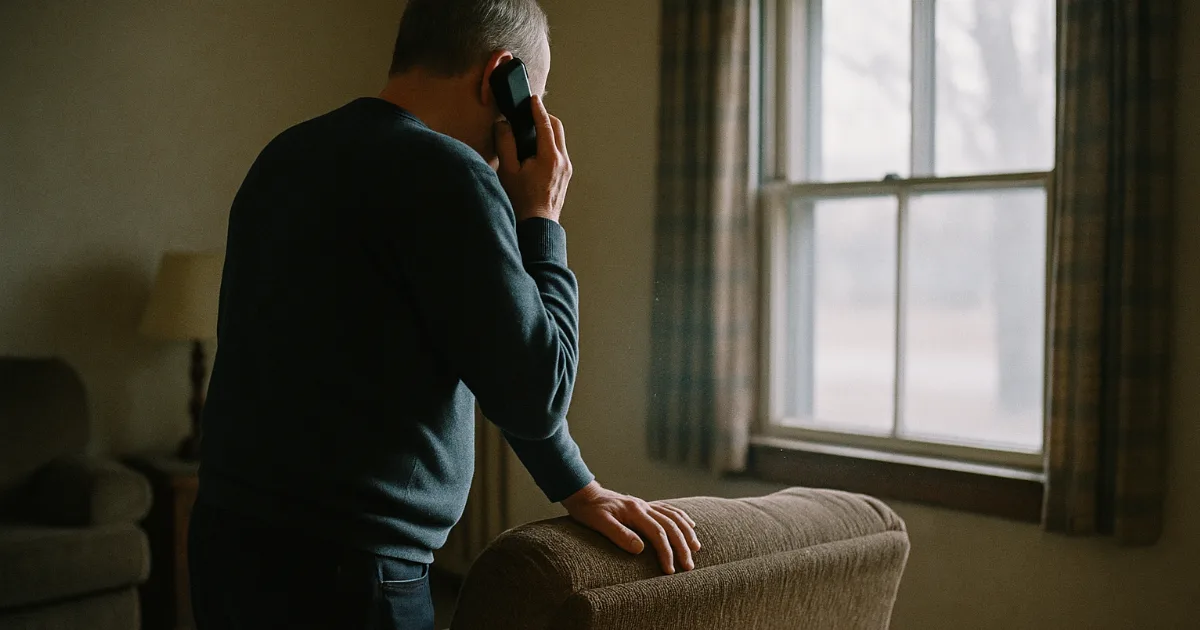


SAN FRANCISCO, CA — The envelope sat on the kitchen table for three days before Maria Sandoval opened it. Her husband, a retired pipe insulator from Stockton who had worked California's oil refineries for nearly three decades, had been dead for eight months. The letter was from a San Francisco jury: $14.2 million, awarded to her family after a two-week trial against a major industrial insulation manufacturer. Maria had expected something. She hadn't expected that.
Her story is not an outlier in 2026. Across California's asbestos dockets, from Los Angeles Superior Court to San Francisco's complex litigation departments, juries are delivering verdicts that send an unmistakable message to corporations that knew about asbestos dangers and said nothing. The legal landscape for asbestos victims in California has shifted decisively, and the numbers prove it.
What's Driving the Surge in California Mesothelioma Verdicts?
California mesothelioma verdicts have risen sharply over the past two years, driven by a combination of increasingly sympathetic juries, expanded discovery rules that expose decades-old corporate cover-ups, and a growing body of internal company documents showing executives knew about asbestos toxicity long before the public did. According to coverage from Law.com's analysis of California asbestos litigation, notable verdicts and settlements in the state have consistently outpaced national averages, with multi-million dollar awards becoming standard rather than exceptional in well-prepared cases.
The mechanics behind this shift are worth understanding. California's courts have long been considered plaintiff-friendly territory in asbestos litigation, but what's changed recently is the quality of evidence reaching juries. Attorneys are now introducing internal memoranda from the 1950s, 1960s, and 1970s showing that asbestos manufacturers conducted their own toxicology studies, confirmed the lethal nature of their products, and then buried those findings. When a jury in Los Angeles sees a 1963 internal memo from an insulation company explicitly noting that workers exposed to their product were developing lung disease, the verdict math changes entirely.
California Code of Civil Procedure Section 340.2 governs the statute of limitations for asbestos injury claims in the state. Under this provision, plaintiffs generally have one year from the date they discovered, or reasonably should have discovered, that their injury was caused by asbestos exposure. This discovery rule is critical because mesothelioma typically doesn't appear until 20 to 50 years after initial asbestos exposure, meaning workers exposed in the 1970s are only now receiving diagnoses. The timing creates a narrow but navigable legal window, and California courts have been consistent in interpreting that window generously for plaintiffs.
According to Bloomberg's asbestos legal coverage, the number of active asbestos cases in California courts has remained elevated even as national filings have fluctuated, reflecting both the state's large industrial workforce history and its relatively plaintiff-accessible legal framework.
Why These Verdicts Matter Beyond the Dollar Amounts
For families navigating a mesothelioma diagnosis, a jury verdict is rarely just about money. It's about acknowledgment. It's about a formal, public record that says: a company knew, and a company chose profit over your father's life.
In my experience representing mesothelioma families, the clients who pursue trial rather than settling are often motivated by something beyond compensation. They want a jury of their peers to hear the evidence, weigh it, and render a judgment. When that judgment comes back in the millions, it validates not just the financial loss but the full weight of what was taken from them.
The ripple effects of large California verdicts extend far beyond individual families. When a jury awards $14 million or $22 million against a specific manufacturer, that verdict enters the calculus of every future settlement negotiation involving that same defendant. Defense attorneys know what juries in California will do with strong evidence. That knowledge pushes settlement offers higher across the board, benefiting families who never set foot in a courtroom.
According to Reuters' litigation coverage, asbestos defendants have increasingly moved toward early settlement in California precisely because of the unpredictability of jury awards in the state. For patients and families trying to understand their options, this dynamic means that even filing a lawsuit, without ever going to trial, can produce substantial compensation if the underlying evidence is strong.
What the courts have consistently recognized is that the harm from asbestos exposure is not abstract. Mesothelioma is a disease that strips people of years, of independence, of the ability to watch grandchildren grow up. California juries have internalized that reality in ways that translate directly into verdict amounts.
The Corporate Cover-Up Evidence That's Changing Everything
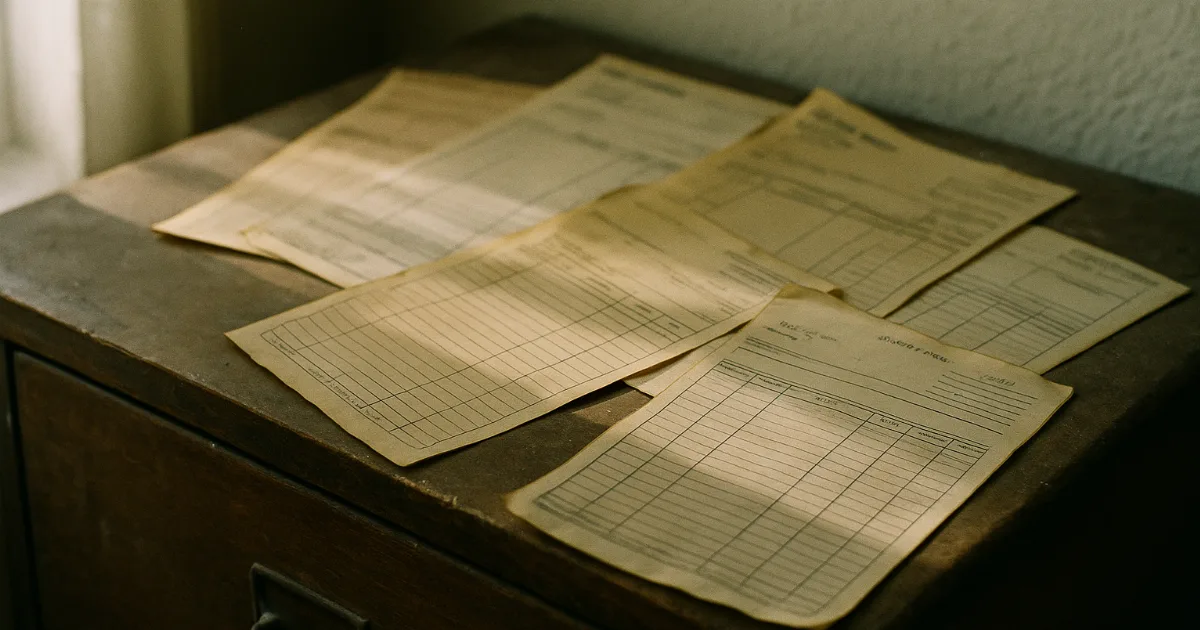
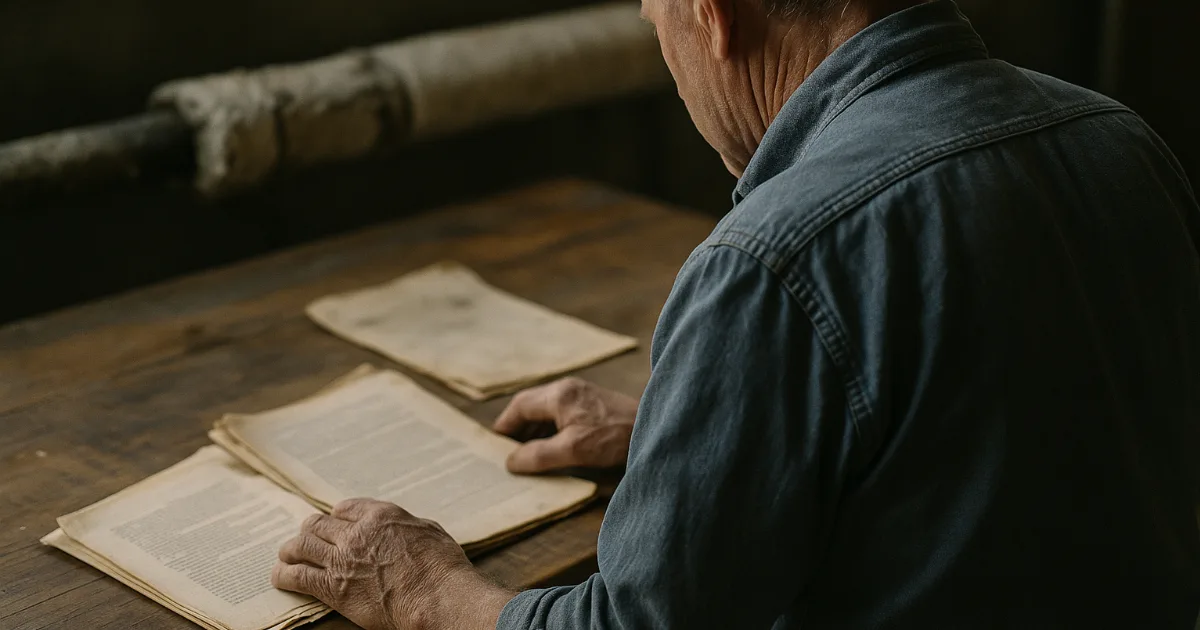
The most powerful weapon in a California mesothelioma trial isn't medical testimony. It's paper.
Consider what happened in a 2024 Los Angeles Superior Court trial involving a shipyard worker's family. The plaintiff's attorneys introduced a series of internal documents from a major asbestos product manufacturer showing that company scientists had studied the health effects of asbestos fiber inhalation as early as 1952, produced reports confirming a causal link to lung disease, and then classified those reports as confidential. The jury awarded $18.7 million. The punitive damages component alone, intended to punish the defendant's conduct rather than compensate the plaintiff, exceeded $7 million.
This pattern of document-based evidence has become the cornerstone of high-value California asbestos trials. According to the RAND Corporation's comprehensive overview of asbestos bankruptcy trusts, dozens of major asbestos manufacturers have already been driven into bankruptcy by the cumulative weight of litigation, but successor companies and peripheral defendants remain in the active court system. The documents those bankrupt companies generated decades ago are now part of the public record, available to plaintiffs' attorneys in current cases against related entities.
For veterans, the evidence landscape is particularly rich. The U.S. military used asbestos extensively in shipbuilding, construction, and equipment manufacturing from the 1940s through the 1970s. Veterans who served during those decades and later developed mesothelioma have access to service records, military procurement documents, and contractor specifications that can establish both exposure and corporate knowledge in ways that civilian cases sometimes cannot. California, home to major naval installations at San Diego and the San Francisco Bay Area, has seen a significant number of veteran-plaintiff mesothelioma trials.
The LexisNexis asbestos litigation insights database has tracked a consistent pattern: cases with documentary evidence of corporate knowledge of asbestos hazards produce verdict amounts roughly 40 to 60 percent higher than cases relying primarily on exposure evidence alone. That gap reflects what juries do when they see proof of deliberate concealment. It's not just compensation anymore. It becomes punishment.
For families trying to understand whether their loved one's case has this kind of evidence, the answer often lies in identifying the specific manufacturers of the asbestos-containing products involved. An experienced mesothelioma attorney can trace product lineage, locate relevant corporate documents, and determine which defendants carry the most exposure liability. You can use our compensation estimator tool to get a preliminary sense of what a case might be worth before ever speaking with an attorney.
How California's Legal Framework Compares to Other States
Not every state gives mesothelioma families the same legal tools California does, and understanding those differences matters if you're deciding where and how to file.
North Carolina, for example, operates under a more restrictive framework. Under North Carolina General Statutes Section 1-52, the general statute of limitations for personal injury claims is three years, but asbestos cases have historically been subject to complex interpretations around when that clock starts running. North Carolina courts have not always applied the discovery rule as generously as California courts, which has created situations where families in that state lost the right to file before they fully understood what disease they were dealing with.
California's Section 340.2, by contrast, was specifically designed for asbestos injury cases and explicitly ties the limitations period to the plaintiff's discovery of both the injury and its asbestos cause. This distinction, seemingly technical, has enormous practical consequences. A retired electrician in Sacramento who received a mesothelioma diagnosis in January 2026 has a clear one-year window to file, running from the date his doctor confirmed the asbestos connection. His counterpart in a state with a stricter discovery framework might face a much more complicated calculation.
According to the National Law Review's litigation coverage, California's asbestos docket structure, which routes complex asbestos cases to specialized departments with judges experienced in the relevant science and law, also contributes to more predictable and often more favorable outcomes for plaintiffs. Judges who have presided over dozens of mesothelioma trials understand the medical causation arguments, the corporate document evidence, and the damages frameworks in ways that generalist judges sometimes don't.
For families weighing their options between a lawsuit and a trust fund claim, California's favorable trial environment is a genuine factor. Trust fund claims offer speed and certainty but typically produce lower total compensation than a successful trial verdict. In states with less plaintiff-friendly litigation environments, the trust fund route may be the more practical choice. In California, the math often favors pursuing litigation, particularly when the evidence of corporate knowledge is strong.
If the defendant company has gone bankrupt, claims against its asbestos trust can often be pursued simultaneously with litigation against solvent defendants, a strategy that maximizes total recovery without requiring a plaintiff to choose one path over the other.
What Should Patients and Families Do Next?
The gap between families who receive full compensation and families who receive a fraction of what they're owed almost always comes down to one variable: how quickly they engaged an experienced mesothelioma attorney and how thoroughly that attorney documented the exposure history.
Here is what the evidence consistently shows matters most in California mesothelioma cases. First, the exposure documentation. Every job site, every product, every employer where asbestos contact occurred needs to be identified and recorded. This process requires detailed interviews with the patient, with coworkers if they're available, with union records, with military service files if applicable. The more specific the exposure history, the more defendants can be named, and the more potential sources of compensation exist.
Second, timing. California's one-year statute of limitations under Section 340.2 is not forgiving. Families who wait, who spend months grieving before consulting an attorney, sometimes find that the clock has run. This is one of the most painful situations I encounter in practice: a family with a strong case, clear evidence, and real damages, but a filing deadline that has passed. The law does not make exceptions for grief.
Third, the choice of attorney matters more in mesothelioma cases than in almost any other area of personal injury law. These cases require specialized knowledge of industrial history, asbestos product manufacturing, medical causation, and corporate document litigation. A general personal injury attorney handling their first mesothelioma case is not the same as a firm that has taken dozens of these cases through verdict. The difference in outcomes reflects that experience gap.
For families navigating these questions, the first step is often just understanding what's possible. Speaking with a specialist, reviewing the exposure history, and getting a realistic assessment of what the legal options look like costs nothing and can change everything.
Veterans facing a mesothelioma diagnosis have an additional layer of options. VA benefits, including disability compensation and healthcare coverage, can be pursued alongside a civil lawsuit without affecting the lawsuit's outcome. The VA benefits eligibility tool can help veterans and their families understand what they may be entitled to before they even speak with an attorney.
The Defendants Who Are Still Fighting, and Why That Matters
Not every asbestos defendant has gone bankrupt. A significant number of corporations that manufactured, distributed, or installed asbestos-containing products remain solvent and actively defending cases in California courts. These defendants, which include some of the largest industrial and construction companies in American history, have legal teams dedicated exclusively to asbestos defense. They know the evidence, they know the arguments, and they know which cases are strong enough to push to trial.
That knowledge cuts both ways. When a solvent defendant with experienced defense counsel agrees to settle a case for $8 million before trial, it's because their own lawyers have assessed the evidence and concluded that a jury would likely award more. That dynamic, defense counsel essentially validating the plaintiff's case through their settlement offer, is one of the most important signals a family can receive about the strength of their claim.
According to Law360's asbestos litigation coverage, California defendants have increasingly used pre-trial motions to challenge causation evidence, particularly in cases involving lower-level or secondary asbestos exposure. These challenges, which argue that a plaintiff's exposure to a specific product was insufficient to cause their disease, have become a standard defense strategy. Experienced plaintiffs' attorneys anticipate these motions and prepare their medical causation evidence accordingly, often through industrial hygienists who can quantify exposure levels and pulmonologists who can testify about dose-response relationships.
For families whose loved one had asbestos-related lung cancer rather than mesothelioma, the legal framework is largely the same, but the causation argument requires additional work. Lung cancer has multiple potential causes, including smoking, which defendants routinely raise as an alternative explanation. Establishing that asbestos was a substantial contributing factor, even in a smoker, requires specific medical testimony about the synergistic relationship between asbestos and tobacco. California courts have well-developed precedent on this issue, and experienced attorneys know how to navigate it.
The Justia mesothelioma and asbestos law resource notes that California's comparative fault framework, which allows juries to apportion responsibility among multiple defendants, is particularly valuable in asbestos cases where a plaintiff was exposed to products from many different manufacturers over a long career. Rather than requiring a plaintiff to prove that a single defendant caused their disease, California law allows the jury to assign percentages of fault to each defendant, with each paying their proportionate share of the verdict.
The Long View: What 2026's Verdicts Signal for the Future
The record-high verdicts coming out of California in 2026 are not random. They reflect a deliberate evolution in how plaintiffs' attorneys are building and presenting these cases, how juries are responding to corporate misconduct evidence, and how the broader cultural conversation about corporate accountability has shifted.
For the families still living with the consequences of decisions made in boardrooms fifty years ago, that evolution matters. It means that a disease diagnosed today, caused by exposure that happened in 1972, can still produce accountability. It means that the companies that chose silence over warning labels, that chose profit over worker safety, are still being held responsible in courtrooms across California.
In my experience representing mesothelioma families, the most important thing I can tell someone who has just received this diagnosis, or who has just lost a family member to this disease, is that the legal system in California is genuinely designed to hear your case. The statutes, the courts, the evidentiary frameworks, the jury pools: all of it has evolved to take asbestos negligence seriously. The question is never whether the legal system can help. The question is whether you engage it in time.
For those who need to find a specialist, our mesothelioma doctor directory can help connect patients with the right medical team while legal options are being explored. Medical documentation and legal strategy work best when they develop in parallel, and the families who start both processes early consistently achieve better outcomes across both dimensions.
The envelope on Maria Sandoval's kitchen table sat unopened for three days because she was afraid of what it might say. What it said was that her husband's life, his decades of work, his suffering, and his death had been seen, measured, and answered by twelve strangers in a San Francisco courtroom. No verdict brings anyone back. But in a legal system that took this long to fully reckon with the asbestos industry's crimes, $14.2 million is a form of justice. And in California in 2026, that form of justice is becoming more available, more accessible, and more certain than at any point in the history of asbestos litigation.
Attorney Advertising. Past results do not guarantee future outcomes. Every case is unique. The verdicts and settlements described are not a guarantee of similar results. Every case is different.