


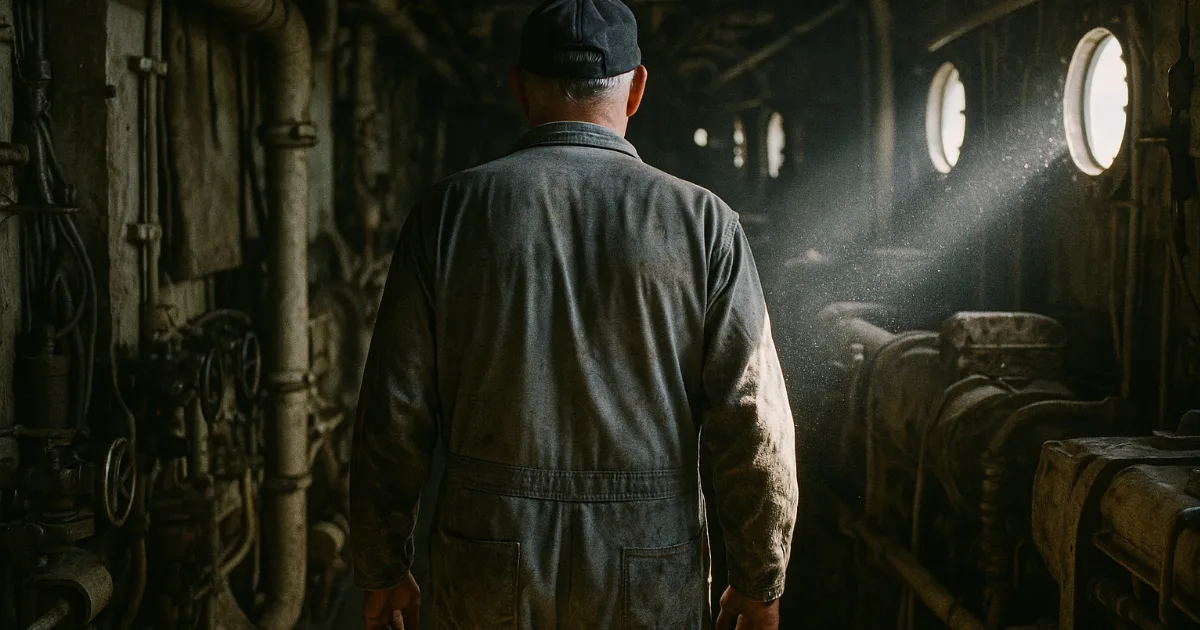
HONOLULU, HI — The retired machinist's mate had spent 24 years in the U.S. Navy, most of it below decks on vessels that docked at Pearl Harbor. He never thought twice about the gray dust that settled on his coveralls after a long shift in the engine room. He retired in 1991 with a commendation and a handshake. By 2024, he had a mesothelioma diagnosis and no idea that federal law gave him the right to sue the companies that made the insulation he'd breathed for two decades.
His daughter, a schoolteacher on Oahu, found a Hawaii mesothelioma lawyer through a referral from a veterans' service organization. Within 14 months, her father had received a settlement that covered his medical costs, compensated the family for his suffering, and held two asbestos product manufacturers financially accountable. His case is not unusual. It is, in fact, representative of a pattern that has played out across the islands for years, and that shows no sign of slowing as more veterans from the Cold War era reach their 70s and receive diagnoses that trace directly back to their military service.
Why Hawaii Has One of the Nation's Most Active Asbestos Dockets
Hawaii's outsized asbestos caseload is a direct consequence of geography and military history. The state is home to Pearl Harbor Naval Station, Hickam Air Force Base, and a constellation of shipyards, dry docks, and military maintenance facilities that were built and operated during the era when asbestos was the dominant insulation material in American industry. According to data tracked by asbestos litigation analysts at Law360, Hawaii courts have processed a disproportionately high volume of mesothelioma claims relative to the state's population, driven primarily by Navy veterans and shipyard workers who were exposed during the 1950s through the 1980s.
Asbestos was used extensively in naval vessels for insulation around pipes, boilers, gaskets, and bulkheads. Veterans who served in confined shipboard environments, particularly machinists, boilermakers, pipefitters, and electricians, faced some of the highest occupational asbestos exposures ever documented. The latency period for pleural mesothelioma, the most common form of the disease, typically ranges from 20 to 50 years, which means veterans who served in the 1960s and 1970s are only now receiving diagnoses in significant numbers.
Hawaii also has a uniquely high concentration of military retirees who stayed on the islands after their service ended, drawn by the climate and the strong local military community. That demographic reality has created a steady, painful stream of families seeking legal help as their loved ones receive terminal diagnoses.
What Makes Mesothelioma Cases in Hawaii Legally Distinct
Hawaii mesothelioma cases carry several legal characteristics that distinguish them from asbestos litigation in states like California or Texas, and understanding those distinctions is essential for any family considering a claim. The state's statute of limitations for personal injury claims, including mesothelioma, follows a discovery rule standard, meaning the clock begins when the patient knew or reasonably should have known that their illness was caused by asbestos exposure. For a disease with a 30-to-50-year latency period, this distinction is critical.
In my experience representing mesothelioma families, the statute of limitations question is almost always the first legal obstacle families encounter, and it's the one most likely to cause them to give up before they've even started. The discovery rule exists precisely because mesothelioma is not diagnosed at the moment of exposure. It emerges decades later, in a body that has long since left the worksite. Families who believe they've missed their window often haven't. You can use our statute of limitations tool to get a state-specific estimate of where your case may stand.
Hawaii cases also frequently involve multiple defendants across multiple jurisdictions. A veteran who served at Pearl Harbor may have been exposed to asbestos products manufactured by companies headquartered in California, Pennsylvania, or New Jersey. Those companies, or their successor corporations, may have filed for bankruptcy and established asbestos trust funds, which operate independently of the court system. According to the RAND Corporation's research on asbestos bankruptcy trusts, more than 60 such trusts have been established since the 1980s, holding an estimated $30 billion in assets designated for asbestos victims. A skilled Hawaii mesothelioma lawyer must know how to file trust claims simultaneously with civil litigation, maximizing the total recovery for a family.
The Naval Veteran Population: A Legal and Medical Priority
The intersection of military service and mesothelioma liability is nowhere more visible than in Hawaii. Veterans represent a significant portion of all mesothelioma diagnoses nationally, and in Hawaii, that proportion is even higher. The veterans section of this resource documents the specific ships, bases, and occupational roles most associated with asbestos exposure, and the data is striking. Navy veterans are diagnosed with mesothelioma at roughly twice the rate of the general population, according to research tracked by the National Cancer Institute.
For families navigating a veteran's mesothelioma diagnosis, the legal pathway runs on two parallel tracks. The first is VA benefits, which can provide disability compensation, healthcare coverage, and dependency and indemnity compensation for surviving family members. The second is civil litigation against the manufacturers and distributors of the asbestos products themselves. These two tracks are not mutually exclusive. A veteran can receive VA benefits and still pursue a lawsuit or trust fund claim against private companies. Our VA benefits eligibility tool helps families understand what they may qualify for before they ever speak to an attorney.
What the courts have consistently recognized is that the U.S. government's use of asbestos in military vessels does not shield private manufacturers from liability. The companies that made and sold asbestos insulation, gaskets, and fireproofing materials knew, or had reason to know, about the health dangers of their products decades before they were removed from the market. That knowledge, documented in internal corporate memos and industry studies going back to the 1930s and 1940s, forms the evidentiary backbone of virtually every successful mesothelioma lawsuit.
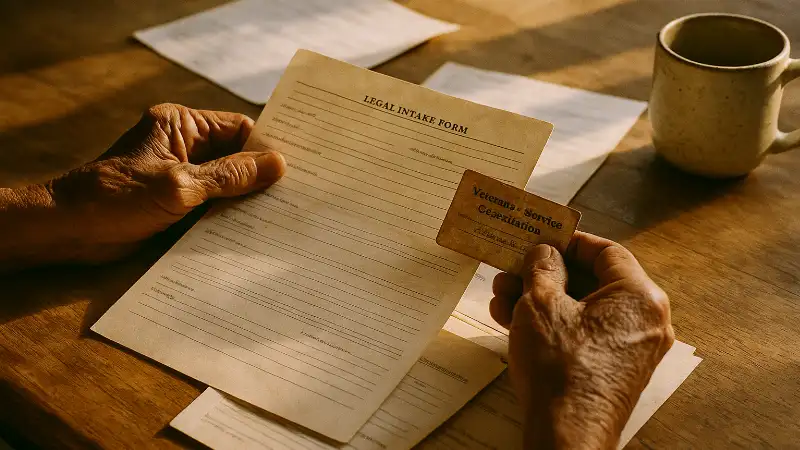
!Hands hold legal documents and referral card at kitchen table in morning light
What a Hawaii Mesothelioma Lawsuit Actually Looks Like
For most families, the legal process is an unknown quantity. They've never filed a lawsuit. They don't know how long it takes, what it costs, or what they'll have to do. The reality is more manageable than most people fear, particularly because nearly every mesothelioma attorney in this field works on a contingency basis, meaning no fees are charged unless the case recovers compensation.
A typical Hawaii mesothelioma case begins with a detailed intake process. The attorney and their team gather the patient's complete work and military history, identifying every location where asbestos exposure may have occurred. They request medical records, pathology reports, and imaging studies. They interview the patient, often in their home or hospital room, to document exposure in the patient's own words. This process, while thorough, is designed to be as non-intrusive as possible for someone who is managing a serious illness.
Once the exposure history is established, the legal team identifies the responsible parties. This typically includes manufacturers of asbestos-containing products, distributors, and in some cases property owners or employers who failed to provide adequate warnings or protective equipment. According to coverage tracked by Bloomberg's asbestos legal reporters, some of the largest verdicts in recent years have come from cases where internal company documents showed that executives had been warned about asbestos health risks and chose to suppress that information.
Settlements in mesothelioma cases vary widely based on the extent of exposure, the number of responsible defendants, the patient's age and life expectancy, and the jurisdiction. Cases involving verified naval exposure at Pearl Harbor or other Hawaii military installations have historically produced strong outcomes, in part because the exposure documentation is well-established through military service records. According to litigation data tracked by the National Law Review, mesothelioma settlements and verdicts in the Pacific region have ranged from several hundred thousand dollars to well over $2 million depending on case specifics.
Families who have lost a loved one to mesothelioma before filing a lawsuit can still pursue a wrongful death claim. The statute of limitations for wrongful death actions in Hawaii is separate from the personal injury deadline, and families have pursued successful claims even after a patient's passing. The patients and families resource page provides a detailed overview of the legal options available to surviving family members.
Finding the Right Hawaii Mesothelioma Lawyer: What Families Should Ask
Not every personal injury attorney is equipped to handle mesothelioma litigation. This is a highly specialized field that requires deep familiarity with asbestos product databases, industrial exposure history, naval vessel records, and the trust fund filing system. Families in Hawaii deserve attorneys who have actually tried asbestos cases, not just settled them quietly.
The legal landscape for asbestos victims has evolved significantly over the past two decades, and the attorneys who serve this community best are those who have kept pace with those changes. Trust fund claim procedures have become more complex. Product identification databases have expanded. Expert witness requirements have tightened in some jurisdictions. A lawyer who handled asbestos cases 20 years ago but hasn't stayed current may not be the best advocate for a family navigating the system today.
When evaluating a Hawaii mesothelioma lawyer, families should ask directly: How many mesothelioma cases have you resolved in the last three years? Do you have experience with naval exposure cases specifically? Can you pursue both trust fund claims and civil litigation simultaneously? How will you keep us informed throughout the process? The answers to those questions will tell you a great deal about whether the attorney is truly prepared for this kind of case.
Hawaii families also have access to mesothelioma specialists through the treatment centers directory and the locations resource page, which identifies oncology programs with mesothelioma-specific expertise in the Pacific region. Coordinating legal and medical care simultaneously is not just practical. It's essential, because a patient's treatment decisions and prognosis directly inform the legal strategy and the valuation of a claim.
Treatment Access in Hawaii and Its Legal Implications
Mesothelioma treatment has advanced considerably in recent years. The combination of surgery, chemotherapy, and immunotherapy has extended survival for some patients well beyond the historical median of 12 to 18 months. For Hawaii patients, access to cutting-edge treatment can require travel to major cancer centers on the mainland, a reality that carries both medical and financial implications.
The costs of that travel, including airfare, lodging, and time away from work for family caregivers, are recoverable damages in a mesothelioma lawsuit. Families who are managing both a diagnosis and the logistical burden of mainland treatment often underestimate how much of that financial strain can be addressed through legal compensation. Standard treatment protocols, including chemotherapy regimens and surgical options, are documented in detail for patients who want to understand how their treatment choices may intersect with their legal case.
For families weighing treatment options alongside a legal claim, the treatment comparison resource offers a structured overview of the approaches most commonly used for pleural mesothelioma, along with their associated costs and recovery timelines. The answers section on treatment provides a question-and-answer format that many families find accessible during what is often an overwhelming period.
What Should Hawaii Families Do Right Now
A mesothelioma diagnosis creates an immediate and competing set of demands: medical appointments, insurance questions, family conversations, and, eventually, legal decisions. The pace can feel paralyzing. But the legal clock is real, and the families who act within the first few months of a diagnosis consistently have more options than those who wait.
The first practical step is documentation. Gather every military service record, employment record, and medical record you can locate. Write down every job, every worksite, and every product your loved one remembers working with. These details, captured while memory is fresh, form the foundation of a strong case.
The second step is a consultation with a mesothelioma attorney who has specific experience with Hawaii cases and naval exposure history. Most reputable firms offer free consultations and will give you an honest assessment of your case's strength and likely timeline before you commit to anything.
The third step is connecting with a medical team that specializes in mesothelioma. Legal outcomes and medical outcomes are intertwined. A patient who is receiving aggressive treatment from a specialist is both fighting for their life and building a medical record that supports a stronger legal claim.
In my experience representing mesothelioma families, the cases that produce the best outcomes, financially and emotionally, are the ones where families moved quickly, stayed organized, and worked with legal and medical teams who truly understood what they were dealing with. Hawaii families face unique geographic challenges, but the legal rights available to them are the same as those available to any asbestos victim in America. And those rights are worth fighting for.

Frequently Asked Questions
Q: How long do Hawaii mesothelioma families have to file a lawsuit?
Hawaii follows a discovery rule for the statute of limitations in personal injury cases, meaning the clock begins when the patient knew or should have known that their illness was linked to asbestos exposure. This is particularly significant for mesothelioma, given its long latency period. Families should consult with an attorney promptly after diagnosis to ensure they don't miss applicable deadlines.
Q: Can a Hawaii veteran file both VA benefits and a civil lawsuit?
Yes. VA benefits and civil litigation are separate legal pathways and are not mutually exclusive. A veteran diagnosed with mesothelioma can file for VA disability compensation and dependency and indemnity compensation while simultaneously pursuing a lawsuit or asbestos trust fund claim against the private manufacturers of the asbestos products involved. According to the RAND Corporation's research on asbestos trusts, over 60 bankruptcy trusts have been established to compensate victims.
Q: What is an asbestos bankruptcy trust and how does it affect Hawaii cases?
Many companies that manufactured or distributed asbestos products have filed for bankruptcy and established trust funds specifically to compensate victims. According to the RAND Corporation's overview of asbestos bankruptcy trusts, these funds collectively hold an estimated $30 billion in assets. Hawaii families can file trust claims in addition to civil lawsuits, often recovering compensation from multiple sources simultaneously.
Q: What occupations at Pearl Harbor carried the highest asbestos exposure risk?
Naval personnel in roles involving direct contact with insulation materials faced the highest risk. This includes machinists, boilermakers, pipefitters, electricians, and shipyard workers who worked in engine rooms, boiler rooms, and on pipe systems. These environments concentrated asbestos dust in enclosed spaces with limited ventilation, creating exposure levels that far exceeded what would be considered safe by modern standards.
Q: How much does it cost to hire a Hawaii mesothelioma attorney?
Nearly all mesothelioma attorneys work on a contingency fee basis, meaning families pay nothing unless the case results in a settlement or verdict. The attorney's fee is taken as a percentage of the recovery, typically in the range of 33 to 40 percent depending on the complexity of the case and whether it goes to trial. There are no upfront costs for consultations or case investigation.
Q: Can a wrongful death claim be filed if a mesothelioma patient has already passed away?
Yes. In Hawaii, surviving family members can file a wrongful death claim even after the patient has died. The statute of limitations for wrongful death is calculated separately from the personal injury deadline. Families who lost a loved one to mesothelioma without ever filing a lawsuit may still have valid claims. An attorney with experience in Hawaii asbestos cases can evaluate the specific circumstances and timeline.
Q: What damages can be recovered in a Hawaii mesothelioma lawsuit?
Damages in mesothelioma cases typically include medical expenses, lost income, pain and suffering, loss of consortium for spouses, and in some cases punitive damages when evidence shows that a manufacturer knowingly concealed asbestos health risks. Travel costs for treatment on the mainland, which many Hawaii patients face, can also be included as recoverable economic damages. According to litigation data tracked by the National Law Review, recoveries in Pacific region cases have ranged from several hundred thousand dollars to over $2 million.
Attorney Advertising. Past results do not guarantee future outcomes. Every case is unique. The verdicts and settlements described are not a guarantee of similar results. Every case is different.

Comments (4)
— Paul Danziger
— Paul Danziger