


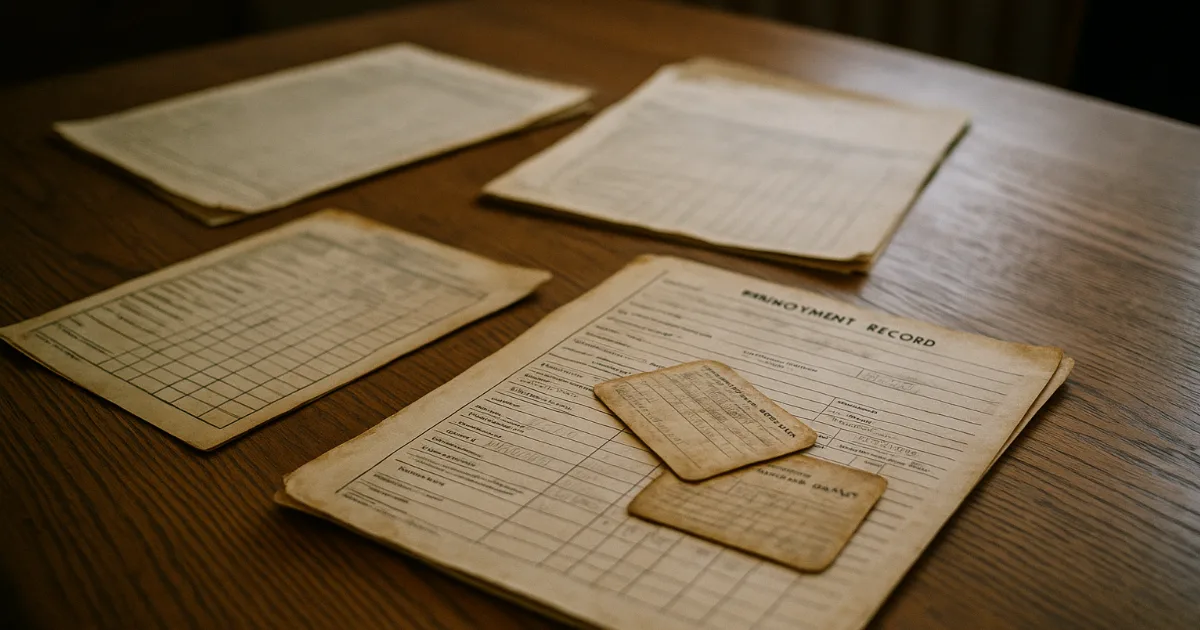
CHICAGO, IL — The diagnosis came six weeks after a retired ironworker from Joliet noticed he couldn't climb a flight of stairs without stopping halfway. By the time the biopsy confirmed pleural mesothelioma, his attorney had already begun tracing 34 years of jobsite exposure records back through three Illinois counties.
His case is not unusual. Illinois has quietly become one of the most consequential states in American asbestos litigation, not because the law is more generous there, but because the courts move, the juries understand industrial history, and the defendants who built the state's steel mills, shipyards, and power plants left long paper trails. For families navigating a mesothelioma diagnosis in 2026, understanding what Illinois courts have delivered, and what they can still deliver, matters enormously.
What Makes Illinois One of the Country's Most Active Asbestos Litigation States?
Illinois mesothelioma cases are concentrated in two jurisdictions: Cook County, which includes Chicago and its industrial suburbs, and Madison County, a small jurisdiction across the river from St. Louis that has become one of the most prolific asbestos dockets in the United States. According to data tracked by legal publications including Law360, Madison County alone has handled thousands of asbestos filings annually for more than two decades, drawing cases from plaintiffs across the country who meet venue requirements.
The reason those dockets are so active comes down to industrial geography. Illinois was the backbone of American manufacturing for much of the twentieth century. The steel mills of Gary and East Chicago, the refineries along the Calumet River, the power generation facilities ringing Lake Michigan, the shipyards at the Navy Pier complex — all of them relied heavily on asbestos insulation, asbestos gaskets, and asbestos-containing equipment well into the 1980s. Workers who spent careers in those environments often carried asbestos fibers home on their clothing, creating secondary exposure risks for spouses and children who never set foot on a worksite.
According to the American Bar Association's Tort Trial and Insurance Practice Section, Illinois courts have developed sophisticated procedural frameworks for managing asbestos mass tort litigation, including case management orders that allow plaintiffs to move efficiently without sacrificing their right to individual trials. That infrastructure matters. A case that might take five years to reach a jury in a less-prepared jurisdiction can sometimes reach resolution in Illinois within 18 to 24 months.
The legal landscape for asbestos victims in Illinois is also shaped by a discovery rule that has been favorable to late-diagnosed patients. Unlike states with rigid statutes of limitations measured from the date of exposure, Illinois calculates the filing window from the date a plaintiff knew or reasonably should have known they had an asbestos-related disease. For a mesothelioma patient whose cancer emerged 40 years after their last exposure, that distinction can be the difference between a valid claim and a barred one.
Why Verdict Size in Illinois Should Matter to Every Mesothelioma Family
The numbers coming out of Illinois courtrooms have been significant. Verdicts in mesothelioma cases involving industrial exposure have regularly reached into the seven and eight-figure range, with juries in both Cook County and Madison County demonstrating willingness to award substantial punitive damages when evidence shows that defendant companies knew about asbestos hazards and concealed them from workers.
In my experience representing mesothelioma families, the cases that produce the largest verdicts share a common thread: documentary evidence that the defendant knew the product was dangerous. Illinois juries respond viscerally to internal memos, safety studies, and corporate correspondence showing that a company understood the risk and chose profit over disclosure. Those documents exist in abundance. The asbestos industry's internal awareness of health hazards dates to the 1930s, and decades of litigation have surfaced thousands of pages of that evidence.
According to Bloomberg's asbestos legal coverage, large Illinois verdicts have also driven significant pre-trial settlement activity. Defendants facing a Madison County jury with strong documentary evidence frequently choose to settle rather than risk an award that could include punitive damages. For families, this means that filing in Illinois, with the right legal representation, often produces resolution without ever reaching a courtroom.
What the courts have consistently recognized in Illinois is that mesothelioma is almost exclusively caused by asbestos exposure, and that the companies who manufactured, distributed, and installed asbestos products bear legal responsibility for failing to warn the workers who used them. That recognition has translated into a body of case law that makes Illinois one of the more favorable jurisdictions for mesothelioma plaintiffs in the country.
"Illinois juries understand industrial work. They understand that a man who spent thirty years insulating pipes deserved to know what he was breathing. When the evidence shows a company knew and said nothing, those juries respond accordingly."
— Paul Danziger, Managing Partner
How Illinois Asbestos Cases Actually Work: From Diagnosis to Resolution
Picture a retired electrician from Waukegan who spent 27 years running conduit through industrial facilities. His employer never mentioned asbestos. The pipe insulation he worked around every day was wrapped in it. Three months after his diagnosis, he's sitting across from an attorney who is explaining that his case could potentially involve a dozen or more defendants, each of whom supplied a different asbestos-containing product to the facilities where he worked.
That scenario captures the complexity that makes choosing an experienced Illinois mesothelioma attorney so consequential. Most mesothelioma cases involve multiple defendants. The plaintiff's legal team must identify every company whose product contributed to the exposure, reconstruct decades-old jobsite records, and build individual cases against each defendant. Some of those companies still exist and face litigation directly. Others have gone bankrupt and established asbestos trust funds that compensate victims outside the court system.
According to Reuters litigation coverage, the dual-track nature of mesothelioma compensation, where a single case can generate both trust fund claims and active litigation simultaneously, requires attorneys who understand both systems and can maximize recovery across all available sources. An attorney who handles only trust fund claims may leave significant litigation value on the table. An attorney who focuses only on courtroom cases may miss trust fund distributions that could add hundreds of thousands of dollars to a family's total recovery.
The Illinois litigation timeline typically begins with a comprehensive exposure investigation. Attorneys work with occupational historians, industrial hygienists, and former coworkers to build a detailed map of where, when, and how exposure occurred. That investigation then drives defendant identification, a process that can surface companies a plaintiff never knew they had claims against. According to Justia's mesothelioma and asbestos law resources, plaintiffs in Illinois mesothelioma cases frequently name 20 to 40 defendants in initial filings, with that number narrowing as cases develop through discovery.
For families trying to understand what their case might be worth, the compensation estimator tool at Mesothelioma-Lung-Cancer.org provides a useful starting framework, though actual outcomes depend heavily on exposure history, disease stage, and jurisdiction-specific factors that an attorney can assess directly.
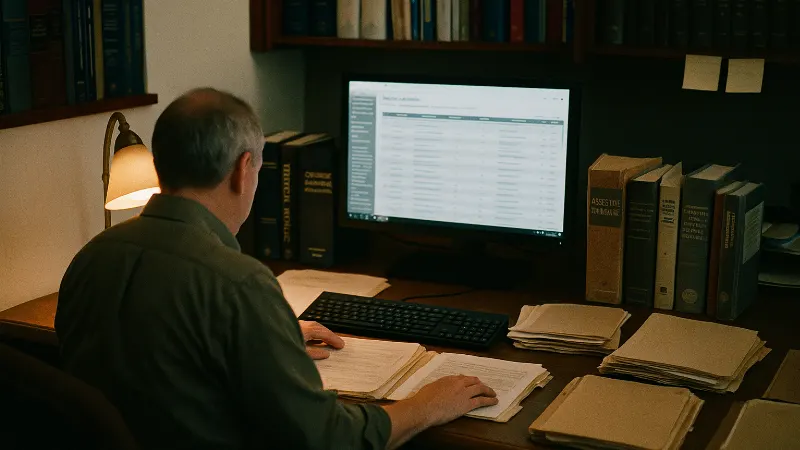
!Occupational historian consults product database surrounded by asbestos reference materials
What Separates an Illinois Mesothelioma Specialist From a General Personal Injury Attorney?
Not all asbestos attorneys are created equal, and the difference matters more in mesothelioma cases than in almost any other area of personal injury law. The product identification work alone, tracing specific asbestos-containing products to specific worksites across multiple decades, requires databases, expert networks, and institutional knowledge that generalist firms simply don't have.
Specialized Illinois mesothelioma attorneys maintain relationships with industrial hygienists who can testify about exposure levels, pathologists who specialize in asbestos-related disease, and occupational historians who have spent careers reconstructing what specific worksites looked like in 1965 or 1978. They have access to product identification databases built from decades of prior litigation. They know which defendants have settled aggressively in the past and which ones prefer to fight. That institutional knowledge translates directly into case outcomes.
According to the National Law Review's litigation coverage, the trend in mesothelioma litigation has moved toward increasingly specialized plaintiff firms that handle asbestos cases exclusively. That specialization has widened the gap between what those firms can recover and what a generalist personal injury attorney can achieve for the same client.
For families researching their options, the mesothelioma doctor directory at Mesothelioma-Lung-Cancer.org can help identify specialists who understand the medical side of the case, while the legal team handles the liability analysis. The two work in parallel: a strong medical record, documenting the diagnosis, the prognosis, and the causal connection to asbestos exposure, is the foundation of every mesothelioma lawsuit.
Families navigating these decisions often find the families resource guide helpful for understanding what to expect from the legal process at each stage, from initial consultation through resolution.
What Should Illinois Mesothelioma Families Do Right Now?
The most important thing a newly diagnosed patient or surviving family member can do is act quickly, not because the law requires panic, but because evidence degrades. Former coworkers who could testify about worksite conditions get harder to locate with each passing year. Corporate records that haven't been preserved in litigation can disappear. The jobsite itself may have been demolished or remediated. Every month of delay is a month in which the evidentiary foundation of a potential case becomes more difficult to build.
Illinois's discovery rule gives mesothelioma patients meaningful time to file, generally two years from the date of diagnosis or the date a patient reasonably knew their illness was asbestos-related. But that window is not unlimited, and exceptions are narrow. Families who lose a loved one to mesothelioma have a separate window to file wrongful death claims, but that clock runs independently and can expire even if the underlying personal injury case was never filed.
For patients still in active treatment, it's worth knowing that Illinois courts have developed expedited trial procedures for mesothelioma plaintiffs with terminal diagnoses. Under these preference procedures, cases can be advanced on the trial calendar to ensure that a plaintiff who may not survive to see a normal trial timeline can still have their day in court. An experienced Illinois mesothelioma attorney will know how to invoke those procedures and when.
Understanding asbestos exposure history is central to every case. Families should begin gathering whatever employment records, union cards, pay stubs, or Social Security earnings statements they can locate. These documents help attorneys identify worksites and employers, which then drives the exposure investigation. Even fragmentary records can provide the starting point for a much more comprehensive reconstruction.
For families trying to understand the difference between a lawsuit and a trust fund claim, and when each is appropriate, the lawsuit vs. trust fund comparison guide walks through the key distinctions in plain language. Many Illinois families end up pursuing both simultaneously, and understanding how those tracks interact is essential to maximizing total recovery.
The compensation overview at Mesothelioma-Lung-Cancer.org provides broader context about what mesothelioma families can expect to recover, including the factors that push settlements and verdicts toward higher or lower ranges.
The Human Cost Behind the Verdicts
Legal coverage of mesothelioma litigation tends to focus on numbers: verdict amounts, settlement figures, trust fund distributions. Those numbers matter, and they matter enormously to families facing medical bills, lost income, and an uncertain future. But behind every docket number in a Cook County or Madison County courthouse is a person who spent a career doing honest work and was never told that work might kill them.
The ironworker from Joliet who opened this story eventually reached a resolution through a combination of trust fund claims and a negotiated settlement with two active defendants. The process took fourteen months. The outcome provided financial security for his family at a moment when everything else felt uncertain. His attorney described it as a case built entirely on records, on documents that proved what his client had been exposed to and who was responsible.
In my experience representing mesothelioma families, the families who fare best are the ones who move early, choose specialized counsel, and understand that the legal process, however daunting it appears from the outside, exists precisely to hold accountable the companies that chose silence over safety. Illinois courts have demonstrated, repeatedly, that they take that accountability seriously.
For families in Illinois facing a mesothelioma diagnosis in 2026, that history of accountability is not just a legal abstraction. It is a concrete, demonstrated pathway to justice, built case by case across decades of litigation in some of the country's most experienced asbestos courtrooms.

Frequently Asked Questions
How long do I have to file a mesothelioma lawsuit in Illinois?
In Illinois, mesothelioma patients generally have two years from the date of diagnosis, or from the date they reasonably knew their illness was asbestos-related, to file a personal injury lawsuit. Wrongful death claims filed by surviving family members operate on a separate timeline. Because these deadlines are strictly enforced, consulting with an Illinois mesothelioma attorney as soon as possible after diagnosis is critical. According to Justia's asbestos law resources, Illinois uses a discovery rule that is favorable to late-diagnosed patients.
What is the difference between a mesothelioma lawsuit and an asbestos trust fund claim in Illinois?
A mesothelioma lawsuit is filed against companies that are still operating and solvent, seeking compensation through the court system. An asbestos trust fund claim is filed against a trust established by a bankrupt company to compensate victims outside of litigation. Many Illinois mesothelioma cases involve both tracks simultaneously, since a patient may have been exposed to products from both bankrupt and solvent defendants. The two processes run in parallel and are not mutually exclusive. The comparison guide at Mesothelioma-Lung-Cancer.org explains the key distinctions.
Why are Madison County and Cook County significant for mesothelioma litigation?
Madison County, Illinois has been one of the most active asbestos litigation venues in the United States for more than two decades, handling thousands of asbestos filings annually. Cook County, which includes Chicago, is significant because of its large industrial workforce history and its experienced judiciary. According to Law360's asbestos litigation coverage, both jurisdictions have developed sophisticated case management procedures that allow mesothelioma cases to move efficiently through the court system.
Can a mesothelioma patient in Illinois get an expedited trial?
Yes. Illinois courts have developed preference procedures that allow mesothelioma patients with terminal diagnoses to have their cases advanced on the trial calendar. This ensures that a patient who may not survive a standard multi-year litigation timeline can still have their case heard. An experienced Illinois mesothelioma attorney will know how to invoke these procedures and when doing so is strategically appropriate given the patient's prognosis and the strength of the evidence.
How are Illinois mesothelioma settlements and verdicts calculated?
Illinois mesothelioma compensation is based on several factors including the severity of the diagnosis, the extent of documented asbestos exposure, the number and financial strength of the defendants, the plaintiff's age and lost earning capacity, and the availability of punitive damages when evidence shows corporate concealment of known hazards. According to Bloomberg's asbestos legal coverage, large Illinois verdicts have regularly driven significant pre-trial settlement activity, meaning many cases resolve before reaching a jury.
Do I need an Illinois-specific attorney, or can any mesothelioma attorney handle my case?
While some national mesothelioma firms practice in Illinois, local knowledge of Cook County and Madison County court procedures, local judges, and the specific industrial history of Illinois worksites provides a meaningful advantage. Attorneys who regularly try cases in those jurisdictions have established relationships with expert witnesses, understand local jury dynamics, and know which defendants have settled aggressively in Illinois courts in the past. According to the National Law Review, specialization in asbestos litigation has increasingly widened the gap in outcomes between specialist and generalist firms.
What evidence do I need for an Illinois mesothelioma case?
The foundational evidence in an Illinois mesothelioma case includes a confirmed diagnosis from a pathologist, documented employment and exposure history, and identification of the specific asbestos-containing products the plaintiff was exposed to. Employment records, union cards, Social Security earnings statements, and testimony from former coworkers all contribute to building the exposure narrative. Attorneys specializing in mesothelioma litigation maintain product identification databases and work with occupational historians to reconstruct exposure histories even when personal records are incomplete.
Attorney Advertising. Past results do not guarantee future outcomes. Every case is unique. The verdicts and settlements described are not a guarantee of similar results. Every case is different.


Comments (5)
— Paul Danziger