

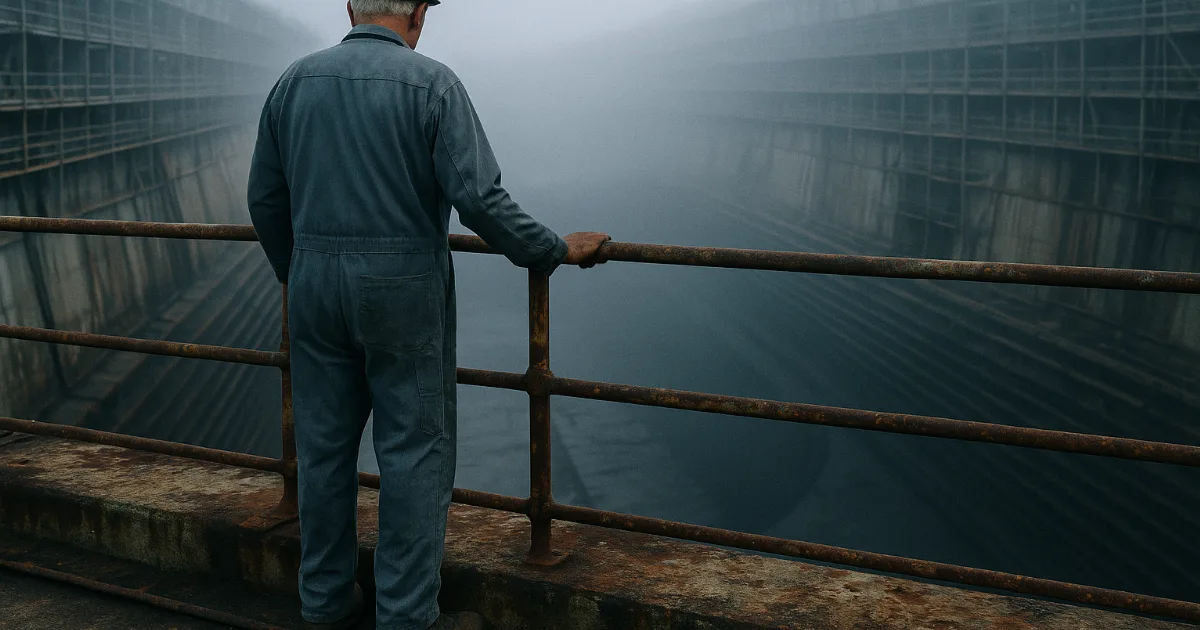
The call came on a Friday afternoon. A retired Pearl Harbor shipyard electrician, 71 years old, had just left his pulmonologist's office in Honolulu with a diagnosis that rewrote everything he thought he knew about his future. Malignant pleural mesothelioma. His wife of 44 years sat in the passenger seat, silent. Their daughter, who had driven them, was already searching her phone for answers.
What that family discovered over the next 72 hours is something mesothelioma lawyers in Hawaii encounter constantly: the state's geographic isolation, its deep military history, and its unique industrial past have created one of the most concentrated populations of asbestos-exposed workers in the country, yet many families don't know where to turn, what their rights are, or how much time they have to act. The legal landscape for asbestos victims in Hawaii is navigable, but only with the right guidance.
Why Hawaii Produces More Mesothelioma Cases Than Most People Expect
Hawaii's mesothelioma burden traces directly to two industries that defined the islands for most of the 20th century: the United States military and commercial shipping. Pearl Harbor Naval Shipyard, one of the largest and most active naval facilities in the Pacific, employed tens of thousands of civilian and military workers who were exposed to asbestos in virtually every corner of their work environment. Pipe insulation, boiler lagging, gaskets, deck underlayment, electrical panels — asbestos was woven into the infrastructure of every vessel that passed through those dry docks.
But the military wasn't the only source. Hawaii's commercial ports, power plants, sugar refineries, and construction industry all relied heavily on asbestos-containing materials through the 1970s. Workers who installed roofing, laid flooring, or repaired industrial boilers across Oahu, Maui, and the Big Island carried the same exposure risk as their counterparts on the mainland. The difference is that Hawaii's relative isolation meant fewer workers sought legal counsel outside the state, and many families were unaware that asbestos trust funds and civil litigation were even available to them.
According to research published by the RAND Corporation, more than 60 asbestos bankruptcy trusts have been established by former manufacturers and suppliers, collectively holding tens of billions of dollars designated specifically for victims like these Hawaiian workers. Many of those trusts were funded by companies whose products were used extensively at Pearl Harbor and in Hawaii's commercial infrastructure. Those funds remain available today, and families can use our trust fund checker to identify which trusts may apply to their specific exposure history.
What Hawaii's Legal System Means for Asbestos Plaintiffs
Hawaii does not have asbestos-specific civil procedure rules the way some larger states do, but its courts have handled mesothelioma and asbestos-related disease claims for decades. The state operates under a general personal injury statute of limitations framework, and for mesothelioma, the clock typically begins running at the time of diagnosis or at the point when a patient reasonably should have known their illness was caused by asbestos exposure. This is known as the discovery rule, and it's a critical protection for mesothelioma victims whose disease can take 20 to 50 years to manifest after initial exposure.
In my experience representing mesothelioma families, the statute of limitations is the single most misunderstood aspect of asbestos litigation. Families often assume they have years to decide whether to pursue a claim. In Hawaii, the window is typically two years from diagnosis. That sounds like enough time, but between medical treatment, grief, and the sheer complexity of identifying responsible defendants, that window closes faster than anyone expects.
For veterans specifically, the legal pathway splits into two distinct tracks. The first is VA disability benefits, which are separate from civil litigation and do not require proving fault against a specific company. The second is civil litigation or trust fund claims against the manufacturers and suppliers whose products caused the exposure. These two tracks are not mutually exclusive. A Navy veteran diagnosed with mesothelioma can simultaneously pursue VA compensation and file civil claims against asbestos companies. Families can explore both pathways using our VA benefits eligibility tool.
What the courts have consistently recognized is that military service members and civilian shipyard workers were not warned about the dangers of asbestos despite manufacturers knowing about those dangers for decades. That knowledge gap, and the corporate decision to conceal it, forms the legal foundation of virtually every mesothelioma lawsuit filed today.
The Pearl Harbor Factor: Why Veterans' Claims Are Different
Consider a scenario that plays out with painful regularity in Hawaii. A 68-year-old retired Navy machinist from Kaneohe is diagnosed with peritoneal mesothelioma. He served aboard two destroyers in the 1970s and spent an additional decade as a civilian contractor at Pearl Harbor. His asbestos exposure came from multiple sources across multiple decades. Identifying the responsible defendants in a case like this requires the kind of forensic investigation that experienced mesothelioma attorneys have spent careers developing.
Navy veterans face a particularly complex legal environment because the federal government itself cannot be sued for asbestos exposure under the doctrine of sovereign immunity. However, the private manufacturers who supplied asbestos-containing products to the Navy can be and regularly are held liable. Companies like Johns Manville, Owens Corning, Combustion Engineering, and dozens of others supplied insulation, gaskets, and other asbestos products to the Navy knowing the risks. Many of those companies have since gone bankrupt and established the trust funds that RAND's research documented. Others remain solvent and continue to face civil litigation.
For veterans whose exposure occurred primarily during military service, the VA disability benefits pathway can provide monthly compensation, healthcare coverage, and dependency and indemnity compensation for surviving spouses. The VA recognizes mesothelioma as a service-connected disability for veterans with documented asbestos exposure during service, and the claims process, while complex, is well-established. A specialized mesothelioma attorney can help coordinate both the VA claim and any civil litigation to maximize total compensation.
According to Bloomberg's asbestos legal coverage, settlements in Navy veteran mesothelioma cases have ranged from several hundred thousand dollars to multiple millions, depending on the number of responsible defendants, the severity of the disease, and the jurisdiction in which the case is filed. Hawaii cases have produced significant verdicts, and the state's courts have shown willingness to hold asbestos manufacturers accountable.
!Elderly hands examine legal documents and medical letters on kitchen table
How Hawaii Mesothelioma Lawyers Build a Case
Building a mesothelioma case in Hawaii starts with exposure history, and this is where a skilled attorney earns their value before a single document is filed. The process begins with a detailed occupational history interview, often conducted with both the patient and family members who can fill in gaps. Former co-workers, union records, military service records, and employment files from shipyards and industrial facilities become the evidentiary backbone of the case.
For Pearl Harbor workers, the Navy maintains detailed records of which ships were in port, which contractors performed which work, and which products were used in specific maintenance operations. Experienced mesothelioma attorneys have developed relationships with expert witnesses, including industrial hygienists and occupational medicine specialists, who can translate those records into a coherent exposure narrative for a jury or a trust fund administrator.
Once the exposure history is established, attorneys identify which defendants bear legal responsibility. In a typical Hawaii case involving a shipyard worker, this might mean filing trust fund claims against five to fifteen former asbestos manufacturers while simultaneously pursuing civil litigation against any solvent defendants. According to Law360's asbestos litigation coverage, multi-defendant asbestos cases have become the norm rather than the exception, and coordinating claims across multiple trusts and civil actions requires attorneys who specialize exclusively in this area of law.
The financial stakes are real. According to reporting by Reuters on asbestos litigation trends, mesothelioma cases consistently produce some of the highest average settlements in personal injury law, often ranging from $1 million to $2.4 million when all sources of compensation are combined. Cases that go to trial can produce significantly larger verdicts. For a family facing the financial devastation of a mesothelioma diagnosis, including lost income, medical costs that can reach hundreds of thousands of dollars, and end-of-life care expenses, these recoveries represent a form of justice that also provides practical security.
For patients and families navigating this process, the most important early step is preserving evidence. Medical records, employment records, union membership documentation, and any product information a worker can recall should be gathered and protected. Memories fade, witnesses become unavailable, and documents get lost. The earlier an attorney is engaged, the better the evidentiary foundation.

Choosing the Right Mesothelioma Lawyer in Hawaii
Not every personal injury attorney is equipped to handle a mesothelioma case, and this distinction matters enormously for Hawaiian families. Asbestos litigation is a specialized field with its own body of case law, its own network of expert witnesses, its own trust fund procedures, and its own database of historical product use. A general practice attorney who handles car accidents and slip-and-fall cases may be a fine lawyer but lacks the infrastructure to maximize a mesothelioma claim.
Families in Hawaii have two primary options. The first is retaining a Hawaii-licensed attorney who has developed a mesothelioma practice, often in partnership with national asbestos litigation firms that provide research support and expert witness networks. The second is working directly with a national mesothelioma law firm that is licensed or associated with counsel in Hawaii and has the resources to investigate exposure histories across multiple decades and jurisdictions.
In my experience representing mesothelioma families across the country, the most important qualities to look for are not geography but specialization, resources, and track record. An attorney who has handled hundreds of mesothelioma cases brings institutional knowledge that cannot be replicated. They know which trust funds are paying quickly and which are contested. They know which defendants have settled versus which are likely to go to trial. They know which expert witnesses are most credible to Hawaiian juries. That knowledge translates directly into better outcomes for families.
The American Bar Association's Tort Trial and Insurance Practice Section has long emphasized that asbestos litigation requires attorneys with specific expertise in product liability, toxic torts, and trust fund administration. Families should ask prospective attorneys directly: How many mesothelioma cases have you handled? What were the outcomes? Do you have relationships with trust fund administrators? Do you work with occupational medicine experts and industrial hygienists?
Most mesothelioma attorneys work on a contingency fee basis, meaning families pay nothing unless compensation is recovered. This structure makes experienced legal representation accessible to families regardless of their financial situation, which is particularly important given that a mesothelioma diagnosis often forces the primary earner to stop working immediately.
What Compensation Looks Like for Hawaiian Families
The compensation available to mesothelioma victims and their families in Hawaii comes from several distinct sources, and understanding the full landscape is essential to ensuring nothing is left on the table.
Trust fund claims represent the most predictable and often fastest source of compensation. According to the RAND Corporation's comprehensive analysis of asbestos bankruptcy trusts, these funds were specifically designed to provide compensation without the delays and uncertainty of litigation. Claims can sometimes be resolved within months, providing financial relief to families during treatment. Our trust fund directory provides a comprehensive listing of active trusts and their claim procedures.
Civil litigation against solvent defendants offers the potential for larger recoveries but involves greater uncertainty and longer timelines. Hawaii juries have historically been receptive to mesothelioma plaintiffs, particularly when the defendant is a large corporation that concealed known dangers from workers. Verdicts in Hawaii asbestos cases have reached into the millions, and even cases that settle before trial often do so for substantial amounts after litigation has established the strength of the plaintiff's case.
For veterans, VA disability benefits provide a separate stream of compensation that is not affected by civil litigation or trust fund recoveries. Monthly disability payments, healthcare benefits, and survivor benefits for spouses and dependents can provide long-term financial stability that complements any civil recovery. The VA benefits eligibility tool can help families understand what they may qualify for based on their specific service history.
Social Security Disability Insurance is another avenue worth exploring. Mesothelioma qualifies as a Compassionate Allowances condition, meaning the Social Security Administration expedites disability determinations for mesothelioma patients, often approving claims within weeks rather than months.
What the courts have consistently recognized is that mesothelioma victims deserve compensation from every source that contributed to their exposure, and a skilled attorney coordinates all of these pathways simultaneously to maximize total recovery while minimizing delays.
The Timeline Problem: Why Acting Quickly Matters
The urgency of mesothelioma litigation is not a marketing tactic. It reflects the medical reality of the disease and the legal reality of the statute of limitations. Mesothelioma has a median survival of 12 to 21 months from diagnosis, according to data from the National Cancer Institute. That window overlaps almost entirely with the legal deadline for filing claims. Patients who delay seeking legal counsel risk losing the ability to participate in their own cases, to provide testimony, and to help their attorneys build the strongest possible exposure narrative.
There is also the question of witnesses. Former co-workers who can testify about workplace conditions are aging. Memories fade. Documents that might be discoverable today may be lost or destroyed tomorrow. The earlier a legal team begins its investigation, the more complete the evidentiary record.
For families who have lost a loved one to mesothelioma without pursuing legal action during the patient's lifetime, wrongful death claims may still be available. The statute of limitations for wrongful death claims in Hawaii runs from the date of death, not the date of diagnosis, providing surviving family members a separate opportunity to seek justice. An experienced mesothelioma attorney can advise families on whether a wrongful death claim is viable and what compensation might be available.
Families can begin exploring their options and understanding their rights through our comprehensive resource for mesothelioma patients and families and our detailed answers to common questions at our mesothelioma answers hub.
Asbestos Exposure Sites Across Hawaii: A Legacy of Industrial Risk
Beyond Pearl Harbor, Hawaii's asbestos exposure history spans the entire archipelago. The Honolulu waterfront, including Pier 39 and the commercial shipping terminals, saw decades of cargo handling and ship repair work that involved asbestos-containing materials. The Kahe Point power plant on Oahu, operated by Hawaiian Electric, used asbestos insulation extensively in its turbines and steam systems. Construction workers who built hotels, hospitals, and government buildings across the islands during the postwar boom worked with asbestos-containing materials that were standard in the industry.
The sugar industry, once the economic backbone of Hawaii, operated massive processing facilities that used asbestos-insulated boilers and pipe systems. Workers at plantations on Maui, Kauai, and the Big Island were exposed to asbestos during routine maintenance and repair operations. Many of these workers were not Navy veterans and may not have considered themselves candidates for asbestos litigation, but their exposure was just as real and their legal rights just as strong.
Understanding the full scope of asbestos exposure in Hawaii is the first step toward identifying responsible defendants and building a successful claim. An experienced mesothelioma attorney will conduct a thorough site investigation, often working with industrial hygienists who specialize in reconstructing historical workplace conditions.
What Families Should Do Right Now
The family from Honolulu that started this story eventually connected with a mesothelioma attorney who had handled dozens of Pearl Harbor cases. Within three months, trust fund claims had been filed against eleven former asbestos manufacturers. A civil lawsuit was filed against two solvent defendants whose products were identified in the shipyard's maintenance records. The VA claim was submitted with supporting documentation from the patient's Navy service records. The family's financial future, which had seemed impossibly uncertain in the days after diagnosis, began to take shape.
That outcome is not guaranteed for every family, but it is achievable. The path starts with a single step: connecting with an attorney who specializes in mesothelioma and understands the specific legal landscape in Hawaii.
For families navigating this process, the most important actions are to gather every piece of documentation related to employment and military service, to write down every workplace location and every product the patient can recall working with, and to seek legal consultation as early as possible. Most mesothelioma attorneys offer free consultations, and the contingency fee structure means there is no financial barrier to getting started.
The legal landscape for asbestos victims in Hawaii is complex, but it is not impassable. Decades of litigation have established clear precedents, well-funded trust systems, and a legal framework that recognizes the suffering caused by asbestos manufacturers who prioritized profit over worker safety. Hawaiian families deserve to access every dollar of compensation available to them, and the right legal team can make that happen.

Frequently Asked Questions
How long do Hawaii mesothelioma victims have to file a lawsuit?
Hawaii's statute of limitations for mesothelioma lawsuits is generally two years from the date of diagnosis or from the date the patient reasonably should have known their illness was caused by asbestos exposure. This discovery rule is a critical protection for mesothelioma victims whose disease can take decades to appear. Wrongful death claims filed by surviving family members typically run from the date of death. Consulting an attorney immediately after diagnosis is strongly recommended to preserve all legal options.
Can Hawaii veterans file both VA claims and civil lawsuits for mesothelioma?
Yes. VA disability benefits and civil litigation are separate legal pathways that can be pursued simultaneously. VA benefits compensate veterans for service-connected disabilities without requiring proof of fault against a specific company. Civil litigation and asbestos trust fund claims target the private manufacturers whose products caused the exposure. Recovering VA benefits does not prevent a veteran or their family from also recovering through civil litigation or trust fund claims, and an experienced mesothelioma attorney can coordinate all pathways.
How much does it cost to hire a mesothelioma lawyer in Hawaii?
Virtually all mesothelioma attorneys work on a contingency fee basis, meaning there are no upfront costs and no fees unless compensation is recovered. The contingency fee is typically a percentage of the total recovery, agreed upon in advance. This structure makes experienced legal representation accessible to all families regardless of financial situation. Families should ask prospective attorneys to explain their fee structure clearly before signing any agreement.
What types of compensation are available to Hawaii mesothelioma victims?
Hawaii mesothelioma victims and their families may be eligible for compensation from multiple sources, including asbestos bankruptcy trust fund claims, civil verdicts or settlements against solvent defendants, VA disability benefits for veterans, Social Security Disability Insurance, and survivor benefits for spouses and dependents. According to Reuters' coverage of asbestos litigation, total compensation across all sources in mesothelioma cases often ranges from $1 million to $2.4 million or more, depending on the number of responsible defendants and the specifics of the case.
What records should Hawaii mesothelioma patients gather before consulting a lawyer?
Patients should gather military service records, employment records, union membership documentation, Social Security earnings statements showing work history, any product documentation or safety data sheets from past employers, medical records including the pathology report confirming mesothelioma diagnosis, and any photographs or records of worksites where asbestos exposure occurred. The more detailed the occupational history, the stronger the legal case. An experienced mesothelioma attorney will help guide the evidence-gathering process during the initial consultation.
Are Pearl Harbor civilian workers eligible for asbestos compensation?
Yes. Civilian workers at Pearl Harbor Naval Shipyard are fully eligible to pursue asbestos trust fund claims and civil litigation against the manufacturers of asbestos-containing products used at the facility. Unlike active-duty military personnel, civilian workers are not subject to the same limitations regarding government liability. The private companies that supplied asbestos products to Pearl Harbor can be held directly liable, and many of those companies have established bankruptcy trusts specifically to compensate workers like Pearl Harbor civilians.
What is the difference between a mesothelioma trust fund claim and a lawsuit?
A trust fund claim is filed directly with an asbestos bankruptcy trust established by a former manufacturer, typically without going to court. Claims are evaluated against established criteria and paid according to predetermined schedules. Lawsuits are filed in civil court against solvent defendants and can result in negotiated settlements or jury verdicts. Most mesothelioma cases involve both: trust fund claims against bankrupt defendants and civil litigation against solvent ones. According to RAND Corporation research, trust fund claims can sometimes be resolved within months, providing faster compensation than litigation.
Can family members file a mesothelioma claim after their loved one has passed away?
Yes. Surviving family members can file wrongful death claims in Hawaii after losing a loved one to mesothelioma. The statute of limitations for wrongful death typically runs from the date of death, giving families a separate legal window to seek compensation. Additionally, if the deceased patient had already filed a lawsuit before passing, that case can generally be continued by the estate. Families who did not pursue legal action during the patient's lifetime should consult an attorney promptly to understand their options.
Attorney Advertising. Past results do not guarantee future outcomes. Every case is unique. The verdicts and settlements described are not a guarantee of similar results. Every case is different.

Comments (3)
— Paul Danziger