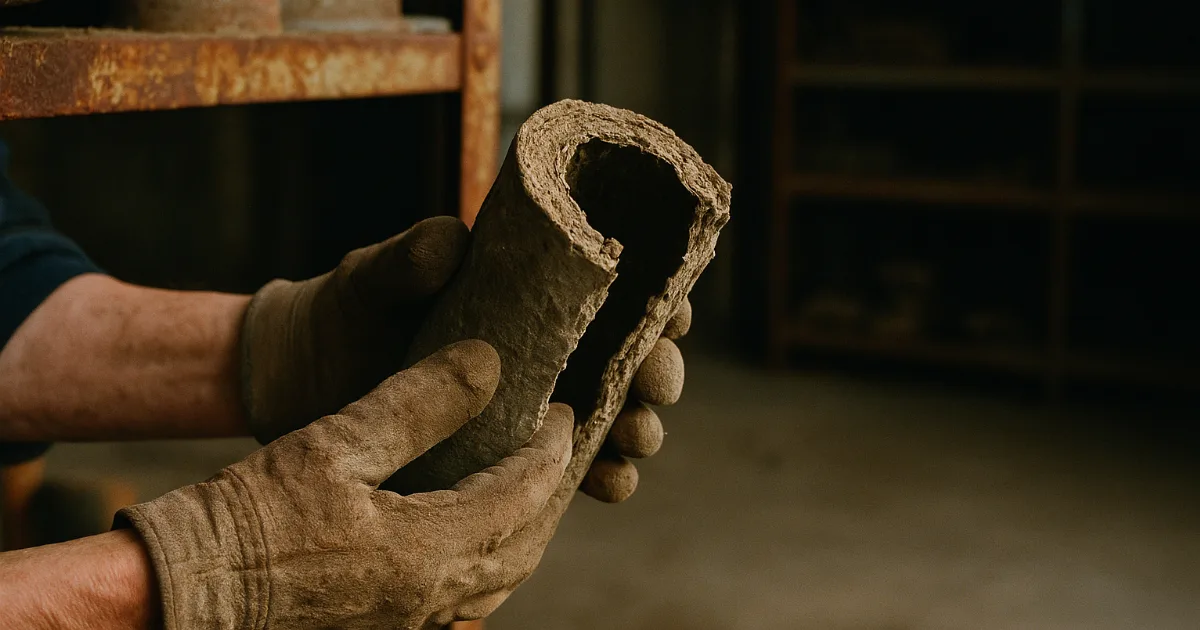


DES MOINES, IA — Gary Novotny spent 34 years maintaining boilers at a Davenport manufacturing plant before a chest X-ray in early 2025 revealed a pleural mass that would change everything. His family had never heard the word mesothelioma. By the time his daughter began searching for an Iowa mesothelioma lawyer, they had already lost six weeks to the wrong questions.
That story is more common in Iowa than most people realize. The state's industrial backbone, from the meatpacking plants of Sioux City to the grain elevator networks of the Iowa River Valley, left tens of thousands of workers exposed to asbestos-containing insulation, gaskets, and pipe fittings throughout the mid-20th century. The legal consequences of that exposure are still working their way through the courts in 2026.
Iowa's Asbestos Exposure Sites and Who Gets Diagnosed
Iowa doesn't appear on most national mesothelioma maps, but the industrial history is there. According to asbestos exposure data compiled across litigation records, high-risk occupational sites in the state include manufacturing facilities in the Quad Cities corridor, utility plants along the Des Moines River, and construction trades throughout Cedar Rapids and Iowa City. Veterans who passed through the Iowa Army Ammunition Plant in Burlington have also reported asbestos-related diagnoses.
The history of asbestos use in American industry is well documented, and Iowa's factories were no exception. Asbestos was considered a standard insulation material through the 1970s, and workers who handled it daily often had no idea of the risk. The latency period for mesothelioma, typically 20 to 50 years between first exposure and diagnosis, means that workers who retired decades ago are only now receiving diagnoses.
For Iowa families navigating a new diagnosis, understanding the full scope of possible exposure sites is the first critical step, both for medical staging and for building a legal claim.
What Iowa's Legal Landscape Actually Looks Like in 2026
Iowa operates under a two-year statute of limitations for personal injury claims, with the clock starting from the date of diagnosis or the date a patient reasonably should have known asbestos caused their illness. That window is short, and it's unforgiving.
In my experience representing mesothelioma families, the families who wait, who assume they have time, are often the ones who lose access to the most valuable claims. Two years sounds like a lot until you factor in the time it takes to find the right specialist, process the diagnosis emotionally, and then begin the legal investigation.
The legal landscape for asbestos victims in Iowa includes three distinct pathways: civil lawsuits against product manufacturers, claims against employer negligence, and filings with asbestos bankruptcy trust funds. The trust fund pathway is often overlooked by families who don't know it exists. According to a RAND Corporation analysis of asbestos bankruptcy trusts, more than 60 active trusts have been established by companies that manufactured or distributed asbestos-containing products, and those trusts collectively hold billions in reserved compensation. Many Iowa workers have valid claims against multiple trusts simultaneously.
What the courts have consistently recognized is that mesothelioma victims deserve access to every available source of compensation, not just the most obvious one. An experienced mesothelioma attorney will run a full exposure history to identify which trust funds apply, and that process alone can add hundreds of thousands of dollars to a family's total recovery.
Settlement values in mesothelioma cases vary significantly based on diagnosis type, exposure history, and the number of defendants. According to litigation data tracked by legal publications including Law360, mesothelioma settlements commonly range from $1 million to $2.4 million, with trial verdicts sometimes reaching substantially higher figures.
How to Choose the Right Lawyer for an Iowa Mesothelioma Case
Not every personal injury attorney is equipped to handle a mesothelioma case. These cases require specialized knowledge: the ability to trace asbestos products through decades-old supply chains, familiarity with the specific trust fund filing requirements for dozens of different trusts, and experience deposing corporate witnesses who have spent decades defending asbestos litigation.
Families in Iowa have two realistic options. They can work with a local attorney who has genuine mesothelioma experience, or they can retain a national mesothelioma law firm that handles cases in Iowa courts. Both can be effective, but the critical factor is specialization, not geography. A board-certified personal injury trial attorney with a track record in asbestos cases will consistently outperform a general practitioner who handles the occasional occupational disease claim.
The national lawyer directory at Mesothelioma-Lung-Cancer.org includes attorneys with verified mesothelioma experience who accept Iowa cases. Most mesothelioma attorneys work on contingency, meaning families pay nothing unless the case resolves in their favor.
For families who have already received a diagnosis, the compensation overview breaks down the difference between trust fund claims and civil litigation, including realistic timelines for each. Trust fund claims can sometimes resolve in months. Civil trials take longer, but the verdicts can be substantially larger.
Gary Novotny's family eventually connected with a mesothelioma attorney through a patient advocacy referral. His case identified claims against four separate asbestos trust funds and one product manufacturer. The legal process won't undo a diagnosis. But for Iowa families facing the financial reality of aggressive cancer treatment, the right attorney at the right time can mean the difference between stability and crisis.
Attorney Advertising. Past results do not guarantee future outcomes. Every case is unique. The verdicts and settlements described are not a guarantee of similar results. Every case is different.