


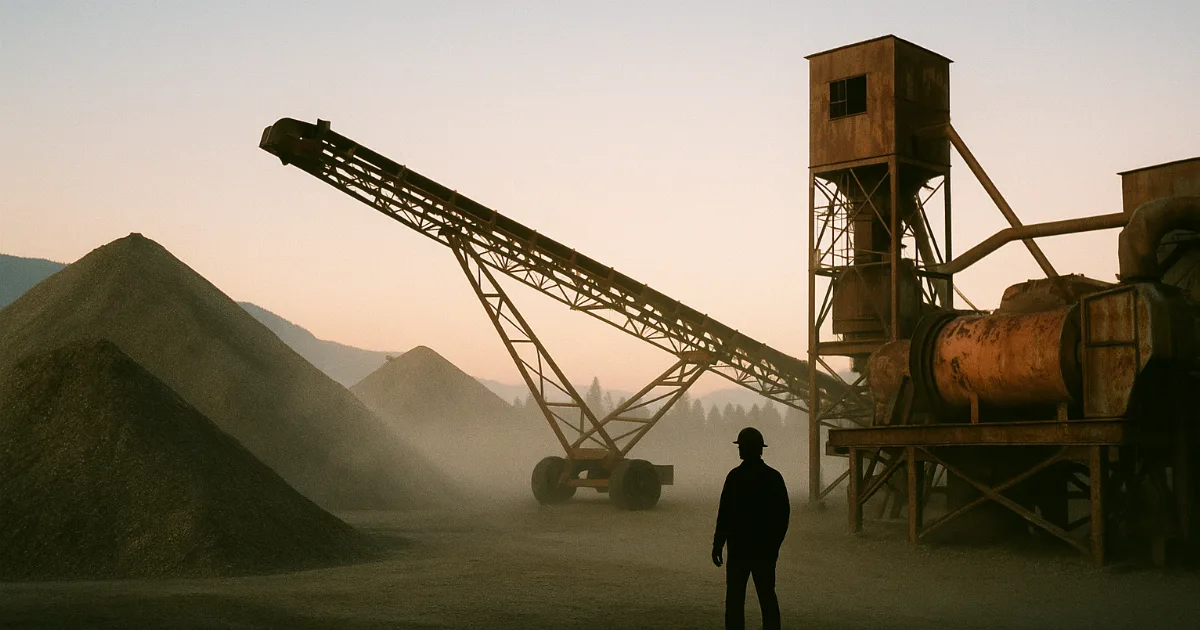
LIBBY, MT — The town of Libby, Montana has a population of fewer than 3,000 people. It also has the distinction of being the site of one of the most severe asbestos contamination events in American history. For decades, the W.R. Grace mining operation outside Libby extracted vermiculite ore laced with naturally occurring tremolite asbestos, exposing not just miners but their families, neighbors, and anyone who used the local ice skating rink built with contaminated vermiculite fill. By the time federal investigators arrived in the late 1990s, hundreds of Libby residents had died from asbestos-related diseases. Hundreds more were still sick.
That history casts a long shadow over mesothelioma litigation in Montana today. The state's asbestos exposure legacy extends well beyond Libby — to railroad workers in Billings and Havre, to construction crews in Great Falls, to oil refinery workers in the eastern part of the state. And for families navigating a mesothelioma diagnosis in 2026, the legal landscape is both more promising and more complicated than many realize. Getting the right legal representation isn't just helpful. It's often the difference between a family receiving meaningful compensation and receiving nothing at all.
What Makes Montana Mesothelioma Litigation Unique?
Montana mesothelioma cases are shaped by a combination of factors that distinguish them from asbestos litigation in states like California or Texas. The state's industrial history, the specific companies that operated here, and Montana's own court rules all create a litigation environment that requires specialized knowledge. According to Justia's mesothelioma and asbestos legal resource, successful asbestos claims require attorneys who can trace exposure to specific products or worksites — a task that's particularly challenging in Montana, where exposure often came from multiple sources across decades.
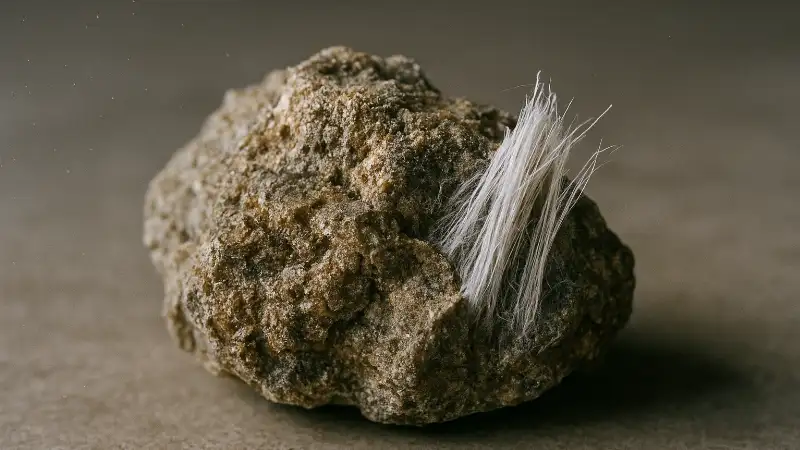
The Libby contamination is the most well-documented case, but it represents only one thread in a much larger tapestry. Montana was home to significant railroad activity under the Great Northern Railway and Northern Pacific Railway lines, both of which used asbestos-containing insulation in locomotives and maintenance facilities. Workers at the Colstrip power plant, at copper and silver mines in the western part of the state, and at construction sites throughout the Rockies all faced significant asbestos exposure. Understanding which companies supplied the asbestos-containing products at each of these worksites is foundational to building a successful claim.
What the courts have consistently recognized is that Montana plaintiffs face an additional layer of complexity when it comes to identifying defendants. Many of the companies that manufactured or supplied asbestos-containing products in Montana have since declared bankruptcy and established asbestos trust funds. Others remain solvent and can be sued directly in civil court. A skilled Montana mesothelioma lawyer must be able to pursue both avenues simultaneously, which requires a level of institutional knowledge that generalist personal injury attorneys simply don't have. According to the American Bar Association's Tort Trial and Insurance Practice Section, asbestos litigation is among the most procedurally complex areas of personal injury law in the United States.
Why the Statute of Limitations Makes Timing Critical
Consider a retired railroad worker in Havre who was diagnosed with pleural mesothelioma in March 2025. He spent 30 years maintaining locomotives, never knowing that the insulation he handled daily contained chrysotile and amosite asbestos. His oncologist connected him with a treatment center, but nobody mentioned a lawyer until six months after diagnosis — by which point, in some states, the legal window would already be narrowing fast.
In Montana, the statute of limitations for personal injury claims, including mesothelioma, is generally three years from the date of diagnosis or from when the patient knew or reasonably should have known that their illness was caused by asbestos exposure. This is a longer window than some states, but it's not unlimited — and the clock starts running from a specific legal moment that isn't always obvious to families. Missing that window means losing the right to sue, regardless of how strong the underlying case might be. According to litigation coverage tracked by Reuters Legal, statute of limitations issues are among the most common reasons otherwise viable mesothelioma claims are dismissed.
For families dealing with a terminal diagnosis, three years can feel like an eternity. In practice, it disappears faster than anyone expects. Treatment decisions, family logistics, financial stress — all of it consumes time. And the legal process itself, from filing to discovery to trial or settlement, takes months. That's why experienced Montana mesothelioma attorneys consistently advise families to consult with a lawyer within the first 60 days of diagnosis, not the first year. You can use a compensation estimator tool to understand what a claim might be worth before committing to any legal strategy.
In my experience representing mesothelioma families, the cases that achieve the best outcomes are almost always the ones where the family moved quickly — not because the legal work is rushed, but because early action allows attorneys to gather evidence while it's still accessible, locate witnesses while they're still alive, and file claims before defendants can raise procedural defenses.
How Montana Asbestos Trust Funds Work — and Why They Matter
One of the most significant developments in asbestos litigation over the past two decades has been the establishment of asbestos bankruptcy trust funds. When major asbestos manufacturers and distributors filed for bankruptcy under the weight of mounting litigation, federal courts required them to establish dedicated compensation funds for current and future claimants. According to the RAND Institute for Civil Justice, more than 60 asbestos trust funds have been established in the United States, collectively holding tens of billions of dollars designated for victims.
For Montana families, these trusts are critically important because several of the companies most likely to have supplied asbestos-containing products in the state — including W.R. Grace itself, which established a trust as part of its 2016 bankruptcy reorganization — have funded trusts that remain active in 2026. The W.R. Grace trust alone has paid out billions to claimants nationwide, including a significant number from Montana and the Libby region specifically.
But accessing these funds isn't as simple as submitting a form. Each trust has its own claims process, its own medical criteria, its own exposure requirements, and its own payment schedules. The Owens Corning trust has different requirements than the Johns Manville trust. The Armstrong World Industries trust has different documentation standards than the Babcock and Wilcox trust. An experienced Montana mesothelioma lawyer will know which trusts are most relevant to a specific client's exposure history and can file simultaneous claims across multiple funds, maximizing total compensation. You can get a preliminary sense of which trusts might apply to your situation through a trust fund checker.
The legal landscape for asbestos victims in Montana has evolved considerably since the Libby contamination became a national story. Federal prosecution of W.R. Grace executives, though ultimately unsuccessful at the criminal level, generated an enormous body of documentary evidence about what the company knew and when. That evidence is now available to civil litigants and has strengthened the evidentiary foundation for claims by Libby-area residents and workers.
!How Montana Asbestos Trust Funds Work — and Why They Matter for mesothelioma legal cases
What Compensation Looks Like in Montana Mesothelioma Cases
There's no single answer to what a Montana mesothelioma case is worth. Compensation depends on the specific exposure history, the number of viable defendants, whether trust fund claims are available, the severity of the illness, the patient's age and financial losses, and whether the case goes to trial or settles. According to coverage from Law360's asbestos litigation desk, mesothelioma settlements nationally range from several hundred thousand dollars to multiple millions, with trial verdicts sometimes reaching significantly higher.
For Montana families specifically, the calculus often involves a combination of trust fund claims and direct litigation against solvent defendants. A retired construction worker in Great Falls might have been exposed to products from five or six different manufacturers — some bankrupt, some not. Each exposure pathway represents a potential avenue for compensation. The total recovery across all claims can be substantially higher than any single settlement or verdict.
What families often don't realize is that trust fund claims and civil lawsuits are not mutually exclusive. You can pursue both simultaneously. And in cases where a loved one has already died from mesothelioma, surviving family members may have a wrongful death claim in addition to any claims the patient filed before death. Montana law allows wrongful death claims to be brought by the personal representative of the estate, and these claims can recover damages for loss of companionship, financial support, and the family's pain and suffering.
For patients and families who are also navigating treatment decisions, the financial stakes of getting legal representation right are immense. Mesothelioma treatment at a specialized center — surgery, chemotherapy, immunotherapy, or some combination — can cost hundreds of thousands of dollars. Compensation from asbestos claims is often the primary financial mechanism that allows families to access the best possible care. You can find specialized treatment facilities through the mesothelioma treatment center directory and learn more about current treatment protocols through the diagnosis and treatment resource.
What Should Montana Families Look for in a Mesothelioma Lawyer?
Not every personal injury attorney is equipped to handle a mesothelioma case. The specialized knowledge required — about asbestos products, industrial history, trust fund procedures, and mesothelioma medicine — takes years to develop. When a Montana family is evaluating legal representation, several factors matter more than others.
First, look for an attorney or firm with a documented track record in asbestos and mesothelioma cases specifically. General personal injury experience is not a substitute. The firm should be able to point to specific mesothelioma verdicts and settlements, not just broad tort litigation experience. According to the National Law Review's litigation and dispute resolution coverage, specialized asbestos firms typically have access to proprietary databases of product identification records, work history documentation, and industrial hygiene expert networks that smaller generalist firms simply don't maintain.
Second, ask about the firm's familiarity with Montana's specific exposure history. A lawyer who has handled cases involving Burlington Northern Santa Fe Railroad, the Colstrip power plant, Montana refinery operations, or the Libby vermiculite mine will have institutional knowledge that directly applies to your case. They'll know which witnesses to locate, which corporate records to subpoena, and which trust funds are most likely to respond to claims from Montana workers.
Third, understand the fee structure. Virtually all reputable mesothelioma attorneys work on a contingency basis, meaning they receive a percentage of the recovery only if the case is successful. There should be no upfront costs to the family. This arrangement aligns the attorney's financial interests with the client's, and it means families with limited resources can access top-tier legal representation. Detailed guidance for patients and families navigating these decisions is available at the patients and families resource center.
Finally, consider the attorney's approach to the human side of mesothelioma representation. A mesothelioma case isn't just a legal matter. It's happening in the middle of a family's worst crisis. The best mesothelioma lawyers understand that their clients are dealing with a terminal diagnosis, with fear and grief and financial uncertainty, and they structure their representation accordingly — moving efficiently, communicating clearly, and reducing the burden on families wherever possible. More guidance for families is available through the answers for families section.
What Should Patients and Families Do Next?
The first step is the hardest one: accepting that legal action needs to happen alongside medical treatment, not after it. Many families delay contacting a lawyer because it feels like a secondary priority, or because they assume there's plenty of time. There isn't always. The three-year statute of limitations in Montana sounds generous until you account for how long it takes to gather exposure documentation, identify defendants, and build a case.
If you or a family member has been diagnosed with mesothelioma in Montana, start with a free consultation with a mesothelioma-specialized attorney. Most reputable firms offer these consultations at no cost and with no obligation. Bring whatever documentation you have about work history, military service, or known asbestos exposure. Even incomplete records are a starting point.
At the same time, get connected with a mesothelioma specialist. General oncologists are not equipped to manage the complexity of mesothelioma treatment, and outcomes are measurably better at specialized centers. Montana patients often travel to facilities in Seattle, Denver, or Minneapolis for specialized care, and that travel is often covered by legal settlements or trust fund distributions. Understanding your exposure history is also foundational — the asbestos exposure resource and the asbestos encyclopedia can help families understand the range of products and industries involved.
Montana's mesothelioma history is a painful one, rooted in decades of corporate decisions that prioritized profit over worker safety. The legal system can't undo that history. But it can deliver accountability, and it can provide the financial resources families need to face what comes next with some measure of security.
"The families I've represented from Montana have faced something uniquely difficult," said Paul Danziger, a mesothelioma attorney with decades of asbestos litigation experience. "They're dealing with an illness that was entirely preventable, caused by companies that knew the risks and said nothing. Getting them the compensation they deserve isn't just about money. It's about making sure that sacrifice is recognized."
For families in Libby, in Billings, in Great Falls, or anywhere else in Montana where asbestos left its mark — that recognition, and the financial security that comes with it, is still very much within reach.

Frequently Asked Questions About Montana Mesothelioma Lawyers
How long do I have to file a mesothelioma lawsuit in Montana?
Montana's statute of limitations for mesothelioma personal injury claims is generally three years from the date of diagnosis or from when the patient reasonably knew the illness was connected to asbestos exposure. Missing this deadline typically bars any legal recovery, regardless of how strong the underlying case is. Consulting with a specialized mesothelioma attorney within 60 days of diagnosis is strongly recommended.
Can I file trust fund claims even if I also file a lawsuit?
Yes. Trust fund claims and civil lawsuits against solvent defendants are not mutually exclusive. In many Montana mesothelioma cases, families recover compensation from multiple asbestos trust funds while simultaneously pursuing litigation against companies that haven't filed for bankruptcy. An experienced attorney will pursue all available avenues simultaneously to maximize total compensation.
What if my loved one died before filing a claim?
In Montana, surviving family members may file a wrongful death claim through the estate's personal representative. These claims can recover damages including loss of companionship, financial support, and the family's grief and suffering. The statute of limitations for wrongful death claims runs separately from the original personal injury claim, though prompt action is still essential.
What does a Montana mesothelioma lawyer cost?
Nearly all reputable mesothelioma attorneys work on a contingency fee basis, meaning they collect a percentage of the recovery only if the case succeeds. There are no upfront costs to the family. This arrangement allows families with limited financial resources to access specialized legal representation without any out-of-pocket expense during an already difficult time.
How much compensation can Montana mesothelioma patients receive?
Compensation varies widely depending on exposure history, the number of viable defendants, available trust funds, and whether the case settles or goes to trial. According to Law360's asbestos litigation coverage, mesothelioma settlements nationally range from several hundred thousand dollars to multiple millions. Montana cases often involve multiple trust fund claims in addition to direct litigation, which can significantly increase total recovery.
What is the W.R. Grace asbestos trust fund?
W.R. Grace, the company responsible for the Libby, Montana vermiculite contamination, established an asbestos trust fund as part of its bankruptcy reorganization, which was finalized in 2016. The trust has paid billions of dollars to claimants, including many from Montana and the Libby area. Eligibility requires meeting specific medical and exposure criteria, and claims must be filed through the trust's established process.
Do I need a Montana-licensed attorney for a mesothelioma case?
Not necessarily. Many of the most experienced mesothelioma law firms are based outside Montana but are licensed to practice in the state or can work with local co-counsel. What matters most is the firm's specific experience with mesothelioma and asbestos litigation, their knowledge of Montana's exposure history, and their track record of results for clients in similar situations.
Attorney Advertising. Past results do not guarantee future outcomes. Every case is unique. The verdicts and settlements described are not a guarantee of similar results. Every case is different.

Comments (6)
— Paul Danziger
— Paul Danziger
My father worked at the ASARCO refinery outside Anaconda back in the 70s and 80s. We didn't think much about asbestos exposure then — nobody talked about it. He was diagnosed with mesothelioma in 2019 and passed two years later. We hired a local attorney who honestly seemed overwhelmed by all the different defendants involved. Wish we'd known about the W.R. Grace trust specifically or how critical that 60-day window was for preserving evidence. The article's point about Montana's three-year statute being tight is real — we're still sorting through his case. If you or someone you know worked in refineries, mines, or railroad jobs in Montana, don't wait. Get legal counsel immediately.