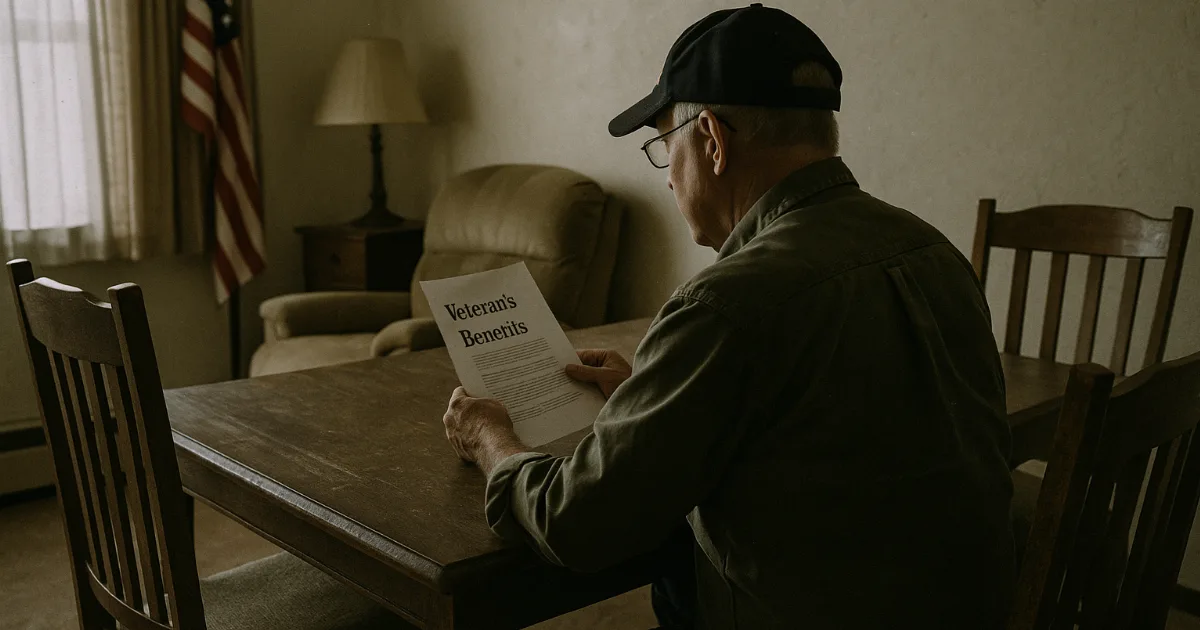

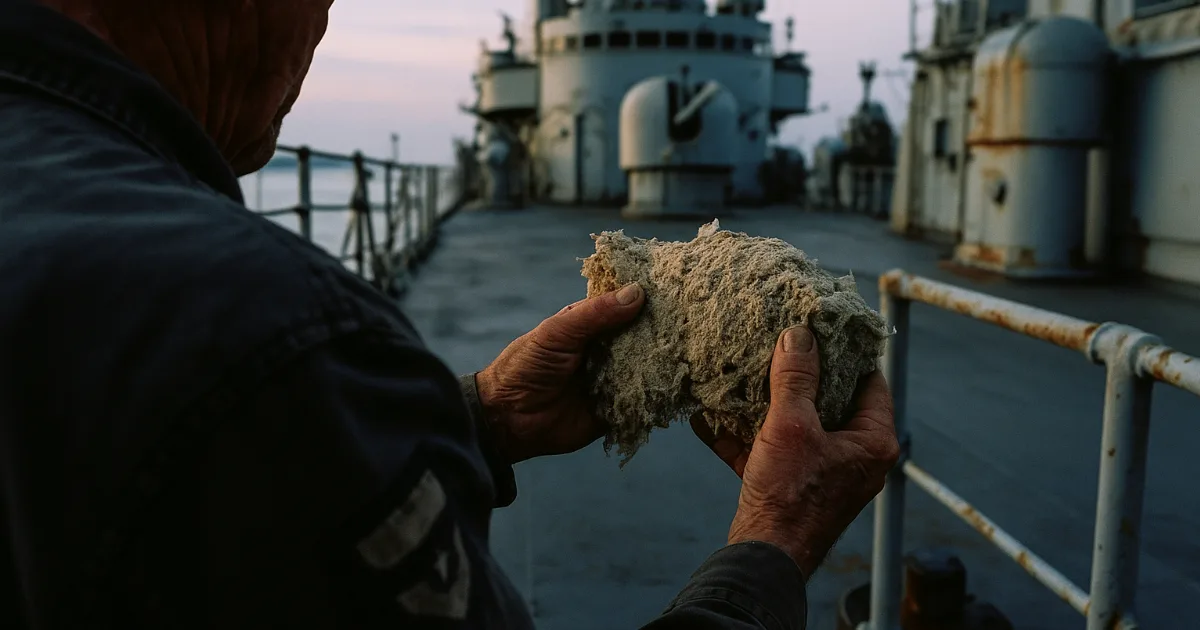
NORFOLK, VA — Pete Garza spent 22 years in the Navy, most of it below decks on aging destroyers where the pipe insulation crumbled if you looked at it wrong. He retired in 1998 with a commendation and a handshake. Twenty-six years later, a pulmonologist in Virginia Beach told him the persistent tightness in his chest was pleural mesothelioma. Pete's first call wasn't to an oncologist. It was to the VA.
His story isn't unusual. According to the Department of Veterans Affairs, veterans account for approximately 30 percent of all mesothelioma diagnoses in the United States each year, a staggering overrepresentation for a group that makes up roughly 7 percent of the adult population. The military's heavy reliance on asbestos-containing materials throughout most of the 20th century created a slow-moving public health crisis that is still unfolding in VA hospitals and oncology clinics across the country. The good news, if there is any in a diagnosis like this, is that the VA has a defined path to disability compensation for veterans like Pete. The hard part is navigating it.
Why Are Veterans Diagnosed with Mesothelioma at Such High Rates?
Veterans who served during the mid-20th century faced asbestos exposure at rates that would be unthinkable in any modern workplace. The VA's own public health office acknowledges that asbestos was used extensively in military construction and equipment from the 1930s through the late 1970s, appearing in everything from ship boiler rooms and engine compartments to barracks insulation, brake linings, and aircraft components. Navy veterans bear a disproportionate share of the burden, but Army, Air Force, Marine Corps, and Coast Guard veterans were also exposed in shipyards, on bases, and during construction projects.
According to the VA's asbestos exposure resource page, military occupational specialties with the highest documented exposure included boilermakers, pipefitters, insulation workers, shipyard workers, and demolition crews. But exposure wasn't limited to those trades. Any sailor who worked below decks on a ship built before 1980 was breathing asbestos fibers as a matter of routine. Any soldier housed in older barracks or working in aging facilities faced similar risks. The latency period for mesothelioma — the gap between first exposure and diagnosis — typically runs 20 to 50 years, which is why so many veterans are receiving diagnoses today for exposures that happened during the Vietnam era or even earlier.
Camp Lejeune deserves specific mention here. The VA's Camp Lejeune exposure page documents that Marines and their families stationed at Lejeune between 1953 and 1987 were exposed not only to contaminated drinking water but also to asbestos in the base's aging building stock. Veterans who served at Lejeune during that window have a separate, expedited pathway to VA healthcare and disability benefits under the Camp Lejeune Justice Act.
How the VA Disability System Works for Mesothelioma
Pete Garza's situation illustrates something that veterans and their families need to understand from the moment of diagnosis: the VA disability system is not automatic, and it is not fast, but for mesothelioma it has meaningful accommodations built in.
The VA rates disabilities on a scale from 0 to 100 percent, in 10-percent increments, based on how severely the condition impairs a veteran's ability to function. Mesothelioma, because of its severity, is typically rated at 100 percent — the maximum rating — which translates to monthly compensation payments that in 2026 exceed $3,800 for a veteran with no dependents, and higher for those with spouses and children. According to the VA's disability eligibility page, veterans with a 100 percent rating may also qualify for additional allowances, including Special Monthly Compensation if the disease has caused specific functional losses.
To receive these benefits, a veteran must establish three things: a current diagnosis of mesothelioma, a history of in-service asbestos exposure, and a medical nexus connecting the two. For mesothelioma, that nexus is generally straightforward. The VA recognizes that asbestos is the established cause of mesothelioma, and a physician's statement linking the diagnosis to documented military exposure is typically sufficient. What I tell every veteran I work with is this: don't assume the VA will connect those dots automatically. You need to document your service history, identify the ships or installations where you worked, and get a letter from your treating oncologist that explicitly ties your diagnosis to asbestos exposure.
The Social Security Administration's Compassionate Allowances program is a parallel resource that veterans often overlook. Mesothelioma is listed as a qualifying condition under the Compassionate Allowances program, meaning Social Security Disability Insurance claims are processed in days rather than months. Veterans who qualify for both VA disability and SSDI can receive both simultaneously, and the combined monthly income can be substantial.
The C&P Exam: Where Claims Are Won and Lost
Imagine showing up to a Compensation and Pension exam — the VA's required medical evaluation — without your service records, without documentation of the ships you served on, and without a nexus letter from your doctor. That scenario plays out more often than it should, and it's one of the primary reasons mesothelioma claims get delayed or denied at the initial stage.
The Compensation and Pension exam is the VA's mechanism for evaluating the medical evidence in a disability claim. For mesothelioma, the examining physician is tasked with confirming the diagnosis and rendering an opinion on whether military service is at least as likely as not the cause. That "at least as likely as not" standard — 50 percent or better — is the legal threshold for service connection. It's not a high bar, but you have to clear it with documentation.
Veterans who served on specific ships can use the VA's ship exposure list, which catalogs vessels known to have contained asbestos. The Veterans of Foreign Wars advocacy office and other veterans service organizations can help veterans pull their service records through the National Personnel Records Center, which is essential if original records were lost or incomplete. The VFW's advocacy resources specifically address the process of documenting asbestos exposure for VA claims, and working with an accredited VA claims agent or veterans service officer at no cost can significantly improve outcomes.
For veterans who want to understand their eligibility before filing, our VA benefits eligibility tool walks through the key criteria and can help identify whether a claim is likely to succeed at the initial stage or whether additional evidence gathering is needed first.
What Compensation Is Actually Available?
VA disability benefits are one piece of a larger financial picture that veterans and their families should understand fully. The compensation landscape for mesothelioma patients includes VA benefits, asbestos trust funds, and civil litigation — and veterans may be eligible for more than one of these simultaneously.
Asbestos trust funds were established by bankrupt asbestos manufacturers to compensate victims of their products. There are currently more than 60 active trusts holding billions of dollars in combined assets. A veteran who was exposed to asbestos made by a company that subsequently went bankrupt can file a trust claim regardless of whether they're also receiving VA benefits. The two compensation streams don't cancel each other out. According to legal resources on our compensation answers page, trust fund claims can resolve in months rather than years and often pay between $100,000 and $1.4 million depending on the trust and the diagnosis.
For veterans who want to pursue civil litigation against asbestos manufacturers — companies that weren't bankrupt and can still be sued — a mesothelioma lawsuit is a separate avenue entirely. Our guide to filing a mesothelioma lawsuit explains the process in plain language. Veterans should know that filing a lawsuit against a private manufacturer does not affect VA benefits and does not constitute a waiver of any government claims.
What I tell every veteran I work with is that these compensation streams were designed to work together, not against each other. A veteran with a mesothelioma diagnosis who served during the asbestos era may have valid claims in three separate venues simultaneously. Don't leave any of them on the table.

Finding the Right Medical Team
Pete Garza's oncologist in Virginia Beach was competent, but she'd treated fewer than a dozen mesothelioma patients in her career. Mesothelioma is rare enough that most community oncologists lack deep experience with the disease, and treatment decisions for a condition this complex benefit enormously from subspecialty expertise.
The VA system includes several designated mesothelioma treatment programs at major medical centers, and veterans enrolled in VA healthcare can access these specialists as part of their benefits. The VA also has a Community Care program that allows veterans to receive treatment from outside providers when VA facilities can't provide timely or geographically accessible care. For veterans who want to find mesothelioma specialists outside the VA system, our mesothelioma doctor directory lists specialists by region with experience and credential information.
The type of mesothelioma matters significantly for treatment decisions. Pleural mesothelioma, which affects the lining of the lungs, is the most common form among veterans and is the type most frequently associated with inhalation of asbestos fibers. Peritoneal mesothelioma, which affects the abdominal lining, is less common but has seen significant treatment advances in recent years, particularly with heated intraperitoneal chemotherapy. Veterans diagnosed with either form should seek evaluation at a center that treats mesothelioma regularly, not just occasionally.
CURE Meso's patient support services are a resource that many veterans find valuable beyond the medical system. The organization provides patient navigation, financial assistance information, and connection to clinical trials — services that complement VA care rather than competing with it.
Accelerating Your Claim: The DIC and Survivor Benefits
For families of veterans who have already died from mesothelioma, the VA's Dependency and Indemnity Compensation program provides monthly payments to surviving spouses and dependent children. DIC is separate from the disability benefits the veteran would have received, and it's available even if the veteran never filed a VA claim during their lifetime. The surviving spouse of a veteran who died from a service-connected condition receives a base monthly rate that in 2026 is approximately $1,600, with additional allowances for dependent children and for spouses who are themselves disabled.
Filing a DIC claim requires establishing that the veteran's death was caused by a service-connected condition. For mesothelioma, where the connection to military asbestos exposure is well-documented, this is typically achievable with the death certificate, medical records, and service documentation. Veterans service organizations like the VFW can assist surviving families with DIC claims at no cost.
Veterans who served during this period and are still living should file their own disability claims without waiting. The VA does not backdate benefits to the date of diagnosis — it backdates them to the date the claim was filed. Every month a veteran waits to file is a month of potential compensation that cannot be recovered. The VA's online claim filing portal at va.gov accepts fully developed claims with supporting documentation, and claims submitted with a complete evidence package are processed significantly faster than those submitted without documentation.
What Should Veterans and Families Do Right Now?
The path forward is clearer than it might feel in the days after a mesothelioma diagnosis. Veterans who served during this period and are facing this disease have rights, resources, and a legal framework designed specifically to help them. Here's how to move efficiently.
First, get the diagnosis in writing and in detail. A pathology report confirming mesothelioma, with cell type (epithelioid, sarcomatoid, or biphasic), is essential for both VA claims and any legal action. Second, pull your service records. The National Personnel Records Center processes requests online, and your service branch's personnel office may have additional records. Third, document your asbestos exposure specifically: which ships, which installations, which job duties, and what materials you worked with. Fourth, get a nexus letter from your treating oncologist. It doesn't need to be elaborate — a paragraph stating that your mesothelioma is at least as likely as not caused by occupational asbestos exposure during military service is sufficient.
Fifth, file your VA claim. Use the VA's online portal or work with a VA-accredited claims agent. Sixth, consult with a mesothelioma attorney about trust fund and litigation options. Most mesothelioma attorneys work on contingency, meaning no upfront cost. Seventh, apply for Social Security Disability Insurance under the Compassionate Allowances program if you're under 65 and have sufficient work history. Eighth, contact your VA medical center about enrollment in VA healthcare if you're not already enrolled.
The VA recognizes that mesothelioma is directly caused by asbestos exposure and has built its claims process accordingly. The system isn't perfect, and it isn't fast, but it works — if you work it. Pete Garza received his 100 percent disability rating four months after filing his claim. His monthly VA check arrives on the first of every month. He's now in treatment at a VA mesothelioma program in Richmond, and his legal team has filed trust fund claims against three manufacturers whose products were found on his ship's maintenance logs.
For a comprehensive overview of the disease itself, our mesothelioma encyclopedia covers diagnosis, staging, treatment, and prognosis in depth. Understanding the medical landscape helps veterans and their families ask better questions and make more informed decisions at every step.
The benefits exist. The legal avenues exist. Veterans earned both through their service, and claiming them is not charity — it's accountability.
!VA Disability Claims for Mesothelioma: What Every Veteran Needs to Know in

Frequently Asked Questions
Can I receive both VA disability benefits and Social Security disability for mesothelioma at the same time?
Yes. VA disability compensation and Social Security Disability Insurance are separate programs administered by different federal agencies, and receiving one does not reduce or eliminate the other. Veterans with mesothelioma who qualify for both can receive both simultaneously. Mesothelioma is listed as a qualifying condition under the SSA's Compassionate Allowances program, which accelerates SSDI processing to days rather than months, according to the Social Security Administration.
How long does it take to get a VA disability rating for mesothelioma?
Timeline varies based on how complete your evidence package is when you file. Claims submitted with a diagnosis, service records, documented exposure history, and a nexus letter from a treating physician — what the VA calls a "fully developed claim" — are processed significantly faster than those requiring the VA to gather evidence. According to the VA's disability claims guidance, fully developed claims average several months to process, though mesothelioma's severity can trigger expedited handling.
Does filing a VA disability claim affect my ability to sue asbestos manufacturers?
No. VA disability benefits and civil lawsuits against private asbestos manufacturers are entirely separate. Veterans can pursue both simultaneously. Filing a VA claim does not constitute a waiver of any civil claims, and receiving VA compensation does not reduce any settlement or verdict obtained in civil litigation. Asbestos trust fund claims are similarly independent of VA benefits, according to the VA's disability eligibility resources.
What if my mesothelioma diagnosis was after I left the military?
This is the norm, not the exception. Mesothelioma's latency period — the time between first asbestos exposure and diagnosis — typically ranges from 20 to 50 years. The VA does not require that symptoms appeared during service, only that the asbestos exposure occurred during service. A veteran diagnosed 30 years after discharge is fully eligible to file a service-connected disability claim, according to the VA's asbestos exposure public health guidance.
What is Dependency and Indemnity Compensation, and who qualifies?
Dependency and Indemnity Compensation (DIC) is a VA benefit paid to surviving spouses and dependent children of veterans who died from a service-connected condition, including mesothelioma. It's available even if the veteran never filed a VA disability claim during their lifetime. Surviving spouses receive a base monthly payment with additional allowances for children and for spouses who are themselves disabled, according to VA disability eligibility documentation. Claims can be filed through a veterans service organization at no cost.
What evidence do I need to file a mesothelioma VA claim?
A strong claim package includes: a pathology-confirmed mesothelioma diagnosis with cell type; military service records identifying your occupational specialty and duty stations; documentation of specific asbestos-containing materials or locations you worked with (ship exposure lists, installation records); and a nexus letter from your treating physician explicitly connecting your diagnosis to military asbestos exposure. According to the VA's claim filing guidance, submitting all evidence upfront as a fully developed claim significantly reduces processing time.
Are National Guard and Reserve veterans eligible for VA mesothelioma benefits?
Eligibility for Guard and Reserve veterans depends on the nature of their service. Veterans who were activated to federal service — including deployments, active duty training periods, and federal activations — may qualify for VA benefits if asbestos exposure occurred during those periods of federal service. Guard and Reserve members who served only in state status generally do not qualify for VA disability benefits for that service. A VA-accredited claims agent can review your specific service history to determine eligibility, according to VA disability eligibility guidelines.
This article provides general information about VA benefits. Eligibility depends on individual service history and medical diagnosis.