
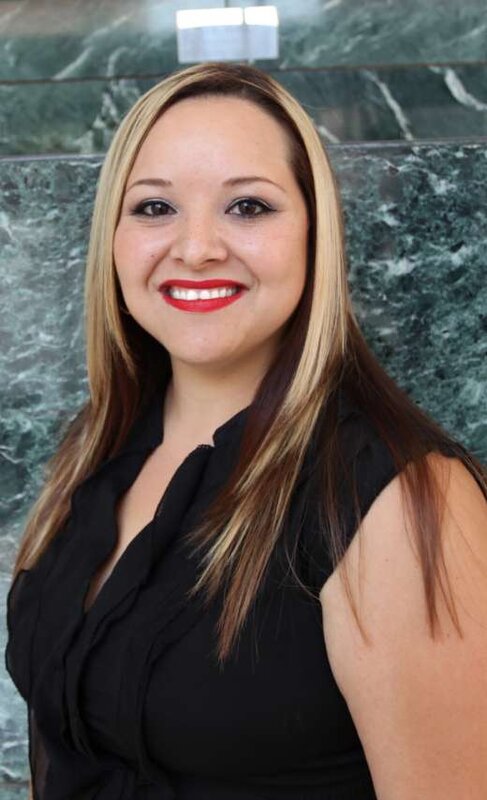

LOS ANGELES, CA — Maria Delgado's oncologist at UC San Diego's Moores Cancer Center used a phrase she hadn't expected during their first appointment after her pleural mesothelioma diagnosis in late 2025: "We have several options to discuss." Her husband, a retired Navy shipyard worker, had been bracing for the worst. Instead, they left with a treatment plan that included an FDA-approved immunotherapy combination and a referral to an open clinical trial recruiting patients just forty minutes from their home.
That conversation reflects something real and significant happening across California right now. The state's network of NCI-designated cancer centers, concentrated in Los Angeles, San Diego, San Francisco, and Sacramento, has quietly become one of the most active mesothelioma treatment ecosystems in the country. For patients who received this diagnosis even a decade ago, the landscape looked very different. Today, a combination of FDA approvals, expanded trial access, and multidisciplinary care teams is changing what "living with mesothelioma" can mean.
What Has Changed in Mesothelioma Treatment Since 2021?
The single most consequential shift in mesothelioma care over the past five years was the FDA's 2020 approval of nivolumab plus ipilimumab for unresectable malignant pleural mesothelioma. According to the FDA, this combination, marketed under the brand names Opdivo and Yervoy, represented the first new first-line treatment option for this disease in more than fifteen years. The CheckMate 743 trial, which underpinned that approval, showed that patients receiving the immunotherapy combination had a median overall survival of 18.1 months, compared to 14.1 months for those receiving standard chemotherapy.
For context, the previous standard of care, pemetrexed plus cisplatin, had been the backbone of mesothelioma treatment since the FDA approved pemetrexed (Alimta) in 2004. According to FDA approval records, that regimen extended median survival by roughly three months compared to cisplatin alone at the time of its approval. The jump from that baseline to the immunotherapy era represents a meaningful shift in how oncologists approach this disease.
California's major cancer centers were early adopters of these protocols. The University of California system, Stanford Cancer Center, and City of Hope, all of which carry NCI designation, began integrating nivolumab-ipilimumab into their mesothelioma programs as soon as the approval was finalized. According to the National Cancer Institute's cancer center directory, California hosts more NCI-designated cancer centers than any other state, giving patients geographic access that most of the country simply doesn't have.
Beyond immunotherapy, research published in the journal Cancer has explored the role of bevacizumab, an anti-angiogenic agent, in combination with standard chemotherapy for pleural mesothelioma. A study indexed through PubMed found that adding bevacizumab to pemetrexed-cisplatin produced a statistically significant improvement in overall survival compared to chemotherapy alone, though this combination remains more commonly used in Europe than in the United States. Several California centers are now evaluating how to integrate bevacizumab into their protocols, particularly for patients who are not candidates for immunotherapy.
Why California Specifically Matters for Mesothelioma Patients
California's significance in mesothelioma care isn't accidental. The state has one of the highest historical rates of occupational asbestos exposure in the country, driven by decades of shipbuilding activity at San Diego and Long Beach naval bases, petrochemical work in the refineries of the Central Valley, and widespread use of asbestos-containing insulation in commercial construction throughout the Bay Area. That history created both a patient population and, over time, a clinical infrastructure built to serve it.
What I hear from patients going through this is that geography matters enormously in the first weeks after diagnosis. The difference between being within driving distance of a specialized mesothelioma program and having to travel across state lines for a second opinion can determine whether a patient gets into a clinical trial before it closes enrollment. California's density of specialized centers removes that barrier for a significant portion of the state's population.
The NCI's cancer center infrastructure also matters for a less obvious reason: funding. NCI-designated centers receive federal research grants that support tumor boards, multidisciplinary clinics, and trial infrastructure that smaller community hospitals simply cannot replicate. For a rare cancer like mesothelioma, which accounts for roughly 3,000 new diagnoses annually in the United States according to the American Cancer Society, that infrastructure concentration is especially valuable.
For veterans specifically, the intersection of VA healthcare access and California's civilian cancer centers creates a unique opportunity. Many veterans diagnosed with mesothelioma after shipyard or military base exposure qualify for VA benefits that can offset treatment costs while also accessing civilian trial programs. Our VA benefits eligibility tool can help veterans understand what they may qualify for before their first oncology appointment.
What Clinical Trials Are Currently Open in California?
As of early 2026, ClinicalTrials.gov lists multiple recruiting mesothelioma trials with California sites, spanning immunotherapy combinations, targeted therapies, and novel surgical approaches. The breadth of options available within the state is notable even by national standards.
Several trials are evaluating next-generation immunotherapy combinations beyond the approved nivolumab-ipilimumab regimen. These include studies pairing PD-1 or PD-L1 inhibitors with experimental agents targeting different immune checkpoints, as well as trials exploring whether adding a third agent to the approved doublet can extend survival further. UCSF's Helen Diller Family Comprehensive Cancer Center and UCLA's Jonsson Comprehensive Cancer Center are among the sites actively recruiting for these studies.
For patients with pleural mesothelioma specifically, there are also trials examining the role of intrapleural therapy, where agents are delivered directly into the pleural space rather than systemically. This approach aims to concentrate therapeutic effect at the tumor site while reducing systemic toxicity. Brigham and Women's Hospital in Boston pioneered much of the research framework for this approach, and several California centers have adopted similar protocols.
Patients with peritoneal mesothelioma, which accounts for roughly 20 to 30 percent of all mesothelioma cases according to available research, have a distinct set of options. Hyperthermic intraperitoneal chemotherapy, known as HIPEC, remains a cornerstone of treatment for eligible peritoneal patients. City of Hope in Duarte and UCSF both maintain active HIPEC programs, and outcomes data for peritoneal patients who undergo cytoreductive surgery combined with HIPEC are considerably more favorable than for pleural mesothelioma treated with systemic therapy alone.
The most important step you can take right now, if you or someone you love has been diagnosed, is to ask your diagnosing physician specifically whether a referral to an NCI-designated center is appropriate before committing to any treatment plan. Community oncologists provide excellent care, but mesothelioma's rarity means that the depth of experience at a specialized center can meaningfully affect which options are on the table.
How Do California's Programs Compare to Other Leading Centers?
California's mesothelioma programs operate alongside a small group of nationally recognized centers that have defined the standard of care for this disease. Memorial Sloan Kettering Cancer Center in New York, MD Anderson Cancer Center in Houston, and Brigham and Women's Hospital in Boston are consistently cited as reference institutions for mesothelioma treatment and research. Understanding where California fits in that landscape helps patients make informed decisions about whether to seek care locally or travel.
MD Anderson's mesothelioma program, for example, maintains dedicated multidisciplinary teams that include thoracic surgeons, medical oncologists, radiation oncologists, and pathologists who specialize exclusively in thoracic malignancies. According to MD Anderson's program materials, their approach emphasizes individualized treatment planning that accounts for histologic subtype, disease stage, and patient performance status before any treatment recommendation is made. California's leading centers have adopted similar multidisciplinary models.
Memorial Sloan Kettering's mesothelioma program similarly emphasizes the importance of histologic subtype in treatment selection. According to MSKCC's published program information, epithelioid mesothelioma responds more favorably to treatment than sarcomatoid or biphasic subtypes, and this distinction drives significant differences in the aggressiveness of surgical approaches and the likelihood of trial eligibility.
For patients weighing whether to travel to a nationally recognized center versus staying within California, the practical answer is often that California's top programs are genuinely equivalent in terms of treatment protocols and trial access. The difference, when it exists, tends to be in surgical volume for complex resection cases and in access to the most recently opened investigational trials. If your case involves a complex surgical question, a consultation at a high-volume center is worth the trip. For medical oncology and immunotherapy management, California's NCI centers are well-equipped.
For patients navigating the financial dimensions of treatment alongside the medical ones, understanding your legal options is equally important. Many mesothelioma patients have claims against asbestos trust funds established by bankrupt manufacturers. Our trust fund directory provides a starting point for understanding which funds may be relevant to your exposure history. You can also review the differences between a lawsuit and a trust fund claim to understand which path may be more appropriate for your situation.

What Should Patients and Families Do Next?
Many patients and families I've worked with describe the weeks after a mesothelioma diagnosis as a period of paralysis. The diagnosis is overwhelming, the medical terminology is unfamiliar, and the decisions feel impossibly high-stakes. The most useful thing I can tell you is that the sequence of your first steps matters.
First, request a formal pathology review at a center that sees mesothelioma regularly. Mesothelioma is frequently misdiagnosed as other cancers, particularly adenocarcinoma of the lung. A misdiagnosis affects every subsequent treatment decision. If you want to understand how mesothelioma differs from lung cancer at a biological and treatment level, our resources can help frame that conversation with your doctor.
Second, ask specifically about clinical trial eligibility before beginning any treatment. Some trials exclude patients who have received prior systemic therapy, which means that starting chemotherapy before a trial evaluation can close doors. ClinicalTrials.gov's California-specific mesothelioma trial listings are updated regularly and are searchable by location and eligibility criteria.
Third, consider the financial and legal dimensions in parallel with the medical ones. Mesothelioma is almost always caused by asbestos exposure, and in most cases that exposure was occupational and preventable. Compensation through asbestos trust funds or civil litigation is available to many patients and does not require proving fault in a traditional sense. Our guide to filing a mesothelioma lawsuit walks through the process in plain language.
For veterans, the pathway is slightly different. VA benefits can provide treatment coverage and disability compensation that runs alongside any legal claim. Our veterans' answers resource addresses the most common questions about how VA benefits interact with civilian treatment programs.
Finally, find a mesothelioma specialist near you. California's geographic spread means that the right center for a patient in San Diego may be different from the right center for a patient in Sacramento. Our location directory can help narrow that search by region.
The treatment options available to mesothelioma patients in California in 2026 are genuinely more expansive than they were even five years ago. That's not a reason for false optimism, but it is a reason to ensure that every patient has access to the full picture before making decisions. The conversation Maria Delgado had with her oncologist, the one where she heard "we have several options," should be the conversation every patient in this state gets to have.
!California's Mesothelioma Treatment Centers Are Rewriting the Rules for Stage 4 Patients in

Frequently Asked Questions
What is the current standard of care for mesothelioma in California?
The current standard first-line treatment for unresectable pleural mesothelioma is nivolumab plus ipilimumab, approved by the FDA in 2020 following the CheckMate 743 trial. Pemetrexed plus cisplatin remains an alternative first-line option, particularly for patients who are not candidates for immunotherapy. California's NCI-designated centers follow national guidelines while also offering access to clinical trials evaluating next-generation regimens.
How many NCI-designated cancer centers are in California?
California has more NCI-designated cancer centers than any other state, according to the National Cancer Institute's cancer center directory. These include institutions in Los Angeles, San Diego, San Francisco, Sacramento, and Duarte, providing geographic access to specialized mesothelioma care across much of the state's population.
Are there open mesothelioma clinical trials in California in 2026?
Yes. As of early 2026, ClinicalTrials.gov lists multiple recruiting mesothelioma trials with California sites, including studies at UCSF, UCLA, and City of Hope. These trials cover immunotherapy combinations, targeted therapies, and intrapleural approaches. Patients should ask about trial eligibility before beginning any systemic treatment, as some trials exclude previously treated patients.
What is the difference between pleural and peritoneal mesothelioma treatment?
Pleural mesothelioma, which originates in the lining of the lungs, is typically treated with immunotherapy or chemotherapy, with surgery considered in eligible cases. Peritoneal mesothelioma, which originates in the abdominal lining, is often treated with cytoreductive surgery combined with HIPEC (hyperthermic intraperitoneal chemotherapy). Peritoneal patients who are surgical candidates tend to have more favorable outcomes than pleural patients, according to available research.
Can California veterans access mesothelioma treatment through the VA?
Veterans diagnosed with mesothelioma related to military asbestos exposure may qualify for VA healthcare coverage and disability compensation. Many California veterans also access civilian NCI-designated centers through VA referral programs or community care agreements. VA benefits and legal compensation through asbestos trust funds can run concurrently and are not mutually exclusive.
What is bevacizumab and is it used for mesothelioma in California?
Bevacizumab is an anti-angiogenic agent that has been studied in combination with pemetrexed and cisplatin for pleural mesothelioma. Research published in peer-reviewed oncology literature found a survival benefit when bevacizumab was added to standard chemotherapy. While more commonly used in Europe, several California centers are evaluating its integration into treatment protocols, particularly for patients who are not immunotherapy candidates.
How do I find a mesothelioma specialist in California?
Patients can search for California mesothelioma specialists through NCI's cancer center directory or through our location directory at mesothelioma-lung-cancer.org. The most important factor is finding a center with a dedicated thoracic oncology or mesothelioma program rather than a general oncology practice, as mesothelioma's rarity means that treatment experience is concentrated at specialized institutions.
This article is for informational purposes only and does not constitute medical advice. Consult your healthcare provider for guidance specific to your situation.



Comments (2)