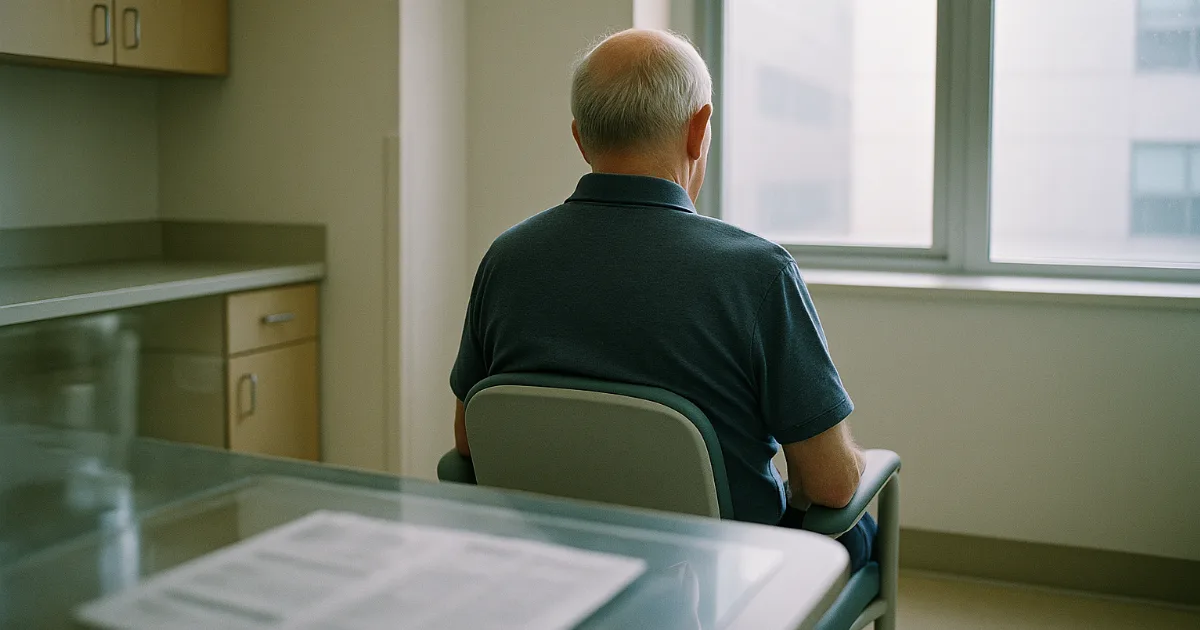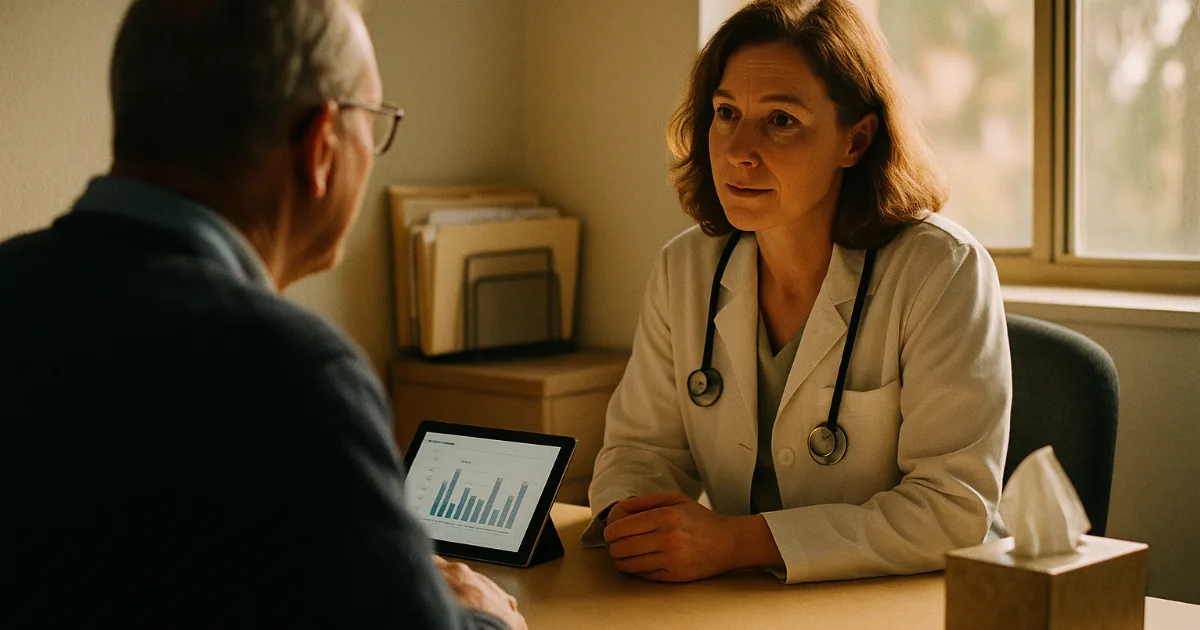

Forty-two years after Dennis Hartley first walked onto the floor of a San Diego shipyard as a young pipefitter, he sat in a pulmonologist's office in Escondido listening to a diagnosis he'd half-expected and fully dreaded. Mesothelioma. The doctor handed him a pamphlet and mentioned two treatment options. What the pamphlet didn't mention was that a cancer center less than twenty miles away was offering a third, a fourth, and a fifth.
Dennis's story isn't unusual. What I hear from patients going through this is that the gap between what a general oncologist knows about mesothelioma and what a specialized center can actually offer is enormous. California happens to have some of the most concentrated mesothelioma expertise in the country, and in 2026, the distance between a standard treatment plan and a specialized one can mean years of additional survival.
What Makes California's Mesothelioma Treatment Landscape Different?
California mesothelioma treatment stands apart from most of the country because the state hosts multiple National Cancer Institute-designated comprehensive cancer centers with dedicated thoracic oncology and pleural disease programs, giving patients access to clinical trials, multidisciplinary tumor boards, and surgical techniques that simply aren't available at community hospitals.
The University of California system alone encompasses several campuses with active mesothelioma research programs, and institutions like UCLA's Jonsson Comprehensive Cancer Center and UC San Francisco's UCSF Helen Diller Family Comprehensive Cancer Center maintain dedicated thoracic oncology teams. According to the National Cancer Institute, NCI-designated centers are required to demonstrate sustained excellence in cancer research and patient care, a standard that filters for the kind of institutional commitment mesothelioma patients need.
For patients navigating this landscape, the mesothelioma treatment locations directory offers a searchable breakdown of specialized centers by state and city. What separates California's centers isn't just geography. It's the volume of mesothelioma cases they see annually, the multidisciplinary teams they've built around those cases, and the access to trials that community oncologists can't offer.
Mesothelioma is rare enough, roughly 3,000 new diagnoses in the United States each year according to the American Cancer Society, that most oncologists encounter only a handful of cases in a career. A mesothelioma specialist at a major California center may see that many in a single year. Volume creates expertise. Expertise creates better outcomes.
Why the Treatment Protocol Has Changed Significantly Since 2020
For decades, the standard first-line treatment for pleural mesothelioma was a combination of pemetrexed and cisplatin. The FDA approved pemetrexed, marketed as Alimta, specifically for mesothelioma in 2004, according to the FDA's drug approval database, and for years that regimen was essentially the ceiling of what most patients could expect.
That ceiling has been raised considerably. The most significant shift came when the FDA approved the nivolumab plus ipilimumab combination for first-line treatment of unresectable mesothelioma in October 2020, based on results from the CheckMate 743 trial. That trial, published in The Lancet, showed that the immunotherapy combination extended overall survival compared to chemotherapy alone, particularly in patients with non-epithelioid histology. According to research published in the Journal of Thoracic Oncology, immunotherapy has fundamentally altered the treatment sequencing conversation for mesothelioma specialists.
California centers were among the earliest adopters of this shift. Many had been running their own immunotherapy trials for years before the federal approval came through. For patients, that institutional experience matters enormously. A center that has administered hundreds of nivolumab-ipilimumab cycles has refined its toxicity management, its response monitoring, and its criteria for switching protocols in ways that a center administering its first dozen cases simply hasn't.
For a deeper look at how immunotherapy works in mesothelioma specifically, the immunotherapy for mesothelioma encyclopedia entry breaks down the mechanisms, the approved combinations, and what patients should ask their oncologists.
Beyond immunotherapy, California centers have also been leaders in integrating bevacizumab into chemotherapy regimens for select patients. A study published in the National Center for Biotechnology Information examined bevacizumab in combination with pemetrexed and cisplatin and found meaningful improvements in progression-free survival for certain patient populations. Not every patient is a candidate, but the point is that specialized centers are making those nuanced determinations, while generalists often aren't.
What Surgical Options Are California Centers Offering in 2026?
Surgery for mesothelioma has always been controversial, partly because the disease's diffuse spread across the pleural lining makes complete resection nearly impossible, and partly because the two main surgical approaches carry very different risk profiles.
Consider the experience of a 67-year-old retired insulation contractor from Fresno who came to a California academic center after being told by a community surgeon that he wasn't a surgical candidate. The academic center's thoracic surgery team reviewed his imaging, his pulmonary function tests, and his overall performance status and offered him a pleurectomy/decortication, the lung-sparing surgery that removes the pleural lining while preserving the underlying lung.
That distinction matters enormously. A 2021 meta-analysis published in the NCBI database comparing pleurectomy/decortication to extrapleural pneumonectomy, which involves removing the entire lung, found that pleurectomy/decortication was associated with lower perioperative mortality while offering comparable survival outcomes in appropriately selected patients. California centers with high surgical volumes have refined their patient selection criteria to identify who actually benefits from each approach.
The extrapleural pneumonectomy is still performed at select California centers for patients who meet specific criteria, typically younger patients with good pulmonary reserve, epithelioid histology, and no evidence of nodal involvement. But the trend in 2026 has shifted toward lung-sparing approaches wherever oncologically appropriate, according to thoracic surgery literature in the Journal of Thoracic Oncology.
For patients trying to understand whether surgery is even on the table for them, the critical first step is getting to a center where the surgeon has performed these procedures dozens of times, not twice. Many patients in California's Central Valley, Inland Empire, and northern rural regions don't realize that driving three hours to a specialized center could fundamentally change their surgical options.
!Partially open mesothelioma pamphlet on worn clinical desk beside stethoscope and chart
How Are California's Veterans Being Reached?
The intersection of military service and mesothelioma is impossible to ignore in California, which has the largest veteran population of any state in the country. The Navy's extensive presence at San Diego, Long Beach, and Alameda Naval Air Station means that a significant portion of California's mesothelioma patients are veterans who were exposed to asbestos in ship engine rooms, boiler spaces, and below-deck compartments decades before anyone told them the insulation surrounding them was lethal.
Many patients and families I've worked with describe a particular kind of frustration: the VA system, for all its strengths, isn't always the fastest path to specialized mesothelioma care. VA facilities vary significantly in their oncology capabilities, and mesothelioma, because of its rarity, often requires referral to outside specialists. Veterans in California who are navigating this system should know that the VA's Community Care Program can authorize treatment at outside cancer centers when the VA can't provide the same level of care internally.
The VA benefits eligibility tool can help veterans and their families determine what benefits they're entitled to, including disability compensation, healthcare coverage, and survivor benefits. The veterans' mesothelioma resource page provides additional context on how military asbestos exposure is documented and how it connects to claims.
For veterans specifically, the exposure sites directory can help identify the specific ships, bases, or facilities where asbestos contact occurred, which is often a critical piece of both the medical history and any legal claim.
What Should Patients and Families Do Next?
The most important step you can take right now, if you or someone you love has received a mesothelioma diagnosis in California, is to request a second opinion at a specialized center before committing to a treatment plan. This isn't a criticism of your current oncologist. It's a recognition that mesothelioma is rare enough that even excellent oncologists benefit from specialist input.
Here's what that process looks like practically. You or your care team contacts the thoracic oncology or pleural disease program at a major California center. You send imaging, pathology slides, and medical records. A multidisciplinary team, typically including a medical oncologist, thoracic surgeon, radiation oncologist, and pulmonologist, reviews your case together. You receive a treatment recommendation that reflects current evidence and, crucially, current clinical trial availability.
Clinical trials are worth emphasizing separately. California's major cancer centers are active participants in national cooperative group trials through the National Clinical Trials Network. In 2026, there are active trials exploring novel immunotherapy combinations, CAR-T cell approaches, and gene therapy strategies for mesothelioma. Research published in NCBI examining gene therapy approaches for mesothelioma has identified several promising vectors, and California institutions are among those translating that research into early-phase trials. A patient treated only at a community center may never be told these trials exist.
Beyond treatment, patients and families in California should also understand their legal options. Asbestos trust funds, established by bankrupt asbestos manufacturers, hold billions of dollars specifically designated for mesothelioma patients. California has specific statutes of limitations governing when claims must be filed, and those deadlines begin at diagnosis, not at exposure. The statute of limitations tool can help you understand the timeline in California specifically.
For families considering legal action, the mesothelioma compensation guide and the guide to filing a mesothelioma lawsuit are starting points for understanding what the process involves without committing to anything.
The Emerging Frontier: What California Centers Are Testing Now
Looking beyond currently approved treatments, California's academic centers are exploring several approaches that could reshape mesothelioma care within the next five years.
Photodynamic therapy, which uses light-activated compounds to destroy cancer cells, is being studied at select California institutions as an adjunct to surgery. The approach targets the residual microscopic disease that surgeons can't physically remove, which is the primary reason mesothelioma recurs even after aggressive resection. Early results are promising enough that several centers have incorporated it into their surgical protocols for appropriately selected patients.
Gene therapy represents another frontier. Research published in NCBI has explored multiple gene therapy vectors for mesothelioma, including approaches that restore tumor suppressor gene function and those that sensitize cancer cells to immune attack. California institutions with strong translational research programs are among those moving these approaches from bench to bedside.
Moffitt Cancer Center, while based in Florida, has published extensively on mesothelioma immunotherapy protocols that California centers have adapted and built upon, according to Moffitt's published research. The cross-pollination of ideas between major cancer centers, through shared trial networks and published literature, means that a California patient at a specialized center benefits from the collective knowledge of the entire field.
For patients and families processing all of this, the emotional weight of navigating treatment decisions while managing a serious diagnosis is real and significant. What I hear from patients going through this is that having a knowledgeable advocate, whether a patient navigator, a social worker, or a mesothelioma attorney who understands the medical landscape, makes an enormous difference in both the quality of decisions made and the ability to sustain the fight over time.
Dennis Hartley, the San Diego pipefitter from the opening of this story, ultimately enrolled in a clinical trial at a California academic center. He's been on treatment for fourteen months. The pamphlet his first doctor handed him didn't mention that option. His second opinion did.

Frequently Asked Questions
What are the best mesothelioma treatment centers in California?
California's leading mesothelioma treatment centers include NCI-designated comprehensive cancer centers at UCLA, UCSF, UC San Diego, and USC. These institutions maintain dedicated thoracic oncology and pleural disease programs with multidisciplinary teams. According to the National Cancer Institute, NCI-designated centers must demonstrate sustained excellence in research and patient care, making them the most appropriate referral destinations for rare cancers like mesothelioma.
Is immunotherapy available for mesothelioma patients in California?
Yes. The FDA approved nivolumab plus ipilimumab for first-line unresectable pleural mesothelioma in October 2020. California's major cancer centers have been administering this combination since its approval and many were involved in earlier clinical trials. According to research in the Journal of Thoracic Oncology, immunotherapy has fundamentally changed first-line treatment sequencing for mesothelioma specialists, and California centers are among the most experienced in managing this protocol.
What is the difference between pleurectomy/decortication and extrapleural pneumonectomy?
Pleurectomy/decortication removes the pleural lining while preserving the lung. Extrapleural pneumonectomy removes the entire lung along with surrounding structures. A meta-analysis published in NCBI found that pleurectomy/decortication was associated with lower perioperative mortality and comparable survival in appropriately selected patients. In 2026, California's specialized centers trend toward lung-sparing approaches where oncologically appropriate, though patient selection criteria vary by institution.
Can California veterans access specialized mesothelioma care through the VA?
Yes, though the path requires navigation. The VA's Community Care Program can authorize treatment at outside cancer centers when VA facilities can't provide equivalent specialized care. California has the largest veteran population in the country, and many mesothelioma cases in the state involve Navy veterans exposed to shipboard asbestos. Veterans should use available eligibility tools to understand their benefits and explore both VA and civilian treatment options simultaneously.
Are there mesothelioma clinical trials available in California in 2026?
Yes. California's NCI-designated cancer centers participate in national cooperative group trials through the National Clinical Trials Network. Active areas of investigation include novel immunotherapy combinations, gene therapy approaches, and photodynamic therapy as a surgical adjunct. Research published in NCBI has identified promising gene therapy vectors for mesothelioma, and California institutions are among those translating that research into early-phase human trials. Patients should ask specifically about trial eligibility at their first specialist appointment.
How does bevacizumab fit into mesothelioma treatment in California?
Bevacizumab, an anti-angiogenic agent, has been studied in combination with pemetrexed and cisplatin for pleural mesothelioma. A study published in NCBI found meaningful improvements in progression-free survival for select patient populations receiving this combination. Not every patient is a candidate, and the determination requires specialist evaluation. California centers with dedicated mesothelioma programs are better positioned to make these nuanced treatment decisions than community oncologists.
What legal options do California mesothelioma patients have?
California mesothelioma patients can pursue asbestos trust fund claims, personal injury lawsuits, or wrongful death claims. Asbestos trust funds hold billions of dollars designated for mesothelioma patients. California's statute of limitations for mesothelioma claims begins at diagnosis, not at the time of asbestos exposure. Patients should consult a mesothelioma attorney promptly after diagnosis to preserve their legal options within California's filing deadlines.
This article is for informational purposes only and does not constitute medical advice. Consult your healthcare provider for guidance specific to your situation.