
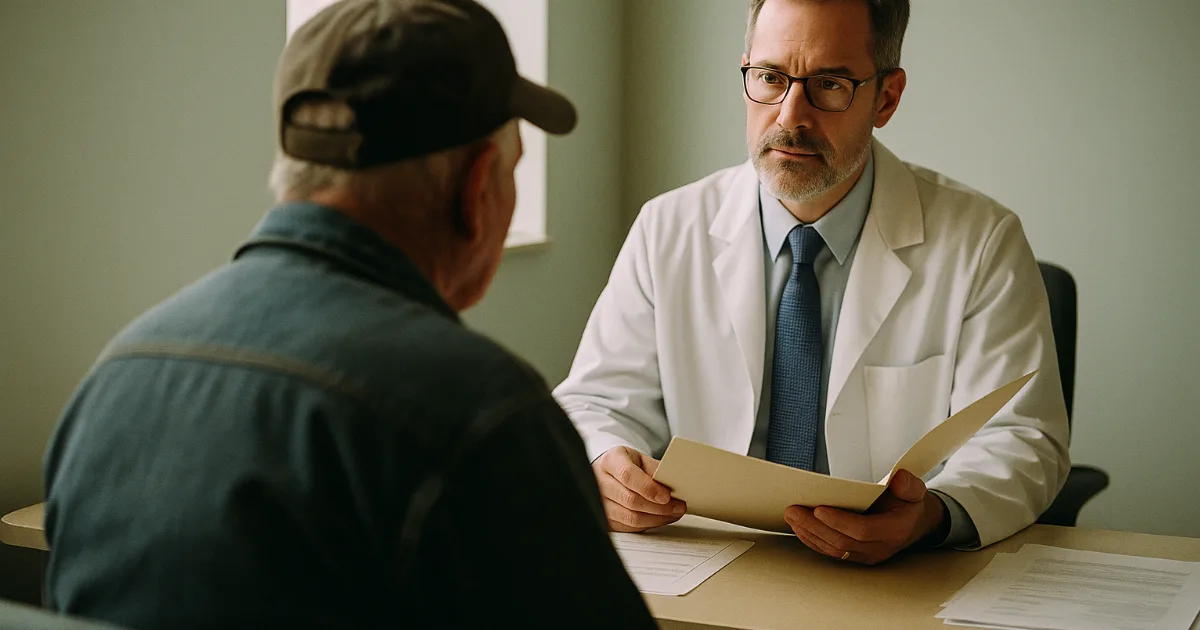
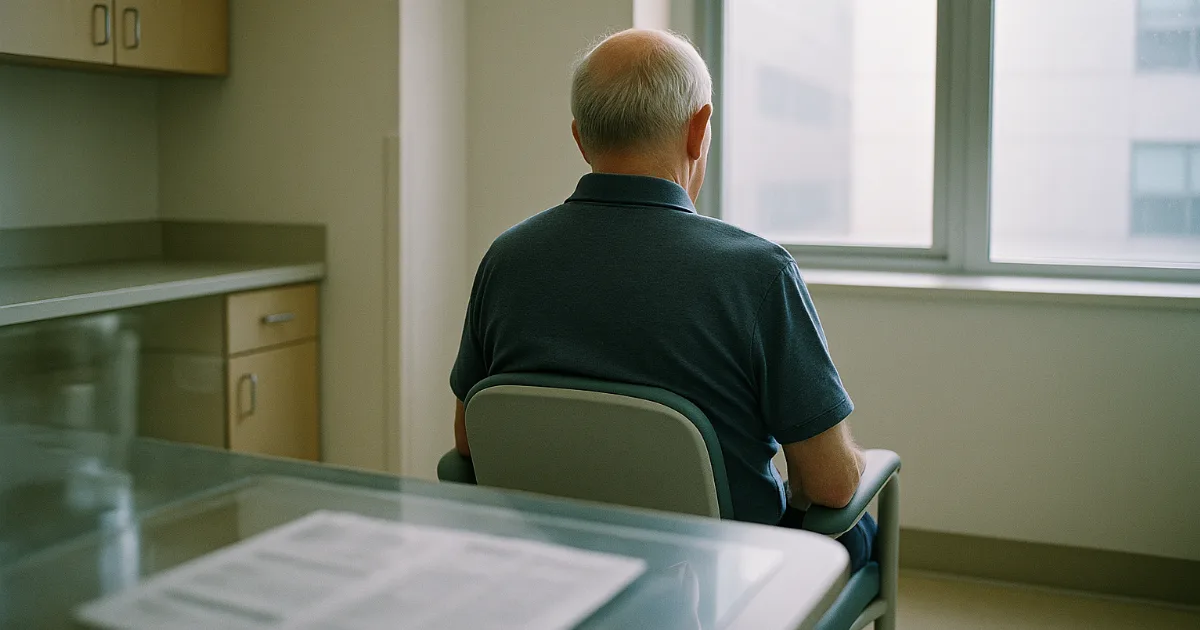
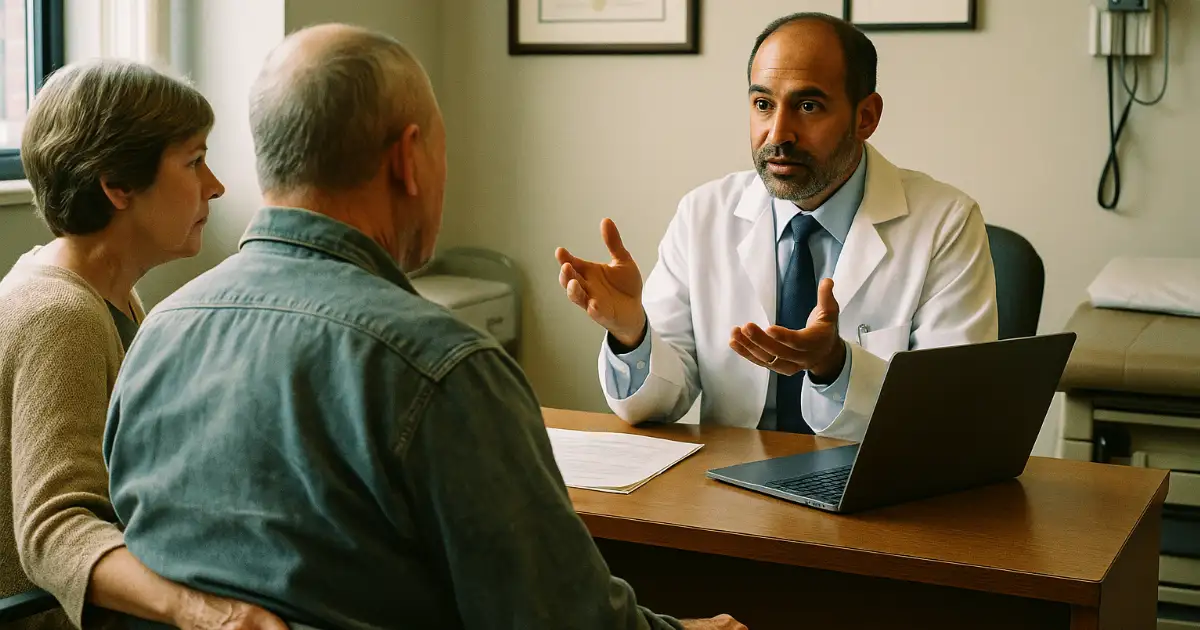
CHICAGO, IL — A retired pipefitter from Rockford sat in an oncologist's office earlier this year and heard something his wife had to ask repeated twice: that a federally approved two-drug immunotherapy combination might give him more time than anyone had predicted when his diagnosis came down in January.
That combination, nivolumab plus ipilimumab, has been changing the calculus for patients with unresectable malignant pleural mesothelioma since the FDA formally approved it for that indication. But for patients in Illinois, access to that protocol, and the legal support needed to afford it, is now converging in ways that matter enormously for families navigating this disease in 2026.
What the FDA Approval Means for Midwest Patients
The FDA's approval of nivolumab plus ipilimumab for unresectable malignant pleural mesothelioma marked a significant shift away from chemotherapy as the default first-line treatment for eligible patients. According to the FDA, the combination was approved based on data showing improved overall survival compared to chemotherapy in patients with unresectable disease, regardless of histology. That last word matters: both epithelioid and sarcomatoid subtypes were included in the approval, expanding eligibility well beyond what earlier immunotherapy trials covered.
For patients in the Chicago metro area and across Illinois, that approval has started filtering into clinical practice at major oncology centers. Physicians affiliated with NCI-designated cancer centers, which the National Cancer Institute tracks as part of its national infrastructure network, are increasingly presenting the combination as a primary option rather than a second-line consideration. The shift is real, but it hasn't reached every corner of the state equally. Patients in rural Illinois, or those without strong oncology networks, may still be receiving chemotherapy-first recommendations without a full discussion of immunotherapy eligibility.
What I hear from patients going through this is that they often don't know to ask about the nivolumab-ipilimumab protocol by name. That knowledge gap can cost weeks, sometimes months, of optimal treatment time.
Why Legal Support Has Become Part of the Treatment Conversation
Here's the part that surprises many families: the path to accessing cutting-edge treatment and the path to legal compensation are not separate roads. They run together, especially in Illinois.
Illinois has a well-established asbestos litigation infrastructure, with courts in Cook County and Madison County having processed thousands of mesothelioma cases over decades. That history means experienced Illinois mesothelioma lawyers understand not just the legal landscape but the medical one. Many patients I've worked with discovered, through their legal consultation, that they were eligible for asbestos trust fund claims they hadn't known existed, claims that could fund the out-of-pocket costs of immunotherapy, travel to specialized centers, or home care during treatment.
According to the FDA's approval documentation, nivolumab plus ipilimumab is specifically indicated for unresectable malignant pleural mesothelioma. That specificity matters legally, too. When families work with an Illinois mesothelioma lawyer to document exposure history and medical records, that documentation also supports insurance appeals when insurers attempt to deny immunotherapy coverage on the grounds that chemotherapy is a less expensive alternative.
The most important step you can take right now, if you or someone you love has received a mesothelioma diagnosis in Illinois, is to pursue a legal consultation and a second oncology opinion simultaneously. These are not sequential steps. They are parallel ones.
What Families in Illinois Should Know Before Choosing a Treatment Path
Many patients and families I've worked with arrive at their first oncology appointment without knowing that clinical trial access is often available alongside, or even instead of, standard-of-care protocols. The NCI's clinical trials search database lists open mesothelioma studies across the country, including trials examining combination immunotherapy, next-generation checkpoint inhibitors, and multimodal approaches that pair surgery with systemic therapy.
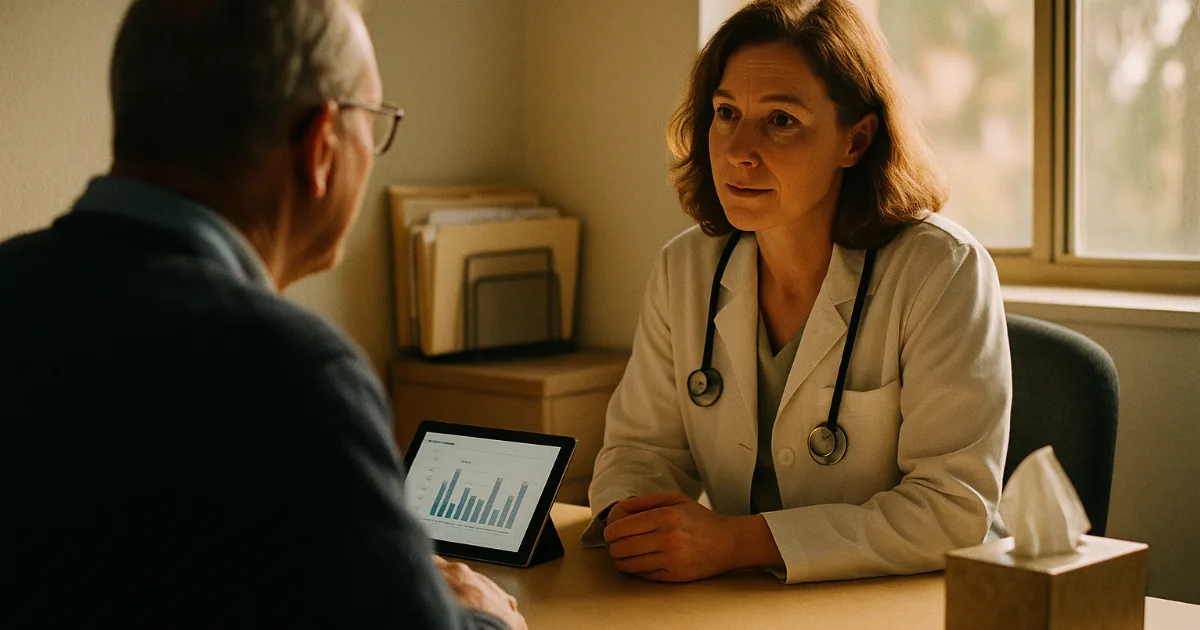
For Illinois patients specifically, proximity to Chicago's major academic medical centers is a geographic advantage that shouldn't be taken for granted. Those centers are more likely to offer tumor board review, where a multidisciplinary team evaluates each case, and to have oncologists with mesothelioma-specific experience who are familiar with the nuances of the nivolumab-ipilimumab protocol.
For families dealing with mesothelioma, the financial dimension of treatment cannot be separated from the medical one. Immunotherapy regimens are expensive. Trust fund claims, which draw from funds established by bankrupt asbestos manufacturers, can provide compensation that is independent of insurance coverage and does not require a trial. An experienced Illinois mesothelioma lawyer can identify which trusts apply to a patient's specific exposure history and file claims on a timeline that aligns with treatment needs, not just legal deadlines.
For veterans in Illinois who were exposed to asbestos during military service, additional VA benefit pathways may apply. Veterans with mesothelioma face a distinct set of eligibility considerations that a lawyer familiar with both asbestos litigation and VA claims can help navigate.
The Rockford pipefitter mentioned at the start of this piece began his first immunotherapy infusion six weeks after his diagnosis. His wife later said the thing that made the difference wasn't just finding the right oncologist. It was finding the right lawyer first, one who helped them understand what they were owed and what they could afford to demand from the medical system. That sequence, legal clarity enabling medical access, is the story playing out across Illinois right now.
This article is for informational purposes only and does not constitute medical advice. Consult your healthcare provider for guidance specific to your situation.
Comments (2)
My father was diagnosed with pleural mesothelioma in 2019 and we spent months fighting with his insurance company over treatment approval. The nivolumab-ipilimumab combo wasn't available to us then, but I wish it had been. What the article doesn't mention is that patients should also look into the Genentech Patient Assistance Program and Bristol Myers Squibb's support services—they can help cover copays if insurance does approve the treatment. The asbestos trust fund angle is crucial too, but families need to know those claims can take 6-12 months to resolve, so having these financial safety nets in place while waiting makes a real difference. Glad Illinois patients are getting this option faster now.