

LOS ANGELES, CA — Three years after a retired longshoreman from Long Beach first noticed tightness in his chest, his daughter sat across from an oncologist at a major California cancer center and heard something she hadn't expected: there were options. Real ones. Not just palliative management, but a combination immunotherapy protocol that had extended median survival in clinical trials, and a clinical trial recruiting locally that her father might qualify for. She left that appointment with a folder full of paperwork and, for the first time in months, something that felt like a plan.
That moment — the pivot from shock to strategy — is exactly what California's concentration of specialized mesothelioma treatment centers makes possible for thousands of patients each year. The state is home to some of the nation's most active mesothelioma research programs, a dense network of thoracic oncology specialists, and multiple open clinical trials that aren't available anywhere else in the country. For patients navigating a diagnosis of pleural mesothelioma or one of its rarer variants, California's treatment infrastructure represents a genuine advantage — if you know how to use it.
What Treatment Options Are Available to Mesothelioma Patients in California?
Mesothelioma patients in California have access to a wide range of treatment approaches, including surgery, chemotherapy, immunotherapy, tumor treating fields (TTFields), and clinical trials. The standard first-line treatment for most patients combines chemotherapy with pemetrexed (brand name Alimta) and cisplatin or carboplatin, but immunotherapy combinations have significantly changed the treatment calculus since 2021 for patients with unresectable disease.
The FDA approval of pemetrexed, documented in the agency's drug approval package for Alimta, established the foundational chemotherapy protocol that oncologists still use today. But the field has shifted substantially. The landmark CheckMate 743 trial, published in the New England Journal of Medicine, demonstrated that the combination of nivolumab and ipilimumab — two immune checkpoint inhibitors — produced a median overall survival of 18.1 months compared to 14.1 months with chemotherapy alone in patients with unresectable pleural mesothelioma. That 4-month difference, in a disease where every month matters, was enough to change how many California oncologists approach first-line treatment for eligible patients.
For patients whose tumors are caught at an earlier stage, surgery remains a cornerstone of treatment at California's major academic centers. The two primary surgical approaches, pleurectomy/decortication (P/D) and extrapleural pneumonectomy (EPP), have been compared extensively in the medical literature. Research published in a peer-reviewed comparative outcomes study found that P/D was associated with lower perioperative mortality while maintaining comparable survival outcomes in selected patients, leading many California thoracic surgeons to favor it over the more radical EPP for appropriate candidates. Understanding the difference between these procedures is one of the first conversations worth having with a specialist — our diagnosis and treatment guide breaks down what each involves.
Beyond surgery and systemic therapy, California patients increasingly have access to tumor treating fields, a technology that delivers low-intensity electric fields to disrupt cancer cell division. The STELLAR trial, whose results were published in a peer-reviewed analysis, showed that TTFields combined with chemotherapy produced a median overall survival of 18.2 months in pleural mesothelioma patients — results that drew significant attention from the oncology community and prompted expanded access programs at several California institutions.
Why Does California's Treatment Infrastructure Matter for Mesothelioma Patients?
What I hear from patients going through this is that the first oncologist they see sets the tone for everything that follows. In many parts of the country, that first oncologist may have treated only a handful of mesothelioma cases in their career. California is different. The state's academic medical centers — including institutions in San Francisco, Los Angeles, San Diego, and Sacramento — maintain dedicated thoracic oncology programs with physicians who specialize specifically in malignant mesothelioma and related asbestos-related diseases.
This matters for a concrete reason: mesothelioma is rare enough, with approximately 3,000 new diagnoses annually in the United States according to the National Cancer Institute, that treatment decisions are genuinely complex and experience-dependent. A physician who has managed 200 mesothelioma cases approaches staging, resectability assessment, and multimodal treatment planning differently than one who has managed 10. California's patient volume, driven in part by the state's extensive industrial and naval history and its documented patterns of asbestos exposure, has created a concentration of that expertise.
For veterans, this infrastructure carries additional significance. California has one of the largest veteran populations in the country, and mesothelioma disproportionately affects men who served in the Navy or worked in shipyards, where asbestos insulation was ubiquitous through the 1970s. Veterans pursuing treatment at VA medical centers in California have access to oncology programs, but many specialists recommend seeking evaluation at an NCI-designated cancer center in parallel. Our VA benefits eligibility tool can help veterans understand what coverage they may be entitled to while pursuing specialized care.
"The most important step you can take right now is getting a second opinion at a center that sees mesothelioma regularly — not because your first doctor is wrong, but because this disease is complex enough that specialized eyes catch things others miss."
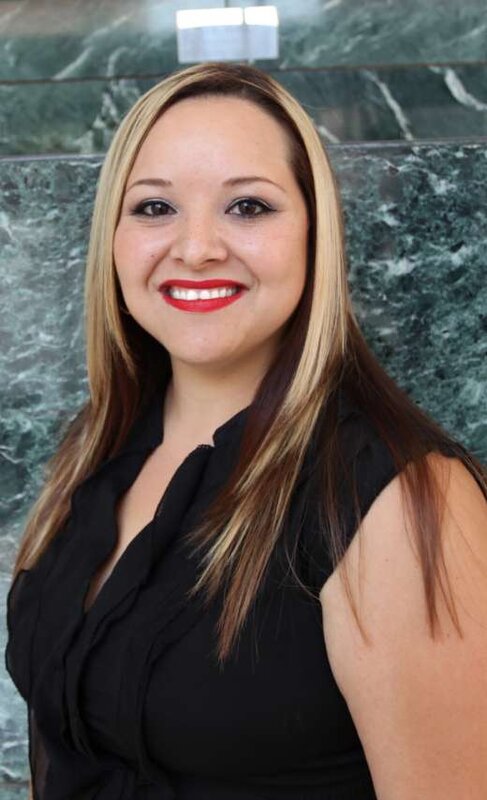
— Yvette Abrego, Patient Advocate
How Are California's Clinical Trials Changing the Prognosis for Mesothelioma Patients?
A retired schoolteacher from Riverside was told in early 2025 that her peritoneal mesothelioma was inoperable. Her local oncologist offered standard chemotherapy. Her daughter, doing research late one night, found an open clinical trial at a Los Angeles cancer center studying a novel CAR-T cell therapy approach for peritoneal disease. Three months later, the teacher was enrolled. Her outcome is still being tracked, but her access to that trial — one that wasn't available in her home city — changed what was possible.
California hosts a disproportionate number of active mesothelioma clinical trials relative to most other states. The NCI's clinical trials search database lists multiple open studies recruiting in California at any given time, spanning immunotherapy combinations, targeted therapies, novel surgical approaches, and biomarker-driven treatment selection. For patients whose disease has progressed on first-line treatment, these trials often represent the most promising available option — and sometimes the only option that goes beyond standard supportive care.
The biomarker research underpinning many of these trials has accelerated significantly. A study examining biomarkers for early detection of mesothelioma, published in a peer-reviewed analysis, identified several promising candidates including fibulin-3 and soluble mesothelin-related peptides (SMRP) that may eventually allow oncologists to detect disease earlier and match patients to targeted therapies more precisely. California institutions have been active participants in this research, and patients treated at major academic centers benefit from access to molecular profiling that can inform trial eligibility and treatment selection.
According to research compiled in the medical literature through the National Institutes of Health, the histological subtype of a patient's tumor — epithelioid, sarcomatoid, or biphasic — significantly affects both prognosis and treatment response. Epithelioid mesothelioma generally responds better to chemotherapy and immunotherapy than sarcomatoid disease, and this distinction drives treatment planning at California's specialized centers in ways that may not occur at community oncology practices. Patients who have only been told they have mesothelioma, without discussion of subtype and what it means for their specific treatment options, should ask their physician directly.
Finding the right trial requires active navigation. Our doctor directory includes specialists at major California institutions who can assess trial eligibility, and the NCI's clinical trials database allows patients to search by location, disease type, and treatment phase.
!Elderly man's weathered hands on waiting room chair armrest in cancer treatment center
What Does Multimodal Treatment Actually Look Like for California Patients?
The phrase "multimodal treatment" appears frequently in mesothelioma literature, but what it means in practice varies considerably. At California's most specialized centers, a patient newly diagnosed with resectable pleural mesothelioma might undergo an initial evaluation by a thoracic surgeon, a medical oncologist, and a radiation oncologist simultaneously — a tumor board approach that produces a coordinated treatment plan rather than sequential referrals.
A typical multimodal course for an eligible patient might involve induction chemotherapy to reduce tumor burden, followed by surgery (usually P/D at California centers that have moved away from EPP), followed by adjuvant chemotherapy or radiation. The integration of immunotherapy into this sequence is an active area of investigation, with several California-based trials exploring whether checkpoint inhibitors can be added to surgical protocols to improve outcomes. Research published in the Journal of Thoracic Oncology has examined various combinations of these modalities, with results that continue to refine how oncologists sequence treatment.
For patients who are not surgical candidates — which represents the majority of mesothelioma patients, given that most diagnoses occur at advanced stages — the treatment landscape has been most dramatically transformed by immunotherapy. The CheckMate 743 data established dual checkpoint inhibition as a viable first-line standard, and California oncologists have been among the earliest adopters of this approach. Patients who are considering their options should understand that the "standard of care" is not static: what was standard in 2020 is different from what's available in 2026, and a specialist who stays current with the literature will offer meaningfully different options than one who doesn't.
Many patients and families I've worked with don't realize that financial toxicity is itself a treatment barrier. The cost of immunotherapy, clinical trial participation logistics, and travel to specialized centers can be prohibitive. California has state-specific resources, including programs through the California Department of Public Health and patient assistance programs at major cancer centers, that can offset some of these costs. Understanding your compensation options — including asbestos trust funds, which have paid out more than $20 billion to patients nationwide — is part of building a treatment plan that's actually sustainable.

What Should Patients and Families Do Next?
The week after a mesothelioma diagnosis is, in my experience as a patient advocate, simultaneously the worst and most consequential week of the entire journey. Decisions made in those first days — which oncologist to see, whether to seek a second opinion, whether to ask about clinical trials — shape everything that follows. The urgency is real, but panic is the enemy of good decision-making.
The most important step you can take right now is to request a formal pathology review at a center that specializes in thoracic malignancies. Mesothelioma is frequently misdiagnosed on initial biopsy — it can be confused with adenocarcinoma and other pleural diseases — and confirming the diagnosis and histological subtype is the foundation of everything else. California's major cancer centers perform this review routinely, and many will accept outside pathology specimens for consultation.
From there, the practical steps are sequential. Get a staging workup at a specialized center, including PET-CT imaging and pulmonary function testing if surgery is being considered. Ask specifically about clinical trial eligibility — not as a last resort, but as part of initial evaluation. Understand your insurance coverage for out-of-network specialists, because the best mesothelioma oncologist in California may not be in your plan's network, and the cost difference may be negotiable or coverable through financial assistance programs.
For patients with documented asbestos exposure through occupational or environmental sources, exploring legal options in parallel with treatment is not a distraction — it's a financial lifeline. Asbestos trust funds were established specifically to compensate patients without requiring lengthy litigation, and many California patients qualify for claims from multiple trusts simultaneously. Our guide to filing an asbestos trust fund claim explains the process in plain language.
Finally, bring someone with you to every appointment. Not because you can't handle the information alone, but because two sets of ears catch things one set misses, and the questions you forget to ask in the room are the ones that matter most at 2 a.m. California's specialized mesothelioma centers often have patient navigators and social workers available specifically to help families manage the complexity of this diagnosis — ask for them by name if they're not offered.
The longshoreman's daughter from Long Beach left that appointment with a plan. That's what California's treatment infrastructure, at its best, can provide. The disease hasn't changed. But what's possible within it has — and knowing that is where the fight begins.

Frequently Asked Questions About Mesothelioma Treatment in California
What are the main mesothelioma treatment centers in California?
California has several NCI-designated cancer centers with dedicated thoracic oncology programs, including institutions in Los Angeles, San Francisco, San Diego, and Sacramento. These centers offer specialized mesothelioma care including surgical evaluation, immunotherapy, and clinical trial access. Patients should specifically seek centers with thoracic surgeons and medical oncologists who treat mesothelioma regularly, not just general oncology practices.
Is immunotherapy covered by insurance for mesothelioma patients in California?
Many California insurance plans, including Medicare and Medi-Cal, cover FDA-approved immunotherapy combinations for mesothelioma. The nivolumab plus ipilimumab combination gained FDA approval based on CheckMate 743 trial data and is considered a first-line standard for eligible patients with unresectable pleural mesothelioma, according to the New England Journal of Medicine study. Prior authorization is typically required, and patient assistance programs exist for those with coverage gaps.
How do I find mesothelioma clinical trials in California?
The NCI's clinical trials search database allows patients to search by cancer type, location, and treatment phase. California typically has multiple open mesothelioma trials at any given time, spanning immunotherapy combinations, targeted therapies, and surgical protocols. Patients should ask their oncologist specifically about trial eligibility during initial evaluation, not only after standard treatments have been exhausted.
What is the difference between pleurectomy/decortication and extrapleural pneumonectomy?
Pleurectomy/decortication (P/D) removes the pleural lining and visible tumor while preserving the lung. Extrapleural pneumonectomy (EPP) removes the lung, pleura, diaphragm, and pericardium. Research published in comparative outcomes studies found P/D associated with lower perioperative mortality and comparable survival in selected patients. Many California centers now favor P/D for appropriate surgical candidates, though the choice depends heavily on individual tumor characteristics and patient fitness.
Can California veterans access specialized mesothelioma treatment through the VA?
Veterans in California can access oncology services through VA medical centers, but many specialists recommend simultaneous evaluation at an NCI-designated cancer center for mesothelioma specifically. VA coverage may extend to community care providers when VA facilities lack sufficient specialty expertise. Veterans should also explore disability compensation and dependency and indemnity compensation through the VA, which can provide financial support during treatment.
What is tumor treating fields therapy and is it available in California?
Tumor treating fields (TTFields) deliver low-intensity electric fields via a wearable device to disrupt cancer cell division. The STELLAR trial showed median overall survival of 18.2 months when TTFields were combined with chemotherapy in pleural mesothelioma patients, according to published trial results. Several California cancer centers offer TTFields through expanded access programs or clinical trials, and the technology is increasingly integrated into multimodal treatment plans for eligible patients.
How does mesothelioma histology affect treatment options in California?
Mesothelioma occurs in three main histological subtypes: epithelioid, sarcomatoid, and biphasic. According to research published through the National Institutes of Health, epithelioid tumors generally respond better to chemotherapy and immunotherapy, while sarcomatoid disease is more treatment-resistant. Subtype identification through pathology review is essential before treatment planning, as it directly affects which therapies are likely to be effective and which clinical trials a patient may qualify for.
This article is for informational purposes only and does not constitute medical advice. Consult your healthcare provider for guidance specific to your situation.

Comments (5)
— Yvette Abrego
— Yvette Abrego