

A retired longshoreman from Long Beach spent 31 years working the docks before a persistent ache in his chest sent him to a pulmonologist. The diagnosis that came back — pleural mesothelioma — arrived like a sentence. His community oncologist, who had seen exactly two mesothelioma cases in a 20-year career, handed him a pamphlet and a referral. What the pamphlet didn't mention was that 90 miles north, at a cancer center in Los Angeles, a clinical trial was enrolling patients with his exact diagnosis.
That gap — between what's available and what patients actually know about — is the defining challenge for mesothelioma care in 2026. California sits at a unique crossroads: it has some of the nation's most aggressive asbestos exposure histories, some of its most sophisticated cancer treatment infrastructure, and a legal landscape where experienced mesothelioma attorneys are actively connecting patients to both compensation and clinical care. For patients and families navigating this disease right now, understanding how those three forces interact could make a measurable difference in outcomes.
What Makes California a Mesothelioma Treatment Hub?
California hosts several of the most specialized mesothelioma treatment programs in the United States, each offering protocols and clinical trial access that most regional hospitals simply cannot match. According to the National Cancer Institute's treatment guidelines, mesothelioma management increasingly requires a multidisciplinary team that includes thoracic surgeons, medical oncologists, radiation oncologists, and pulmonologists who work together — not in isolation. That kind of coordinated infrastructure is rare, and California has built it.
Moffitt Cancer Center, which maintains a dedicated mesothelioma program, describes the disease as one that requires individualized, multimodal treatment planning. The Brigham and Women's Hospital Mesothelioma and Pleural Disease Program — one of the most referenced centers in the country — has helped establish the surgical and systemic treatment standards that California's leading centers now follow. For patients in the state, the practical implication is access: access to surgeons trained in pleurectomy/decortication, access to immunotherapy combinations, and access to trials that may not be recruiting anywhere else on the West Coast.
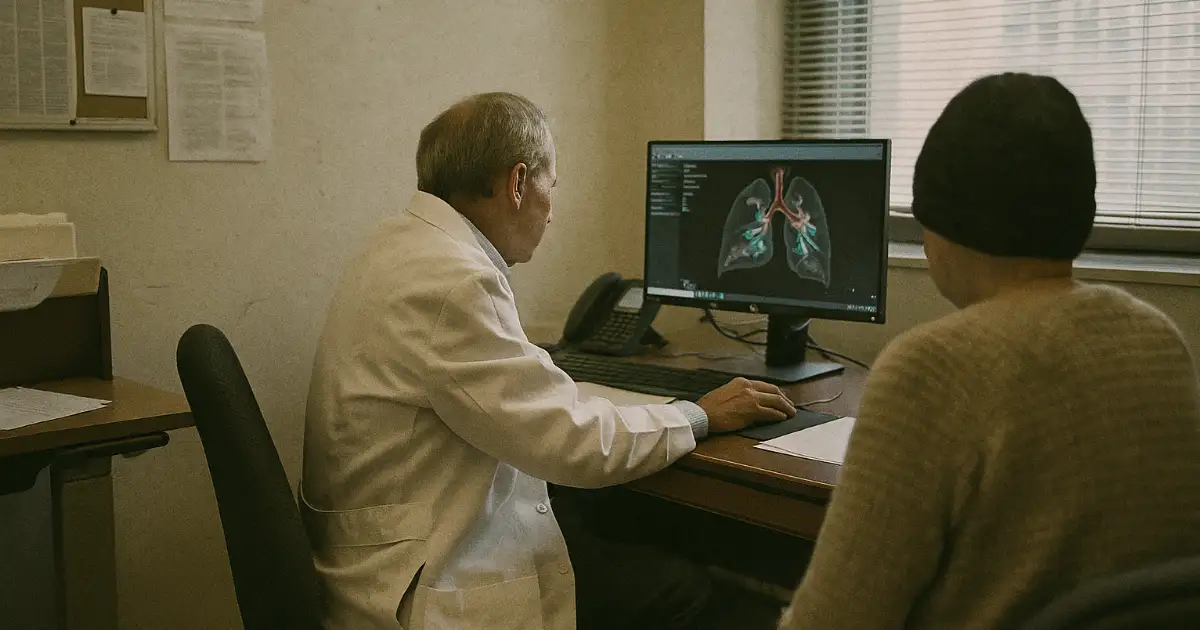
What I hear from patients going through this is that they often don't know these options exist until someone — a second-opinion oncologist, a patient advocate, or sometimes an attorney — tells them. The standard of care has shifted substantially in the past several years, and community hospitals haven't always kept pace. According to the NCI's patient-facing treatment guidelines, current first-line therapy for unresectable pleural mesothelioma typically includes a combination of nivolumab and ipilimumab, or pemetrexed-based chemotherapy, depending on histology and patient fitness. But beyond first-line, the options branch considerably — and that's where California's trial infrastructure becomes critical.
For families trying to navigate these decisions, our guide to choosing a mesothelioma treatment center breaks down what to look for when evaluating specialized programs, including questions to ask about trial enrollment and surgical volume.
Why California's Asbestos History Makes This Personal
The reason California has built such robust mesothelioma infrastructure isn't coincidental. The state's industrial and military history created one of the largest concentrations of asbestos-exposed workers in the country. Naval shipyards in San Diego, Oakland, and Long Beach exposed hundreds of thousands of workers to asbestos insulation from the 1940s through the 1970s. Refineries in the Central Valley, steel plants in the Bay Area, and construction trades throughout Southern California added to that burden. According to the NCI, mesothelioma has a latency period of 20 to 50 years, which means the workers exposed during those postwar decades are the patients filling oncology waiting rooms today.
For veterans specifically, that history is particularly acute. Many of the men and women who served aboard Navy vessels during that era were exposed to asbestos in engine rooms, boiler rooms, and below-deck insulation — without any protective equipment and without being told of the risk. Our VA benefits eligibility tool can help veterans understand whether their service history qualifies them for disability compensation and healthcare benefits that can substantially offset treatment costs.
The exposure sites directory maintained by this site documents many of the California worksites with documented asbestos histories — a resource that has become essential not just for legal claims, but for helping newly diagnosed patients understand where and when their exposure likely occurred. That history matters clinically, too: understanding exposure type and duration can inform prognosis and sometimes treatment selection.
The CAR-T Frontier: What California Patients Should Know
In early 2023, a Phase I clinical trial published in the Journal of Clinical Oncology reported results that many mesothelioma specialists had been waiting years to see. The trial, which evaluated mesothelin-targeted CAR-T cells in patients with mesothelioma and other solid tumors, found that the therapy was feasible and showed early signals of disease control in a patient population that had exhausted conventional options. The study, led by researchers at Memorial Sloan Kettering, enrolled patients who had received prior chemotherapy — the kind of patients who, in previous generations, had few remaining options.
CAR-T cell therapy works by extracting a patient's own T cells, engineering them to recognize and attack a protein called mesothelin that is highly expressed on mesothelioma cells, and then reinfusing them. The approach is still early-stage for mesothelioma specifically, but the Phase I data suggests tolerability that some other solid tumor trials have struggled to demonstrate. According to the published trial results in the Journal of Clinical Oncology, the therapy was delivered with manageable toxicity in heavily pretreated patients, which is clinically significant.
For California patients, the relevance is geographic and institutional. Several academic medical centers in the state are either participating in or planning to open CAR-T trials for mesothelioma as the technology moves toward Phase II. The NCI's treatment guidelines acknowledge that cellular immunotherapy is an area of active investigation for mesothelioma, particularly for patients who have progressed on standard regimens. Patients who want to explore whether they qualify for such trials should ask their oncologist specifically about mesothelin-targeted approaches and consider requesting a consultation at a National Cancer Institute-designated comprehensive cancer center.
For a deeper look at how the immune system is being harnessed against mesothelioma, the diagnosis and treatment overview on this site covers both approved therapies and investigational approaches in accessible language.
!Clinical trial enrollment documents and hospital facility materials layered on consultation table
Tumor-Treating Fields: A Device That's Already Approved
While CAR-T therapy is still working its way through clinical development, one device-based treatment has already cleared the FDA for mesothelioma and is available at specialized centers in California today. Tumor-treating fields, or TTFields, use low-intensity alternating electrical fields delivered via wearable transducer arrays to disrupt cancer cell division. Patients wear the device for a minimum of 18 hours per day while continuing their normal activities.
The STELLAR trial, results of which were published in a peer-reviewed analysis available through PubMed, evaluated TTFields in combination with pemetrexed and platinum chemotherapy in patients with unresectable pleural mesothelioma. The results were notable: median overall survival reached 18.2 months in patients receiving the combination, compared to historical controls for chemotherapy alone. According to the STELLAR trial data, 62% of patients were still alive at 12 months — a meaningful improvement over historical benchmarks for this population.
Pemetrexed itself, marketed as Alimta, received FDA approval for mesothelioma in combination with cisplatin in 2004, according to the FDA's drug approval records. For more than 15 years, it was the backbone of first-line mesothelioma chemotherapy. The STELLAR data suggests that adding TTFields to that backbone can extend survival further, at least in appropriately selected patients. The chemotherapy for mesothelioma encyclopedia entry on this site provides a comprehensive review of how pemetrexed-based regimens work and what patients should expect during treatment.
What I hear from patients going through this is that the TTFields device looks intimidating at first — the wearable arrays, the daily commitment, the visible nature of the treatment. But many patients and families I've worked with have found that the device becomes routine within weeks, and the survival data gives that commitment real meaning. The most important step you can take right now if you're considering TTFields is to ask whether your current treatment center has experience prescribing and managing the device, because the learning curve is real for clinicians as well as patients.

Surgery in 2026: The Ongoing P/D vs. EPP Debate
For patients with resectable disease, surgery remains a central question — and it's one where California's high-volume centers have a genuine advantage. The two primary surgical options for pleural mesothelioma are pleurectomy/decortication (P/D), which removes the pleura and visible tumor while preserving the lung, and extrapleural pneumonectomy (EPP), which removes the lung entirely along with surrounding structures. The debate over which approach offers better outcomes has consumed the mesothelioma surgical literature for years.
A comparative outcomes study published in a peer-reviewed analysis indexed on PubMed found that P/D was associated with lower perioperative mortality than EPP, while offering comparable or superior long-term survival in selected patients. According to that analysis, EPP carries a 30-day mortality rate of approximately 7% at experienced centers, compared to roughly 2-4% for P/D. Those numbers shift depending on patient selection, institutional volume, and surgeon experience — which is precisely why the volume of cases a surgeon has performed matters enormously.
At Brigham and Women's Hospital, where much of the modern surgical literature on mesothelioma has been generated, the program's published outcomes have helped establish what's achievable with high-volume expertise. California's leading centers have trained with and adopted protocols from programs like Brigham's, meaning that patients in the state increasingly have access to surgeons who have performed hundreds of mesothelioma resections, not dozens.
For patients with peritoneal mesothelioma — a distinct form of the disease that affects the abdominal lining rather than the chest — the surgical calculus is different. Cytoreductive surgery combined with heated intraperitoneal chemotherapy (HIPEC) has become the standard of care at specialized centers, with median survivals exceeding five years in selected patients. Our peritoneal mesothelioma encyclopedia entry covers the HIPEC approach in detail, including which patients tend to be the best candidates.
What Should Patients and Families Do Next?
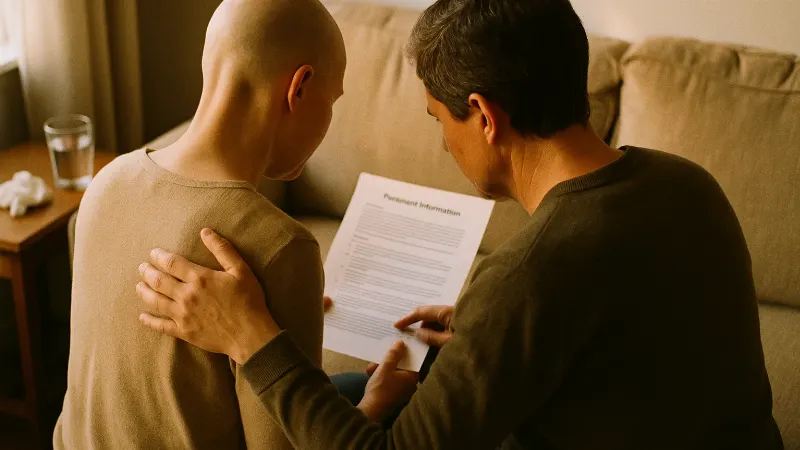
A family in Sacramento recently contacted a mesothelioma patient advocate after their father, a retired pipefitter, received a diagnosis of epithelioid pleural mesothelioma. His local oncologist had recommended chemotherapy — a reasonable first step — but the family wanted to know whether surgery was possible, whether any trials were open, and whether the legal claims their father might have would affect his ability to pursue treatment. Those three questions are more connected than most people realize.
The most important step you can take right now is to pursue a second opinion at a mesothelioma-specialized center before finalizing any treatment plan. Histology matters enormously in this disease: epithelioid mesothelioma responds better to most therapies than sarcomatoid or biphasic subtypes, and a specialized center is more likely to perform the comprehensive molecular profiling that can inform both treatment selection and trial eligibility. According to the NCI's treatment guidelines, clinical trial participation should be considered at every stage of mesothelioma treatment, not just after standard therapies have failed.
On the legal side, California mesothelioma attorneys play a role that goes beyond compensation. Experienced attorneys who specialize in asbestos litigation maintain detailed records of exposure sites, product histories, and defendant companies that can help establish the source of a patient's exposure. That documentation can matter for VA benefits claims, workers' compensation, and asbestos trust fund filings — and none of those claims require a patient to be litigating actively or even to be healthy enough to sit for a deposition. Many cases are resolved through trust fund settlements that don't involve courtroom appearances at all.
For families navigating these decisions, our answers for families resource addresses the most common questions about legal claims, treatment decisions, and financial support in one place. And for patients whose diagnosis is connected to other asbestos-related conditions, our lung cancer overview provides context on how mesothelioma differs from asbestos-related lung cancer — a distinction that affects both treatment and legal strategy.
The Attorney-Advocate Partnership That's Changing Patient Outcomes
There's a pattern that experienced mesothelioma advocates have observed over years of patient work: the patients who access the best treatments are often the ones whose attorneys connected them to specialized centers. This sounds counterintuitive, but it reflects the reality of how mesothelioma care actually flows. California's asbestos litigation bar has been active for decades, and the most experienced attorneys have developed relationships with the oncologists, surgeons, and patient advocates at the state's leading centers. When a patient files a claim, a good attorney doesn't just pursue compensation — they make sure the patient knows where to go for care.
That integration matters because mesothelioma treatment is expensive, and financial uncertainty can lead patients to defer or decline care that might extend their lives. A pending legal claim or trust fund filing doesn't disqualify a patient from receiving treatment. In fact, many California mesothelioma attorneys work with treatment centers to ensure that patients can access care immediately, with the expectation that legal recoveries will offset costs. According to available legal data, mesothelioma settlements in California have historically ranged from $1 million to over $2 million depending on exposure history, diagnosis severity, and defendant liability — amounts that can transform a family's ability to pursue aggressive treatment.
Many patients and families I've worked with have told me that they didn't realize legal representation and treatment planning could go hand in hand. They thought they had to choose: fight the disease or fight in court. The reality is that a well-resourced legal claim can fund the treatment fight, and the documentation gathered for legal purposes — exposure history, medical records, product identification — often accelerates the clinical workup at specialized centers.
Research published in Clinical Cancer Research has continued to identify molecular subtypes and biomarkers in mesothelioma that may predict response to specific therapies, reinforcing the importance of comprehensive pathology review at diagnosis. California's academic centers are at the forefront of that translational work, and patients seen at those centers are more likely to have their tumors profiled in ways that open additional options. According to research published in the journal Cancer, outcomes for mesothelioma patients treated at high-volume specialized centers are measurably better than outcomes at community hospitals — a finding that underscores the stakes of where a patient receives their initial workup.
What the Next Wave of Trials May Offer
The mesothelioma treatment landscape in 2026 is more dynamic than it has been at any point in the past two decades. Beyond CAR-T and TTFields, researchers are investigating antibody-drug conjugates, bispecific T cell engagers, and combination immunotherapy regimens that may extend the gains achieved by the nivolumab/ipilimumab approval. Nature's mesothelioma research portfolio shows a consistent increase in publications exploring immune evasion mechanisms in the disease — work that is directly informing the next generation of trial designs.
For patients in California, the practical implication is that trial access in 2026 is genuinely better than it was even three years ago. The state's academic centers are running or co-sponsoring trials that would have been impossible to access locally a decade ago. Patients who are newly diagnosed — particularly those with epithelioid histology, good performance status, and no prior systemic therapy — may have the most options, but even patients who have progressed through multiple lines of treatment are finding trials designed specifically for that population.
The challenge, as always, is navigation. Most patients don't know which trials are open, which centers are running them, or whether they meet the eligibility criteria. That navigation function — matching patients to trials, helping them understand the consent process, connecting them with financial assistance for travel and lodging — is where patient advocates, specialized attorneys, and cancer center social workers all converge. For a family facing this diagnosis, building that team early is not a luxury. It's a strategy.
The most important step you can take right now, if you've received a mesothelioma diagnosis in California or are supporting someone who has, is to move quickly toward a specialized center consultation while simultaneously connecting with an attorney who has specific asbestos litigation experience. Those two conversations can happen in parallel. They often should.
Frequently Asked Questions
What treatment options are available for mesothelioma patients in California in 2026?
California patients have access to a wide range of options, including FDA-approved immunotherapy combinations (nivolumab plus ipilimumab), pemetrexed-based chemotherapy, tumor-treating fields (TTFields), surgical resection at high-volume centers, and clinical trials investigating CAR-T cell therapy and other novel approaches. According to the NCI's treatment guidelines, the best outcomes are generally achieved through multidisciplinary evaluation at a specialized mesothelioma center.
What is tumor-treating fields therapy and is it available in California?
Tumor-treating fields (TTFields) is an FDA-approved device-based treatment that uses low-intensity alternating electrical fields to disrupt cancer cell division. Patients wear the device for at least 18 hours per day. The STELLAR trial found that adding TTFields to chemotherapy produced a median overall survival of 18.2 months in unresectable pleural mesothelioma patients. The therapy is available at specialized California cancer centers that have experience prescribing and managing the device.
How do California mesothelioma attorneys help with treatment access?
Experienced California mesothelioma attorneys do more than pursue compensation. They often have established relationships with specialized treatment centers and can connect patients with oncologists, patient advocates, and clinical trial coordinators. Legal recoveries from asbestos trust funds or litigation — which can range from $1 million to over $2 million in California — can help fund aggressive treatment that might otherwise be financially out of reach for patients and families.
What is the difference between pleurectomy/decortication and extrapleural pneumonectomy?
Pleurectomy/decortication (P/D) removes the pleura and visible tumor while preserving the lung. Extrapleural pneumonectomy (EPP) removes the entire lung along with surrounding structures. According to a comparative outcomes study indexed on PubMed, P/D is associated with lower perioperative mortality (approximately 2-4%) than EPP (approximately 7%) at experienced centers, with comparable or superior long-term survival in selected patients. High-volume California centers offer both procedures.
What is CAR-T cell therapy and how does it apply to mesothelioma?
CAR-T cell therapy involves engineering a patient's own T cells to recognize mesothelin, a protein highly expressed on mesothelioma cells. A Phase I trial published in the Journal of Clinical Oncology found that mesothelin-targeted CAR-T cells showed feasibility and early signals of disease control in mesothelioma patients who had progressed on prior chemotherapy. The therapy is still investigational for mesothelioma but is being studied in trials at academic medical centers, including some with California affiliations.
Should California mesothelioma patients consider clinical trials?
Yes. The NCI's treatment guidelines explicitly state that clinical trial participation should be considered at every stage of mesothelioma treatment, not only after standard therapies have failed. Newly diagnosed patients with epithelioid histology and good performance status often have the most trial options, but trials exist for patients who have progressed through multiple prior lines of therapy as well. California's academic cancer centers are among the most active in the country for mesothelioma trial enrollment.
How does mesothelioma differ from asbestos-related lung cancer?
Mesothelioma arises from the mesothelial lining of the pleura, peritoneum, or pericardium, while asbestos-related lung cancer originates in the lung tissue itself. The two diseases have different histologies, staging systems, treatment protocols, and legal considerations. According to the NCI, both are causally linked to asbestos exposure, but mesothelioma is almost exclusively caused by asbestos, while lung cancer has multiple contributing factors including smoking. The distinction matters for both clinical management and legal claims.
This article is for informational purposes only and does not constitute medical advice. Consult your healthcare provider for guidance specific to your situation.

Comments (2)
My old man worked at the Long Beach shipyards back in the 60s, same time I was stationed on the Kitty Hawk. He got diagnosed with mesothelioma in 2018 and passed two years later. Would've given anything to have access to these CAR-T cell trials back then. He was stuck with standard chemo at a regional hospital that had maybe seen a handful of cases. California really stepped up their game if they're offering this kind of specialized care now. Wish he couldve made it to 2026.