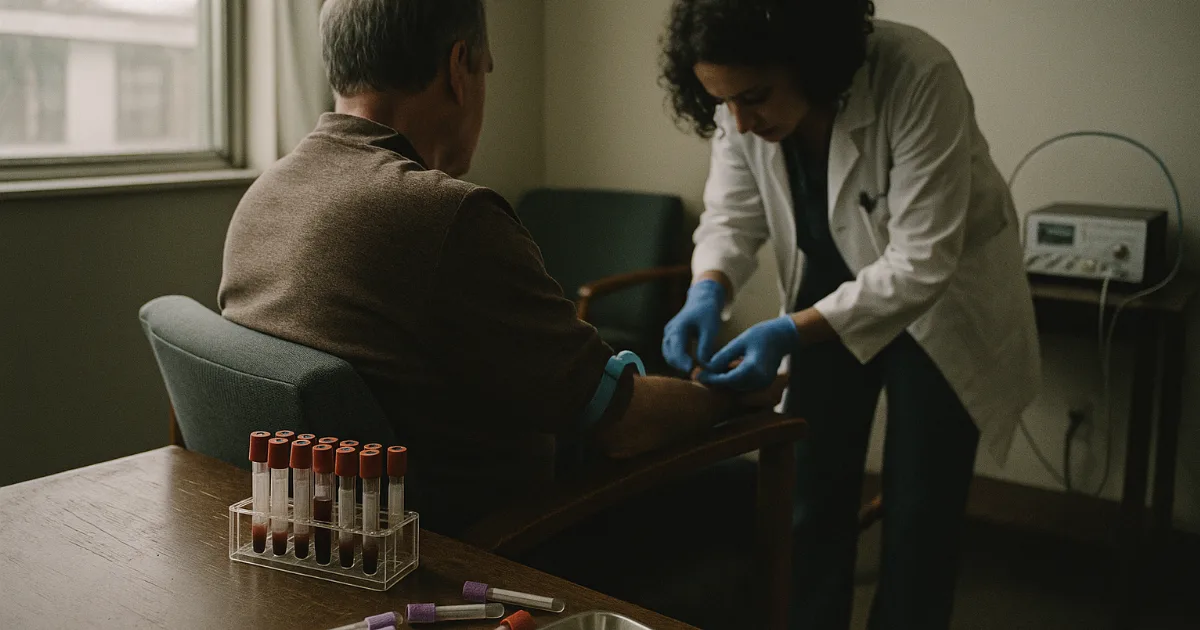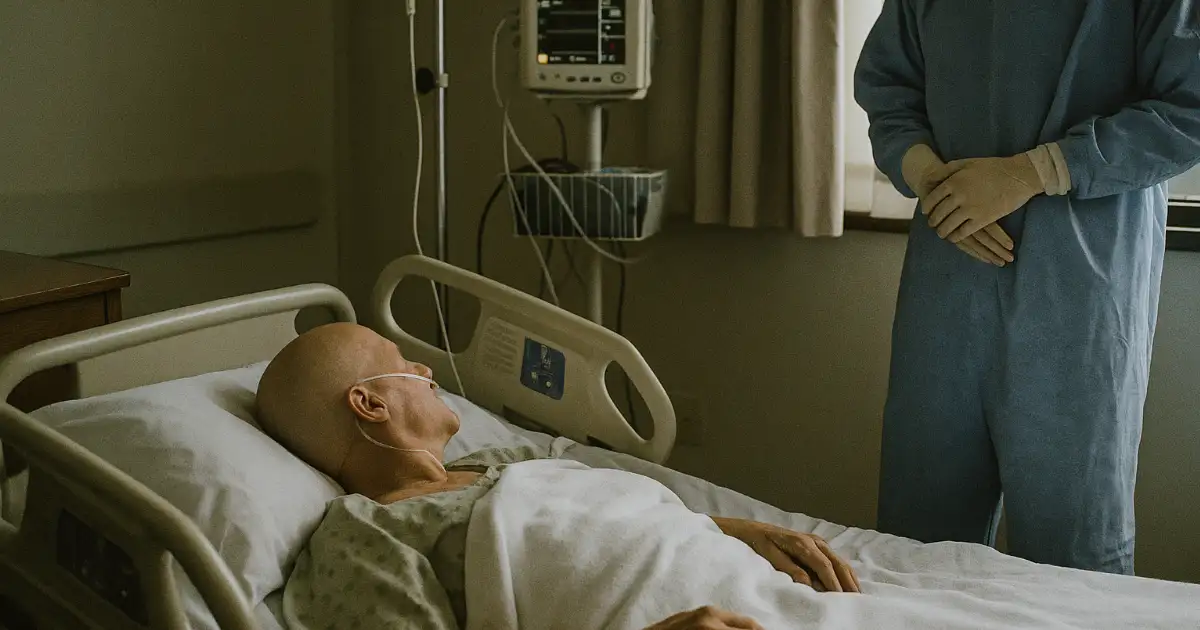

HOUSTON, TX — David Mercer was 58 years old when his oncologist at MD Anderson ran out of standard options. Two lines of chemotherapy. A brief response to immunotherapy. Then, a referral to a trial most of his family had never heard of: CAR-T cell therapy, engineered to target a protein called mesothelin that sits on the surface of mesothelioma tumors at unusually high levels.
Mercer's experience reflects a shift now visible in the research literature. Mesothelin-targeted CAR-T cell therapy, once considered a distant experimental hope, has completed a Phase I trial in mesothelioma patients, and the early findings are drawing serious attention from specialists who have spent careers watching the disease resist almost everything thrown at it.
What the Phase I Trial Found
The Phase I trial of mesothelin-targeted CAR-T cells in mesothelioma, published in the Journal of Clinical Oncology, enrolled patients with advanced pleural mesothelioma who had already received prior treatment. According to the study, researchers infused patients with their own T cells that had been genetically re-engineered to recognize and attack mesothelin-expressing tumor cells. The primary goal was safety. What investigators also found was early evidence of disease control in a population that typically faces very limited options after first-line therapy fails.
The trial documented manageable toxicity profiles and signals of anti-tumor activity, including stable disease in a subset of patients. Researchers noted that mesothelin is overexpressed in the vast majority of mesothelioma tumors, making it a logical target for this kind of precision immunotherapy. The findings were cautious but meaningful: a Phase I trial is designed to establish safety, not efficacy, but the signals were strong enough to support continued investigation in larger trials.
MD Anderson's mesothelioma program, one of the most active research centers in the country, has described CAR-T approaches as a priority area as the field moves beyond the nivolumab-plus-ipilimumab standard that the FDA approved for unresectable malignant pleural mesothelioma in 2020.
Why This Matters Now
For patients and families navigating a diagnosis with a median survival that still hovers around 18 months according to SEER data, a new mechanism of attack matters enormously. Chemotherapy with pemetrexed and platinum agents has been the backbone of treatment for two decades. The FDA's approval of dual checkpoint inhibition with nivolumab and ipilimumab marked the first real shift in the first-line standard. CAR-T therapy, if it continues to show promise, would represent something different entirely: a living drug, engineered from a patient's own immune cells, that could theoretically persist and continue fighting the tumor.
"What I hear from patients going through this is that they want to know there's something coming next," said Yvette Abrego, patient advocate at Mesothelioma-Lung-Cancer.org. "CAR-T isn't available at the corner oncology clinic, but the fact that it's moving through trials, that it's showing safety signals in this disease specifically, that matters to someone sitting across from their doctor wondering what comes after immunotherapy stops working."
The therapy is also drawing interest because of mesothelioma's unique biology. The disease's strong mesothelin expression, compared to many other cancers, means it may actually be better suited to this approach than tumors with more variable target expression. Researchers at Memorial Sloan Kettering, which has its own mesothelioma program, have noted the theoretical advantages of mesothelin as a CAR-T target in thoracic malignancies.
What Patients and Families Should Know Right Now
CAR-T cell therapy for mesothelioma is not yet a standard treatment. It remains in clinical trials, and access requires enrollment at a specialized center. The most important step you can take right now, if you or someone you love has received a mesothelioma diagnosis, is to seek evaluation at a high-volume mesothelioma treatment center where trial enrollment is actively managed. You can find accredited programs through our mesothelioma treatment center directory.
Many patients and families I've worked with don't realize that clinical trial eligibility is often assessed separately from standard treatment planning. Asking your oncologist specifically about mesothelin-targeted trials, or requesting a referral to a center with an active immunotherapy research program, can open doors that wouldn't otherwise appear.
For veterans, who are disproportionately represented among mesothelioma patients due to shipyard and military asbestos exposure, VA-affiliated cancer centers at institutions like MD Anderson have established pathways for trial access. Understanding your eligibility is a step worth taking early.
The CAR-T story in mesothelioma is still being written. But for a disease that has resisted so much for so long, a new chapter is worth paying attention to.
This article is for informational purposes only and does not constitute medical advice. Consult your healthcare provider for guidance specific to your situation.