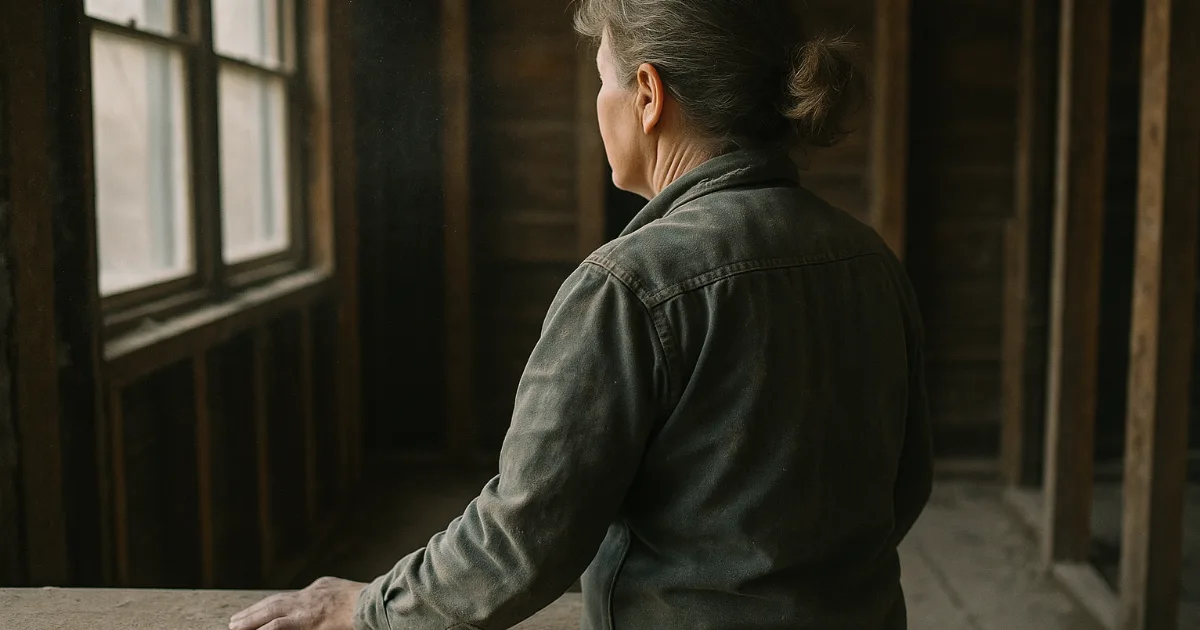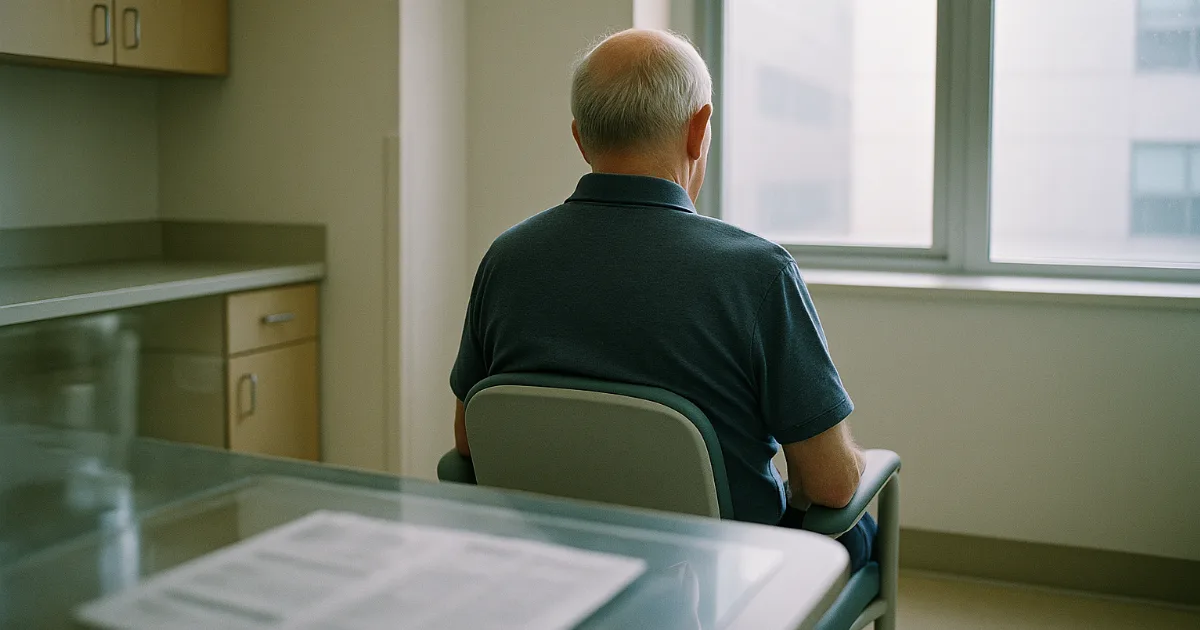


BOSTON, MA — When a 69-year-old former insulation contractor from Worcester was told last winter that his pleural mesothelioma had spread too far for surgery, his oncologist at Brigham and Women's Hospital didn't close the door. She opened another one.
The Mesothelioma and Pleural Disease Program at Brigham and Women's has quietly expanded its clinical eligibility criteria for combination immunotherapy protocols, allowing patients who previously fell outside standard enrollment windows to access nivolumab plus ipilimumab treatment. For patients with unresectable malignant pleural mesothelioma, a disease that historically offers few meaningful second chances, this shift carries real weight.
What Changed at Brigham and Women's
The Brigham and Women's Mesothelioma and Pleural Disease Program, one of the most specialized pleural centers in the country, has broadened its multidisciplinary evaluation process to include patients with more advanced performance status limitations, according to the program's published clinical protocols. Clinicians are now conducting more individualized assessments rather than applying blanket exclusion criteria based on age or ECOG performance score alone.
This matters because the FDA approved nivolumab plus ipilimumab for unresectable malignant pleural mesothelioma in 2020, based on data from the CheckMate 743 trial, which showed that patients receiving the combination lived a median of 18.1 months compared to 14.1 months on standard chemotherapy, according to the FDA's drug approval documentation. That's a meaningful difference for a disease where every additional month is a negotiation between a patient and their biology.
But approval doesn't automatically mean access. Many patients with mesothelioma, particularly older workers and veterans with comorbidities from decades of industrial asbestos exposure, have historically been screened out of immunotherapy protocols before a physician ever reviewed their full case. The Brigham program's expanded evaluation model challenges that default.
According to research published in the journal Advances in Immunotherapy for Mesothelioma, the immunotherapy combination works by activating T-cells to attack tumor cells through two separate checkpoint pathways, PD-1 and CTLA-4, producing durable responses in a subset of patients that chemotherapy alone cannot achieve.
Why This Development Matters
What I hear from patients going through this is that the word "unresectable" feels like a verdict, not a description. It's not. Unresectable means surgery isn't the right tool. It doesn't mean treatment isn't possible.
The Brigham program's approach reflects a broader shift in how leading mesothelioma centers are rethinking patient eligibility. Rather than filtering patients out at intake, the program's multidisciplinary team, which includes thoracic surgeons, medical oncologists, pulmonologists, and palliative care specialists, now evaluates each case with the full clinical picture in view. That includes a patient's functional reserve, their goals of care, and whether the immunotherapy's side effect profile can be managed alongside existing conditions.
For veterans with mesothelioma, who represent a disproportionate share of diagnoses due to shipboard and shipyard asbestos use, this is particularly significant. Many veterans are in their late 60s and 70s, carry cardiovascular or pulmonary comorbidities from decades of service, and have been told they don't "qualify" for immunotherapy without a thorough case review. The Brigham model pushes back on that assumption.
Moffitt Cancer Center in Tampa has taken a similar approach, according to its published mesothelioma care protocols, emphasizing that combination immunotherapy decisions should be made through tumor board consensus rather than algorithmic exclusion.
"The word 'unresectable' feels like a verdict to most patients. It's not. It means surgery isn't the right tool. There are still doors open, and the most important step you can take right now is getting your case in front of a specialist who knows which ones."
What This Means for Patients and Families
If you or someone you love has been told that mesothelioma is "too advanced" for immunotherapy, that assessment deserves a second look at a specialized center. The difference between a community oncologist's intake checklist and a dedicated pleural disease program's full evaluation can be the difference between a referral and a treatment plan.
Many patients and families I've worked with have traveled to centers like Brigham and Women's, Moffitt, or Memorial Sloan Kettering specifically because those programs have the volume and the expertise to make individualized decisions that smaller practices simply can't. According to the National Cancer Institute's treatment guidelines, mesothelioma patients benefit significantly from care at high-volume specialty centers.
The most important step you can take right now is requesting a multidisciplinary evaluation at a center that specializes in pleural disease. You can use our mesothelioma treatment center directory to find programs near you, or explore what immunotherapy options may be available based on your diagnosis and stage.
For patients who also have legal questions about compensation related to occupational asbestos exposure, understanding your treatment options and your legal rights aren't separate conversations. They often run on parallel tracks, and pursuing one doesn't delay the other.
This article is for informational purposes only and does not constitute medical advice. Consult your healthcare provider for guidance specific to your situation.