



She Was Told to 'Get Her Affairs in Order.' Three Years Later, She's Still Fighting.
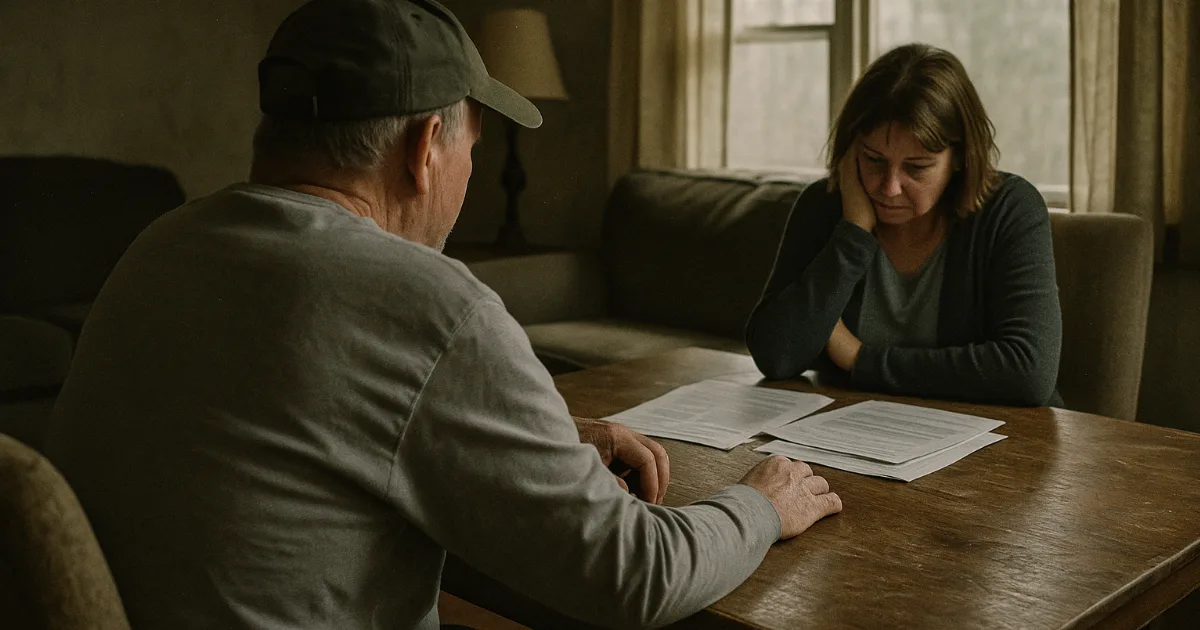
The oncologist was kind about it. That's what Diane Kowalski remembers most. He slid the scan results across the desk gently, used soft language, spoke about "comfort measures" and "quality time." Her husband, a retired Duke Energy plant worker from Kannapolis, North Carolina, gripped her hand so hard she felt her rings press into her fingers. She was 61. The diagnosis was pleural mesothelioma. The prognosis, delivered in the fall of 2022, was 12 to 18 months.
Diane is 64 now. She drove herself to her last oncology appointment.
Her story is the product of relentless advocacy, geographic luck, and a medical landscape that, for a narrow but growing group of mesothelioma patients, has begun to offer something it rarely promised before: more time. The numbers tell an important story here, and the story is more complicated, more hopeful, and more painful than a single statistic can hold.
What Does a Mesothelioma Diagnosis Actually Look Like in 2026?
For most patients, a mesothelioma diagnosis arrives late. The cancer, caused almost exclusively by asbestos exposure, can take 20 to 50 years to develop after the initial exposure, according to the World Health Organization. By the time symptoms appear, the disease has typically advanced to stage 3 or stage 4, when surgical options are limited and prognosis is grim. The American Cancer Society reports that the five-year survival rate for pleural mesothelioma remains under 12 percent across all stages combined, a figure that has shifted only modestly over the past two decades.
What that number obscures, however, is the variation. Patients diagnosed at earlier stages, treated at high-volume specialty centers, and enrolled in clinical trials increasingly show outcomes that fall well outside the historical median. According to data from the American Cancer Society's mesothelioma survival statistics, patients with localized disease who receive multimodal treatment, meaning surgery combined with chemotherapy and sometimes radiation, have seen five-year survival rates closer to 20 percent in recent cohorts. That gap between the average and the achievable is where Diane Kowalski's story lives.
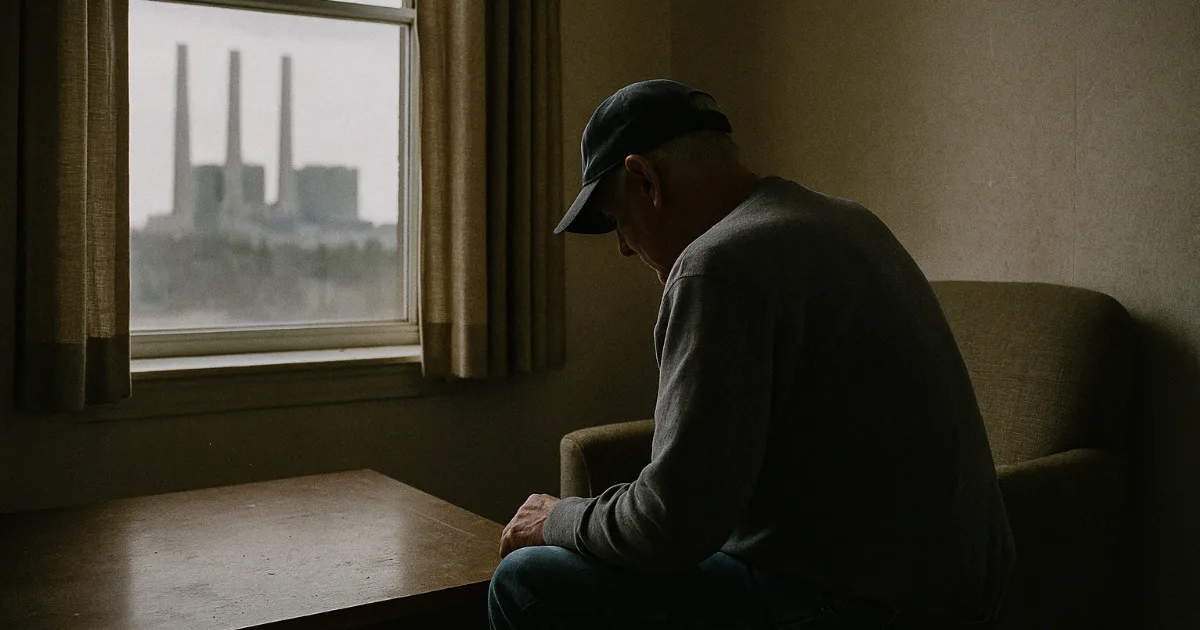
Her husband, Robert, had spent 29 years working maintenance at a Duke Energy coal plant in the Piedmont region of North Carolina. He'd worked alongside asbestos pipe insulation for years before the material was phased out. Diane had laundered his work clothes for nearly three decades, shaking out the gray-white dust she assumed was ordinary grime. Paraoccupational exposure, it's called. She never touched the pipes. She never set foot in the plant. She didn't need to.
"I want people to understand that this disease doesn't just happen to the person who worked the job," Diane told me during a conversation in early 2026. "It happened in my laundry room. It happened at my kitchen table. Nobody warned us about any of that."
Why Does Where You're Treated Change Whether You Survive?
This is the part of the mesothelioma story that doesn't get told often enough. The oncologist who delivered Diane's initial prognosis was not wrong, exactly. He was working from population-level statistics, and population-level statistics for mesothelioma are genuinely terrible. What he may not have known, or may not have communicated, was that her outcome could look very different depending on who treated her and where.
After her diagnosis, Diane's daughter, a nurse in Charlotte, began researching NCI-designated cancer centers with dedicated thoracic oncology programs. The National Cancer Institute maintains a network of these facilities across the country, each required to meet rigorous standards for research, clinical care, and multidisciplinary expertise. According to the NCI's cancer center program, there are currently 72 NCI-designated centers in the United States, and the difference in mesothelioma outcomes between these centers and general community oncology practices is not trivial.
Diane eventually traveled to UNC Lineberger Comprehensive Cancer Center in Chapel Hill, roughly 90 minutes from her home, a drive she made every three weeks for the better part of a year. The thoracic oncology program at UNC Lineberger specializes in exactly the kind of rare, complex thoracic malignancies that community oncologists may see only a handful of times in their careers. Mesothelioma specialists there see dozens of cases annually, participate in multi-institutional clinical trials, and bring a multidisciplinary team, including thoracic surgeons, pulmonologists, radiation oncologists, and palliative care specialists, to every case.
"In my years working with mesothelioma families, I've seen the geography of this disease play out in heartbreaking ways," I wrote in a 2025 episode of the MESO Podcast. "Two patients with identical diagnoses, identical staging, identical performance status. One lives in a city with a major NCI center and gets enrolled in a trial within six weeks. The other lives in a rural county, sees a general oncologist, gets standard-of-care chemo, and is gone in fourteen months. Same disease. Different zip code. Different outcome."
For patients trying to understand which facilities specialize in mesothelioma care near them, the locations directory at Mesothelioma-Lung-Cancer.org provides a searchable resource organized by state and treatment type.
What Treatment Did Diane Actually Receive?
Diane's case was presented to UNC Lineberger's thoracic tumor board within two weeks of her first appointment. The board, which includes specialists from multiple disciplines, reviewed her imaging, her pathology, her pulmonary function tests, and her overall health status before recommending a treatment course.
Her disease was staged as pleural mesothelioma, epithelioid cell type, which is the most common histological subtype and the one associated with the most favorable prognosis relative to sarcomatoid or biphasic disease. According to Cancer.net, epithelioid mesothelioma accounts for roughly 60 to 70 percent of all pleural mesothelioma cases and tends to respond better to systemic therapies.
The team recommended induction chemotherapy with cisplatin and pemetrexed, the standard first-line regimen that has been the backbone of mesothelioma treatment since a pivotal trial published in the early 2000s demonstrated its superiority over cisplatin alone. After four cycles, her disease showed partial response. That response opened a door.
In mid-2023, Diane was enrolled in a clinical trial examining the addition of an immunotherapy agent to maintenance therapy following first-line chemotherapy. She cannot discuss the specific trial name under the terms of her enrollment agreement, but the trial is ongoing at UNC Lineberger and several other NCI-designated centers. The immunotherapy component targets the PD-L1 pathway, the same mechanism underlying the checkpoint inhibitors that have transformed outcomes in lung cancer and several other malignancies.
For patients who want to understand how chemotherapy works in mesothelioma treatment, the encyclopedia entry on chemotherapy for mesothelioma provides a detailed breakdown of regimens, side effect management, and what to expect during treatment.
Diane experienced significant fatigue during her treatment, some nausea, and a period of peripheral neuropathy in her feet that made walking painful for about three months. She did not experience the immune-related adverse events that can sometimes complicate checkpoint inhibitor therapy. By early 2024, her restaging scans showed continued partial response. By late 2024, her disease was described as stable. She remains on maintenance therapy today.
"I am not cured," she says, clearly and without self-pity. "I want to be honest about that. But I am here. I went to my granddaughter's birthday in March. I planted tomatoes last spring. That is not nothing."
!What Treatment Did Diane Actually Receive? for mesothelioma patient cases
How Common Is Diane's Experience, and What Does the Data Actually Show?
What the data actually shows is a treatment landscape in genuine, if uneven, transition. The 2020 FDA approval of nivolumab plus ipilimumab, the dual checkpoint inhibitor combination studied in the CheckMate 743 trial, represented the first major first-line treatment advance for unresectable pleural mesothelioma in more than 15 years. That trial, which enrolled 605 patients across 103 sites globally, showed that patients receiving the immunotherapy combination had a median overall survival of 18.1 months compared to 14.1 months for chemotherapy, with a two-year survival rate of 41 percent versus 27 percent.
Those numbers are not dramatic in absolute terms. Four months of median survival benefit sounds modest until you are the patient, until you are the spouse watching the calendar. And for patients with non-epithelioid histology, the benefit was considerably larger, with median survival nearly doubling in that subgroup.
Beyond CheckMate 743, the research pipeline has expanded substantially. Stanford Cancer Institute's thoracic oncology research program, one of the leading centers for thoracic malignancy research on the West Coast, has active investigations into targeted therapies, tumor microenvironment modulation, and novel immunotherapy combinations specifically for mesothelioma. For patients on the West Coast or willing to travel, Stanford's program represents another node in the network of specialized care that is quietly reshaping what mesothelioma survivorship can look like.
The honest caveat is that access to these advances remains deeply unequal. Veterans, who represent a disproportionate share of mesothelioma patients due to the heavy use of asbestos in military shipbuilding and construction, often navigate VA healthcare systems that may not have the same depth of mesothelioma specialization as NCI-designated centers. The veterans' resource section at Mesothelioma-Lung-Cancer.org provides specific guidance for navigating VA benefits alongside civilian treatment options, which can sometimes be used in combination.
For patients diagnosed with other asbestos-related thoracic malignancies, including lung cancer with asbestos exposure history, the treatment landscape has its own distinct contours, though the access and advocacy challenges are often similar.

What Are the Legal and Financial Realities That Diane's Family Faced?
Diane's husband, Robert, had never filed a legal claim. He'd worked for a major utility company, not a small contractor, and the idea of suing his former employer felt remote, even disloyal. When Diane was diagnosed, neither of them initially connected the disease to potential legal recourse.
It was Diane's daughter who found the exposure site records. North Carolina's industrial history includes dozens of facilities where asbestos was used extensively in pipe insulation, boiler systems, and turbine components. Robert's plant appeared in documentation connecting multiple manufacturers' asbestos-containing products to that specific facility. The exposure sites directory maintained by Mesothelioma-Lung-Cancer.org catalogs thousands of worksites across the country where documented asbestos use has been linked to subsequent mesothelioma diagnoses.
Diane and Robert eventually consulted a mesothelioma attorney. The legal process, which Diane describes as "exhausting but necessary," resulted in a settlement from multiple asbestos trust funds. More than 60 asbestos bankruptcy trusts have been established to compensate victims of asbestos-related disease, holding a combined estimated value of roughly $30 billion according to legal industry analyses. These trusts exist because dozens of asbestos manufacturers and suppliers declared bankruptcy under the weight of litigation, and the trusts were created as part of reorganization plans to ensure future claimants could still be compensated.
Families navigating the legal process for the first time often don't know where to begin. The guide to filing a mesothelioma lawsuit provides a step-by-step overview of the claims process, from gathering exposure documentation to working with specialized legal counsel. For families trying to understand what compensation they might be eligible for, the compensation estimator tool offers a starting framework based on diagnosis type, exposure history, and other factors.
One critical detail that families often miss: every state has a statute of limitations that governs how long after diagnosis a legal claim can be filed. In North Carolina, as in most states, that window is typically three years from the date of diagnosis. Missing that deadline can permanently foreclose legal options. The statute of limitations tool allows families to check their specific state's deadline before time runs out.
"The legal piece saved us financially," Diane says. "Robert's retirement was not enough to cover what this disease costs. Between the travel, the co-pays, the medications that aren't covered, the time off work for both of us. Without that settlement, I don't know how we would have kept going. And I mean that literally. I might not have been able to keep the treatment."
What Diane Wants Other Patients to Know
When I ask Diane what she would tell a patient who just received the kind of prognosis she received in 2022, she doesn't hesitate.
"Go somewhere else. Not because your doctor is bad. But because this disease is rare, and rare diseases require specialists. You would not let a general dentist do heart surgery. Do not let a general oncologist be your only voice on mesothelioma."
She also talks about the emotional labor of being an informed patient, the exhaustion of researching clinical trials at midnight, of pushing for second opinions while simultaneously managing fear and fatigue and the ordinary logistics of being sick. She credits her daughter, her husband, and a patient advocate she connected with through a mesothelioma support organization for keeping her focused when the system felt overwhelming.
"There were moments when I wanted to just accept what the first doctor said and stop fighting," she admits. "The fighting is hard. It takes energy you don't have. But I'm glad I fought."
For patients who are newly diagnosed and trying to understand their options, the answers section at Mesothelioma-Lung-Cancer.org aggregates responses to the most common questions about diagnosis, treatment, prognosis, and financial options in one place.
The Broader Landscape: What's Changing for Mesothelioma Patients in 2026?
Diane's story unfolds against a backdrop of genuine, if incremental, progress. The WHO's asbestos fact sheet notes that despite the clear evidence linking asbestos to mesothelioma and other cancers, asbestos continues to be mined and used in dozens of countries, ensuring that the global burden of mesothelioma will not diminish quickly. In the United States, where most uses of asbestos have been restricted but not fully banned, the approximately 3,000 new diagnoses recorded annually represent the tail end of exposure waves from the mid-20th century industrial era.
The research community has responded with increasing urgency. Beyond immunotherapy combinations, researchers are investigating CAR-T cell therapies targeting mesothelin, a protein overexpressed in mesothelioma cells. Early-phase trials at several NCI-designated centers have shown signals of activity that have generated cautious optimism among thoracic oncologists. Liquid biopsy technologies, which allow tumor DNA to be detected in a simple blood draw, are being studied as tools for earlier detection and treatment monitoring. And the molecular characterization of mesothelioma tumors, identifying which genetic alterations drive each patient's disease, is enabling more personalized treatment approaches in ways that were not possible even five years ago.
None of this means mesothelioma has become an easy disease to treat. The numbers remain sobering. The median survival for most patients still falls well short of what any oncologist or patient would want. But the distance between the median and the possible is growing. And for patients like Diane Kowalski, who found the right team, in the right place, at the right moment, that distance is measured not in statistics but in tomato plants and birthday parties and the specific, irreplaceable weight of more time.
"What I tell people," Diane said as our conversation wound down, "is that the prognosis they gave me was based on the average. I decided I didn't want to be the average. That sounds simple. It wasn't. But it's true."
She paused. Outside her kitchen window, the North Carolina spring was just beginning to arrive.
"I'm still here," she said. "That's the whole story."

Frequently Asked Questions
What is the survival rate for pleural mesothelioma in 2026?
According to the American Cancer Society, the overall five-year survival rate for pleural mesothelioma remains under 12 percent across all stages. However, patients diagnosed at earlier stages with epithelioid histology who receive treatment at high-volume specialty centers can see significantly better outcomes, with some cohorts approaching 20 percent five-year survival. Stage, cell type, and treatment center all substantially affect individual prognosis.
Can paraoccupational asbestos exposure (secondhand exposure) cause mesothelioma?
Yes. Paraoccupational exposure, sometimes called take-home or secondhand asbestos exposure, occurs when family members are exposed to asbestos fibers carried home on a worker's clothing, skin, or hair. The World Health Organization acknowledges that there is no established safe level of asbestos exposure, and documented mesothelioma cases from household contact with occupationally exposed workers are well-established in the medical literature.
What are asbestos bankruptcy trusts, and how do they work?
Asbestos bankruptcy trusts were established when dozens of asbestos manufacturers and suppliers filed for bankruptcy protection due to the volume of asbestos-related litigation against them. As part of their reorganization, these companies created dedicated trust funds to compensate current and future claimants. More than 60 such trusts currently exist in the United States. Mesothelioma patients or their families can file claims with multiple trusts simultaneously, and a specialized mesothelioma attorney can help identify which trusts apply to a specific exposure history.
What is the difference between mesothelioma treatment at a general oncology practice versus an NCI-designated cancer center?
NCI-designated cancer centers are required to meet rigorous standards for research infrastructure, multidisciplinary care, and clinical trial access. According to the NCI's cancer center program, these facilities conduct more mesothelioma cases annually than most community practices, maintain dedicated thoracic oncology teams, and offer access to clinical trials that are not available elsewhere. For a rare cancer like mesothelioma, this specialization can translate directly into more treatment options and, in some cases, meaningfully different outcomes.
How long do mesothelioma patients have to file a legal claim?
Statutes of limitations for mesothelioma claims vary by state but typically run two to three years from the date of diagnosis. In North Carolina, for example, the window is generally three years. Missing this deadline can permanently eliminate a patient's or family's ability to pursue compensation. Patients should consult a mesothelioma attorney as early as possible after diagnosis to preserve all legal options. The statute of limitations tool at Mesothelioma-Lung-Cancer.org allows patients to check their specific state's deadline.
What is epithelioid mesothelioma, and why does cell type matter?
Epithelioid mesothelioma is the most common histological subtype, accounting for approximately 60 to 70 percent of pleural mesothelioma cases according to Cancer.net. It is also the subtype associated with the most favorable prognosis relative to sarcomatoid and biphasic types. Epithelioid cells tend to respond better to chemotherapy and immunotherapy, and patients with this subtype are more likely to be surgical candidates when disease is caught at earlier stages. Cell type is one of the first things a mesothelioma specialist will evaluate.
What immunotherapy options are currently available for mesothelioma?
The FDA approved the combination of nivolumab and ipilimumab for first-line treatment of unresectable pleural mesothelioma in 2020, based on the CheckMate 743 trial, which showed improved overall survival compared to chemotherapy alone. Additional immunotherapy combinations are under investigation in clinical trials at NCI-designated centers including UNC Lineberger and Stanford Cancer Institute. Eligibility for specific regimens depends on histology, prior treatment, and performance status, and should be evaluated by a thoracic oncology specialist.

Comments (2)