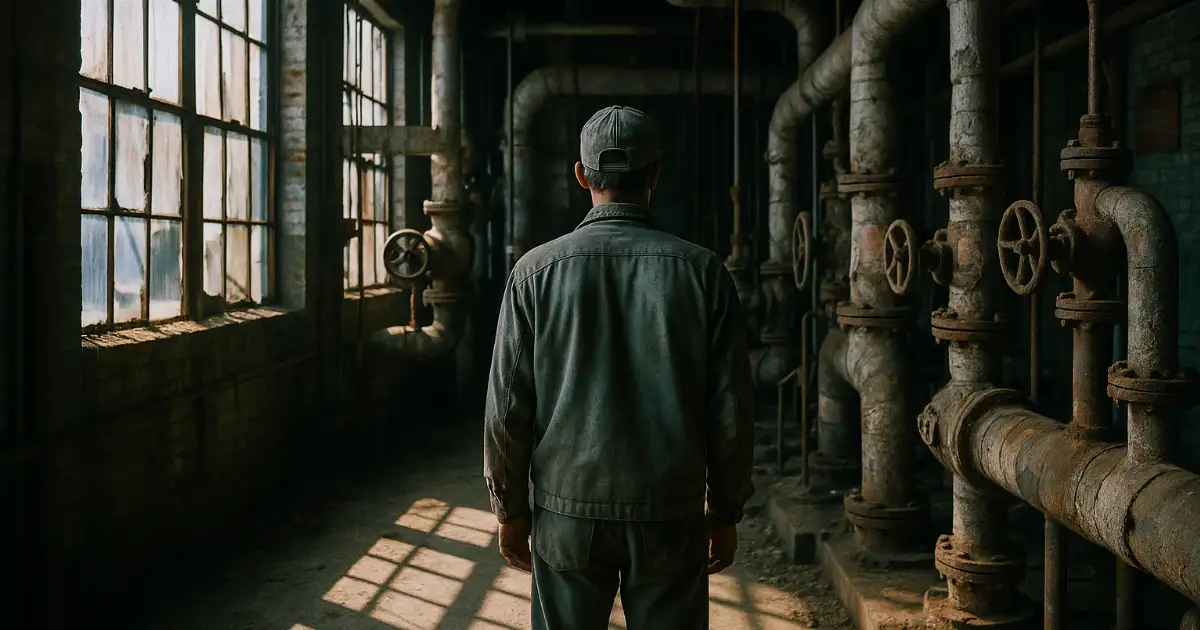


CHARLOTTE, NC — Dennis Hargrove spent 27 years maintaining turbines and boilers at a coal-fired power plant outside Charlotte before he retired in 2018 with a pension, a handshake, and a cough he figured was just age catching up with him. Last winter, that cough became a diagnosis: pleural mesothelioma, the cancer caused almost exclusively by asbestos exposure.
His family had never heard of mesothelioma. His daughter, Tamara, said the first thing she did after leaving the oncologist's office was search for what it meant. What she found — and what she wishes she'd known years earlier — is a story that advocates say reflects the experience of thousands of workers across the Carolinas whose asbestos exposure at industrial facilities has gone unrecognized for decades.
A Diagnosis Decades in the Making
Mesothelioma's latency period is notoriously long. According to the World Health Organization, the disease typically develops 20 to 50 years after initial asbestos exposure, which means workers like Dennis who retired years ago are only now receiving diagnoses tied to their working years. For power plant workers, the exposure pathways were multiple: pipe insulation, gaskets, boiler linings, and turbine components all commonly contained asbestos through much of the 20th century.
Duke Energy, which operates an extensive network of power facilities across North and South Carolina, has publicly documented the historical composition of many of its older plants. Workers who spent careers in those facilities during the 1970s, 1980s, and even into the 1990s may have been regularly exposed to asbestos-containing materials without adequate warning or protective equipment.
According to the Centers for Disease Control and Prevention, mesothelioma mortality rates in North Carolina and surrounding southeastern states have remained stubbornly elevated compared to national averages, a pattern the CDC links directly to the concentration of industrial and manufacturing facilities in the region. Understanding the full scope of asbestos exposure in these workplaces remains a challenge for patients and families trying to piece together a decades-old occupational history.
Why This Family's Story Matters Beyond One Diagnosis
What I hear from patients going through this is that the hardest part isn't the diagnosis itself. It's the feeling that no one warned them, that the danger was hidden in plain sight for decades, and that they're now scrambling to understand a disease and a legal system they never expected to navigate.
For Tamara Hargrove, finding the right specialist made a tangible difference in her father's care. After his initial diagnosis at a community hospital, the family was referred to the Thoracic Oncology Program at UNC Lineberger Comprehensive Cancer Center in Chapel Hill, one of the few programs in the Southeast with dedicated mesothelioma expertise. The team there conducted a full staging workup and enrolled Dennis in a treatment protocol that included a combination approach his community oncologist had not discussed.
"Many patients and families I've worked with don't realize that mesothelioma is rare enough that most community oncologists see only one or two cases in a career," said Yvette Abrego, a patient advocate who works with mesothelioma families across the region. "Getting to a specialist center isn't a luxury. It changes the options on the table."
For patients navigating mesothelioma diagnosis and treatment decisions, the difference between a generalist and a specialist can determine not just prognosis but access to clinical trials and multimodal care plans that community hospitals rarely offer.
What Patients and Families Can Do Right Now
The most important step you can take right now, if you or someone you love has received a mesothelioma diagnosis connected to power plant or industrial work, is to document the exposure history as specifically as possible. Names of facilities, job titles, dates of employment, and the types of materials handled can all be critical, both for treatment decisions and for any legal or compensation claims that may follow.
Patients who worked at facilities with documented asbestos use may have claims against asbestos trust funds established by the companies that manufactured or supplied those materials. More than 60 active trusts are currently paying claims, according to data tracked by asbestos litigation specialists, and many families don't realize their eligibility until an advocate or attorney reviews the exposure history. Our guide to filing an asbestos trust fund claim walks through that process in detail.
For veterans who also worked in industrial settings after their service, the exposure picture can be even more layered. VA benefits may cover mesothelioma care and compensation separately from civil trust fund claims, and the two are not mutually exclusive.
Dennis Hargrove is now three months into treatment at UNC Lineberger. His daughter says he's doing better than the initial prognosis suggested. The family is still working with an attorney to identify which trust funds may apply to his case. Their story isn't finished. But it's a story more Carolina families may recognize than they expect — and knowing it exists is the first step toward getting help.