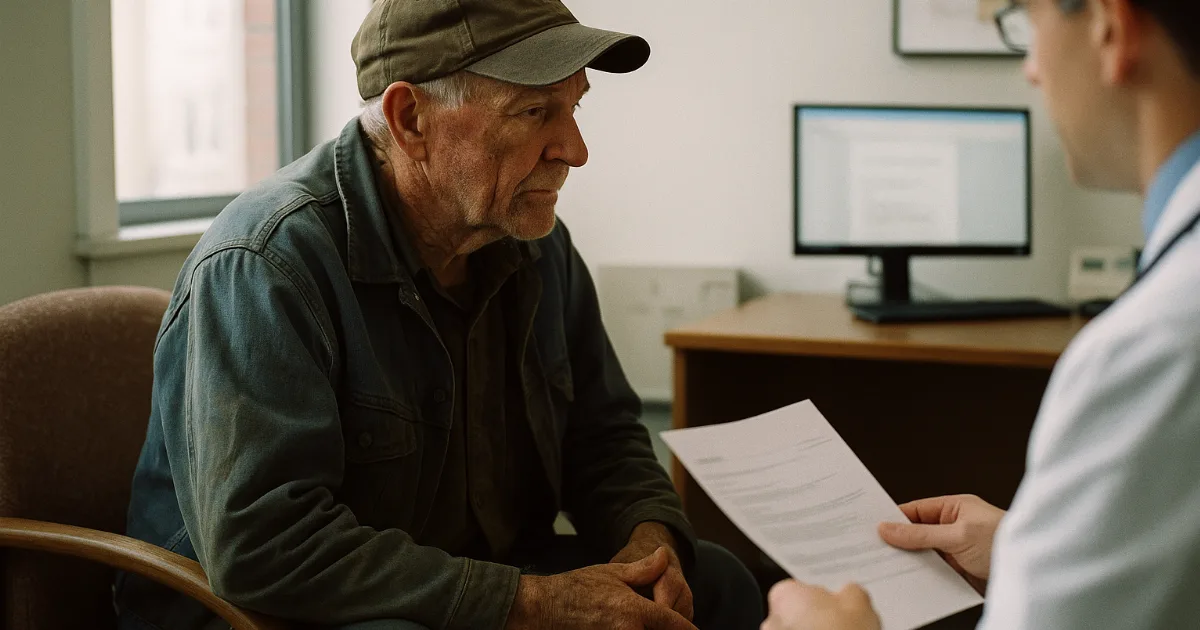


SACRAMENTO, CA — Marcus Webb had already been told the statistics. Sixty-three years old, a former insulation contractor who'd spent two decades working commercial construction sites across the Central Valley, he sat in an oncology office in early 2025 and heard a number that felt like a sentence: median survival of twelve to eighteen months. His pleural mesothelioma had been caught at Stage III. The standard-of-care options were explained calmly, methodically. Then his oncologist mentioned something else. A clinical trial. Mesothelin-targeted. Immunotherapy-based. Recruiting in California.
Marcus enrolled. Fourteen months later, his tumors had not progressed.
His story isn't a guarantee. It isn't even typical, yet. But it represents something real and measurable that is happening across the mesothelioma treatment landscape in 2026: the emergence of therapies that weren't available five years ago, driven by a convergence of immunology research, genetic science, and a regulatory environment that has started to move faster than the disease itself.
This article is the definitive account of where mesothelioma treatment stands today. Not the textbook version. The real version, drawn from clinical trial data, FDA approvals, surgical outcome research, and the experiences of patients navigating a system that is, for the first time in decades, offering reasons for cautious optimism.
The FDA Approval That Changed the Baseline
For most of the past two decades, the standard first-line treatment for malignant pleural mesothelioma was a combination of cisplatin and pemetrexed, a chemotherapy doublet approved in 2004 that extended median survival by a few months compared to chemotherapy alone. It was effective enough to become the default. It was also, for many patients, the ceiling.
That ceiling cracked in October 2020, when the FDA approved nivolumab plus ipilimumab for unresectable malignant pleural mesothelioma. The approval was based on data from the CheckMate 743 trial, a randomized Phase III study that compared the immunotherapy combination against the old cisplatin-pemetrexed standard. According to the FDA, patients receiving nivolumab plus ipilimumab achieved a median overall survival of 18.1 months, compared to 14.1 months for chemotherapy. More striking was the two-year survival rate: 41 percent for the immunotherapy group versus 27 percent for chemotherapy.
Those numbers matter beyond their face value. In a disease where the historical two-year survival rate hovered below 20 percent, a 41 percent two-year mark represents a structural shift in what patients can realistically expect. From an occupational health perspective, this approval is particularly significant because the patients who most commonly develop mesothelioma, those with decades of asbestos exposure in construction, shipbuilding, and manufacturing, are often older and less able to tolerate aggressive chemotherapy regimens. Immunotherapy's different toxicity profile opens the door for patients who might not have been candidates for intensive treatment.
The approval was specifically for unresectable disease, meaning patients whose tumors cannot be surgically removed, which represents the majority of mesothelioma diagnoses. The combination works by blocking two separate immune checkpoints: nivolumab targets the PD-1 pathway, while ipilimumab targets CTLA-4. Together, they release the immune system's brakes, allowing T cells to recognize and attack tumor cells more aggressively. According to the FDA's approval documentation, the benefit was seen across both epithelioid and non-epithelioid histological subtypes, though the survival advantage was particularly pronounced in non-epithelioid tumors, a subtype historically associated with worse outcomes.
For patients and families trying to understand what this means in practical terms, the immunotherapy for mesothelioma encyclopedia entry provides accessible background on how checkpoint inhibitors work and which patients are most likely to benefit. The short version: this approval didn't cure mesothelioma, but it redefined the floor of what modern treatment can achieve.
The Surgical Debate That Won't Quit: EPP vs. P/D
Not every mesothelioma patient is ineligible for surgery. For those with resectable disease, particularly earlier-stage pleural mesothelioma, the surgical question has been one of the most contested in thoracic oncology for the better part of fifteen years.
The debate centers on two procedures: extrapleural pneumonectomy (EPP), which removes the entire affected lung along with the pleura, pericardium, and diaphragm; and pleurectomy/decortication (P/D), which strips the pleural lining while preserving the lung. EPP is more radical and carries higher operative mortality. P/D is technically demanding but allows patients to retain pulmonary function. For years, major centers argued fiercely over which approach offered better outcomes.
Research published in a comparative outcomes study found that P/D was associated with lower 30-day mortality and comparable or superior long-term survival in selected patients compared to EPP. The study, which analyzed outcomes across multiple institutions, found that perioperative mortality for EPP ranged from 4 to 7 percent at high-volume centers and considerably higher at low-volume ones. P/D mortality was consistently lower, often below 2 percent at experienced centers. According to that research, patients undergoing P/D also reported better quality-of-life scores at six and twelve months post-operation, a factor that carries enormous weight for a disease where time and functional capacity are precious.
The Brigham and Women's Hospital Mesothelioma and Pleural Disease Program, one of the highest-volume centers in the United States, has published extensively on surgical technique and patient selection. According to their program documentation, the key to surgical success is not simply choosing the right procedure but identifying the right patient: those with epithelioid histology, early nodal status, and adequate cardiopulmonary reserve are the strongest candidates for either approach.
What the exposure data reveals is that workers who develop mesothelioma after prolonged occupational asbestos contact, particularly those who worked in shipyards, power plants, and industrial facilities, often present with more advanced disease precisely because the latency period between exposure and diagnosis can stretch forty years or more. By the time symptoms appear, surgical options may already be limited. This is why early detection research, discussed in a later section, has become as important as treatment innovation itself.
For patients exploring their surgical options, understanding the distinction between these procedures is essential. The patients and families resource hub offers guidance on questions to ask surgical oncologists and how to evaluate center-specific outcomes data.
Peritoneal Mesothelioma: The HIPEC Revolution
While pleural mesothelioma receives the majority of research attention, peritoneal mesothelioma, which arises in the lining of the abdomen, has undergone its own treatment revolution over the past two decades. And unlike some advances that remain theoretical or early-stage, this one has already changed survival curves in measurable ways.
The approach is called cytoreductive surgery combined with hyperthermic intraperitoneal chemotherapy, or HIPEC. The concept is straightforward, even if the execution is extraordinarily complex: surgeons remove all visible tumor from the abdominal cavity, then flood the cavity with heated chemotherapy solution, typically cisplatin, at temperatures around 42 degrees Celsius. The heat enhances drug penetration into residual microscopic disease while limiting systemic toxicity.
A landmark study published in the Journal of Clinical Oncology established the evidence base for this approach. The research found that patients with peritoneal mesothelioma who underwent cytoreductive surgery plus HIPEC achieved a median overall survival of 53 months, compared to historical controls treated with systemic chemotherapy alone, who rarely survived beyond twelve to fourteen months. According to that study, completeness of cytoreduction was the single strongest predictor of outcome: patients in whom all visible disease was removed had median survivals exceeding five years.
Those numbers are not universally achievable. HIPEC requires specialized centers with experienced surgical teams, and the procedure carries significant morbidity. Operative times often exceed eight hours. Complication rates at even experienced centers run 30 to 40 percent, though most complications are manageable. Patient selection is critical: peritoneal disease burden, performance status, and histological subtype all influence whether a patient is a good candidate.
But for eligible patients, the transformation has been remarkable. What was once a disease with a median survival measured in months has become, in selected cases, a condition where five-year survival is achievable. Workers in these industries, particularly those who handled asbestos insulation materials that could be ingested or whose fibers settled on food and clothing, face the highest risk of peritoneal involvement. Understanding this distinction matters for both diagnosis and treatment planning.
STAT CALLOUT: The Numbers That Define the Moment
- 18.1 months — Median overall survival with nivolumab plus ipilimumab in the CheckMate 743 trial, versus 14.1 months for chemotherapy
- 41% — Two-year survival rate for mesothelioma patients receiving the FDA-approved immunotherapy combination
- 53 months — Median overall survival for peritoneal mesothelioma patients treated with cytoreductive surgery plus HIPEC
- 3,000 — Approximate number of new mesothelioma diagnoses in the United States each year, the majority linked to occupational asbestos exposure
!Research scientist's hands manipulate cell samples under biosafety hood in immunotherapy laboratory
CAR-T Cell Therapy: The Most Exciting Frontier
If immunotherapy checkpoint inhibitors represent the first wave of the immune revolution in mesothelioma, CAR-T cell therapy represents what may be the second, and it is further along than most patients realize.
Chimeric antigen receptor T-cell therapy, or CAR-T, involves engineering a patient's own immune cells to recognize and destroy cancer cells bearing a specific surface protein. In mesothelioma, the target is mesothelin, a protein expressed at high levels on the surface of mesothelioma cells but at low levels on most normal tissues. This makes it an attractive therapeutic target: attack the tumor, spare the patient.
A Phase I clinical trial published in the Journal of Clinical Oncology evaluated mesothelin-targeted CAR-T cells in patients with pleural mesothelioma. The trial, which enrolled patients with relapsed or refractory disease who had already failed standard treatments, found that the approach was feasible and demonstrated early signals of anti-tumor activity. According to the published data, some patients experienced disease stabilization and partial responses. The trial also provided critical safety data, showing that the treatment was tolerable, with manageable cytokine release syndrome, the most common serious side effect of CAR-T approaches.
These are Phase I results. They establish safety and dosing, not efficacy at scale. But the mesothelin targeting strategy is now being evaluated in multiple subsequent trials, including studies combining CAR-T cells with checkpoint inhibitors to prevent the immune exhaustion that can limit CAR-T durability. The logic is sound: checkpoint inhibitors keep the T cells active; the CAR receptor directs them to the right target.
From an occupational health perspective, the development of CAR-T approaches for mesothelioma matters in a specific way. Because mesothelioma is almost exclusively caused by asbestos exposure, the patient population is unusually well-defined. Researchers know who is at risk, can monitor high-risk individuals, and can potentially intervene earlier. The combination of better surveillance tools and emerging therapies like CAR-T creates a pathway that didn't exist a decade ago.
For patients interested in whether CAR-T trials are available to them, the NCI Clinical Trials Search Database is the most comprehensive national resource. California, in particular, has become a hub for mesothelioma trial activity, with multiple recruiting studies listed through ClinicalTrials.gov specifically for California-based patients.
"The mesothelin target is one of the cleanest in solid tumor oncology. Mesothelioma cells are practically decorated with it. The challenge now is durability, not direction."
Anna Jackson, Occupational Health Advocate, Mesothelioma-Lung-Cancer.org

Gene Therapy: A Parallel Track Gaining Ground
Less publicized than immunotherapy but advancing steadily, gene therapy approaches for mesothelioma represent a third track of innovation running parallel to surgical refinement and immune-based treatments.
Research published in peer-reviewed literature has explored several gene therapy strategies for mesothelioma. One approach involves delivering tumor suppressor genes directly into tumor cells, restoring the growth-control mechanisms that cancer has disabled. Another strategy uses oncolytic viruses, engineered viral vectors that selectively infect and destroy cancer cells while leaving normal tissue intact. A third approach involves suicide gene therapy, in which a gene encoding a drug-activating enzyme is delivered to tumor cells, making them selectively vulnerable to a prodrug that would otherwise be harmless.
According to research on gene therapy approaches for mesothelioma, the field has faced significant delivery challenges. Getting therapeutic genes into enough tumor cells, consistently and safely, has proven harder in solid tumors like mesothelioma than in blood cancers, where gene therapy has achieved its most celebrated successes. The pleural space, however, offers a unique anatomical advantage: it can be directly accessed for local delivery, allowing higher concentrations of viral vectors to reach tumor tissue without the dilution effects that limit systemic delivery.
Several early-phase trials have combined gene therapy with standard chemotherapy or immunotherapy, using the gene therapy component to sensitize tumors before systemic treatment. Early results have been mixed but sufficiently promising to sustain research investment. The field is not yet at the point of clinical application for most patients, but it represents a meaningful addition to the therapeutic pipeline.
What the exposure data reveals is that the genetic landscape of mesothelioma itself, particularly the near-universal loss of the BAP1 tumor suppressor gene, creates specific vulnerabilities that gene therapy strategies can potentially exploit. Understanding the molecular profile of a patient's tumor is increasingly important not just for prognosis but for matching patients to the right experimental approaches.
Blood Biomarkers: Catching It Earlier Changes Everything
The most transformative advances in mesothelioma treatment will ultimately be limited by a stubborn reality: most patients are diagnosed late, when treatment options are already constrained. Changing that equation requires better detection tools, and blood-based biomarkers are the most promising avenue currently under investigation.
Research published in peer-reviewed literature has evaluated two primary biomarkers for mesothelioma detection: fibulin-3 and soluble mesothelin-related peptides (SMRPs). According to that research, both markers are elevated in the blood and pleural fluid of mesothelioma patients compared to asbestos-exposed individuals without cancer and unexposed healthy controls. SMRPs in particular have shown sensitivity and specificity profiles that make them potentially useful as surveillance tools for high-risk populations.
The clinical application is still evolving. Neither biomarker is currently used as a standalone diagnostic test; both require confirmation with imaging and tissue biopsy. But the concept of periodic blood testing for individuals with known asbestos exposure history, particularly those who worked in high-risk industries before the 1980s when asbestos use was at its peak, has gained traction among occupational health specialists.
Workers in these industries, particularly those who spent years in shipbuilding, construction, automotive repair, and industrial insulation, represent the highest-risk population for mesothelioma development. Many of them are now in their sixties, seventies, and eighties, precisely the age range when the disease typically manifests after its decades-long latency period. A blood test that could flag early disease in these individuals, before symptoms appear and before the disease reaches an inoperable stage, could fundamentally change survival outcomes.
For workers and families trying to understand exposure history and risk, the asbestos exposure site directory provides a searchable database of known contaminated workplaces. Documenting exposure history is important not only for medical monitoring but for legal and financial planning, including access to asbestos trust funds that may provide compensation regardless of whether a lawsuit is filed.
"A blood test that catches mesothelioma before symptoms appear could be more valuable than any single treatment advance we've seen in the past decade."
Anna Jackson, Occupational Health Advocate, Mesothelioma-Lung-Cancer.org
California as a Clinical Trial Hub: What's Recruiting Now
For patients in the western United States, California has emerged as one of the most active states for mesothelioma clinical trial recruitment. According to data from ClinicalTrials.gov, multiple mesothelioma studies are currently recruiting participants at California institutions, spanning immunotherapy combinations, novel surgical approaches, and experimental systemic therapies.
The concentration of research activity in California reflects the state's combination of high-volume academic medical centers, a large and diverse patient population, and significant historical asbestos exposure in industries including shipbuilding at the San Francisco Bay Area naval facilities, oil refining along the Southern California coast, and construction throughout the state's major metropolitan areas. From an occupational health perspective, California's exposure history created a patient population that, decades later, is now driving clinical trial enrollment.
For veterans who were exposed to asbestos during military service, California's VA medical centers also participate in several research programs. Veterans with mesothelioma face a specific set of challenges, including navigating both VA benefits and civilian legal claims, and the VA benefits eligibility tool provides guidance on what compensation may be available.
Patients considering clinical trial enrollment should understand that participation offers access to treatments not yet commercially available, often at no cost for the experimental components, while contributing to research that benefits future patients. The tradeoffs include uncertainty about which treatment arm a randomized patient will receive and the additional time commitment of trial-related visits and monitoring. Oncologists at major mesothelioma centers can help patients evaluate whether their disease characteristics make them good candidates for specific open studies.
The NCI Clinical Trials Search Database allows patients to search by diagnosis, location, and trial phase. For mesothelioma specifically, filtering for Phase II and Phase III trials in California surfaces the studies most likely to be both accessible and at a stage where meaningful efficacy data exists.
"Patients who enroll in clinical trials aren't just helping themselves. They're building the evidence base that will determine what the next generation of mesothelioma patients has access to."
Anna Jackson, Occupational Health Advocate, Mesothelioma-Lung-Cancer.org
Multimodal Treatment: Why No Single Approach Is Enough
One of the most important conceptual shifts in mesothelioma oncology over the past decade is the move away from single-modality thinking. The question is no longer "should this patient have surgery or chemotherapy" but rather "what combination of surgery, systemic therapy, immunotherapy, and emerging approaches gives this patient the best chance."
The Brigham and Women's Hospital Mesothelioma and Pleural Disease Program, which has treated more mesothelioma patients than virtually any center in the world, has published extensively on multimodal protocols. According to their program materials, the most successful outcomes in resectable disease come from combining surgery with chemotherapy and, increasingly, with immunotherapy either before or after the operative procedure. Neoadjuvant immunotherapy, given before surgery to shrink tumors and potentially eliminate micrometastatic disease, is an active area of investigation.
For unresectable disease, the combination of nivolumab plus ipilimumab with or without chemotherapy is being evaluated in ongoing trials, building on the CheckMate 743 data. The rationale for adding chemotherapy to the immunotherapy backbone is that chemotherapy-induced tumor cell death releases antigens that can further activate the immune response primed by checkpoint inhibition, a phenomenon called immunogenic cell death.
Radiation therapy plays a supporting role in multimodal protocols, primarily for pain control in patients with chest wall involvement and as adjuvant treatment after surgery to reduce local recurrence. Intensity-modulated radiation therapy (IMRT) has improved the ability to deliver adequate doses to the pleural surface while sparing the lung in P/D patients, a technical challenge that limited radiation's utility in earlier eras.
The practical implication for patients is that mesothelioma care requires a multidisciplinary team: a thoracic surgeon, a medical oncologist, a radiation oncologist, a pulmonologist, and ideally a pathologist with specific mesothelioma expertise. Patients treated at high-volume mesothelioma centers with established multidisciplinary programs consistently show better outcomes than those treated at general hospitals where mesothelioma is an occasional rather than routine diagnosis.
For patients who aren't sure how to navigate the difference between mesothelioma and other thoracic malignancies, the mesothelioma vs. lung cancer comparison guide clarifies why these are biologically distinct diseases requiring different treatment approaches, a distinction that matters enormously when evaluating treatment center expertise.
The Patient Experience: What Treatment Actually Looks Like
Behind every clinical trial result and FDA approval is a patient going through something that statistics can't fully capture. Treatment for mesothelioma in 2026 is more hopeful than it was in 2016, but it is still grueling, expensive, and emotionally complex.
Consider what a typical multimodal treatment course looks like for a patient with resectable epithelioid pleural mesothelioma. They may begin with four to six cycles of platinum-based chemotherapy, sometimes combined with immunotherapy, administered over three to four months. Then a surgical evaluation, followed by P/D if they remain a candidate. Then adjuvant radiation, possibly more systemic therapy. The entire active treatment phase can span a year or more, during which the patient is often unable to work, frequently fatigued, and managing side effects that range from nausea and neuropathy to the psychological weight of living with a cancer that most people have never heard of.
For patients with unresectable disease, the treatment arc is different but no less demanding. Nivolumab plus ipilimumab is administered on a defined schedule, typically every three to four weeks, with regular imaging to assess response. Immune-related adverse events, the toxicities specific to checkpoint inhibition, can affect virtually any organ system: the thyroid, the lungs, the colon, the skin. Most are manageable with corticosteroids, but some require permanent discontinuation of treatment.
Financial toxicity is a parallel burden. Immunotherapy regimens can cost tens of thousands of dollars per month before insurance. For patients who developed mesothelioma from occupational asbestos exposure, legal compensation through asbestos trust funds or litigation may provide resources that make treatment financially feasible. The legal answers resource provides guidance on the compensation landscape, and the trust fund checker tool can help patients identify which funds they may be eligible to access.
Support services, including palliative care integration, social work, and patient navigation, are increasingly recognized as essential components of mesothelioma care, not luxuries. The best mesothelioma centers embed these services into the treatment pathway from the point of diagnosis, not as an afterthought when curative options have been exhausted.
What the Research Pipeline Looks Like in 2026
Beyond the approved treatments and the trials currently recruiting, a broader pipeline of research is advancing through earlier phases that will define mesothelioma treatment in the years ahead.
Antibody-drug conjugates, or ADCs, represent one of the most actively investigated drug classes across oncology, and mesothelioma is no exception. ADCs link a cancer-targeting antibody to a potent chemotherapy payload, delivering cytotoxic drugs directly to tumor cells while minimizing systemic exposure. Several ADCs targeting mesothelin are in clinical development for mesothelioma, with early-phase data suggesting activity in patients who have progressed on standard therapies.
Bispecific antibodies, which simultaneously engage two different targets, are another emerging class with potential mesothelioma applications. Some bispecific designs are built to bridge tumor cells and T cells, essentially forcing an immune interaction that the tumor would otherwise evade. These are early days for this approach in mesothelioma specifically, but the mechanistic rationale is strong.
Tumor microenvironment research is also reshaping how scientists think about why some mesothelioma patients respond to immunotherapy and others don't. The tumor microenvironment, the complex ecosystem of immune cells, fibroblasts, blood vessels, and signaling molecules surrounding the tumor, appears to be a critical determinant of checkpoint inhibitor response. Mesothelioma tumors that are immunologically "cold," meaning they lack significant T cell infiltration, tend to respond poorly to PD-1 and CTLA-4 blockade. Strategies to convert cold tumors to hot ones, including radiation, oncolytic viruses, and targeted agents that disrupt immunosuppressive pathways, are under active investigation.
The Journal of Thoracic Oncology has been a primary publication venue for much of this research, and the journal's mesothelioma-specific content reflects the field's increasing sophistication. What was once a disease treated with a single chemotherapy doublet is now approached with the same molecular complexity as lung cancer or melanoma, diseases that have seen dramatic treatment advances over the past fifteen years.
Legal and Financial Pathways: Treatment Requires Resources
No discussion of mesothelioma treatment advances is complete without acknowledging the financial architecture that makes treatment access possible, or impossible, for different patients.
Mesothelioma is, in the vast majority of cases, a disease caused by corporate negligence. Asbestos manufacturers and distributors knew for decades that their products caused fatal disease. The legal and financial consequences of that negligence have resulted in more than sixty asbestos bankruptcy trusts holding an estimated $30 billion in assets designated for victim compensation. According to legal claims data, trust fund payouts for mesothelioma typically range from $100,000 to $1.4 million per claim, depending on the trust and the patient's exposure history.
For patients pursuing litigation rather than or in addition to trust fund claims, mesothelioma verdicts and settlements have historically been substantial, reflecting both the severity of the disease and the documented corporate wrongdoing that caused it. Workers in these industries, particularly those who can document exposure to specific asbestos-containing products at identified job sites, often have the strongest claims.
The asbestos exposure site directory is a useful starting point for patients trying to reconstruct their exposure history, a critical step in both medical evaluation and legal proceedings. The legal answers resource provides accessible guidance on the legal process without requiring patients to navigate complex legal terminology alone.
For veterans, the VA compensation system operates in parallel with the civilian legal system, and patients may be eligible for both. The VA benefits eligibility tool walks veterans through the specific criteria and documentation required to establish service-connected mesothelioma claims.
"The science of mesothelioma treatment has never been more advanced. But access to that science depends on financial resources that many patients don't have without legal compensation."
Anna Jackson, Occupational Health Advocate, Mesothelioma-Lung-Cancer.org
!CAR-T Cells, Immunotherapy Combos, and the California Trials Rewriting Mesothelioma Treatment in

Looking Forward: The Realistic Optimism of 2026
Marcus Webb, the Sacramento insulation contractor whose story opened this article, is still enrolled in his trial. His oncologist describes his response as partial but durable. He's back to spending weekends at his daughter's house, watching his grandchildren. He knows his disease hasn't been cured. He also knows he's alive in a way that the statistics from five years ago didn't predict.
The mesothelioma treatment landscape in 2026 is defined by a kind of realistic optimism that would have seemed overstated a decade ago. The FDA approval of nivolumab plus ipilimumab established a new survival floor. The HIPEC data transformed peritoneal mesothelioma outcomes. CAR-T cell therapy targeting mesothelin is moving through clinical development with genuine early signals. Gene therapy approaches are advancing. Blood biomarkers are bringing earlier detection closer to clinical reality. And California's clinical trial ecosystem is giving patients in the western United States access to studies that represent the leading edge of what medicine can currently offer.
None of this means mesothelioma has become an easy disease to treat. The median survival with even the best current therapies remains measured in months to a few years for most patients. The disease is still diagnosed late in the majority of cases. The connection to occupational asbestos exposure, a preventable cause that regulatory action should have eliminated decades ago, remains a source of justified anger for patients and advocates alike.
But the trajectory has changed. The research investment has intensified. The regulatory pathway has accelerated. And the patients who are being diagnosed today have options that didn't exist for the generation before them.
For patients and families navigating this landscape, the most important steps are the same regardless of where treatment science stands: get evaluated at a high-volume mesothelioma center, ask specifically about clinical trial eligibility, understand the full range of compensation options available, and build a support team that includes not just oncologists but social workers, patient navigators, and legal advocates.
The patients and families resource hub is designed to support every dimension of that journey. Because treatment advances matter most when patients can actually access them.
This article is for informational purposes only and does not constitute medical advice. Consult your healthcare provider for guidance specific to your situation.